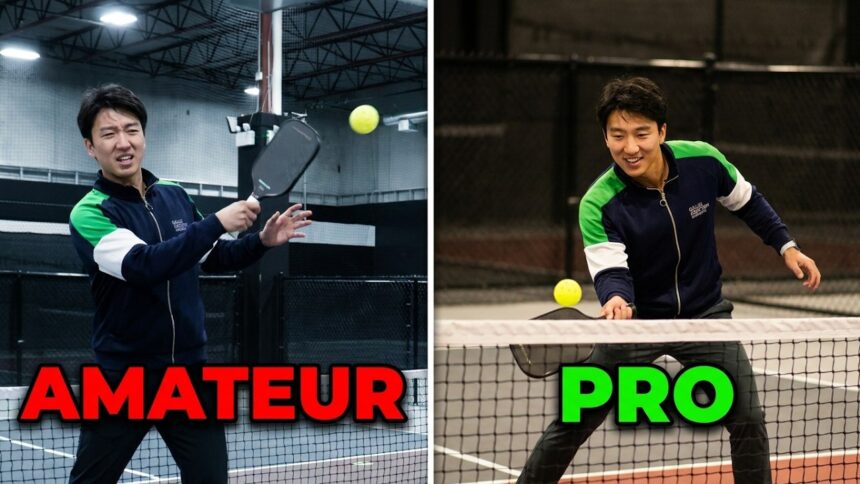
The pickleball dink is the most underrated skill in the sport, yet it’s what separates amateurs from pros. Master these three techniques and you’ll transform your kitchen game.
The pickleball dink is the most underrated skill in the sport, yet it’s what separates amateurs from pros.
Master these three techniques and you’ll transform your kitchen game.
Love pickleball? Then you’ll love our free newsletter. We send the latest news, tips, and highlights for free each week.
What Exactly Is a Pickleball Dink?
Before we get into the three techniques, let’s establish what we’re talking about.
A pickleball dink is a soft, controlled shot hit from near the net that lands in the opponent’s kitchen (the no-volley zone).
The ball travels low over the net and lands softly on the other side.
The kitchen is a seven-foot zone on each side of the net where you can’t hit the ball in the air. You have to let it bounce first.
This rule creates the entire strategic foundation of pickleball, and the pickleball dink is how you exploit it.
1. The Push Dink: Your Foundation for Pickleball Dink Consistency
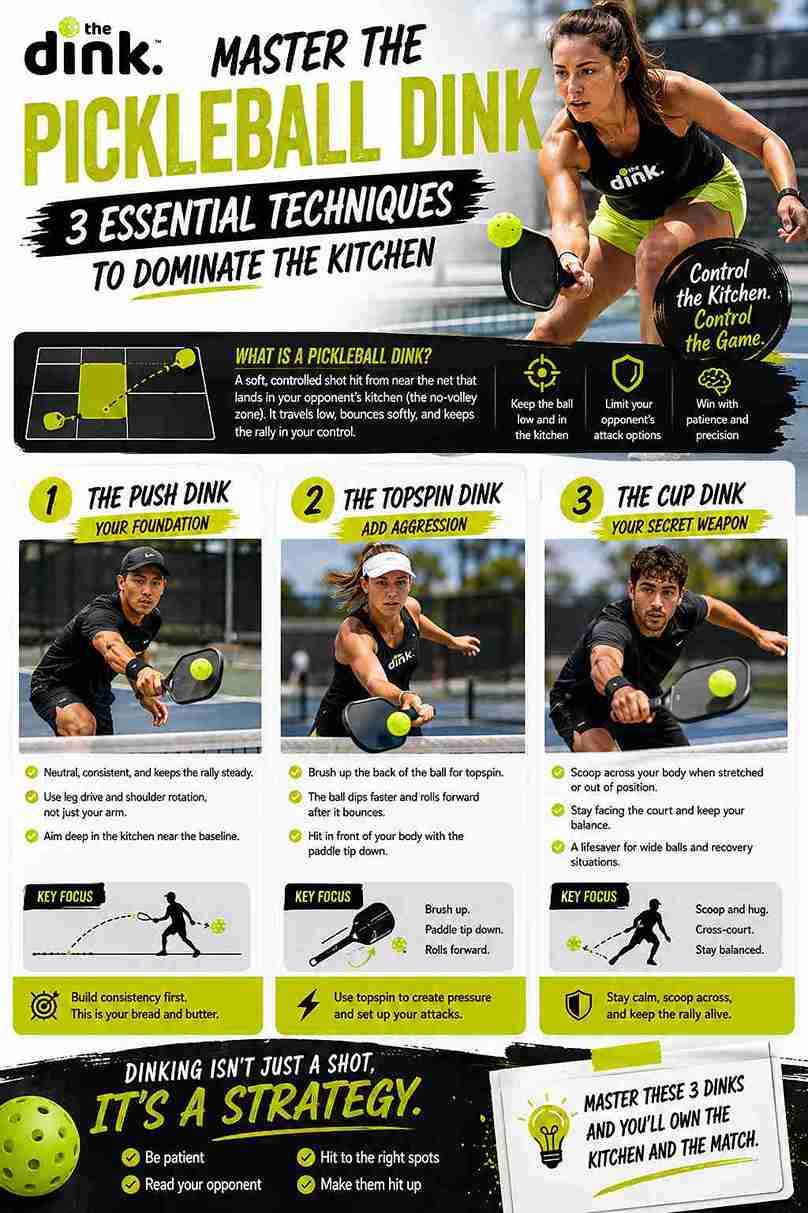
The push dink is where every player should start. It’s your neutral option, the shot you hit when you’re not trying to be aggressive.
Think of it as the baseline of your dinking arsenal.
The mechanics are straightforward but require precision. You’ll use a combination of your back leg pushing forward and your shoulder rotating through the shot.
It’s not an arm-dominated motion. Your legs generate the power, and your shoulder guides the direction.
Here’s the critical detail: footwork matters.
If the ball is coming at you quickly and you’re forced to take it right off the bounce (what’s called a “short hop”), you’ll have almost no height on the ball.
This limits your options and puts you in a defensive position.
Instead, take a step back when you can. This gives you time to set up properly and hit from a better position.
Good court positioning before the shot is just as important as the stroke itself.
The push dink should land deep in your opponent’s kitchen, ideally near the baseline of that zone.
This forces them to hit up slightly on their next shot, giving you the opportunity to attack.
Why Push Dink Mechanics Build Your Entire Soft Game
Most players underestimate how much the push dink teaches you.
Getting comfortable with the basic motion and soft game footwork is step one in developing a complete kitchen line game.
Once you can hit 20 push dinks in a row without missing, your confidence at the net will climb fast.
The push dink also trains you to recognize your court position and make better shot decisions under pressure.
That court awareness carries into every other shot you develop.
💡
2. The Topspin Dink: Adding Aggression to Your Pickleball Dink Game
Once you’ve mastered the push dink, it’s time to add the topspin dink to your arsenal. This is where things get interesting.
The topspin dink allows you to be more aggressive while still keeping the ball low and controlled.
The key difference is the paddle motion. Instead of just pushing through the ball, you’re going to drop your paddle tip and brush upward on the ball.
This creates topspin, which causes the ball to dip faster and harder than a push dink would.
The mechanics require you to feel the back side of the ball. Keep your paddle tip down and maintain contact longer than you would with a push dink.
Many players make the mistake of turning their paddle too early, which changes the angle and reduces the spin you can generate.
Here’s the thing: contact point matters tremendously. You want to hit the ball in front of your body, not off to the side.
If you’re making contact too far to the side, you’ll inadvertently add sidespin instead of pure topspin.
Keep that paddle tip down, brush straight up, and maintain a forward contact point.
If you want to go deeper on topspin mechanics, this complete 3-step progression guide breaks it down step by step.
When executed properly, a topspin dink will actually roll forward after it lands. You’ll know you’ve got good topspin when the ball hits the net cord and just wants to roll forward on the other side.
How the Topspin Dink Sets Up Your Attacks
The topspin dink is particularly effective when you want to pull your opponent forward or when you’re looking to set up an attack.
It’s more aggressive than the push dink but still maintains control.
Understanding when to play safe vs. when to attack is what makes the topspin dink so powerful.
Use it to create pressure, then convert when your opponent pops the ball up.
If you also want to apply topspin in a more offensive context, learning how to hit a heavy topspin drive is the natural next step in your development.
How to Hit a Backhand Topspin Dink in Pickleball
The backhand topspin dink is one of the most practical shots in mixed doubles pickleball. Master this essential technique to keep your dinks low and your opponents on their heels.
3. The Cup Dink: The Secret Weapon of Elite Pickleball Dink Players
The cup dink is the shot that separates good players from great ones. It’s also the one most amateurs completely overlook.
The cup dink is used when you’re stretched or out of position.
Instead of trying to get your body directly behind the ball, you position your arm like a hockey stick and scoop the ball across your body.
Imagine you’re in a pool trying to collect all the balls around you. That scooping, hugging motion is exactly what you’re doing with the cup dink.
The beauty of this shot is that you don’t need perfect footwork to execute it.
You can take just one or two shuffle steps and still pull the ball across court effectively.
This makes it invaluable when you’re caught out of position or when your opponent hits a ball that pulls you wide.
Here’s what makes the cup dink so effective: you can stay facing the court. With other dinking techniques, you might need to turn your body to get behind the ball.
With the cup dink, you maintain your court position and your ability to react to the next shot.
You’re not exposing your back to your opponent, which means they can’t attack the open court behind you.
It’s a defensive gem that advanced pickleball players build into their game early.
Cup Dink Mechanics: What You Need to Feel
The mechanics require a locked wrist. You’re not brushing the ball like you do with the topspin dink. You’re scooping it.
Keep your paddle in a hockey stick formation and pull the ball back around your body. You should feel activation in your chest, similar to a chest fly exercise at the gym.
One important note: the cup dink generates spin naturally because of the scooping motion.
This spin makes it difficult for your opponent to hit aggressive shots back at you.
They’re forced to reset the ball, which gives you time to recover and get back into position.
Pickleball Dinking 101: Small Swings, Big Results
You’re not trying to hit winners from the kitchen. You’re trying to create situations where your opponent makes a mistake or gives you a ball you can attack
Why These Three Pickleball Dinks Matter
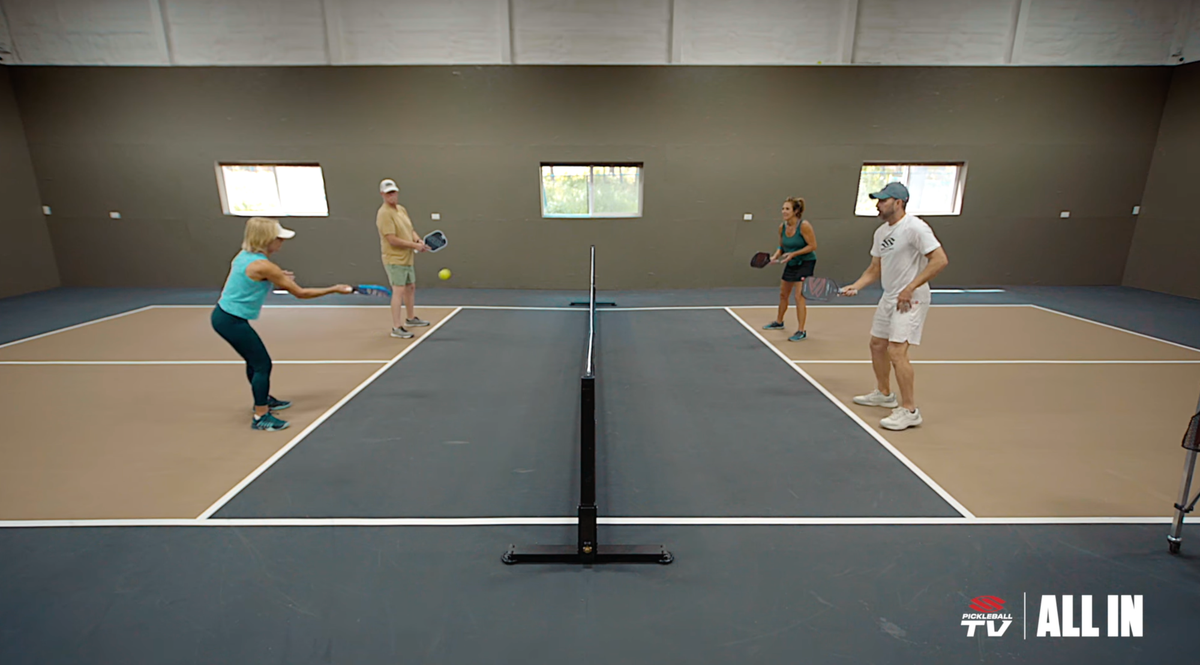
The reason Aylex Pickleball Academy emphasizes these three specific techniques is because they cover every situation you’ll face at the kitchen line.
The push dink is your neutral, consistent option. The topspin dink lets you be aggressive while maintaining control.
The cup dink gets you out of trouble when you’re out of position.
Most players never develop beyond the push dink. They hit the same shot over and over, which makes them predictable.
Opponents learn to anticipate their patterns and start attacking. But when you have all three techniques in your toolkit, you become unpredictable.
You can adjust to different situations and different opponents. That adaptability is exactly what modern pickleball strategies demand at every level of play.
The professionals understand this. Riley Newman, one of the top players in the world, executes the topspin dink with exceptional consistency.
He keeps that paddle tip down and maintains contact longer than most players, which is why his dinks are so effective.
The 3 Phases of Smarter Dinking in Pickleball
Dinking isn’t complicated, but it requires practice and awareness. Next time you’re at the court, focus on these phases and watch how your game changes.
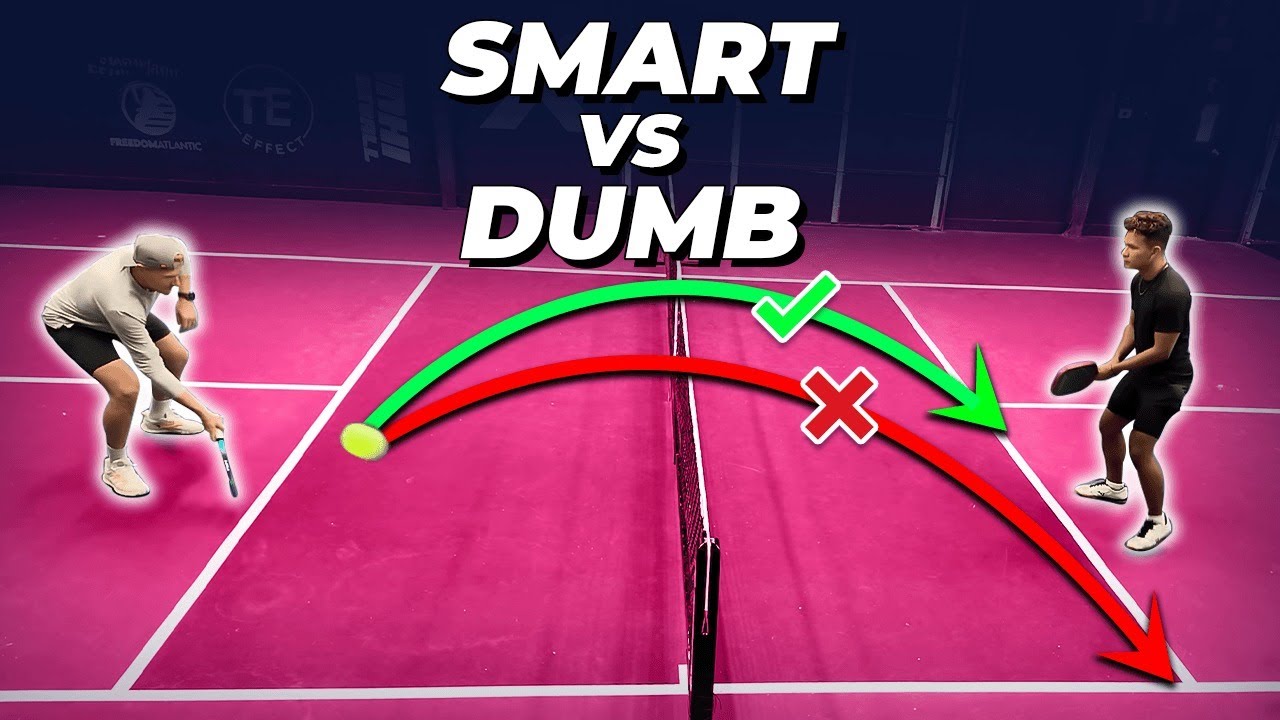
The Kitchen Is Where Pickleball Dink Matches Are Won
Here’s the reality: most pickleball points are decided at the kitchen line. The player who controls the kitchen controls the point.
And the player who controls the kitchen is the one with the best dinking skills.
You can have a great serve. You can hit powerful forehands and backhands. But if you can’t dink, you’re going to lose to players who can. It’s that simple.
According to NBC Sports, the rise of elite soft game play has become the defining characteristic of professional-level pickleball in recent seasons, with kitchen control increasingly separating ranked competitors from recreational players.
The pickleball dink requires patience, precision, and practice.
It’s not exciting to drill. It’s not the kind of shot that makes you feel like you’re improving in the moment.
But over time, as you develop consistency and touch, you’ll notice something: you’re winning more points.
You’re frustrating your opponents. You’re controlling rallies. That’s the power of mastering the pickleball dink.
Kitchen Line Dominance: 5 Secrets From Pro Tyra Black
Tyra’s approach combines footwork, positioning, tactical dinking, and elite hand skills into a system that’s incredibly hard for opponents to break down.
How to Practice Pickleball Dink Techniques
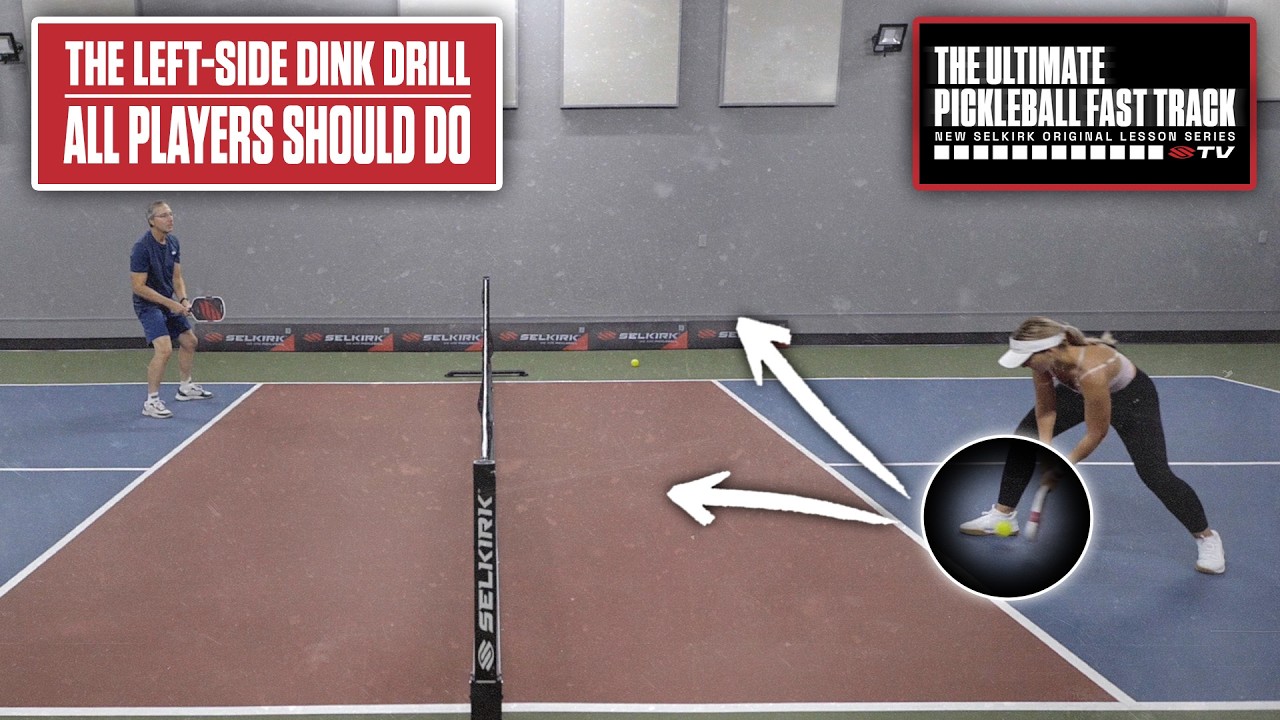
Start with the push dink. Get comfortable with the basic motion and footwork.
Once you can hit 20 push dinks in a row without missing, move on to the topspin dink. Focus on keeping that paddle tip down and maintaining contact.
Finally, practice the cup dink in game situations. It’s harder to drill in isolation because it’s typically used when you’re out of position.
Play points and consciously use the cup dink when you get pulled wide.
The 12 drills you need to play your best pickleball include targeted kitchen line repetition that accelerates the kind of muscle memory these shots demand.
The key is consistency. You’re not trying to hit winners with these shots.
You’re trying to keep the ball in play, keep it low, and force your opponent to make a mistake.
Building Smart Shot Decision-Making Alongside Your Dink Technique
Technique is only half the battle. Smart shot decisions beat power in every advanced pickleball match.
As you drill these three dinks, start layering in the mental side of when to use each one.
Developing faster hands at the kitchen complements everything you’re building here.
When your hands are quicker, you can execute each dink variation with less margin for error and more intent behind every shot.
As ESPN’s pickleball coverage has noted, the soft game is now the battlefield where elite matches are consistently decided, underscoring why developing all three dink variations is non-negotiable for competitive players.
💡
Frequently Asked Questions
What is a pickleball dink and why is it important?
A pickleball dink is a soft, controlled shot hit from near the kitchen line that lands inside the opponent’s no-volley zone. It’s the foundational skill of kitchen line play because it forces opponents into defensive positions and controls the pace of the rally.
What’s the difference between a push dink and a topspin dink in pickleball?
The push dink is a neutral shot where you push the ball forward using your legs and shoulder rotation. The topspin dink involves dropping your paddle tip and brushing upward on the ball to generate spin, causing the ball to dip faster and harder after crossing the net.
When should I use the cup dink during a pickleball match?
Use the cup dink when you’re stretched or pulled out of position by a wide shot. It allows you to stay facing the court while scooping the ball across your body, keeping you in a defensive-ready stance without exposing your back to your opponent.
How do I know if I’m generating real topspin on my pickleball dink?
A properly executed topspin dink will cause the ball to roll forward after it lands in the kitchen. If the ball catches the net cord, it should roll over to the other side rather than bounce straight up. That forward roll is your confirmation that real topspin was applied.
How long does it take to master all three pickleball dink techniques?
Most players can develop basic push dink competency within a few weeks of consistent drilling. The topspin dink and cup dink take longer because they require specific muscle memory and situational awareness. True mastery of all three typically takes months of regular practice and match experience.
Nguồn: thedinkpickleball