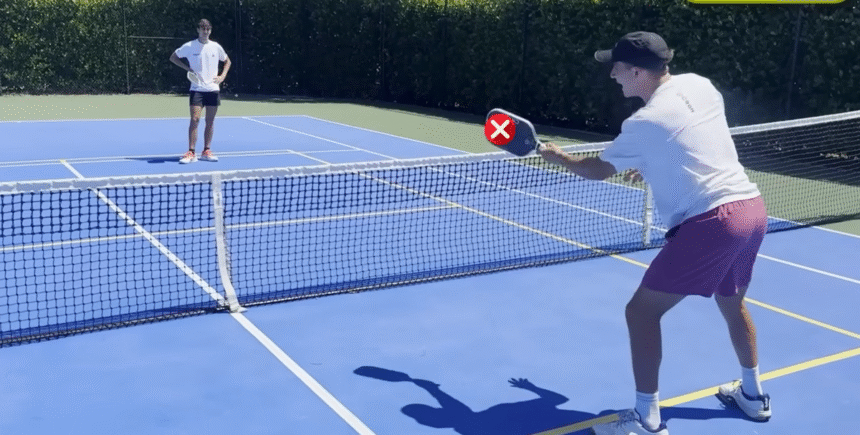
Most 4.0 pickleball players already have the shots. The real problem is pickleball decision making, pressure management, and knowing when to use the right tool.
You’ve got the shots. Your forehand is solid. Your backhand volley is clean. Your third shot drop lands soft. So why can’t you break through 4.0?
The answer isn’t about adding new techniques to your arsenal. It’s about pickleball decision making.
According to APP pro Tanner Tomassi, most players stuck at the 4.0 level already possess the technical skills needed to compete at 4.5 or 5.0.
The gap isn’t mechanical. It’s mental.
“The issue is the players at the 4.0 level are never exposed to what those differences are,” Tanner explains in a recent video breaking down the exact five reasons why 4.0 players struggle to advance.
The problem comes down to a few minor tweaks in how you think about the game, not how you swing.
Love pickleball? Then you’ll love our free newsletter. We send the latest news, tips, and highlights for free each week.
1. Pickleball Decision Making in Dink Rallies: The Wide Pull
Your opponent hits an aggressive ball to your forehand side, pulling you off the court. Your instinct? Hit it back crosscourt. Wrong move.
“That’s the worst thing you can do,” Tanner says. Instead, cut it off and go to the middle of the court.
Neutralize the rally immediately. By going back crosscourt, you’re playing into their aggression and giving them another chance to attack.
This is a fundamental pickleball decision making principle: when pulled wide, always reset to the middle.
It’s the safest, smartest play. Players who’ve studied the four key strategies to winning in 2026 already know this instinctively.
The ones who haven’t are the ones still feeding their opponent’s attack.
Why the Crosscourt Response Costs You
Going back crosscourt from a wide pull is one of the most common shot selection errors at the 4.0 level.
You’re traveling further, hitting at a worse angle, and handing momentum straight back to your opponent.
The middle reset, by contrast, forces your opponent to reorganize. It slows the point down and gives you a chance to recover your position.
That’s smart court management, not passive play.
💡
2. Midcourt Positioning: Pickleball Decision Making on Reset vs. Attack
You’re uncomfortable in the midcourt, so your brain screams “attack every ball.” You rip forehands from your feet. You never reset. You miss half of them.
The real rule is simple: if the ball is at your knees or below, reset it. If it’s above your knees, attack.
That’s it. Most players get this backwards because they’re uncomfortable with the midcourt position and want to escape it fast.
Understanding when to reset versus when to attack is one of the biggest gaps between 4.0 and 5.0 players.
This is where in-game shot selection becomes its own skill.
Getting comfortable with the transition zone is essential for any player chasing a simple 4-step system to win more pickleball games in 2026.
Most players never slow down enough to realize they’re making this mistake on every other point.
The Cost of Midcourt Panic
Attacking low balls from the midcourt is one of the clearest signs of poor pickleball decision making under pressure.
The ball is below net level, your paddle face is compromised, and you’re off-balance. You’re handing points away.
Reset first. Regain the kitchen line. Then attack from a position of control.
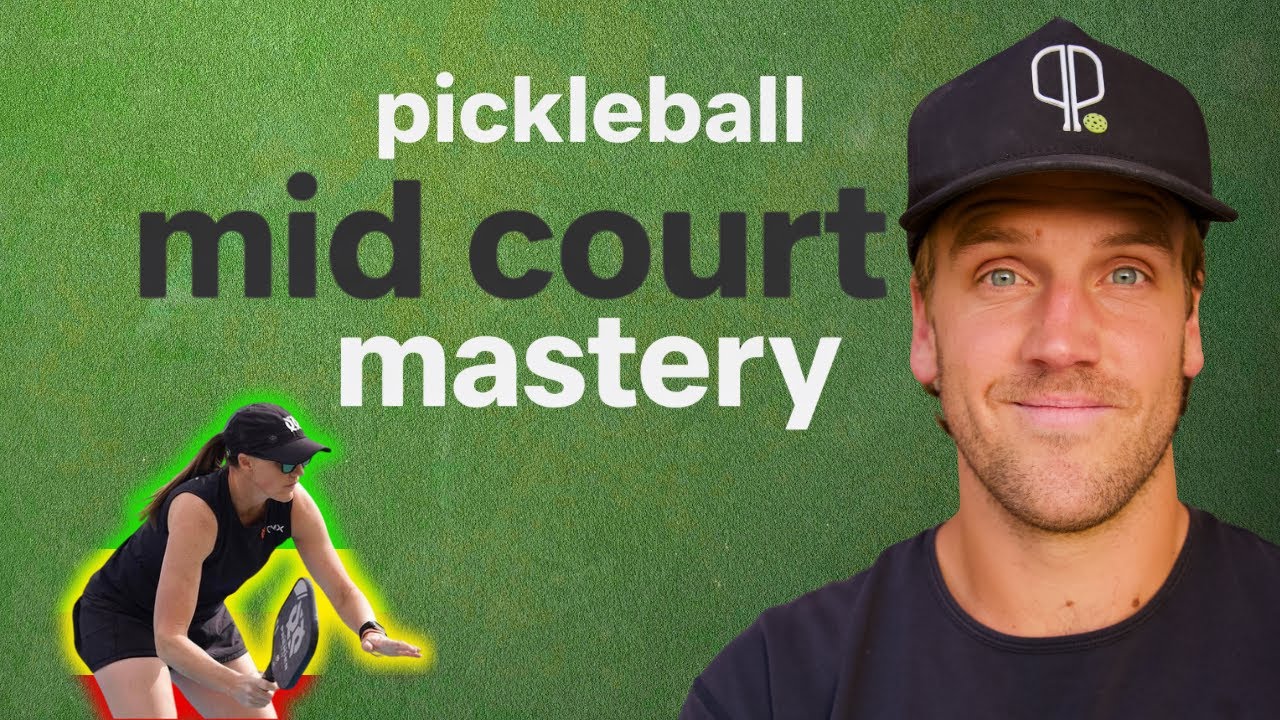
Master the Midcourt Transition in 3 Steps
The midcourt is where most amateur pickleball players lose points. Learn the 3 essential steps to master the midcourt transition and dominate the kitchen line.
3. Panic Speeding: Control Before Aggression
You’re in a dink battle at the kitchen line. The rally goes on and on. You’re getting nervous. So you speed up the ball to end the point.
But here’s the thing: you’re not in control of your body. You’re off-balance. You’re panicking.
When you speed up from that position, your opponent has an easy put-away. Only speed up the ball when you’re in full control of your body and set.
That way, you can follow up the next shot and stay aggressive.
This is one of the most misunderstood aspects of advanced shot selection in pickleball. The speed-up is a weapon, but only when timed correctly.
If you want to learn how the pros are actually using these shots, why professional pickleball players abandoned the slice shot in 2025 is worth your time.
Tempo and timing beat raw aggression every single time.
When the Speed-Up Becomes a Liability
The panic speed-up happens because players confuse urgency with opportunity.
Just because you’re in a long rally doesn’t mean the moment is right to attack.
Tanner’s rule is clean: if you can’t follow up the next shot, you weren’t ready to speed up in the first place.
Patience in dink exchanges is a form of pickleball decision making. Most 4.0 players have never framed it that way.
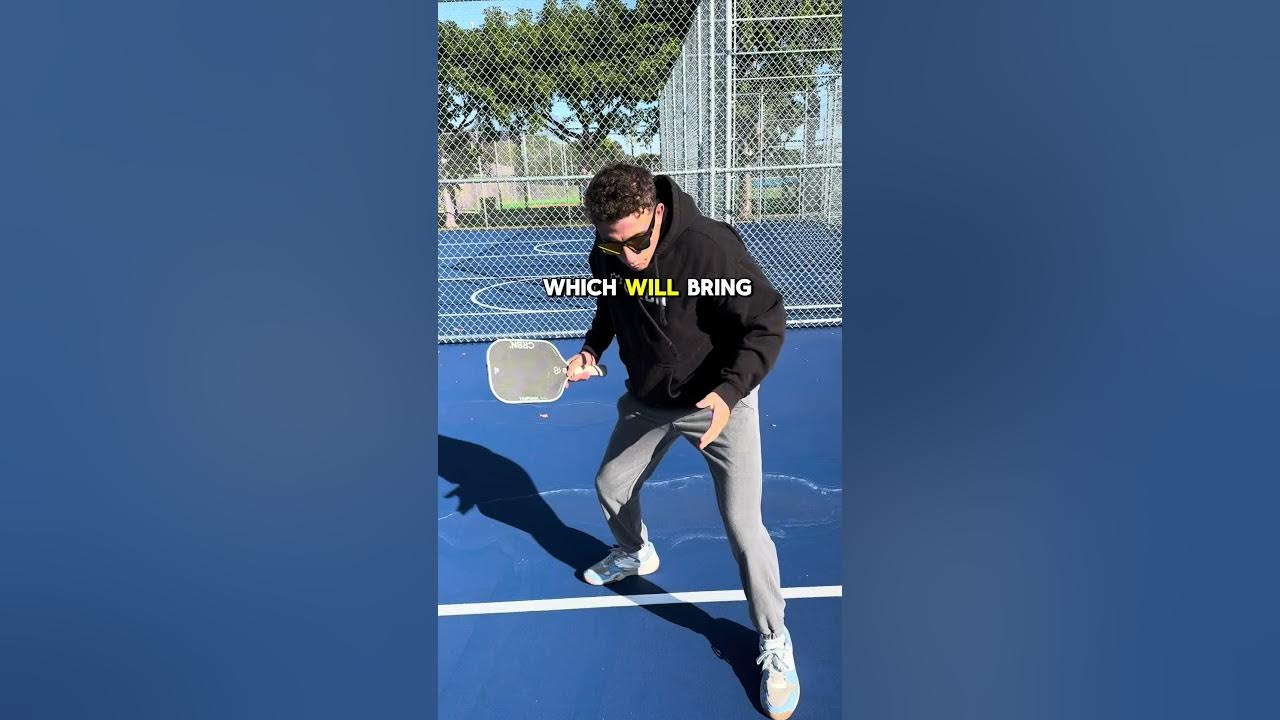
3 Mistakes Killing Your Pickleball Serve Power
Most pickleball players are unknowingly sabotaging their pickleball serve power with three critical mistakes. Fix your shoulders, hips, and ball placement to generate explosive power on every serve.
4. Applying Pressure at the Kitchen Line: Pickleball Decision Making Under Fire
There’s one skill that gets ignored at every level except the pro level: applying pressure to keep opponents away from the kitchen line.
When your opponent tries to advance to the kitchen, you should be doing everything in your power to keep them back.
But most amateur players don’t. They let opponents get to the line easily, and there’s no pressure at all.
The mistake? Using your wrist to keep them back. Your wrist is a small muscle. It can’t generate power.
So you end up doing what Tanner calls a “baby flick,” and your opponent defends it all day.
The solution is a two-part technique:
- For balls at net height: Close off your paddle face and swing from low to high on the same side of your body using your shoulder. This creates topspin and keeps the ball low and hard. Your opponent can’t advance.
- For balls at chest height: Use the forehand slap. Set your paddle without taking it back. Swing across your body (not high to low, which goes into the net). Keep your arm loose, like you’re whipping a towel. The result is an absolute missile that your opponent can’t handle.
This two-shot framework is exactly the kind of structured approach that separates 4.0 from 5.0 players.
If you want to sharpen both tools, the 6 essential pickleball shots to master for 2026 covers these mechanics in depth.
Developing this part of your game is non-negotiable if you want to level up.
Why Your Wrist Is Costing You at the Kitchen
Shoulder-driven shots produce power and consistency. Wrist-driven shots produce hope.
The “baby flick” might catch someone off guard once or twice at the 3.5 level, but at 4.0 and above, opponents will read it and neutralize it before you’ve even finished your swing.
The shoulder is the engine. The wrist is just along for the ride.
Kitchen Line Aggression: When to Attack in Pickleball
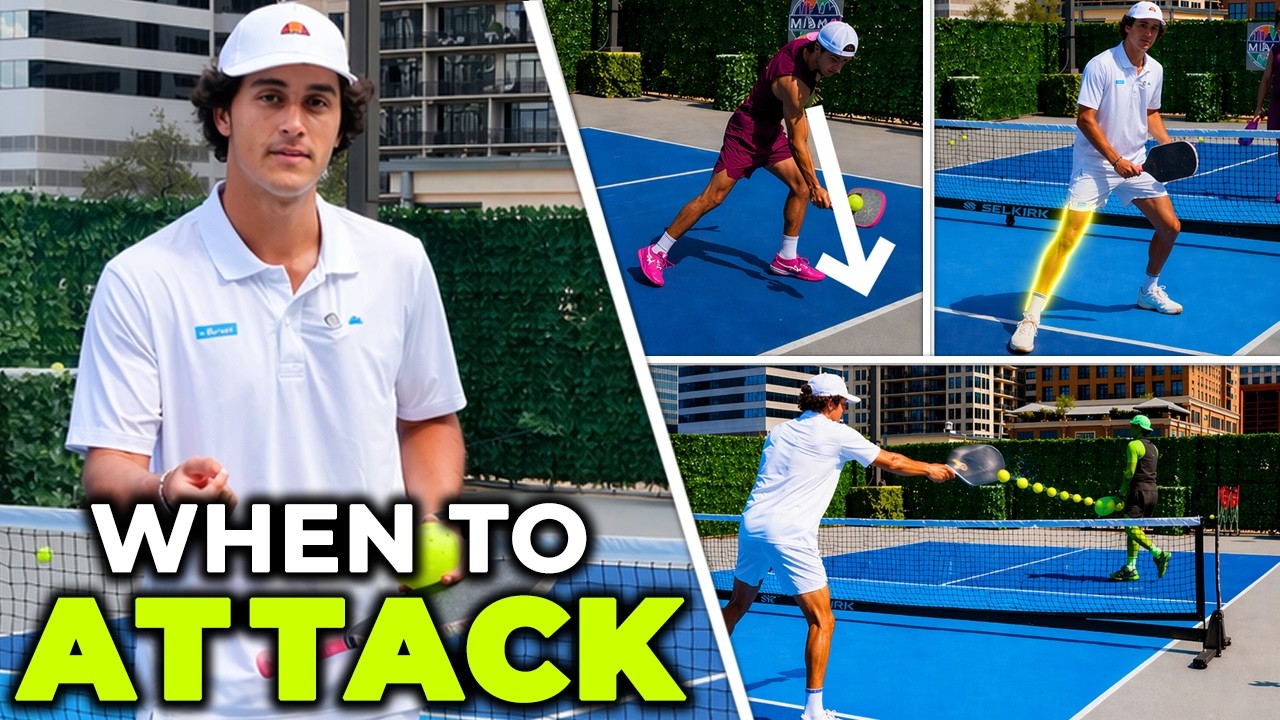
Jack Munro, the #1 player on the APP tour in mixed and men’s doubles, breaks down the exact signals that tell you when your opponent is vulnerable and ready to be attacked.
You’ve heard it a thousand times: footwork is important. But most players don’t actually understand what that means.
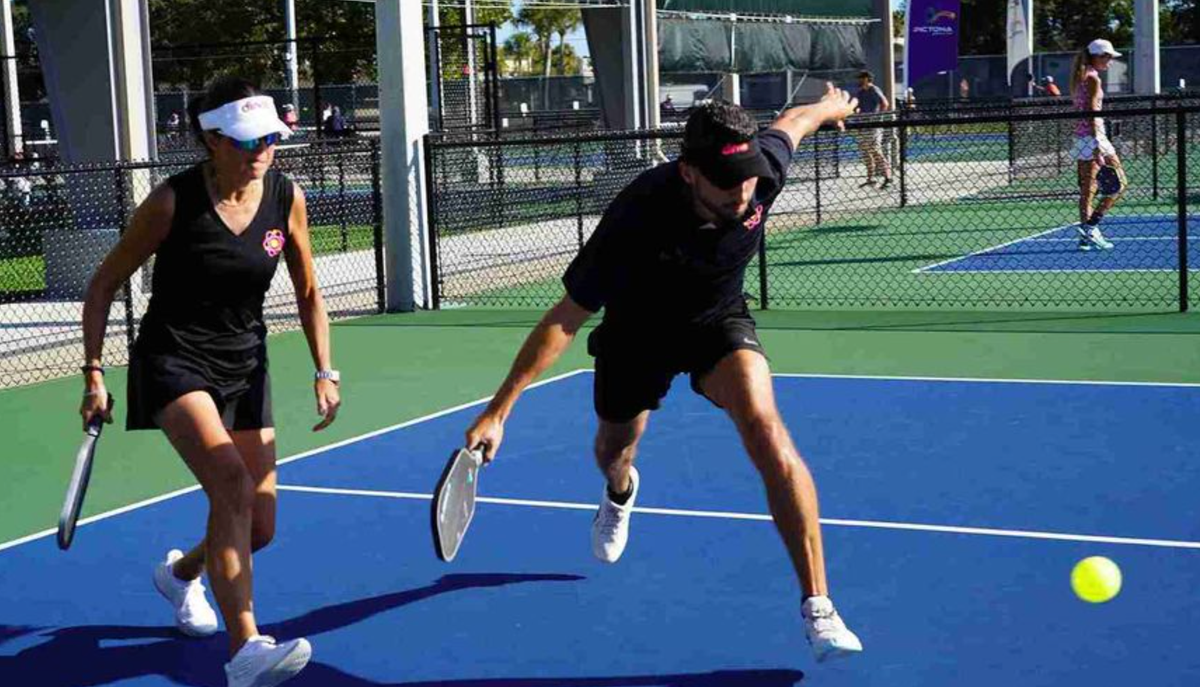
When you’re dinking, you need to make it more physical than it has to be. That means taking multiple steps to get to every ball.
Not standing in cement. Not reaching. Moving. Tanner points to pro player Hayden Patriquin as an example.
When he’s dinking, he’s constantly moving around. It adds deception, sure.
But more importantly, it puts your body weight behind the ball instead of forcing you to reach.
Good footwork isn’t just about speed.
It directly improves your pickleball decision making because you’re arriving at the ball in position to make the right choice rather than scrambling to make any choice.
If you’re looking for a structured practice approach, the 12 drills you need to play your best pickleball in 2026 should be your next stop.
The Third Shot Drop Secret Nobody Talks About
There’s also a secret that Tanner uses on all his third shot drops: stay low with your knees throughout the entire shot.
Most players rise up as they hit the drop, which creates inconsistency. When you’re stressed or in a tight match, that rising motion causes you to miss.
Instead, exaggerate staying below the ball. Hit the drop. Stay low. Then go. That’s the sequence. It sounds simple. It’s harder than it looks.
But it’s one of those tiny mechanical adjustments that produces outsized results at the competitive level.
How to Improve Pickleball Footwork: 5 Pro Drills
Pickleball footwork drills are the fastest way to close the gap between your shot-making ability and your actual on-court results. Here are five drills that competitive players use to move faster, recover quicker, and stop giving away free points.
Creating Attackable Balls at the Kitchen Line
Knowing the right balls to attack at the kitchen line is a super important skill. It’s not about attacking every ball. It’s about attacking the right ones.
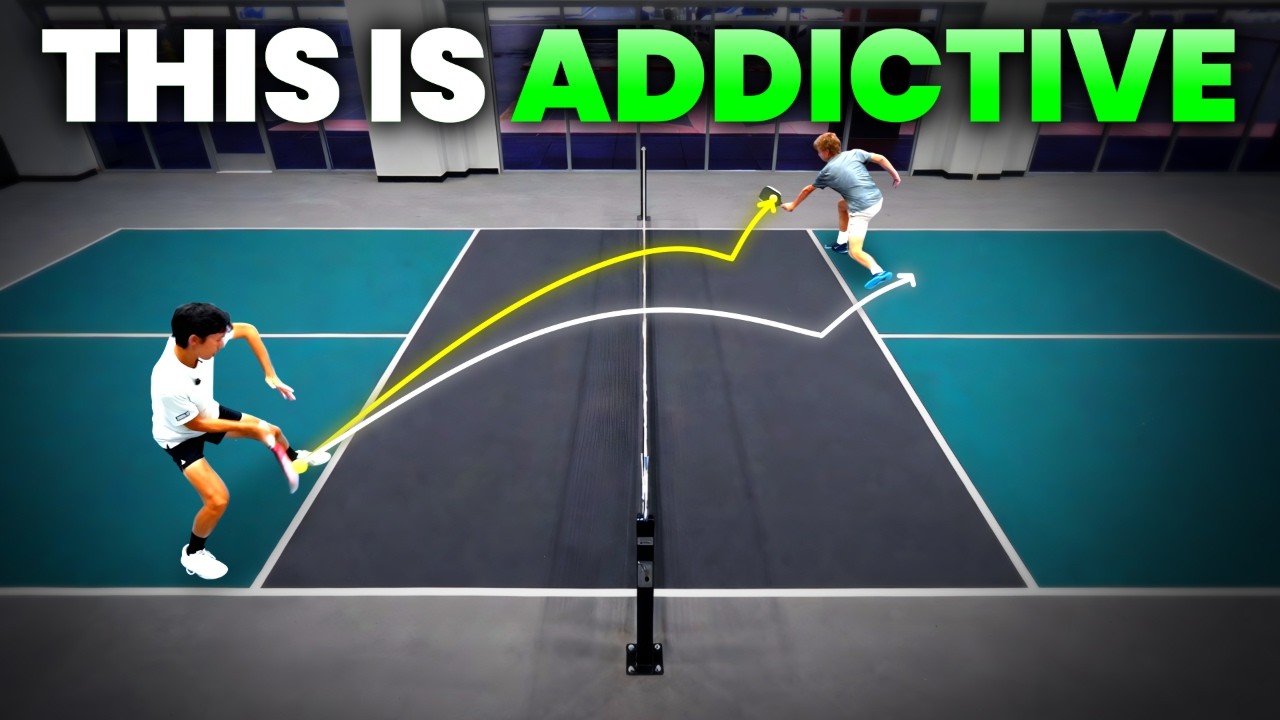
The broad strategy is this: after you hit an aggressive dink, lean in after it and capitalize.
If your opponent can’t handle the aggression, they’ll pop it up. If they don’t, you take it out of the air and roll it to a corner.
Either way, they’re on ice skates until you earn that pop-up.
The key is the reach bump technique. When you lean into the kitchen, keep a limp wrist but stay tight.
Use your shoulder to bump the ball, not your wrist. And here’s the thing: use all backhands.
If you prioritize the forehand, you can’t cover the middle or the other side.
This shot is super versatile and deceptive. You can pop it out of nowhere, and your opponent won’t see it coming.
For 4.0 players learning to manufacture pressure, this is one of the 5 secrets that will get you from 4.0 to 5.0 fast.
Reading the Rally Before You Attack
Smart attackers don’t just wait for the pop-up. They engineer it. A well-placed, angled dink forces a defensive response.
That response becomes the ball you attack.
This is pickleball decision making at its highest level. You’re not reacting to what’s happening. You’re controlling what happens.
Advanced Pickleball Attacking Strategy at the Kitchen Line
There are only three ways to attack at the kitchen line in pickleball. From speed ups off the bounce to reaching in for air attacks, here’s what separates the winners from the rest.
Off-Ball Pressure: The Overlooked Advantage
This is the final piece of the puzzle, and it’s about pressure you create without even hitting the ball.
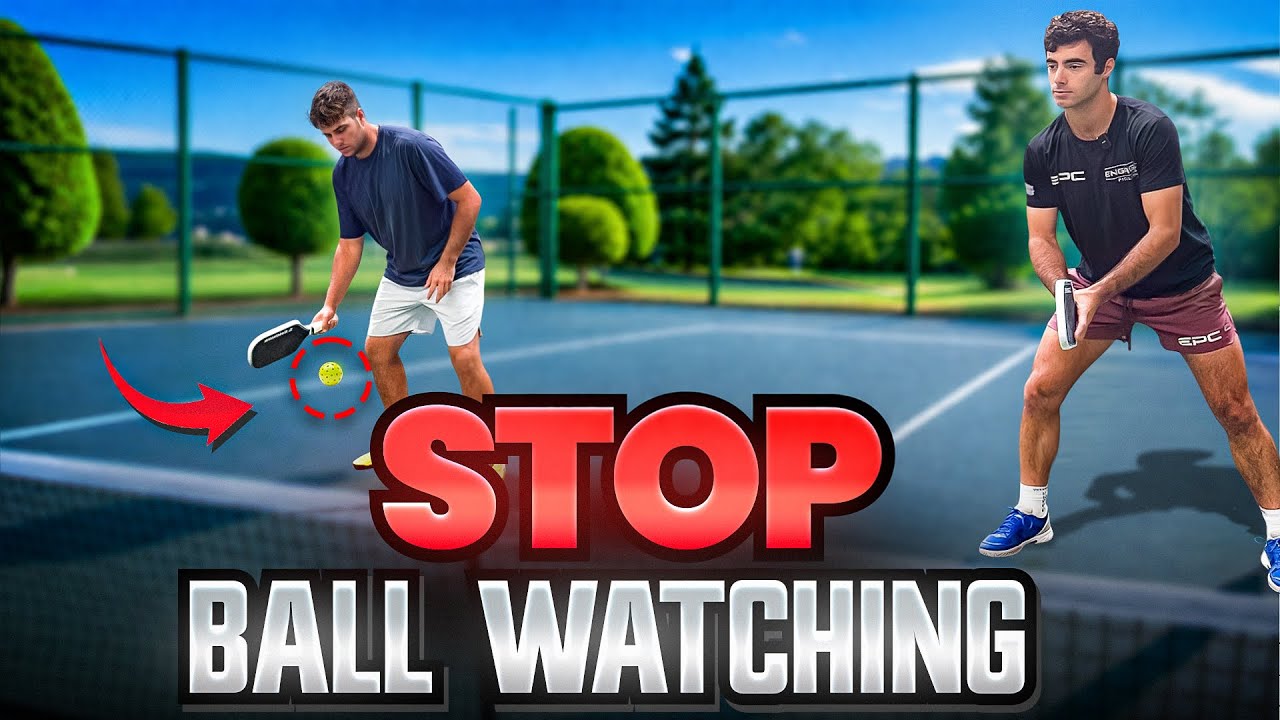
When your partner hits a third shot drop, where are you? Most players just stand back and watch. But that creates zero pressure.
Your opponent feels no threat. Instead, be two steps in and looking at your partner. Gauge the ball off their paddle.
If they hit a good drop, immediately go to the line and apply pressure. If they hit a bad drop (too high), come back on defense.
The mistake everyone makes is not looking at their partner at all. They just stand there, and then they get smashed if the drop isn’t perfect.
This is called off-ball pressure, and it’s one of the most important concepts in doubles pickleball.
You’re not hitting the ball, but you’re making your opponent feel your presence.
That presence can lead to an error or a pop-up.
If you want to see how this fits into a larger doubles framework, how to break 5.0 with the shots you must master before 2026 connects all of these concepts in one place.
Off-Ball Positioning in Pickleball: Stop Ball Watching
Most pickleball players think the point is decided by whoever hits the ball, but at higher levels, off-ball positioning is what actually controls the court. Master this skill and you’ll transform how you play at the net.
The Bottom Line
The gap between 4.0 and 5.0 isn’t about having better shots. It’s about making better decisions under pressure.
Master these five concepts, and you’ll be well on your way to breaking through.
💡
Frequently Asked Questions
What is pickleball decision making and why does it matter?
Pickleball decision making refers to the in-game choices a player makes about shot selection, court positioning, and timing. It matters because most 4.0 players already have the technical skills to compete at a higher level — the gap is almost entirely about making smarter, faster decisions under pressure.
How do I know when to reset versus attack from the midcourt?
The rule is straightforward: if the ball is below your knees, reset it; if it’s above your knees, attack. Most 4.0 players get this backwards by trying to attack low balls out of panic. Resetting first from the midcourt lets you regain the kitchen line and attack from a stronger position.
Why do my speed-ups keep getting attacked back at me?
You’re speeding up from an off-balance or uncontrolled position. Speed-ups only work when you are fully set and in control of your body. If you can’t immediately follow up the next ball after speeding up, you weren’t ready to pull the trigger in the first place.
What is off-ball pressure in pickleball doubles?
Off-ball pressure is the threat you create by moving toward the kitchen line while your partner is hitting, rather than standing still and watching. It forces your opponents to account for your positioning even when you’re not striking the ball, which can lead to errors and forced pop-ups.
Good footwork gets you to the ball in a balanced, controlled position rather than forcing you to reach or improvise. When you arrive early and balanced, you have more time to read the situation and execute the correct shot. Poor footwork compresses your decision window and leads to reactive, low-percentage choices.
Nguồn: thedinkpickleball