Knowing how to hit a dink shot in pickleball is the single fastest way to move from recreational player to someone opponents actually fear at the net. This guide breaks down grip, arc, stance, and placement so your dinking game stops being a liability and starts winning you rallies.
Knowing how to hit a dink shot in pickleball separates the grinders from the players who still think power wins every rally. It doesn’t. The dink does.
A well-placed dink forces your opponent to lift the ball, which hands you the attack opportunity.
A poorly executed dink sits up like a batting practice pitch and gets hammered back at your feet.
The difference between those two outcomes is technique, and that’s what we’re going to fix.
Love pickleball? Then you’ll love our free newsletter. We send the latest news, tips, and highlights for free each week.
What Is a Dink Shot in Pickleball?
A dink is a soft, controlled shot hit from at or near the non-volley zone (NVZ) line that lands in the opponent’s NVZ. That’s the textbook definition.
Here’s the real one: it’s a patience shot disguised as a technique shot.
Understanding how to hit a dink shot in pickleball properly starts with accepting that definition: it’s a setup tool, not a finishing weapon.
The goal isn’t to win the point with the dink. The goal is to keep the ball low, force your opponent into a difficult position, and wait for the pop-up that lets you attack.
Think of it as setting up the kill shot rather than being the kill shot itself.
JW Johnson’s unusual dinking technique is a perfect example of how pros bend the form to match their game, but you have to understand the fundamentals before you start bending anything.
How to Hit a Dink Shot in Pickleball: The Mechanics That Actually Matter
Get Your Grip Pressure Right
This is where most recreational players go wrong first. They grip the paddle like they’re wringing out a wet towel. The result is a stiff wrist, dead feel, and zero ability to absorb pace. Grip pressure should sit around a 3–4 on a scale of 10. You want a firm enough hold to control the paddle face but loose enough to feel the ball make contact.
Letting your paddle do the work starts with grip. A relaxed grip lets the paddle flex naturally through contact, which is what gives dinks that silky, low trajectory that drives opponents crazy.
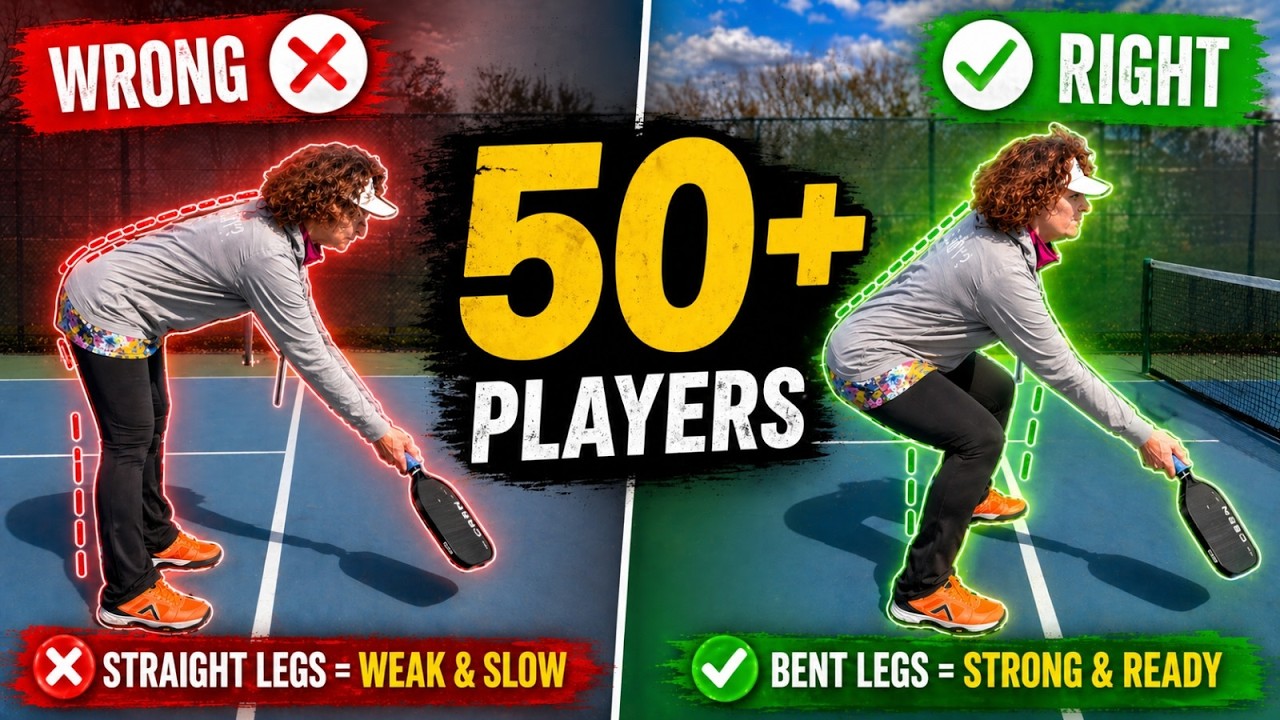
Bend at the Knees, Not the Waist
Your posture sets everything else up. If you’re bending at the waist to reach low balls, you’re going to shank more dinks than you land. Get your hips down, keep your back relatively straight, and let your knees do the work. It’s a squat, not a bow.
This low, balanced stance also lets you react at the kitchen line without getting caught flat-footed. You want to be coiled and ready, not stretched and scrambling.
Where You Make Contact Matters More Than How Hard You Swing
Contact point is probably the most undercoached element of the dink. You want to meet the ball out in front of your body, roughly between your hip and your lead foot. Contact too far back (beside or behind your hip) means the paddle face is opening up, which sends the ball sky-high. Contact out front means you can see the paddle face, guide the shot, and keep that arc compressed.
The swing itself is minimal: a short, pendulum-style motion from the shoulder, not a wrist flick or a full forearm swing. Pickleball’s hardest dinking drill specifically trains this contact consistency by forcing you to hit 50 crosscourt dinks in a row without an error. Brutal. Effective.
💡
Why the Arc Is Everything (And How Low Is Low Enough?)
The ideal dink arc clears the net by 2 to 4 inches. Not 2 to 4 feet. Inches.
That low trajectory accomplishes two things: it keeps the ball below your opponent’s waist on their side of the net, and it removes the upward angle they’d need to attack.
Anything that clears the net by more than 6 inches starts to become attackable by a player who knows what they’re doing.
Anything that hits the net is, obviously, an error. The margin is tight. That’s the point.
Understanding when to drive versus drop is a related skill worth developing alongside your dink, because the decision-making between these two shots is constant in competitive play.
Research published in the Journal of Sports Sciences consistently shows that net clearance and shot placement are the primary determinants of rally control in net-dominant racquet sports, pickleball included.
The lower and more precise you can keep the ball, the more your opponent has to work.
How to Dink in Pickleball: Ultimate Step-by-Step Guide 2026
Learn how to dink in pickleball step-by-step with expert tips for beginners to advanced players. Master 5 dink types (topspin, slice, reset, volley, short hop), advanced NVZ strategy, 30-day drills, and fix common mistakes fast. Updated June 2026 with pro trends.
How to Hit a Dink Shot in Pickleball: The Crosscourt Advantage
Why Crosscourt Dinks Are the Percentage Play
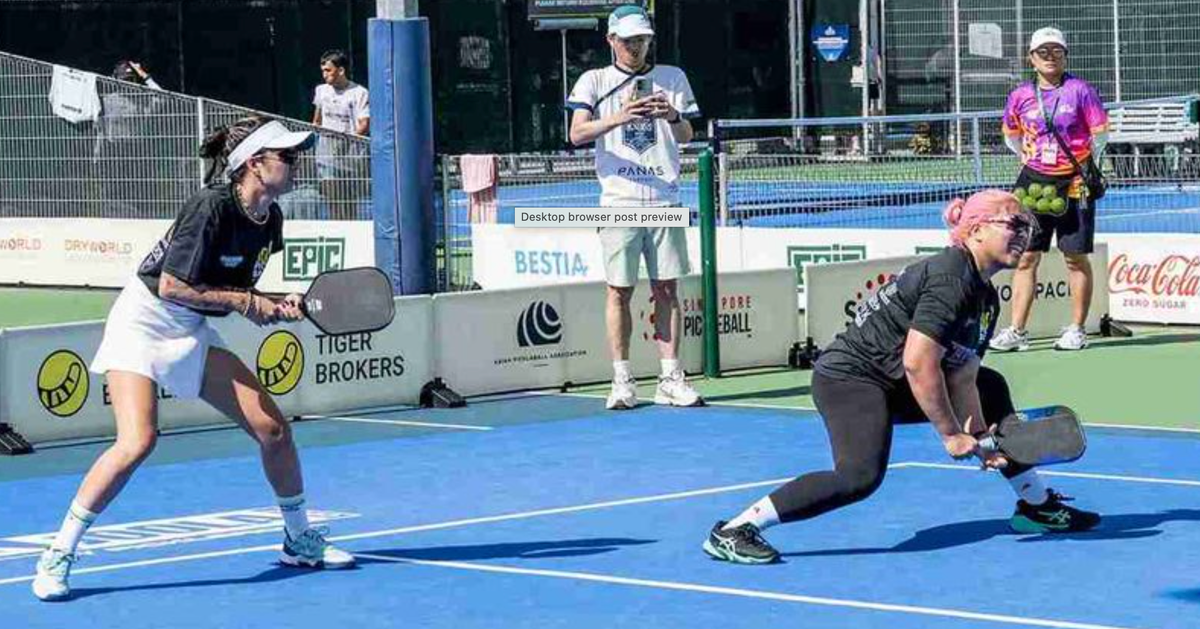
Cross-court dinking is the most reliable pattern in pickleball for three reasons. First, you’re hitting over the lowest part of the net (the center is 34 inches; the sidelines are 36). Second, the diagonal distance gives you more court to land the ball in. Third, it pulls your opponent wide, which opens up the middle on the next shot.
The go-to slice dink is a variation that adds backspin to make the ball skid low and slow on the opponent’s side, turning an already hard shot to attack into a nearly impossible one. Add it to your repertoire after you’ve got the standard crosscourt dink on lock.
When Should You Go Down the Line?
Down-the-line dinks are higher risk, higher reward. You’re hitting over the higher part of the net, with less court to land in. They work best as change-up shots when you’ve established a crosscourt pattern and your opponent starts cheating toward the line. If you go down the line on your first dink in a rally, you’re gambling. Pulled wide off the NVZ by an aggressive down-the-line? That’s where points go to die.
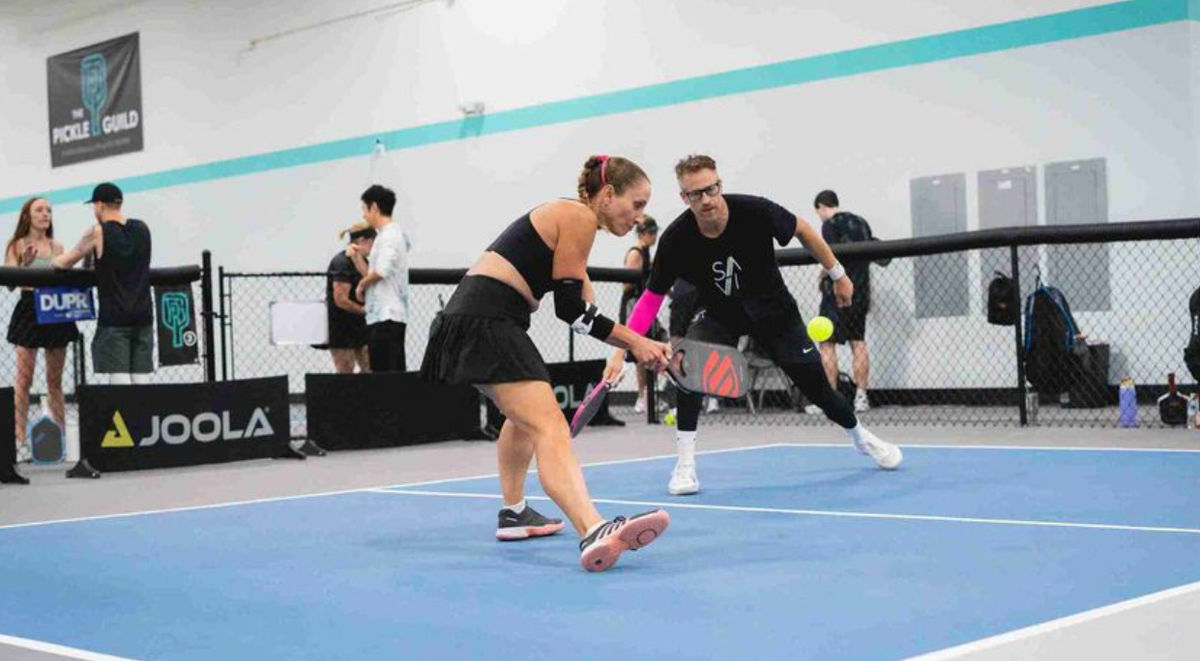
How to Dink in Pickleball: A Step-by-Step Guide
Learn how to dink in pickleball step by step, from proper grip and footwork to advanced strategy and drills that help every level improve at the kitchen line.
The Soft Game: What “Soft Hands” Actually Means
“Soft hands” is one of those phrases coaches use constantly without explaining it.
It’s also the most important feel element in how to hit a dink shot in pickleball that doesn’t make it back off the net.
Here’s the plain version: soft hands means your arm and wrist absorb the pace of an incoming shot rather than pushing back against it.
When a fast ball comes at you and you punch it, you get a fast ball back. When you absorb it and redirect with a short swing, you get a soft dink back.
This is especially critical when opponents try to speed the ball up to break out of a dinking exchange.
The reset, sometimes called the dink reset or defensive dink, is the skill of taking a hard shot and laying it back softly in the kitchen.
Resetting better is a whole skill set on its own, but it starts with the same soft-hands mechanics that underpin every good dink.
According to NSCA-certified sports performance research, proprioceptive hand sensitivity (the ability to feel and respond to ball contact through the grip) is significantly developed through deliberate low-pace drilling.
In short: you build soft hands by practicing slow, not by hitting harder.
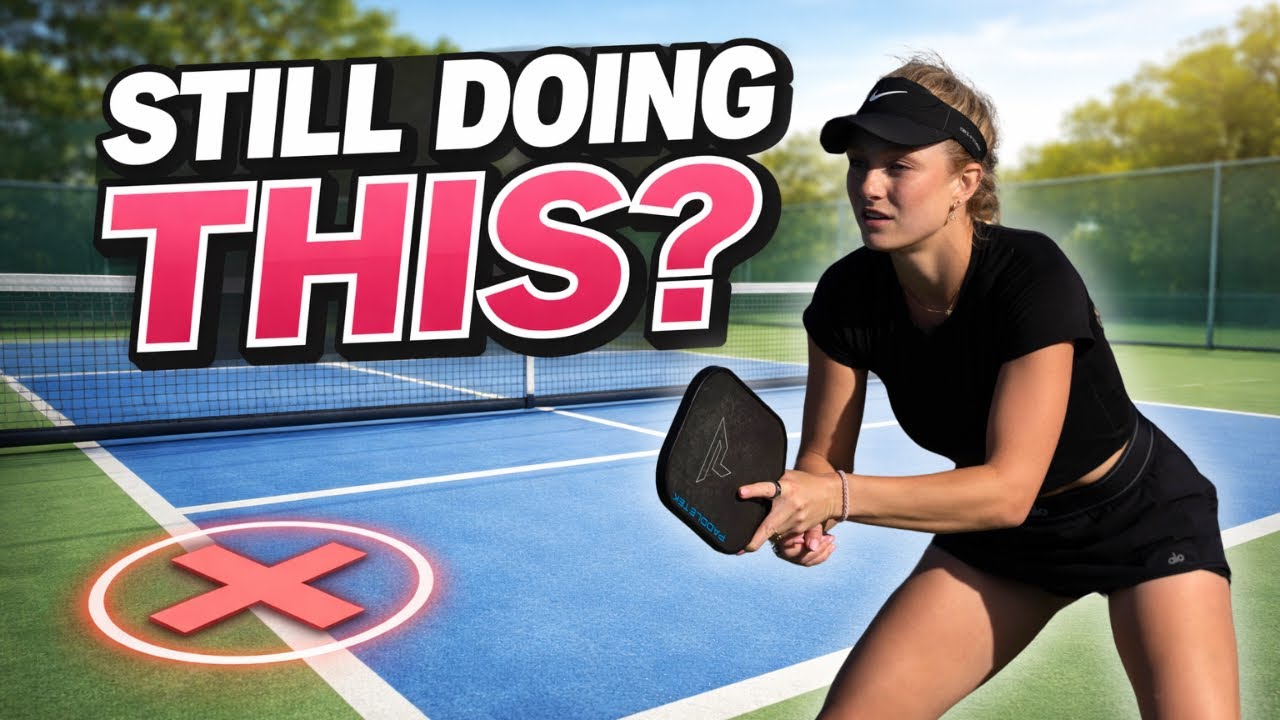
Master Your Pickleball Soft Game Like a Pro
Your pickleball soft game might be sabotaging you without you even knowing it. Here’s how to fix it and start winning more points immediately.
How to Hit a Dink Shot in Pickleball With Consistency Under Pressure
Technique alone doesn’t win dink battles. Composure does.
Most unforced dinking errors happen because a player gets impatient after 6 or 7 exchanges and tries to end the rally early with a speed-up that isn’t actually attackable.
They’re not reading the ball; they’re reading the clock in their head.
Advanced shot selection in pickleball is largely about knowing when not to attack.
The speed-up only makes sense when the opponent’s dink sits up above net level and you can drive down into the court. Everything else? Keep dinking.
The figure-8 drill is one of the best ways to build dinking consistency with a partner.
Two players dink crosscourt, then move their pattern diagonally to the other side of the court in a figure-8 motion.
It forces quick footwork, constant readjustment, and sustained soft-game focus. Painful in practice, game-changing in matches.
For solo work, solo pickleball drills include wall dinking exercises that build repetition without needing a partner.
How to Dink Consistently in Pickleball: Technique Fixes
Learning how to dink consistently in pickleball is the single fastest way to stop losing rallies you should be winning. This guide breaks down the exact technique fixes for forehand and backhand that most players overlook.
Putting It All Together: A Simple Dinking Checklist
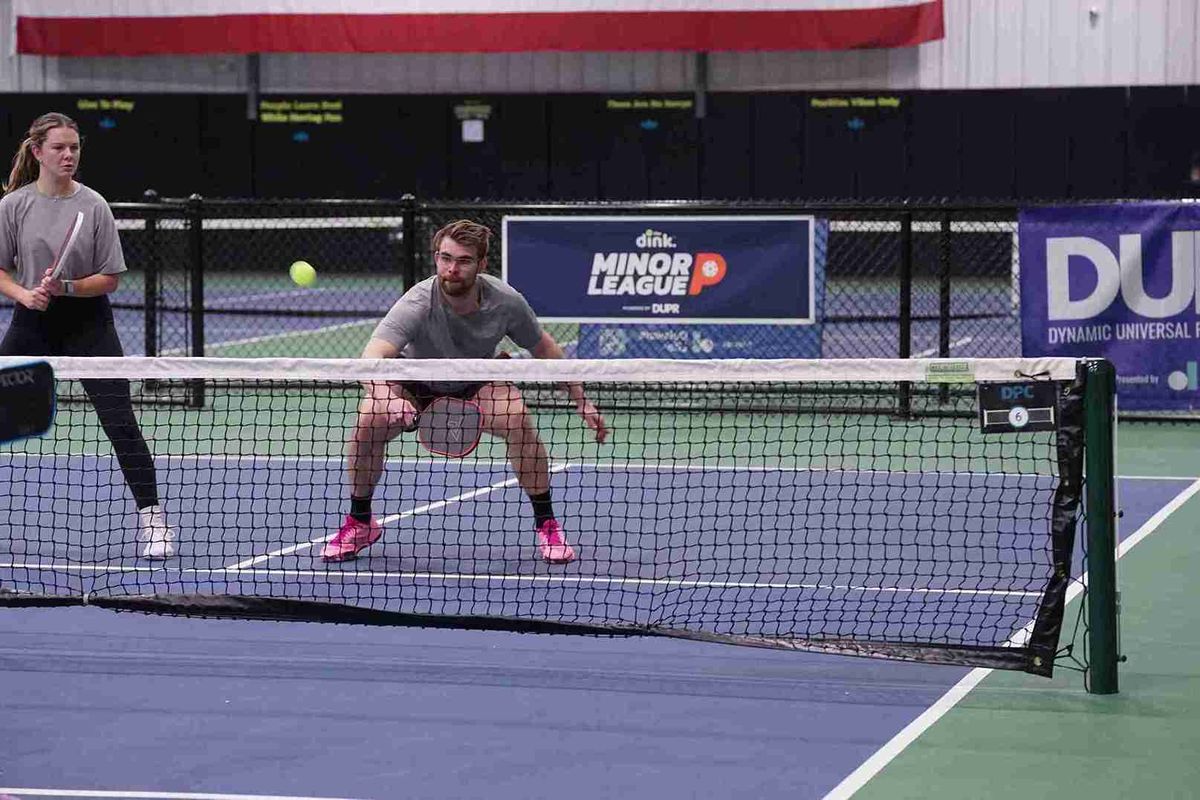
Before each dink exchange, run through these.
Knowing how to hit a dink shot in pickleball consistently comes down to checking these six things every time until they become automatic:
- Paddle up and in front: not down by your side
- Knees bent: weight forward on the balls of your feet
- Grip loose: think handshake, not death grip
- Eyes on the ball: watch it to the paddle face
- Short swing: shoulder leads, wrist stays quiet
- Arc low: aim for 2–4 inches over the net, landing in the opponent’s NVZ
If one of those breaks down in a rally, that’s your error source. Identify it and drill it.
The backhand volley side is where most players’ dink technique deteriorates first. Check that side specifically.
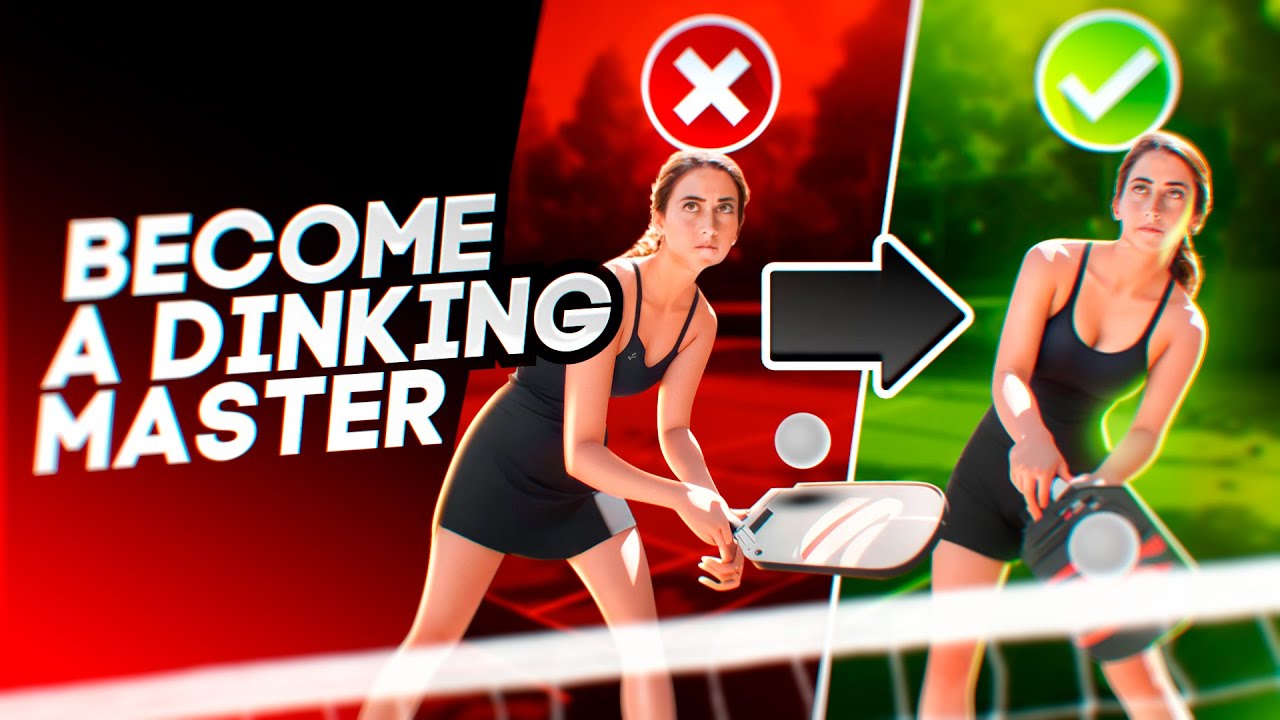
Pickleball Dinking Technique: The Complete Beginner’s Guide
This guide breaks down everything you need to know about proper dinking form, grip, stance, and drills to dominate at the kitchen line.
Dink Shot Variations Worth Learning
Once you understand how to hit a dink shot in pickleball with reliability, a few variations give you genuine weapons at the net:
- The topspin dink: A slight upward brush at contact dips the ball faster after it clears the net. Harder to execute, but harder to read.
- The slice dink: Backspin keeps the ball low and slow. Great for disrupting opponents’ rhythm.
- The body dink: Aimed at the opponent’s hip or paddle shoulder, forcing a cramped, awkward swing.
- The erne setup dink: A crosscourt dink that pulls the opponent wide, setting up your sideline attack or Erne position.
Talking transitions covers how the dink game connects with the transition zone (the space between baseline and kitchen where most errors actually happen).
Pickleball Dinking Over 50: 3 Essential Tips for Seniors
The pickleball dink is the foundation of kitchen dominance, but most players over 50 are missing three critical pieces that separate consistent dinking from endless pop-ups. C.J. Johnson from Better Pickleball breaks down exactly what those pieces are and how to put them together.
Key Takeaways
- Keep the arc low: the ball should clear the net by 2–4 inches, not 12.
- Contact point is out in front of your body, not beside your hip.
- Soft hands mean absorbing pace, not going limp. There’s a difference.
- Crosscourt dinks travel over the lowest part of the net and buy extra court to work with.
- Consistency matters more than placement at any rating below 5.0.
💡
Frequently Asked Questions
How is a dink shot different from a drop shot in pickleball?
A dink shot is hit from the non-volley zone line and lands in the opponent’s NVZ. A drop shot (like the third shot drop) is hit from deep in the court, typically near the baseline, and also lands in the NVZ. If you’re learning how to hit a dink shot in pickleball, start with the crosscourt dink from the kitchen line before working on the third shot drop. Same destination, very different starting point. The third shot drop gets you to the kitchen; the dink keeps you there.
How do you hit a dink shot in pickleball without popping it up?
The most common cause of a dink that sits up too high is late contact. If you’re meeting the ball beside your hip instead of out in front, the paddle face opens and the ball goes up. Fix your contact point first. Then check your swing length: shorter is almost always better for dinks.
What grip should you use for a dink shot in pickleball?
Most players use a continental grip (also called the hammer grip) for dinks, since it works equally well on forehand and backhand sides without grip changes. Pressure should be light, around a 3 on a scale of 10. A tight grip kills feel and kills dinks. Forehand mechanics go deeper on grip positioning for both sides.
How often should you practice dinking to see real improvement?
Even 10–15 minutes of dedicated crosscourt dinking per session builds the muscle memory fast. The key is intentional reps, not just rallying. Set a target: 30 dinks in a row without an error. Then 50. Then 100. Pickleball’s hardest dinking drill gives you a structured progression to follow.
Can you attack off a dink or should you always dink back?
You can and should attack when the right opportunity appears: when your opponent’s dink floats above net height and you can drive it downward into the court. If the ball is below net level on your side, dink it back. Attacking a dink that hasn’t popped up is a low-percentage play. Patience is the strategy, not a fallback.
Nguồn: thedinkpickleball