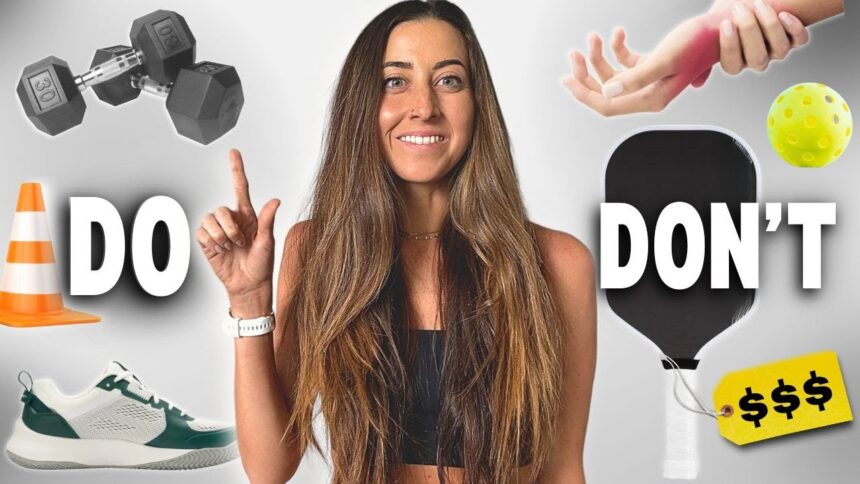
A 5.0 pickleball player shares 10 game-changing pickleball tips that took years to learn. From grip fundamentals to wrist strength, these insights will transform your game.
If you’re serious about pickleball, you’ve probably felt that frustration: you’re grinding, you’re practicing, but something’s holding you back.
Maybe your wrist hurts after matches. Maybe you’re slipping on the court. Maybe you’re not sure what to work on first.
The truth is, most beginners waste months or even years learning lessons the hard way when a few solid pickleball tips could accelerate their progress dramatically.
That’s exactly what All Things Pickleball, a YouTube channel run by a 5.0-level player, addresses in a recent video that’s already resonating with the pickleball community.
The creator walks through 10 pickleball tips that transformed her game, many of which contradict conventional wisdom in the sport. These aren’t generic pointers either; they’re specific, actionable, and grounded in real experience.
Love pickleball? Then you’ll love our free newsletter. We send the latest news, tips, and highlights for free each week.
1. The Grip Foundation – Why Grip Matters and the Three Essential Grips
Here’s something most beginners don’t realize: the way you hold your paddle can literally injure you. The creator of All Things Pickleball spent about two years playing before a wrist injury forced them to confront this reality. They came from a basketball and running background, which meant zero racket sport experience, and they picked up the paddle without any formal instruction on grip.
The solution? Master the three fundamental grips that pros rely on.
The Continental grip (also called the hammer grip) is your foundation. Imagine picking up a hammer; that’s the hand position. Your webbing sits on one side of the handle, giving you a neutral angle that transitions smoothly between forehand and backhand. This grip prevents wrist strain and is the most versatile option for beginners.
The Eastern grip feels like shaking hands with the paddle. It’s comfortable and offers solid control, though it produces less topspin. Many beginners gravitate here because it feels natural.
The Western grip (the frying pan grip) rotates your wrist further around the handle. It generates heavy topspin but sacrifices some control. This is typically a more advanced choice.
The key insight: pick one of these three and stick with it. Using a grip outside this framework is asking for trouble, especially as you increase your play frequency and intensity.
Here’s a pickleball tip that feels almost too simple to matter, but it genuinely improves every single shot you hit: keep your weight on the balls of your feet, not your heels.
If you come from a tennis background, you already know this. If you don’t, it’s a game-changer.
- When your weight is distributed forward, you’re faster, more explosive, and more balanced.
- When you sink into your heels, you’re slower to react and you often find yourself hitting off your back foot, which kills your power and consistency.
Think about it mechanically: the balls of your feet are your launch pad. They give you the ability to move side to side quickly and generate power through your legs. Your heels are anchors. They lock you in place.
The All Things Pickleball creator emphasizes that this single adjustment, combined with a slight forward lean and a split-step between shots, transforms your movement on the court. You’ll feel more ready for anything your opponent throws at you.
8 Essential Fixes to Win More in Pickleball Doubles
You can have the best strokes on the court, but if you and your partner aren’t moving as one unit and covering the right areas, you’ll get picked apart.
3. Drive Before Drop – Rethinking the Conventional Learning Path
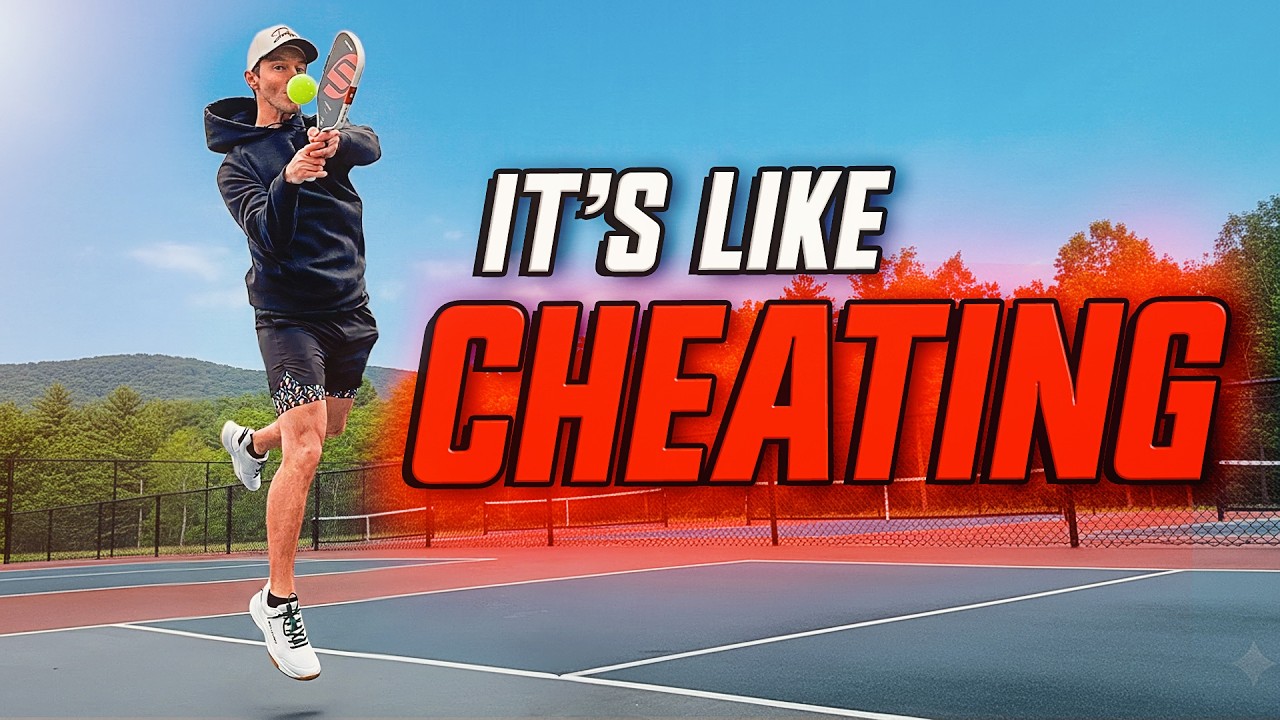
Conventional wisdom says beginners should master the drop shot before the drive. That advice is outdated.
Modern paddle technology has made drives far more effective and, honestly, easier to learn than drop shots. The creator of All Things Pickleball started playing in 2019 when drives were somewhat frowned upon in the sport. But the game has evolved. Stronger players and better equipment mean drives are now a legitimate third-shot option, even at intermediate levels.
Here’s the practical takeaway: if you’re just starting out, focus on developing a consistent, powerful drive first. Put pressure on your opponents. Once you reach intermediate or advanced play, then refine your drop shot. This approach gets you winning faster and builds confidence in your fundamental stroke production.
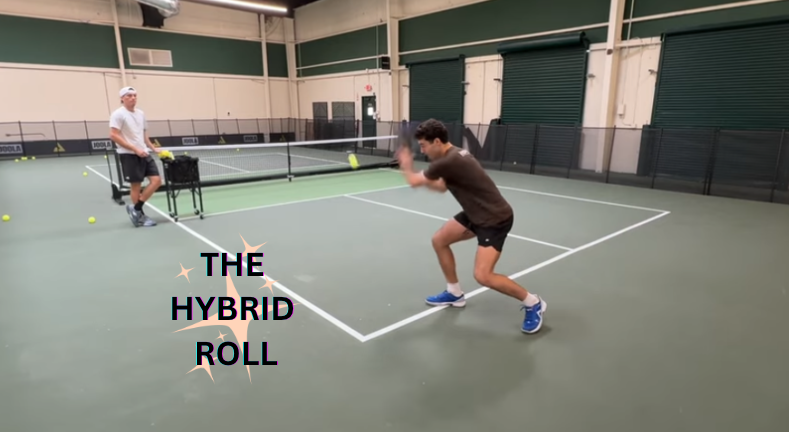
Master the Hybrid Roll: Advanced Third-Shot Drop
Having this shot in your arsenal is typically worth three points per game, a massive advantage when you’re playing to 11
4. Kitchen Line Mastery – Anticipation Without Leaning
The kitchen line (the non-volley zone) is where pickleball is won and lost. And one of the biggest mistakes players make is telegraphing their position by leaning.
Here’s what happens: you hit a dink, and you anticipate where the ball is coming back. So you lean in that direction. Your opponent sees your weight shift and burns you the opposite way. Now you’re completely off-balance and can’t recover.
The fix is counterintuitive.
- Stay balanced between shots.
- Reset to a neutral stance after each dink.
You can still anticipate, but do it with your feet, not your upper body. This keeps you ready for anything and prevents your opponent from reading your intentions.
The All Things Pickleball creator calls this one of the most important pickleball tips they wish they’d known earlier. It’s the difference between being reactive and being proactive at the net.
💡
5. Court Positioning Strategy – Taking Away the Easy Shot
Professional pickleball players have exceptional court coverage. It’s not magic; it’s strategy.
The principle is simple: position yourself to take away your opponent’s easiest shot.
If you hit an aggressive dink to the opposite sideline, don’t stay in the middle worried about getting burned on the other side. That’s actually the lower-percentage shot. Instead, move to cover the higher-percentage option. Force your opponent to hit a difficult shot.
This mentality applies to every shot in pickleball, not just dinking. On drives, drops, and serves, think multiple balls ahead. Where is your opponent most likely to hit? Position yourself there. This strategic positioning puts you in the most advantageous spot on the court almost all the time.
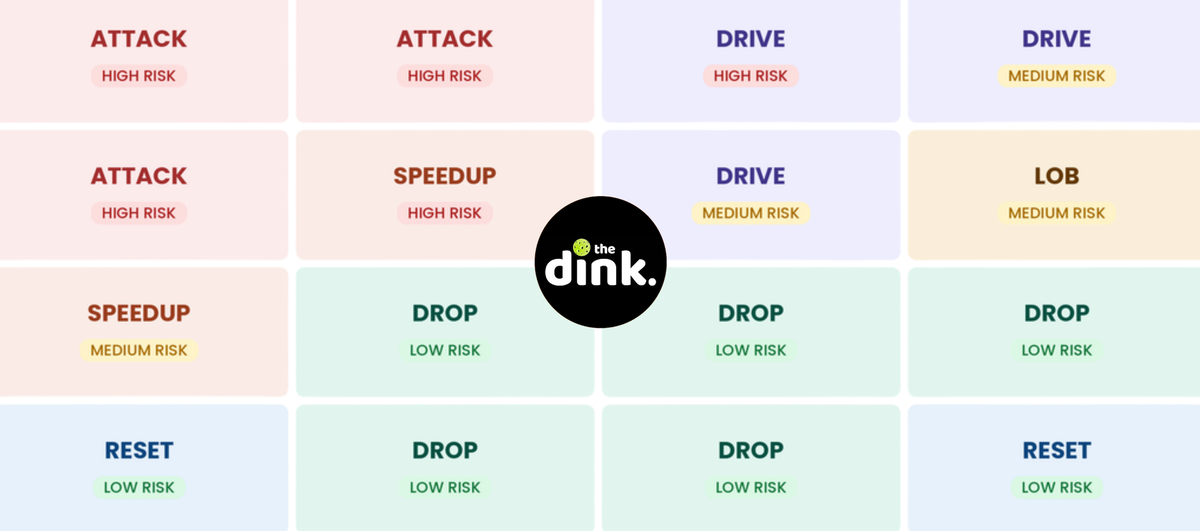
Decision Matrix: When to Attack or Reset in Pickleball
Pickleball is really all about two key factors: your court positioning and the height of the ball. This matrix decodes the game for you.
6. Equipment Essentials – Court Shoes and Paddle Customization
Two equipment choices get overlooked by beginners: court-specific shoes and paddle customization.
Court shoes are non-negotiable if you’re serious about pickleball. The All Things Pickleball creator refused to wear them for the first year and a half, thinking it was unnecessary. Then they finally bought a pair and their rating increased overnight. Here’s why: tennis shoes are built for front-to-back movement only. Pickleball shoes are engineered for side-to-side and front-to-back movement. They provide ankle support and have durable rubber soles that won’t wear down like tennis shoes.
Paddle customization through perimeter weighting is another game-changer that most players don’t know about. You can add tungsten or lead tape around the edges of your paddle to change its performance characteristics. A paddle with a small sweet spot can become more forgiving. Side or head weighting boosts stability and pop. The creator just started using this technique and wishes they’d discovered it sooner.
The lesson: don’t assume you need to buy new gear constantly. Sometimes the right equipment choice is about optimization, not replacement.
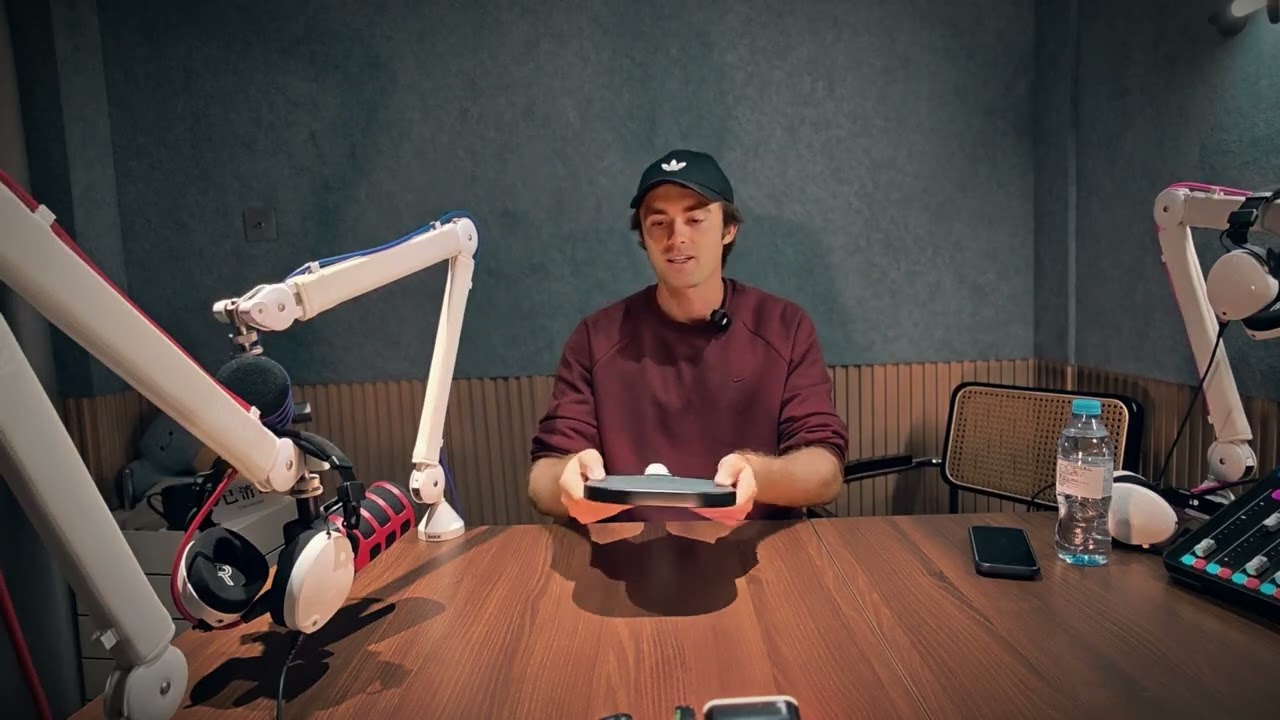
Paddle Customization Guide: Lead Tape, Twist Weight and More
James Ignatowich breaks down the science behind paddle customization and performance in a way that’ll change how you think about your equipment.
Here’s a pickleball tip that costs nothing but delivers massive returns: record your games and drilling sessions.
The All Things Pickleball creator has filmed countless matches and drills. Almost every time, they discover they’re doing something completely different from what they thought. They’d swear they were low and bending their knees, then watch the footage and realize they were standing straight as a tree.
Video analysis reveals issues you can’t feel in the moment: poor paddle position, sloppy recovery, standing too upright. It also lets you compare your form to other players or pros and learn visually. This is one of the most underrated pickleball tips because it requires zero equipment beyond a phone.
3 Pickleball Drill Alternatives to Level Up Your Game
Hate drilling? A top pickleball coach just revealed 3 pickleball drill alternatives that work better than traditional practice. These methods focus on intent, extended warm-ups, and court positioning to accelerate your improvement.
8. Wrist Strength & Injury Prevention – Three Exercises That Matter
The creator of All Things Pickleball didn’t prioritize wrist strength for the first three years they played. Then they got a severe wrist injury that sidelined them for months. It was preventable.
As you advance in pickleball, you use more wrist to create deception in your shots. If your wrist isn’t strong enough to handle that demand, injury is inevitable. Here are three exercises the creator does regularly:
- Wrist flexion (palm down): Hold a light dumbbell (start with 1-2 pounds) and move your hand from relaxed to flexed. Do 10 reps, then switch to palm-up and repeat.
- Wrist flexion (palm up): Same movement, opposite hand position. This targets the other side of your forearm.
- Wrist rotation: Grab a dumbbell by the side and rotate from one side to the other. Do 10 reps.
Start with two sets of all three exercises and work up from there. The key is starting light and progressing slowly. Your wrist isn’t naturally strong, so aggressive training will backfire.
Heads up: hundreds of thousands of pickleballers read our free newsletter. Subscribe here for cutting edge strategy, insider news, pro analysis, the latest product innovations and more.
9. Targeted Drilling – Why Aiming Changes Everything
The final pickleball tip might be the most important for long-term improvement: every drill needs a target.
Too many players go out and hit serves, drops, and drives without intention. They’re just moving the ball around. The All Things Pickleball creator wishes they’d implemented targeted drilling from day one. Set up cones or targets and aim for specific spots during every drill. This trains your brain to think about placement, not just hitting the ball.
High-level pickleball is about precision. If you build that mentality early, you’ll advance much faster than players who spend years hitting aimlessly. The difference between a 3.0 and a 5.0 player often comes down to shot placement, not raw power.
10. Bonus Tip: Recovery and Red Light Therapy
While recovering from a shoulder dislocation, the All Things Pickleball creator discovered the value of red light therapy devices like the Kineon Move Plus. Using red and near-infrared light to reduce inflammation and support faster healing, this tool helped accelerate recovery while staying active on the court. If you’re dealing with shoulder, knee, or elbow pain, or simply want to recover faster between sessions, red light therapy is worth exploring.
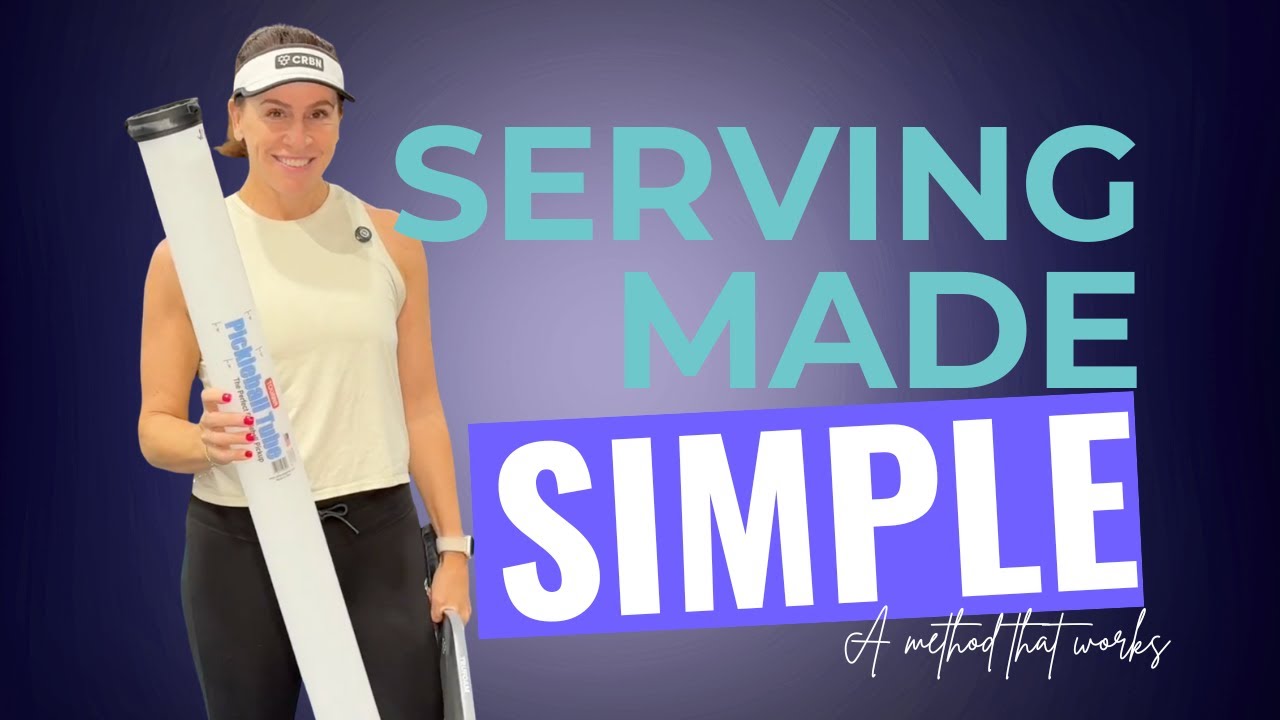
How to Build a Foolproof Pickleball Serve
Here’s a proven 3-step method to build a reliable, powerful pickleball serve that works for beginners and intermediate players alike.
Frequently Asked Questions
What’s the best grip for beginners?
The Continental grip is the best starting point for most beginners. It’s neutral, prevents wrist strain, and transitions smoothly between forehand and backhand. Once you’re comfortable, you can experiment with Eastern or Western grips, but Continental is the foundation.
How often should I film myself playing?
Film yourself at least once a week during drilling or matches. You don’t need to analyze every second; just watch for patterns in your form, footwork, and decision-making. Even 10 minutes of video review per week compounds into significant improvement.
Do I really need court-specific shoes?
Yes, if you’re playing regularly. Court shoes provide ankle support and lateral stability that tennis shoes don’t offer. They also last longer on the court. If you’re playing casually once a month, regular athletic shoes are fine. If you’re playing multiple times a week, court shoes are worth the investment.
What’s the difference between a drive and a drop shot?
A drive is a hard, aggressive shot hit with pace and a flatter trajectory. A drop shot is a soft, controlled shot that lands just over the net in the kitchen. Beginners should learn drives first because they’re easier to execute consistently and put immediate pressure on opponents.
How long does it take to see improvement from wrist exercises?
Most players notice increased wrist stability and reduced fatigue within 2-3 weeks of consistent wrist training. Injury prevention benefits take longer to manifest, but the exercises are worth doing regardless because they build resilience for advanced play.
Nguồn: thedinkpickleball