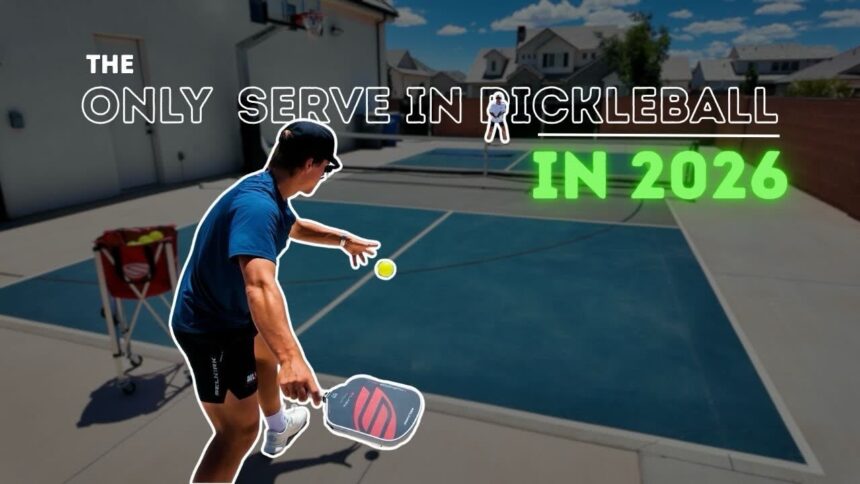
The pickleball serve has evolved dramatically over the past decade, and 2026 demands a modern approach that combines power, consistency, and strategy. Learn the exact technique, grip, and drills you need to master the only pickleball serve that matters.
The pickleball serve has transformed completely over the last decade.
What used to be a simple “just get it in” mentality has evolved into a weapon that can set up entire points before the rally even begins.
According to coaching insights from Liam Duffin and Benson Parry, a three-time collegiate national champion, the modern pickleball serve is no longer about consistency alone — it’s about depth, power, and strategic placement that puts immediate pressure on your opponent.
If you’re serious about improving your game in 2026, understanding the mechanics, grip, and targeting strategy behind today’s serve is non-negotiable.
Love pickleball? Then you’ll love our free newsletter. We send the latest news, tips, and highlights for free each week.
How the Pickleball Serve Has Changed
The evolution of the pickleball serve tells a story about how the sport itself has matured.
Seven or eight years ago, when Benson Parry first started playing, the philosophy was straightforward: the best serve was simply one that landed in the court.
Nobody went for aggressive serves. The goal was to start the point, nothing more.
Then came the spin serve era. Players began experimenting with finger-based spin techniques that created wild, unpredictable returns.
For a while, this worked — players with the craziest spin won matches. But that changed when the rules caught up with the game’s evolution.
Today, the sport has shifted again. The pickleball serve is now about depth and power combined with placement strategy.
Benson Parry explains it clearly:
“Having a deeper and more powerful serve really can just set up the entire point for you.”
When you hit a deeper, more aggressive serve, your opponent struggles to advance to the kitchen line, which means your third shot becomes exponentially easier.
If you’re still relying on outdated serve habits, this breakdown of why professional pickleball players abandoned the slice shot in 2025 gives critical context on how the game has evolved at every level.
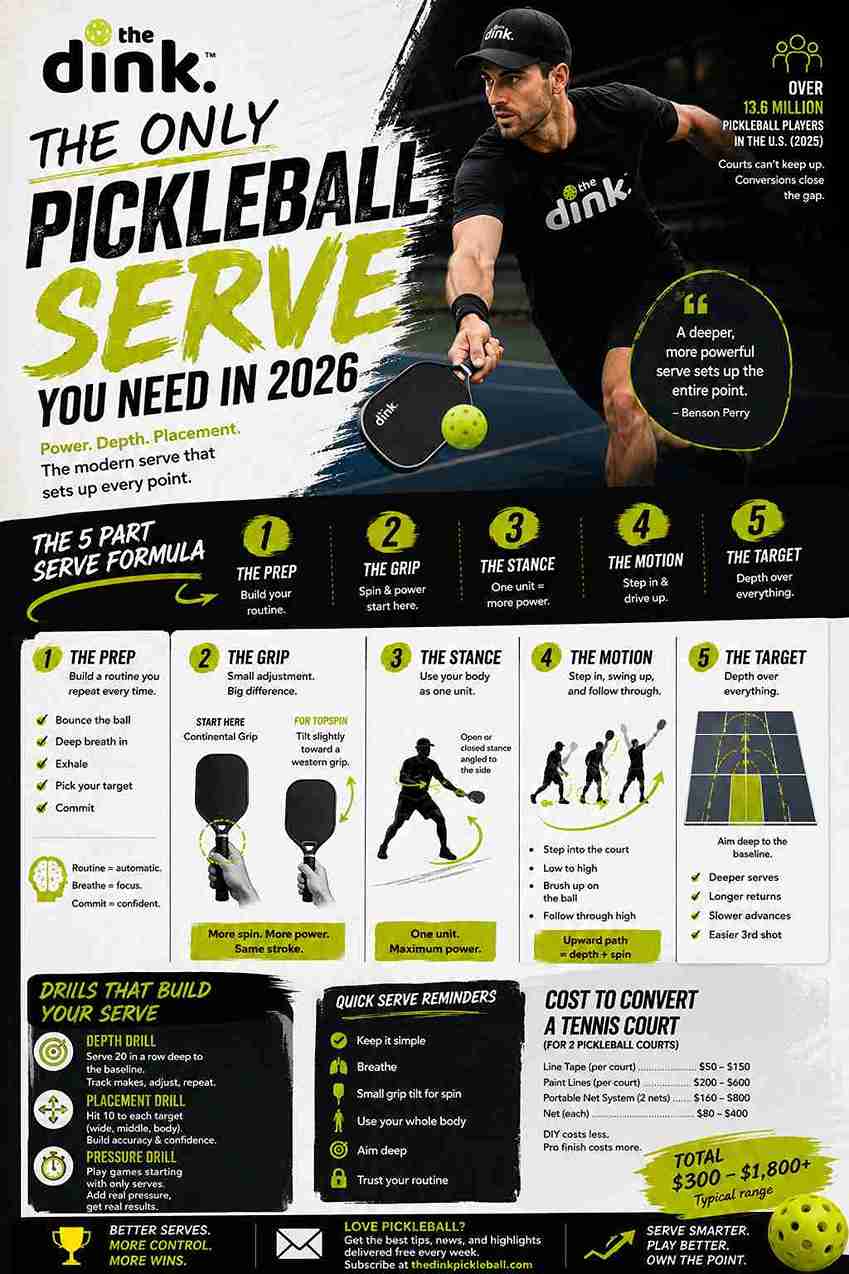
The Prep Phase: Building Your Pickleball Serve Routine
Before you even think about hitting the ball, you need a serve routine that you repeat identically every single time you step up to the line.
This is where consistency begins.
Liam Duffin breaks his routine down into three simple steps: take a couple of bounces with the ball, take a deep breath in and exhale fully, then pick your target and commit to it.
That’s it. Nothing fancy, nothing complicated.
Why does this matter? When you’re in a pressure moment — match point, tiebreak, crucial game — your brain needs to shift into autopilot.
A consistent routine triggers that mental state.
Liam explains:
“When we actually do that in these pressure moments, our brain automatically goes into all right, this is our serving mode. We’ve been here, we’ve done that, and we can be comfortable in doing this thing in such a high stake moment.”
The breathing component is equally important. A deep breath forces you to tune out external noise and distractions.
- You’re not thinking about the crowd, the score, or your opponent’s trash talk.
- You’re just breathing and preparing.
For more on the mental side of pickleball, this guide to finding mental clarity before a match is worth bookmarking.
💡
Grip: The Gateway to Spin and Power on Your Pickleball Serve
Your grip determines how much spin and power you can generate without changing your actual stroke mechanics.
This is the beauty of grip adjustment — it’s the easiest way to add a new dimension to your pickleball serve without overhauling your technique.
The foundation is the continental grip. This is the grip Liam recommends teaching first because it’s simple and effective.
You hold the paddle as if you’re shaking someone’s hand, with your thumb and index finger forming a V shape pointing toward the top of the paddle.
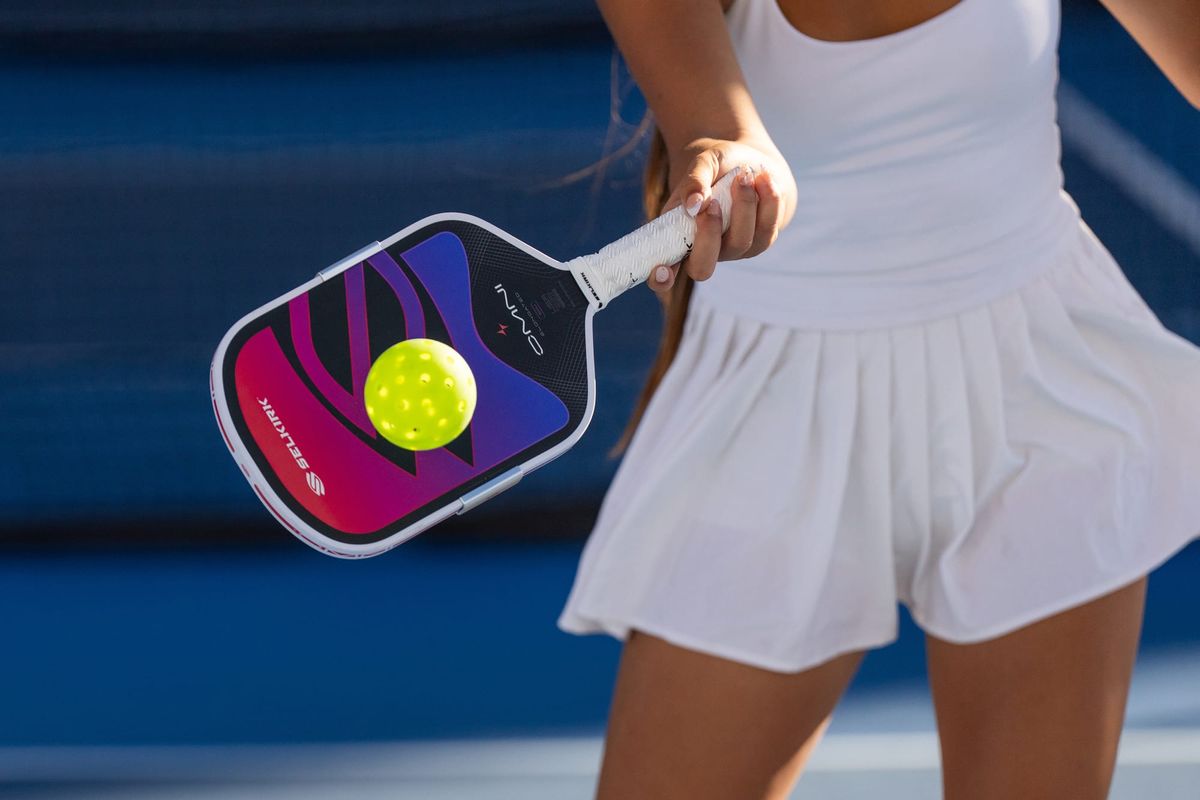
Photos: Selkirk Omni Debuts as Successor to the Boomstik
An all-court, full-foam paddle that will debut in a range of shapes and colors.
But here’s where it gets interesting. If you want to add topspin to your serve, you can shift your grip slightly toward a western grip.
Benson Parry does exactly this: “I like to — if I was setting up my grip — go continental and then I kind of tilt a little bit to the western side because I like to get a lot of top spin on my serve.”
The key is not to go too far. If you shift your grip too much, you create an extra mental gear you have to remember to switch back from.
Understanding all three pickleball grips — continental, eastern, and western — and when to use each will help you make smarter adjustments throughout an entire match, not just on your serve.
Keep it simple.
A slight tilt toward western is all you need to generate meaningful spin without complicating your mechanics.
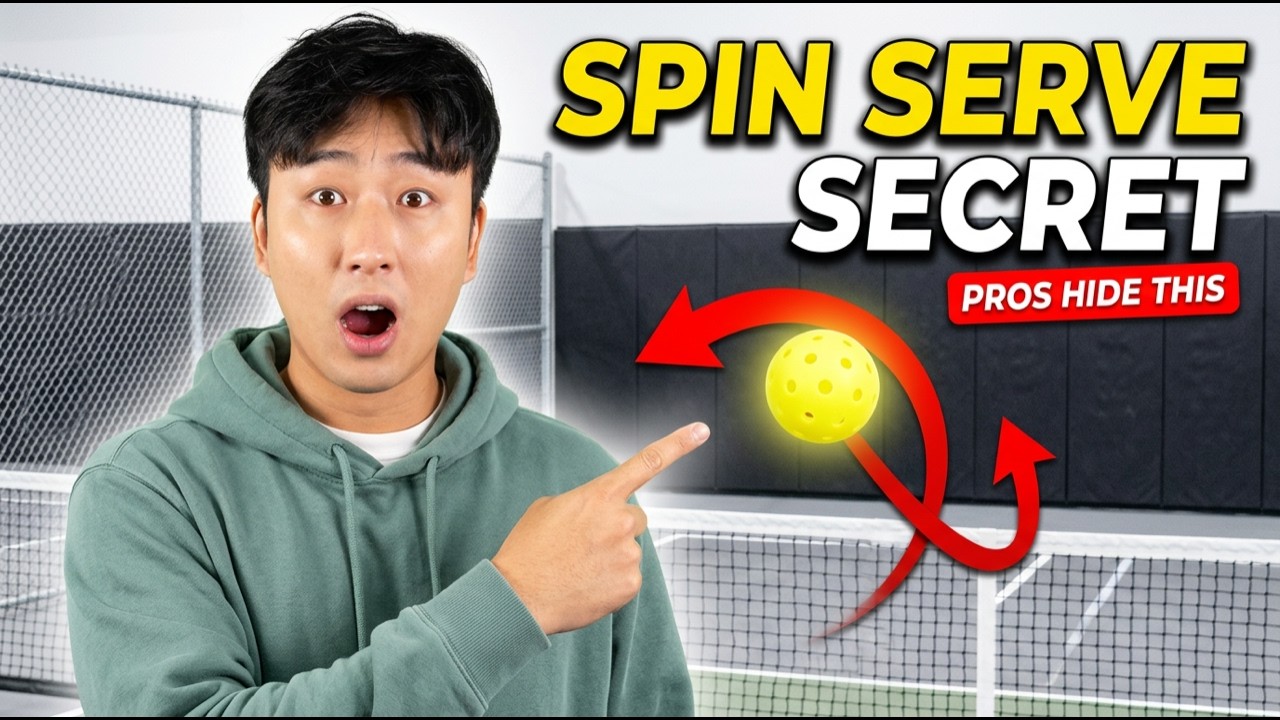
Develop a Spin Serve in Pickleball: 3 Essential Steps
The spin serve is one of the most devastating weapons in pickleball, capable of catching opponents off-guard at any level. Here’s how to conquer it in three essential steps.
Using Your Body as One Unit for a More Powerful Serve
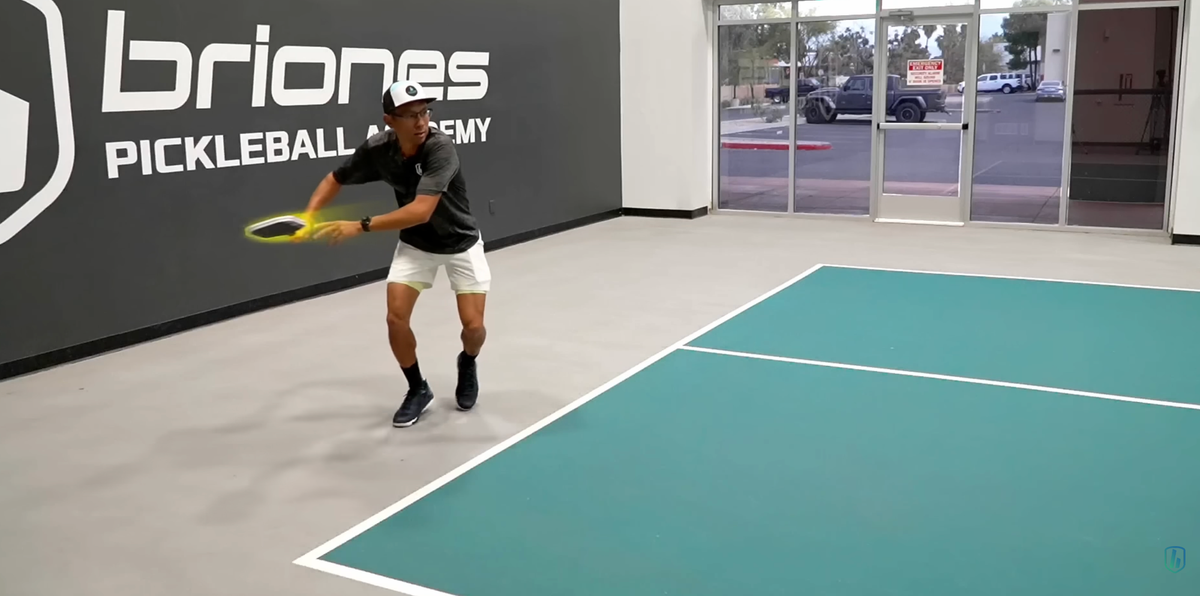
Here’s where most recreational players make a critical mistake: they use their legs and upper body independently instead of as a single, coordinated unit.
When you separate your lower and upper body, you lose power and consistency.
Your upper body twists while your legs stay still, or vice versa. This creates tension and limits your range of motion.
Instead, think of your lower body and upper body as one integrated system.
Liam demonstrates this by positioning his stance with an open or closed stance pointed toward the side of the court rather than straight at the net.
When his legs are bent and his chest is engaged, he can rotate fully and generate maximum power.
This is the difference between a weak, inconsistent serve and one that puts real pressure on your opponent.
The concept of generating effortless power through proper body rotation applies directly here and is one of the most underutilized techniques at the rec level.
The step into your serve amplifies this effect. Stand about three steps back from the baseline.
As you execute your routine, take one step forward with your right foot, then one with your left.
This forward momentum, combined with your coordinated body rotation, generates the power that makes your pickleball serve effective.
The Pickleball Drive Crash Course: Pro Tips for Powerful Shots
The drive is one of pickleball’s most important shots: it’s your way to take the initiative, put pressure on your opponents, and finish points.
The Ball Toss: The Foundation of Pickleball Serve Consistency
If there’s one element of the pickleball serve that separates consistent players from inconsistent ones, it’s the ball toss.
And Liam has a specific method that works.
Don’t throw the ball up. Instead, hold it with the ball facing down and your wrist facing upward.
Lift your arm slightly, then simply drop the ball.
That’s all. The ball will land in the same spot every single time because you’re not introducing variables like throwing force or wind resistance.
This guide on the most important aspect of your pickleball serve digs deeper into how a reliable contact point changes everything about your serve game.
This might sound overly simple, but it’s the foundation of everything that follows.
If your ball toss is inconsistent, your contact point will be inconsistent, which means your serve will be inconsistent.
And consistency is the most important thing in pickleball. Benson Parry reinforces this point:
“If you can practice your serve enough to have it look the exact same every time, that’s going to be the biggest change in your serve game that you’ll ever see.“
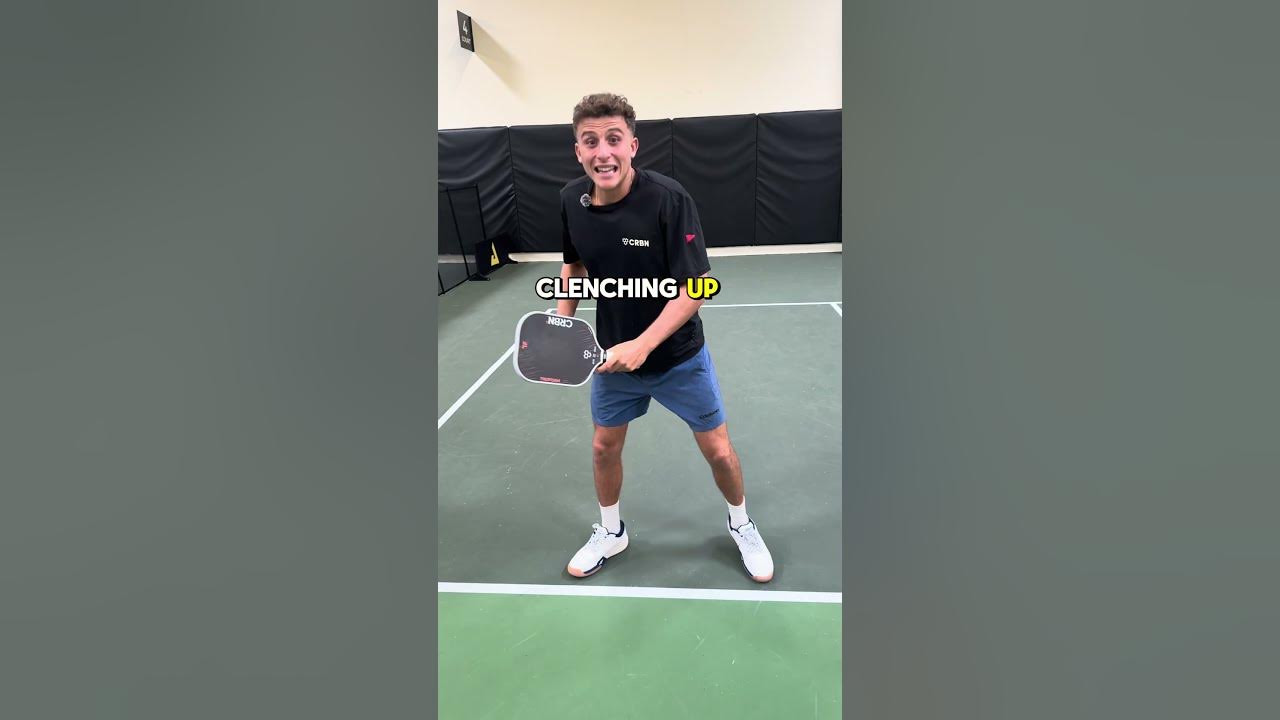
3 Pickleball Consistency Tips to Level Up Your Game
Want to become a more consistent pickleball player? A top pro just broke down the 3 pickleball consistency tips that separate amateurs from advanced players. Here’s what you need to know.
Where Should You Aim? The Pickleball Serve Targeting Test
Knowing how to hit a serve is one thing. Knowing where to hit it is another.
Liam introduces what he calls the “pickleball serve test,” and it’s a game-changer for understanding your opponent’s weaknesses.
During warm-ups or the first few points of a match, hit three different serves: one to your opponent’s forehand, one to their backhand, and one to their body.
When you serve to their body, they have to choose whether to hit a forehand or backhand. This test reveals which side is more comfortable for them.
For more on how to read and exploit your opponent’s positioning, check out the 4 essential pickleball return targets to play like a pro.
Once you identify their weaker side, you exploit it. Benson Parry explains the strategy:
“When you find that comfortable spot for them, you want to try and push your serves to their uncomfortable spot as much as possible.”
But here’s the nuance: don’t hit the same spot every single time. Hit it three times, then throw one to their body or the other side.
This keeps them honest and prevents them from anticipating your pickleball serve.
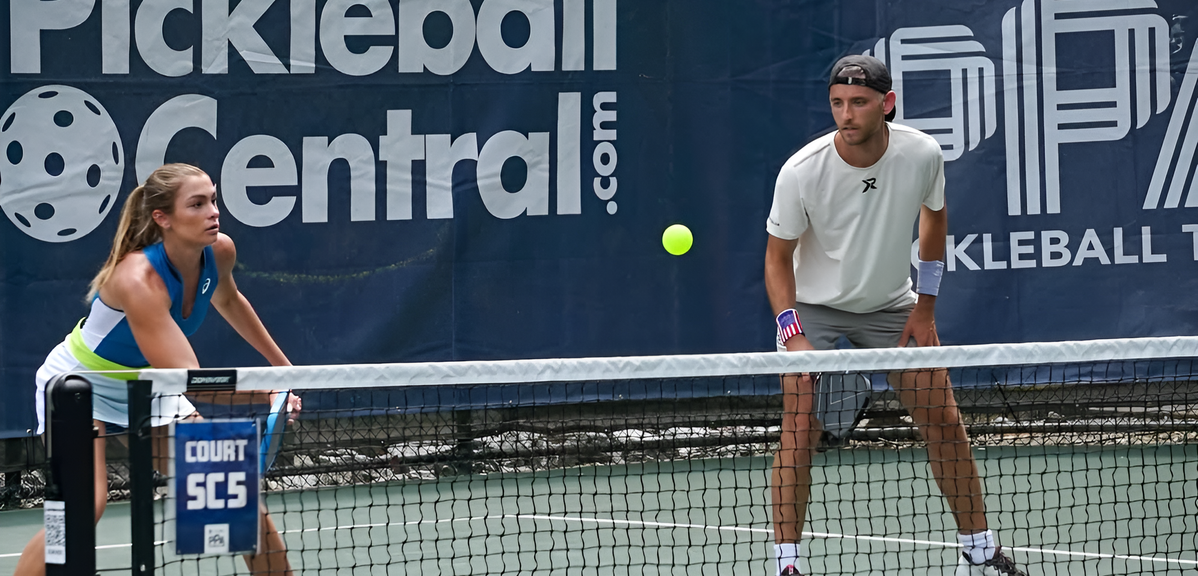
Attack the Right Spots: Win More Points in Pickleball
You can’t go to the same spot every single time you go on offense – eventually, your opponent will catch on. And make you pay for it.
Depth: The Secret Weapon of the Modern Pickleball Serve
The depth of your serve is what separates modern pickleball from the old “just get it in” era.
You want to aim for the back third of the court, not the back line itself.
Why? Aiming for the back third gives you margin for error while still being deep enough to pressure your opponent.
If you’re constantly trying to hit the back line, you’ll miss more serves and lose consistency.
But if you’re aiming for the back third, you maintain your best pickleball serve mechanics while still forcing your opponent to hit from a deeper position.
When your opponent is forced to return from deeper in the court, they can’t advance to the kitchen line as quickly.
This gives you time to hit an easier third shot — and if you’re still working on that shot, these 3 tips to stop missing your third shot drops pair perfectly with a better serve.
Liam sets up a blanket on the court as a physical target and practices hitting serves into that zone. It’s a simple drill that builds muscle memory and confidence.
5 Pickleball Serves That Win More Points
Adding even one of these serves into your game can transform your effectiveness instantly.

Two Drills That Actually Work for Your Pickleball Serve
The serve plus one drill is designed to ensure you’re not just hitting serves in isolation.
After you serve, you have to immediately get back behind the baseline and prepare for the return.
Liam and Benson demonstrate this by having one player serve while the other feeds a hand toss immediately after.
This forces the server to rush back and get into a ready position, simulating real match conditions.
If you want a full library of drills built for 2026, the 12 drills you need to play your best pickleball in 2026 has everything organized by skill level.
The serve blanket drill is simpler but equally effective.
Set up a blanket or target in the back third of the court. Hit five serves into that target, then switch with your partner.
This drill adds a physical target you can see, which removes the mental complexity and lets you focus purely on technique and consistency.
For players who want to build these habits without a partner, simple wall drills to take your pickleball skills to the next level offer a solid solo alternative.
5 Pickleball Drills That Will Transform Your Game in 2026
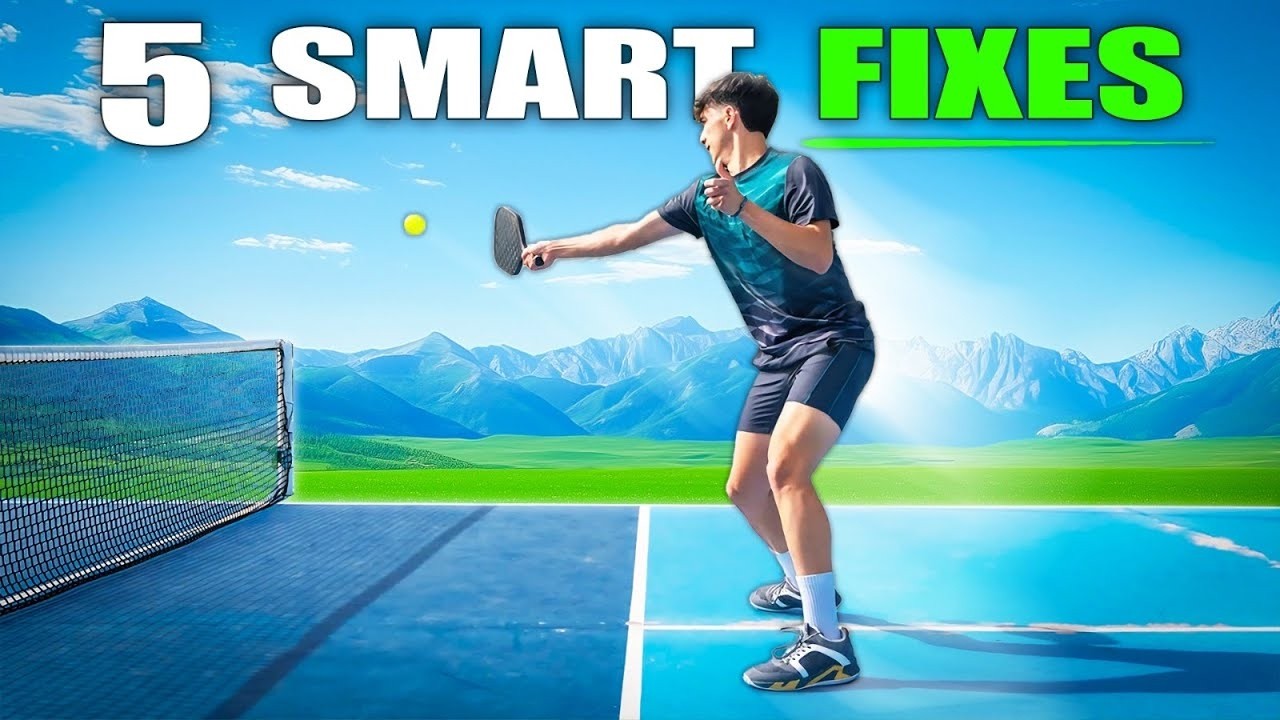
Five simple yet powerful pickleball drills can completely reshape how you play. These mechanics focus on consistency, footwork, and positioning to help you see immediate results on the court.
The Bigger Picture: Why Your Pickleball Serve Matters More Than Ever
The evolution of the pickleball serve reflects the broader maturation of the sport.
As players have gotten better, the serve has become a legitimate offensive weapon rather than just a way to start a point.
Understanding this shift is crucial if you want to compete at any level in 2026.
If you’re curious how the pros are navigating illegal serve calls in tournament play, this piece on why pickleball refs struggle to call illegal serves sheds light on an often-overlooked dimension of serve strategy.
The players who dominate are the ones who combine power with consistency and strategic placement.
They’re not just hitting harder serves; they’re hitting smarter serves that set up the entire point in their favor.
If you want to put all of this together at the match level, a simple 4-step system to win more pickleball games in 2026 will show you exactly how a better serve feeds into an overall game plan.
💡
Frequently Asked Questions
What’s the difference between a continental grip and a western grip for the pickleball serve?
The continental grip is the foundation — it’s neutral and works for most serves. The western grip is tilted more toward the palm side of your hand, which naturally generates more topspin on your pickleball serve. You don’t need to fully switch to western; a slight tilt is enough to add spin without complicating your mechanics.
How deep should my pickleball serve be?
Aim for the back third of the court, not the back line. This gives you margin for error while still pressuring your opponent into a difficult return position. If you’re constantly trying to hit the back line, you’ll sacrifice the consistency that makes a great pickleball serve repeatable.
Why is the ball toss so important in pickleball?
The ball toss determines your contact point. If your toss is inconsistent, your contact point will be inconsistent, which means your serve will be inconsistent. A reliable drop — not a throw — is the foundation of a repeatable pickleball serve.
Should I always serve to my opponent’s weaker side?
Not always. Use the serve test to identify their weaker side, then target it most of the time. But mix in serves to their body or stronger side occasionally to keep them from anticipating your pickleball serve pattern.
What’s the single most important thing I can do to improve my pickleball serve?
Consistency is everything. Focus on repeating the same routine, the same grip, the same ball toss, and the same mechanics every single time. Small improvements in consistency compound into major improvements in your overall game — and that starts with your very first shot of every rally.
Nguồn: thedinkpickleball