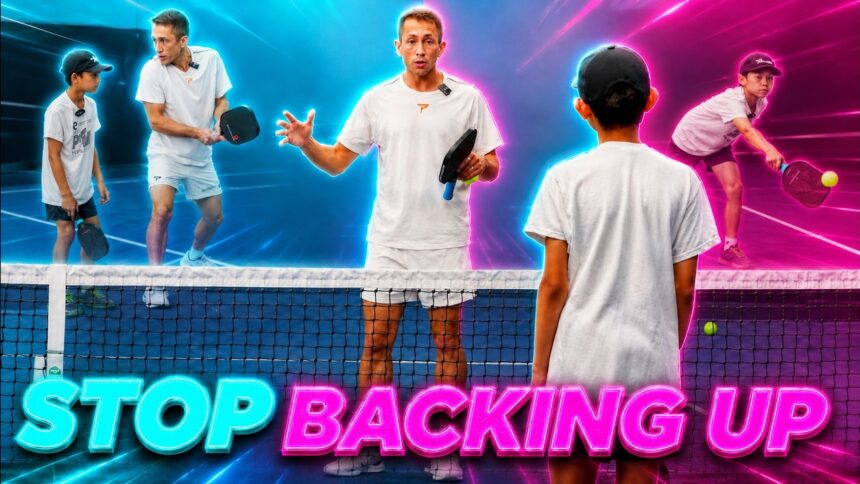
Most players back up when they should be reaching in on their backhand side. This backhand dink drill from Zane Navratil builds the volley-first instinct that changes everything at the kitchen line.
If you have a reliable backhand dink drill in your practice routine, you are ahead of most players.
But if you are constantly retreating from the kitchen line to hit off the bounce on your backhand side, you are giving away free time and free angles every single rally.
This is one of the most common patterns in developing players.
The two-handed backhand feels safe, so players drift back to use it even when they should be reaching in and taking the ball out of the air.
The following breakdown comes from Zane Navratil on YouTube, where Zane works through a real lesson with 11-year-old Zei Chao.
What unfolds is a masterclass in the volley-first instinct, the backhand decision tree, and how to actually execute a flick at the kitchen line.
Love pickleball? Then you’ll love our free newsletter. We send the latest news, tips, and highlights for free each week.
Why Do You Keep Backing Up at the Kitchen Line?
The reason is simple: your backup shot is working well enough that your brain keeps choosing it.
Zei Chao had a beautiful two-handed backhand, and that shot was getting results. So when balls came in on that side, his instinct was to retreat and load up.
The problem is that backing up costs you time. You are literally giving your opponent more time to reset and prepare their next shot.
And if you decide at the last second to reach in anyway, you have no time left to execute.
As Zane puts it: if you are already on your back foot, attacking from there is nearly impossible.
But if you start by reaching in and then pull back because you cannot get there, you still have plenty of time to hit a solid shot off the bounce.
Volley first is always the correct instinct.
That gap between reaching in and backing up is exactly what a focused backhand dink drill is built to close.
The Protect the Line Drill
This is the drill that changes the habit faster than any amount of coaching cues alone. The setup is straightforward. You and a partner dink straight ahead.
Any ball that lands on or behind the kitchen line is a point for your opponent.
Under USA Pickleball’s official non-volley zone rule, this is the exact boundary you’re training your instincts around.
That single rule rewires your instincts immediately. Suddenly you are scanning for every ball you can take out of the air.
You stop being passive and start being aggressive about cutting balls off before they bounce.
Here is how to run the drill correctly:
- Stand at the kitchen line and dink straight ahead with your partner.
- Any ball that lands on or behind the non-volley zone line scores a point for your opponent.
- Your goal is to intercept every possible ball before it bounces.
- When you cannot reach a ball, practice the drop step and recover quickly.
- Run the drill for 5 to 10 minutes, tracking points to keep the competitive pressure real.
You can read more about 3 backhand dink drills to master the kitchen to stack this drill alongside others that build the same volley-first habit.
This backhand dink drill also pairs well with the shot-mastery work covered in the 12 drills you need to play your best pickleball in 2026.
💡
What Is the Drop Step and When Do You Use It?
The drop step is what happens when you cannot reach the ball out of the air and need to create space to hit off the bounce.
You push back quickly with one foot, open your stance, and give yourself room to load into the shot.
Zane compares this to how JW Johnson plays. Johnson is always looking to take the ball out of the air first.
But when he cannot, he executes a fast drop step and then decides what shot to hit based on where the ball ends up.
The drop step is not a retreat.
It is a controlled, explosive move backward that keeps you in a strong athletic position rather than getting caught reaching awkwardly on your heels.
Every solid backhand dink drill builds this movement before it ever asks for flick power.
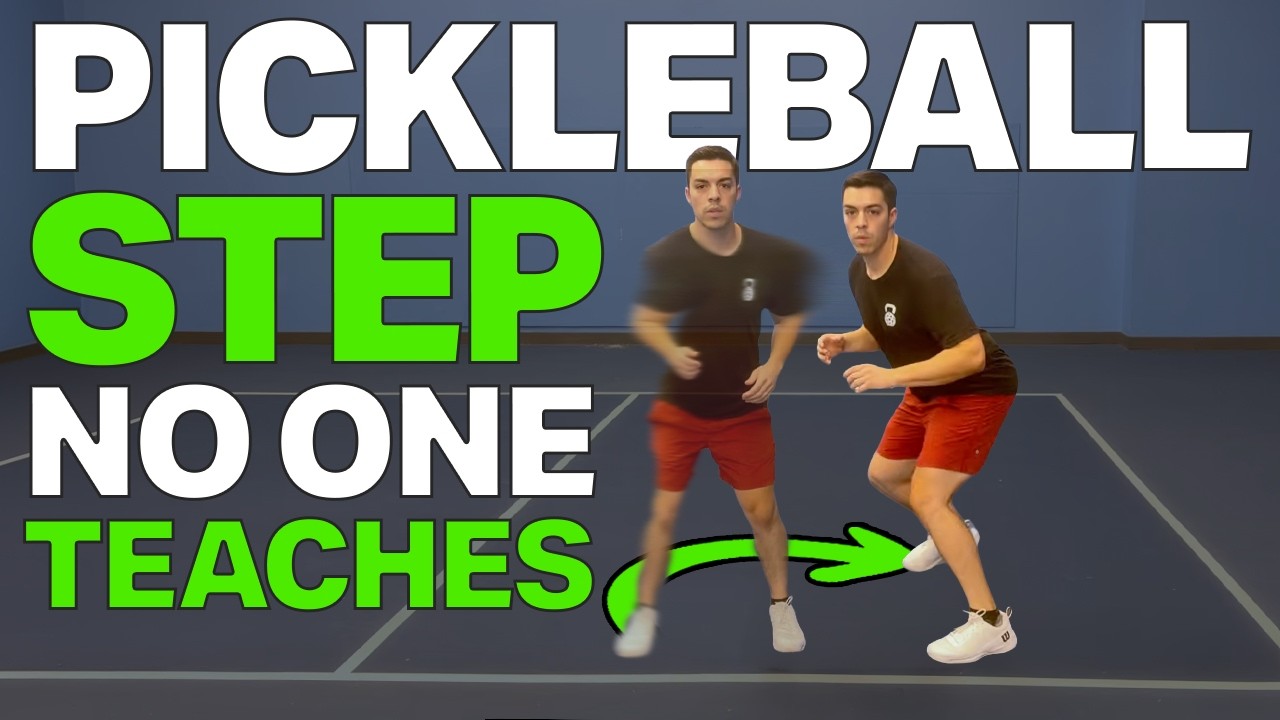
Pickleball Footwork: The Complete Drop Step Guide
The drop step is the pickleball footwork move that stops you from getting beaten by lobs. Coach Ty Woody breaks down 3 movements to fix your backward movement and take control of the court.
The Backhand Decision Tree: Your 3-Option System
Once you internalize the volley-first instinct, you need a clear framework for what to do when the ball gets past your reach.
Zane lays out a simple three-option decision tree that covers every scenario.
- Option 1: Take the ball out of the air. This is always your first choice. Get your paddle up, reach in, and volley.
- Option 2: Ball gets past you but stays in front after the drop step. Use your two-handed backhand. This is your most offensive shot off the bounce and gives you real directional control.
- Option 3: Ball gets behind you after the drop step. Open the paddle face and hit a passive, controlled slice dink. Keep it safe. Do not try to be a hero from this position.
This tree works because it matches your shot selection to your actual body position.
Trying to rip a two-handed backhand from behind your hip is how you pop balls up and hand your opponent free attacks.
Check out this breakdown of the two-handed backhand roll and 5 keys to master it to sharpen Option 2.
Layer this backhand decision tree onto your backhand dink drill and the framework starts making split-second choices for you before you even think about them.
Interestingly, some pros have moved away from the slice option entirely at the highest level.
See why professional pickleball players abandoned the slice shot in 2025 for context on how Option 3 is evolving in the pro game.
When you are in Option 3 territory and the ball is behind you, where you aim matters. Most players think crosscourt is the safe shot. Zane disagrees.
Going back crosscourt when you are in trouble means a long ball flight and a dangerous angle if it pops up.
Instead, go straight to the inside foot of the player directly in front of you. It neutralizes angles and keeps your partner protected.
The Backhand Decision Tree: One Pro’s Real-Time Strategy for Cooking at the Kitchen
Zane Navratil has boiled the key steps for a successful backhand dink down to five critical questions he cycles through in real-time. Learn his framework and watch your shot selection – and winning percentage – improve dramatically.
How to Execute the Backhand Flick Correctly
The flick is where a lot of players get frustrated. It feels like it should be powerful and clean, but instead it keeps going into the net or floating up softly.
The reason is almost always the same timing problem.
Most players try to use both their arm swing and their wrist snap at the same time.
When you are trying to coordinate two separate movements in one explosive motion, even a small timing error sends the shot off course.
You need to separate those two things.
Zane teaches a concept called set and snap. Get your paddle into contact position early, wrist pulled back, paddle face ready.
Then drive forward with your shoulder and forearm first.
The wrist snap comes after, not simultaneously.
Here is the step-by-step for the set and snap flick:
- Position your paddle early. Do not wait for the ball to arrive before getting set.
- Pull the wrist back slightly to load the snap.
- Drive forward with your shoulder and forearm as the primary power source.
- Let the wrist snap through contact as a finishing motion, not the primary one.
- Follow through forward, not up. Upward follow-through sends balls high.
Zane uses hand tosses to drill this before introducing live ball situations.
Getting comfortable with the motion in isolation means you are not trying to learn mechanics and react to pace at the same time.
For more on generating clean contact on offense, see how to hit a roll shot in pickleball with fast topspin.
This same backhand dink drill mindset, isolate the movement before adding pace, is what makes the flick reliable under pressure.
For players chasing well-rounded shot IQ this season, 6 essential pickleball shots to master for 2026 rounds out the flick with the rest of your kitchen arsenal.
The flick is where a lot of players get frustrated. It feels like it should be powerful and clean, but instead it keeps going into the net or floating up softly.
The reason is almost always the same timing problem.
Most players try to use both their arm swing and their wrist snap at the same time.
When you are trying to coordinate two separate movements in one explosive motion, even a small timing error sends the shot off course.
You need to separate those two things.
Zane teaches a concept called set and snap. Get your paddle into contact position early, wrist pulled back, paddle face ready.
Then drive forward with your shoulder and forearm first.
The wrist snap comes after, not simultaneously.
Here is the step-by-step for the set and snap flick:
- Position your paddle early. Do not wait for the ball to arrive before getting set.
- Pull the wrist back slightly to load the snap.
- Drive forward with your shoulder and forearm as the primary power source.
- Let the wrist snap through contact as a finishing motion, not the primary one.
- Follow through forward, not up. Upward follow-through sends balls high.
Zane uses hand tosses to drill this before introducing live ball situations.
Getting comfortable with the motion in isolation means you are not trying to learn mechanics and react to pace at the same time.
For more on generating clean contact on offense, see how to hit a roll shot in pickleball with fast topspin.
This same backhand dink drill mindset, isolate the movement before adding pace, is what makes the flick reliable under pressure.
For players chasing well-rounded shot IQ this season, 6 essential pickleball shots to master for 2026 rounds out the flick with the rest of your kitchen arsenal.
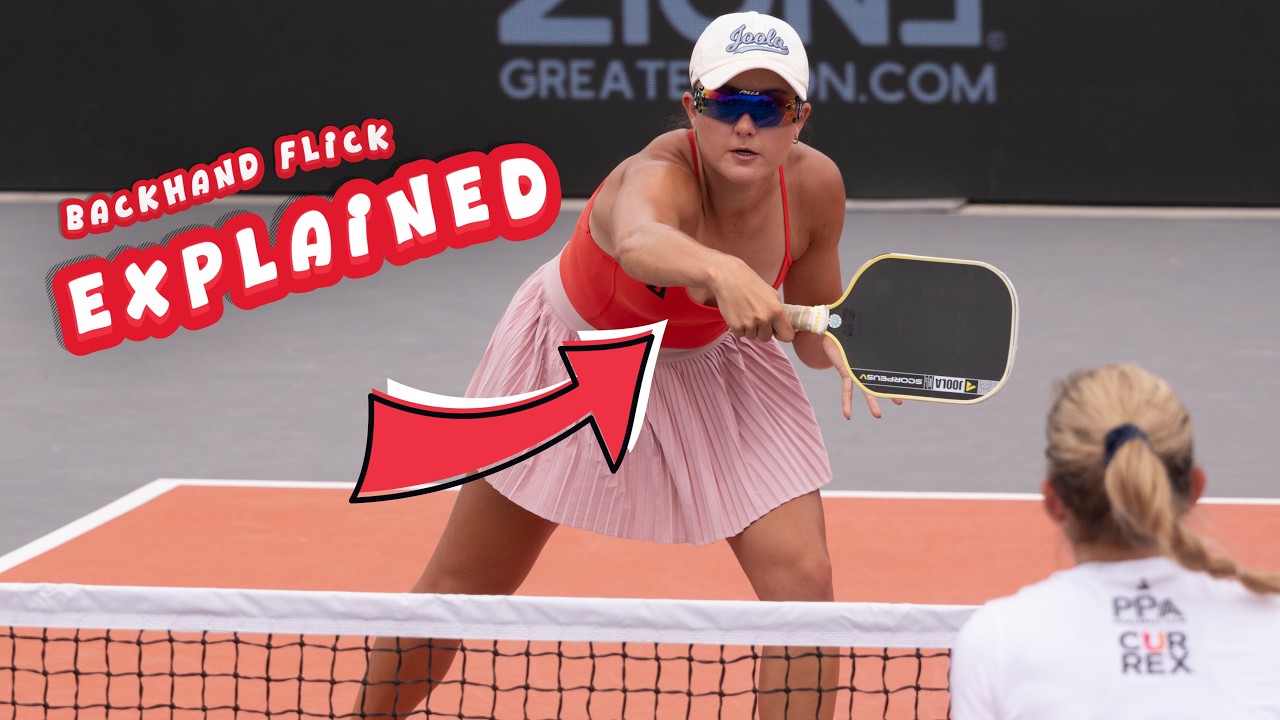
How to Develop a Backhand Flick in Pickleball
Anna Bright went from zero one-handed ability to developing one of the best backhand flicks in women’s pickleball. Here’s exactly how she did it and how you can too.
Does the Set and Snap Feel Like Less Power?
Yes, at first it does. Zei Chao noticed this immediately during the lesson.
When you stop trying to swing through the ball with everything you have and start using a controlled set position, the shot feels quieter.
That feeling is actually a sign you are doing it right. The wild full swing was giving an illusion of power while actually creating inconsistency.
The set-and-snap approach builds precision first, and then you can gradually add more shoulder rotation and wrist speed as the timing becomes automatic.
Think of it the same way Anna Leigh Waters generates power on her backhand. It looks effortless because the timing is so clean. She is not muscling the ball.
She is in position early and snapping through a specific contact zone. That is what you are training.
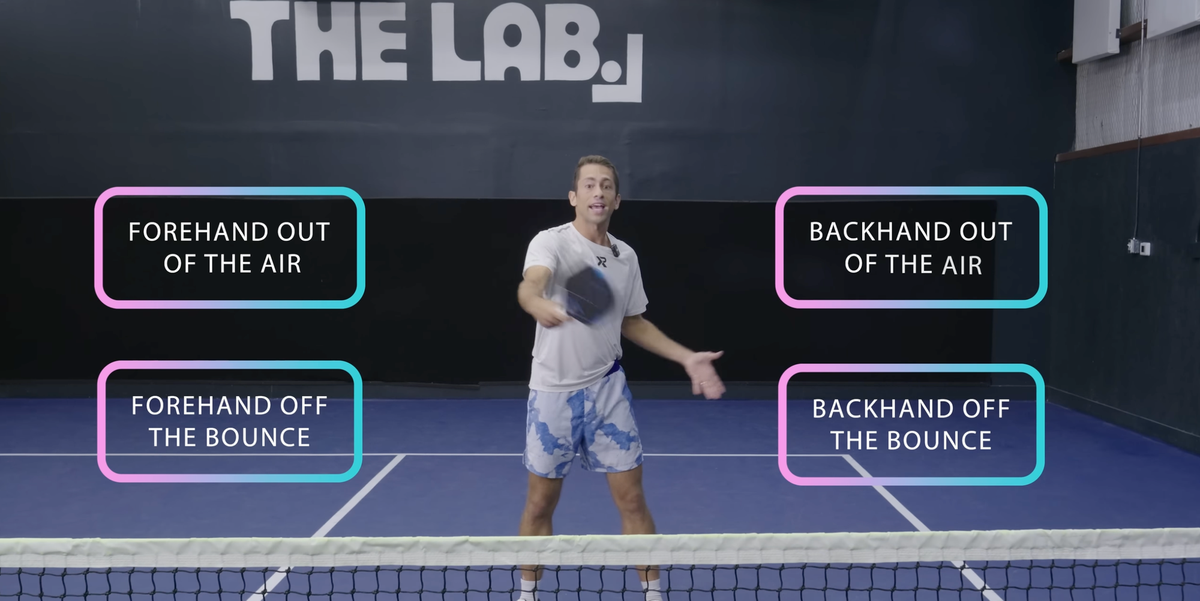
Master the Pickleball Flick With the Set and Snap Method
Zane Navratil lays out the pro-favored technique for effortless attacking power. Master it and you’ll be the “Flick Wizard” of your local club in no time.
Is Your Crosscourt Direction Actually Hurting You in Trouble Spots?
This is where a lot of players are making a mistake they do not even realize.
When you are in a tough spot on your backhand side and the ball has gotten behind you, your brain wants to go crosscourt because that shot has worked before.
But crosscourt from a compromised position is one of the riskiest patterns in dinking.
The ball has to travel further, and if it pops up, your opponent has a wide-open angle for an attack. Your partner is also left exposed.
The safer target is the inside foot of the person directly across from you.
It cuts the angle, shortens the ball flight, and even if you leave it slightly high, the opponent cannot create a sharp angle back.
For more on how angle strategy works in dinking exchanges, read up on this crosscourt dinking tip that stops opponents cold.
The same backhand dink drill logic applies here: reduce risk before you think about offense.
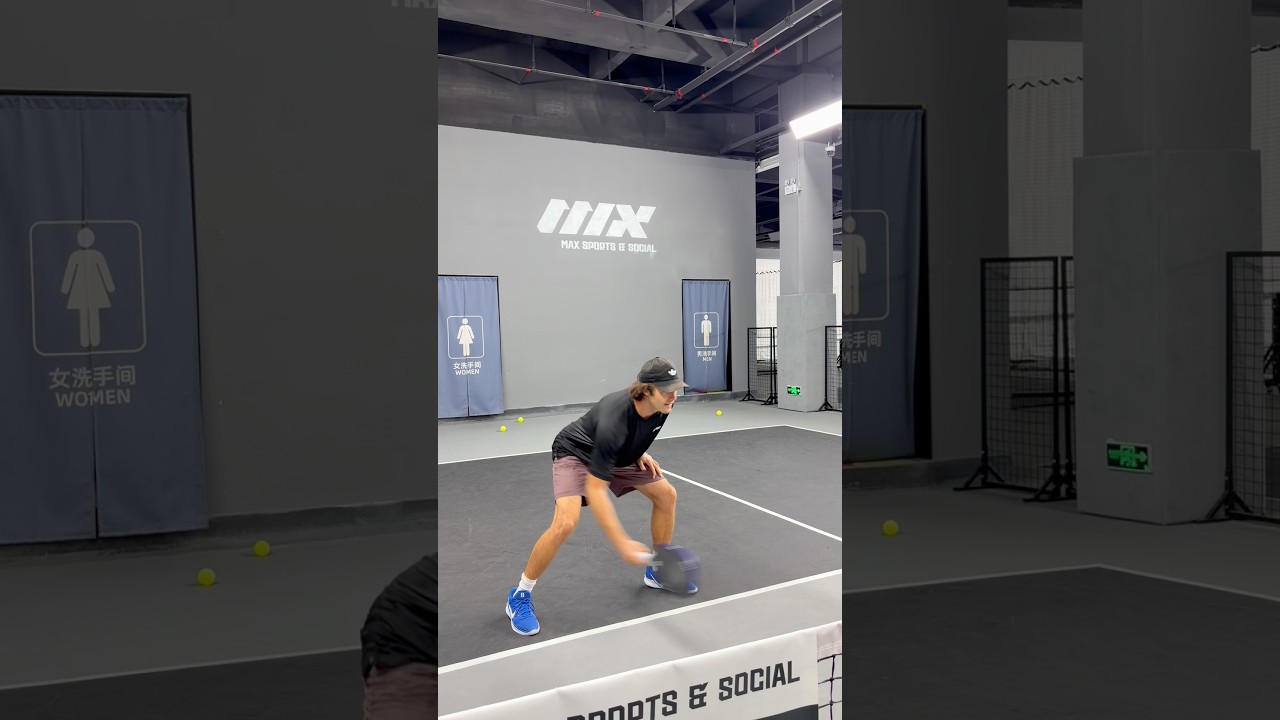
How to Hit a Crosscourt Dink in Pickleball
The crosscourt dink is one of pickleball’s most versatile shots, and mastering it requires understanding paddle positioning and footwork fundamentals. Learn the exact technique used by top players to control the net and dominate rallies.
Building the Habit: What Practice Should Look Like
Running the protect the line drill once will not change your default behavior on the court.
You need to bake these concepts into regular practice sessions so that reaching in becomes your automatic response, not a conscious decision.
Start every practice with a few minutes of the protect the line format before you get into crosscourt dinking.
This primes your brain for the volley-first instinct before bad habits have a chance to creep back in.
A strategy framework like modern pickleball’s four key strategies for winning in 2026 can help you slot this habit into a broader game plan.
Then use hand feeding to groove the set-and-snap flick in isolation.
Five minutes of hand tosses before live play means you are reinforcing clean mechanics when you are fresh, not just when you are already tired in a drill.
For a full structure on how to approach your sessions, see the best drills for a beginner pickleball training routine.
The biggest mistake you can make is treating these concepts as things you will figure out during a real game.
Games move too fast. You need the decisions already made and the movements already grooved.
That is what deliberate drilling does for you.
Treat this backhand dink drill like a non-negotiable part of warmups, not an occasional extra, and check a simple 4-step system to win more pickleball games in 2026 for how to build it into a full winning framework.
For players who want to build on this foundation, combining these backhand habits with solid topspin dink mechanics turns a defensive shot into a genuine weapon.
And if you are still getting attacked after your dinks, check out why your forehand dink keeps getting attacked so you can fix the pattern on both sides.
Finally, understanding how to step in on dinks gives you the footwork foundation to make all of this feel natural at full speed.
💡
Frequently Asked Questions
What is the protect the line drill in pickleball?
The protect the line drill is a dinking exercise where any ball that lands on or behind the kitchen line scores a point for your opponent. It forces you to take the ball out of the air as often as possible. The competitive scoring element makes the volley-first habit feel automatic faster than coaching cues alone.
When should I use a two-handed backhand versus a slice in dinking?
Use your two-handed backhand when the ball stays in front of you after a drop step and you can swing through contact cleanly. Use an open-face slice when the ball has gotten behind your hip and you need to neutralize the situation. Trying to rip a two-handed backhand from behind your body is one of the fastest ways to pop the ball up.
What is the set and snap technique for pickleball flicks?
Set and snap means getting your paddle into contact position early with the wrist loaded back, then driving forward with your shoulder and forearm before letting the wrist snap through at contact. Most players try to use arm and wrist at the same time, which creates timing errors. Separating those two movements builds much more consistent and precise flicks.
Where should I aim when I am in trouble on my backhand side?
Aim for the inside foot of the player directly in front of you, not back crosscourt. A crosscourt shot from a compromised position travels further and creates dangerous angles if it pops up even slightly. Going to the inside foot cuts the angle and keeps your partner in a safer position to defend.
How often should young pickleball players practice the backhand decision tree?
Junior players should drill the decision tree in every practice session, not just occasionally. The three-option system needs to become automatic before it shows up in match play. Short daily sessions focused on the volley-first instinct will produce visible improvement within a few weeks.
Nguồn: thedinkpickleball