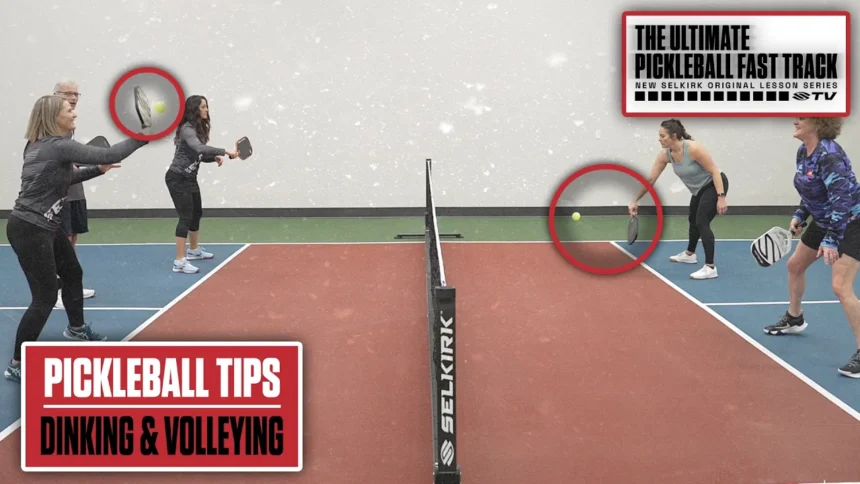
Pickleball dinking isn’t about power—it’s about precision and control. Master the fundamentals that separate beginners from competitive players.
If you’ve been playing pickleball for more than a few weeks, you’ve probably heard someone say that pickleball dinking is where matches are won.
They’re right. But here’s what most beginners get wrong: they think dinking is about hitting soft shots. It’s not.
It’s about controlling the kitchen with precision, balance, and a philosophy that separates pros from everyone else.
According to Selkirk TV, a leading pickleball education channel, the secret to pro-level dinking comes down to one principle: less is more.
That means fewer big swings, less wrist movement, and more strategic positioning.
In this guide, we’ll break down the exact techniques that will transform your dinking game.
Love pickleball? Then you’ll love our free newsletter. We send the latest news, tips, and highlights for free each week.
Why Pickleball Dinking Isn’t About Power
The biggest misconception about pickleball dinking is that you need to hit harder to win rallies. You don’t. In fact, the opposite is true.
Selkirk TV’s coaching philosophy emphasizes that the goal of dinking is to land the ball in the kitchen (the no-volley zone) and move your opponent around until they make a mistake or pop the ball up.
When you’re dinking, your grip pressure should sit around a 2 out of 10. That’s barely holding the paddle.
Between shots, you’ll relax to a 1, then firm up slightly to a 2 when you make contact.
This constant micro-adjustment keeps your hand supple and allows you to adjust your paddle angle without using your wrist.
Here’s the thing: no wrist movement is the golden rule.
Instead of flicking your wrist to lift the ball, you preset your paddle at the angle you need and let the ball’s natural fall do the work.
This removes a massive variable from your game and makes you far more consistent.
The Foundation: Feet, Stance, and Balance
Before you even think about hitting a dink, your feet need to be in the right position.
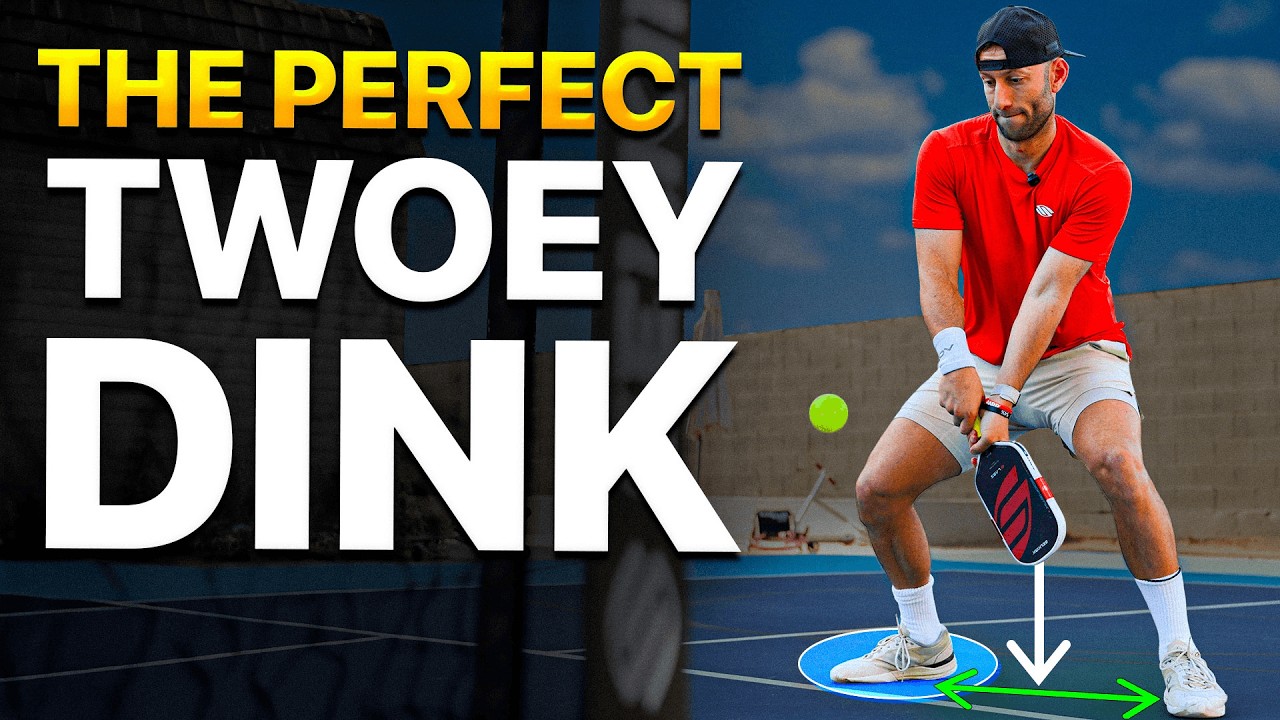
Pickleball dinking requires a wide, athletic stance—think basketball defensive position. Your feet should be shoulder-width apart or wider.
This wide base allows you to reach most balls by leaning and shifting your weight rather than taking big steps.
Why does this matter? Because movement is the enemy of consistency.
💡
The less you move your feet, the more stable your paddle stays, and the better your shot placement becomes.
When your feet are wide, you can cover a lot of court just by leaning forward or shifting side to side.
Your head position also matters more than you’d think. Keep your head close to the paddle head.
The closer your eyes are to the paddle, the better your control and precision.
You’ll hit your sweet spot more often, and your shots will be more accurate.
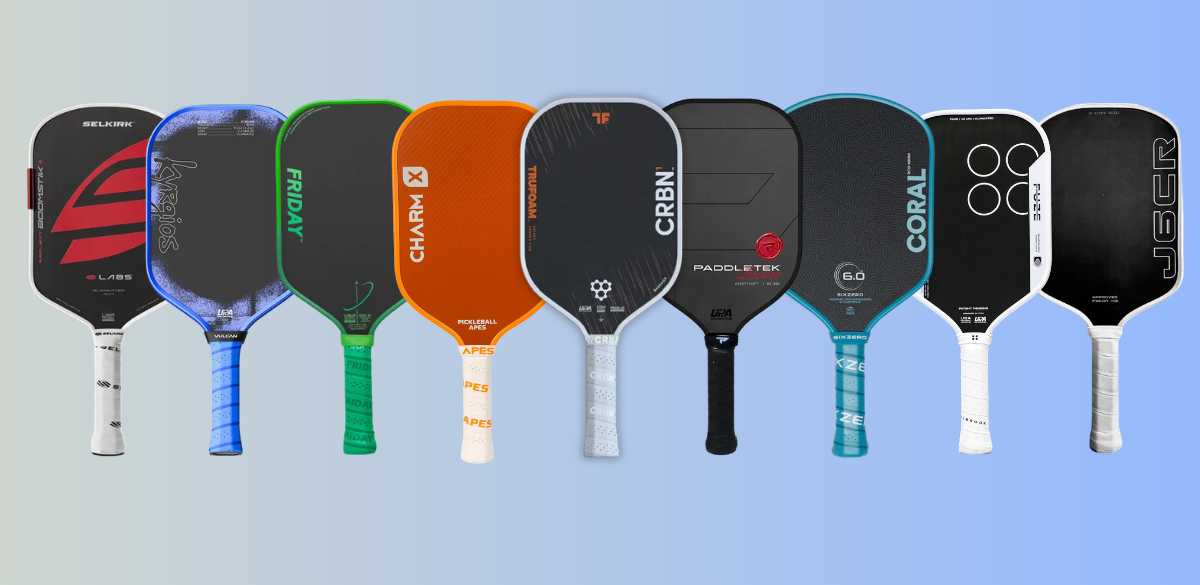
9 Power Paddles that Are Excellent at Dinking
Based on a unique blend of lab-tested power and consistency metrics, these paddles are proven to give you an edge in all three zones of the court.
The Grip Pressure Secret That Changes Everything
Most players grip their paddle too tightly during dinking.
This creates tension in your forearm and hand, which limits your ability to adjust your paddle angle quickly.
Grip pressure control is one of the most underrated aspects of pickleball dinking.
Here’s how it works: between shots, your grip pressure should be around a 1 (barely holding the paddle).
When you’re about to hit, you firm up to a 2. This constant relaxation and slight tension helps your hand stay mobile and responsive.
It’s like the difference between a clenched fist and an open hand—one is rigid, the other is fluid.
This technique is especially important when you’re hitting multiple dinks in a rally. Each time you hit, you’re resetting your grip pressure back down to a 1.
This rhythm keeps your hand from fatiguing and allows you to maintain precision throughout long rallies.
Top 3.5 Level Pickleball Mistakes to Fix Now
A top pickleball pro and coach breaks down exactly what 3.5 level pickleball mistakes are holding you back and how to correct them immediately.
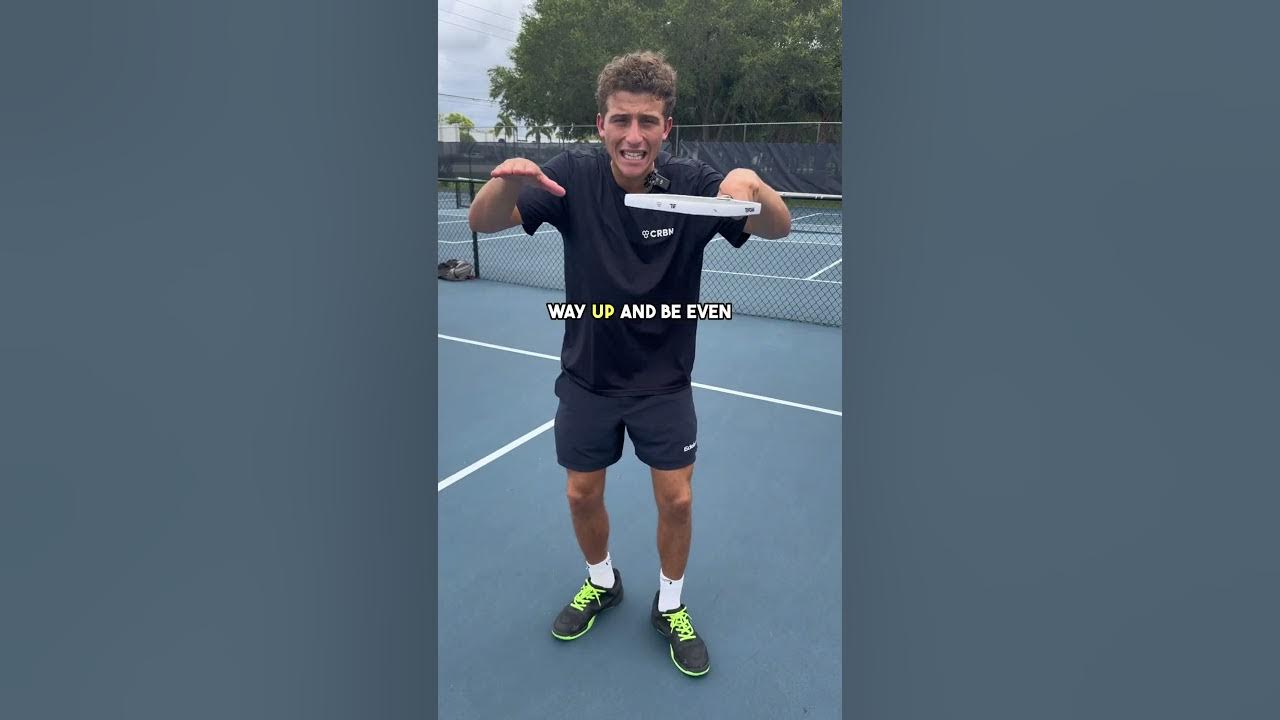
Letting the Ball Fall: The Most Important Dinking Principle
One of the biggest mistakes beginners make is hitting the ball on the rise.
When you hit a ball on the rise, you have to calculate multiple variables: the ball’s speed, its angle, and where it’s going. That’s a lot of math to do in a split second.
Instead, let the ball fall. When you drop the ball to start a dinking drill, watch how it bounces, reaches its apex, and then falls toward your paddle.
That’s the moment you want to hit it. By letting the ball fall, you eliminate the speed variable. The ball is moving slower, and you have more control.
This is why Selkirk TV recommends that beginners start their dinking drills by dropping the ball rather than hitting it out of their hands.
Drop it, let it bounce, let it rise to its apex, and then dink it as it’s falling.
You’ll make way fewer mistakes, and you’ll develop better habits from the start.
Pickleball Dink Strategy: Master the Neutral Game
This approach might not feel as satisfying as crushing a winner, but it’s far more effective. Over time, this mentality will show up in your win-loss record.
Paddle Position: Up and Out
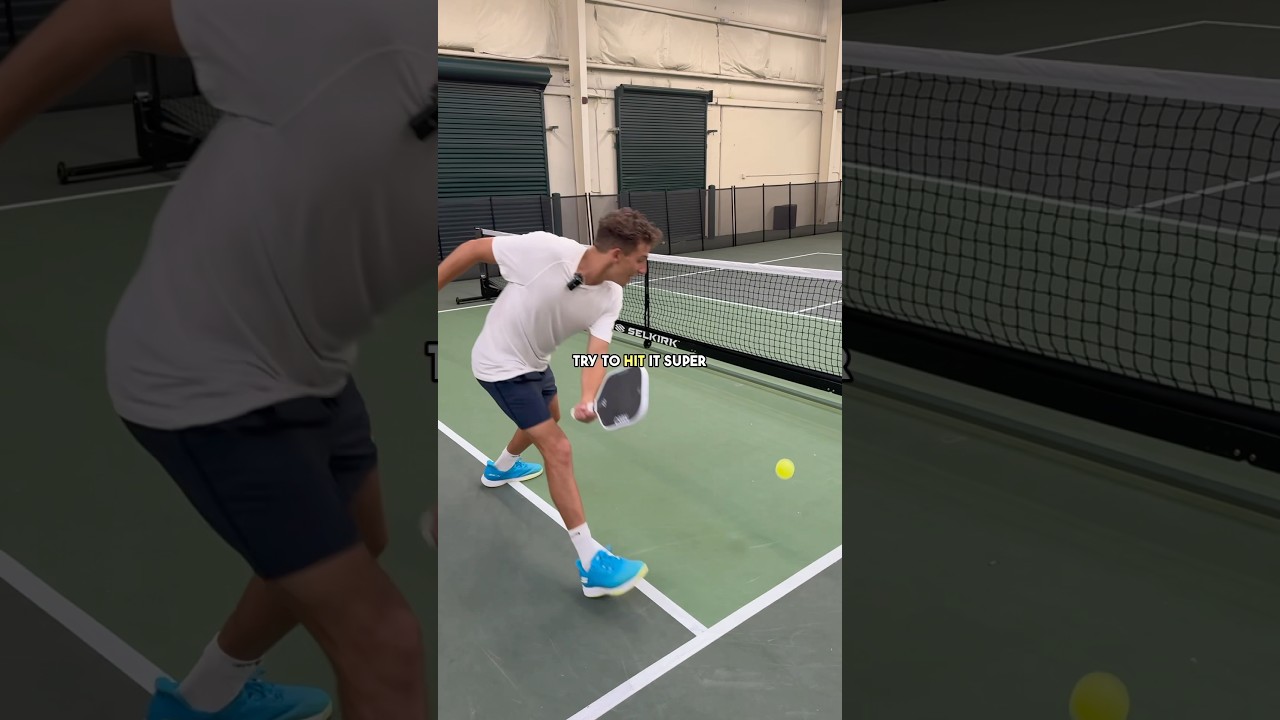
After you hit a dink, where should your paddle be? Most beginners naturally drop their paddle down or hold it at chest level. That’s a mistake.
Your paddle should be up and out in front of you.
Why? Because in pickleball, the kitchen is where matches are won. Balls are going to come at you fast, and you need to be ready to volley.
If your paddle is already up and out, you’re halfway to your volley position. You’re saving movement and preparing early.
Think of your paddle position as an aiming device. You look over your paddle at your target.
This keeps your eyes focused on where you want the ball to go, not on your paddle. It also naturally keeps your paddle up and ready for the next shot.
Stop Popping the Ball Up: Modern Pickleball Hand Speed and Paddle Positioning
Winning the kitchen today isn’t about swinging harder—it’s about creating space with your coil and controlling contact with smarter paddle positioning
The Forehand Dink: Soft Hands, Soft Touch
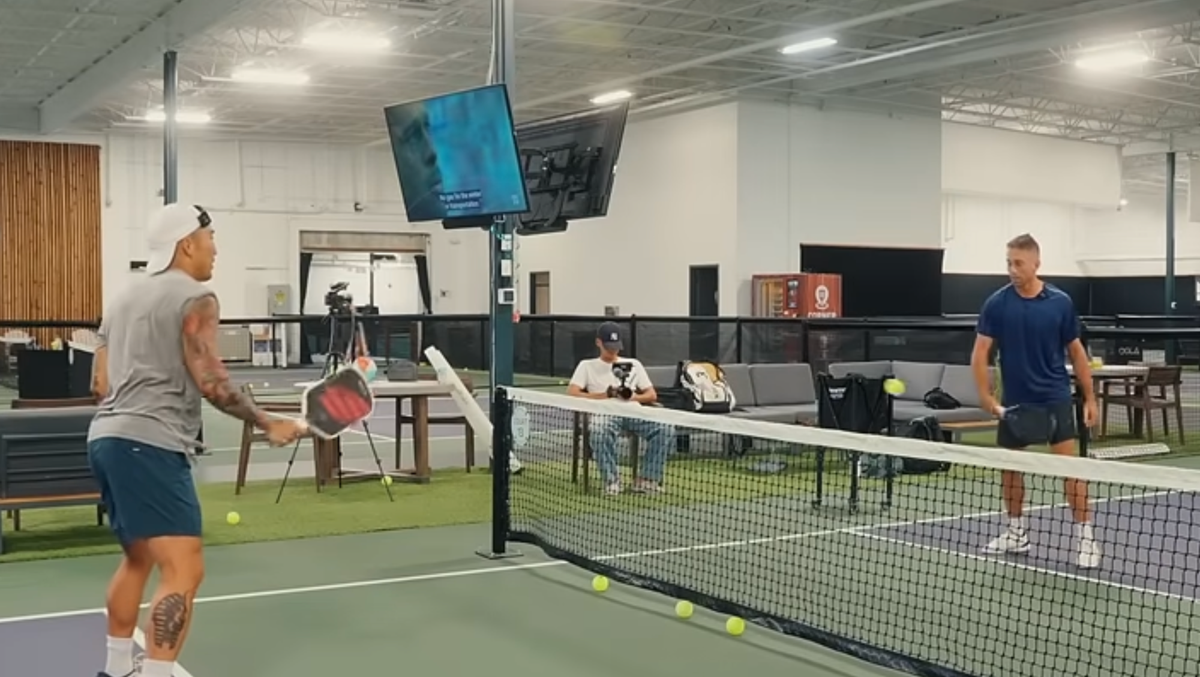
The forehand dink is your bread and butter. Here’s the technique: get your feet wide, open your paddle face slightly, and lift with your arm only.
No leg lift, no big backswing, no follow-through. Everything happens in front of you.
Your head should be close to the paddle. Your grip pressure should be light. And your paddle should be preset at the angle you need before the ball even arrives.
This preset is crucial because it means you don’t have to adjust your paddle angle during the shot.
You’re just making contact and letting the ball go where you’ve already aimed it.
The lift should be minimal.
You’re not scooping the ball; you’re gently lifting it over the net.
Think of it like catching a ball in a softball mitt. Your hands come out in front, your fingers point up, and you catch the ball softly.
That’s exactly how you hit a forehand dink.
Fix Your Forehand Dink: 3 Pro Tips from Connor Garnett
Sometimes the fastest way to improve your game isn’t to add more power, but to sharpen the tools you already have
The Backhand Dink: Elbow Out, Push Through
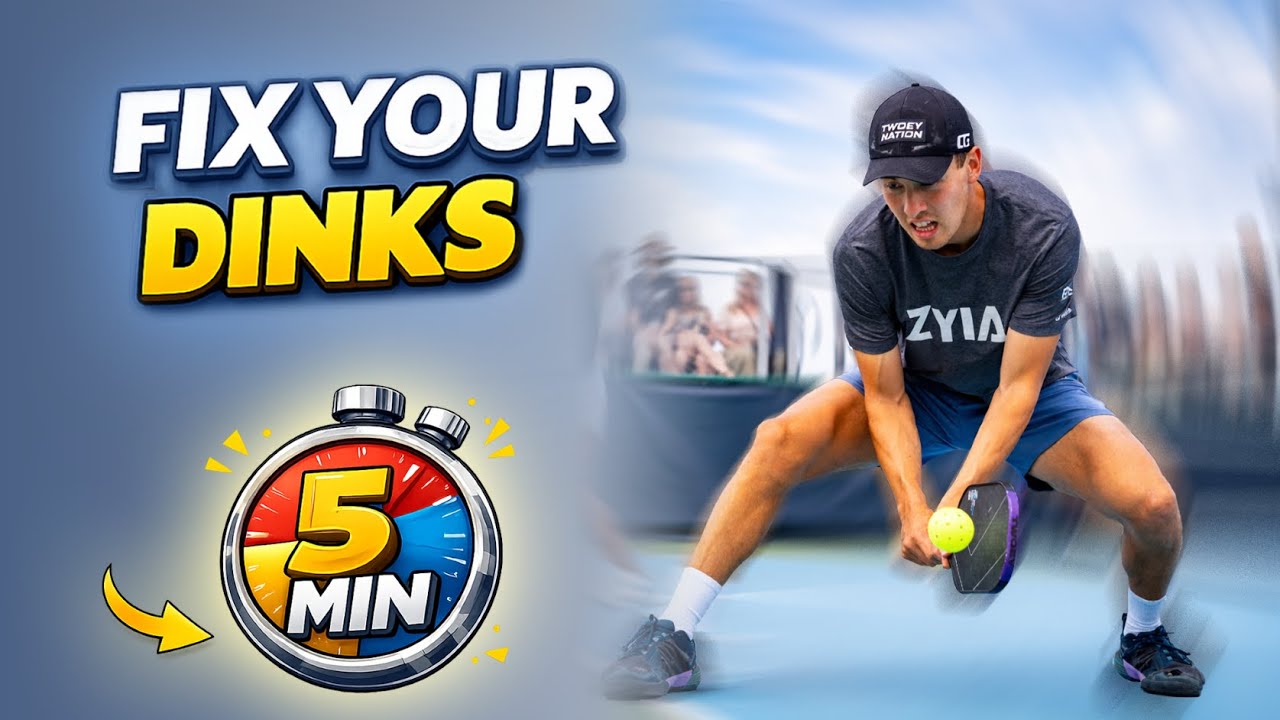
The backhand dink is different from the forehand, and this is where a lot of players struggle. The key is to get your elbow out and keep it out.
Your elbow should be away from your body, not tucked in.
Why? Because you’re using a forehand grip in pickleball (you don’t have time to switch grips), and that grip naturally wants to close the paddle face on the backhand.
By getting your elbow out, you create a flat wrist position that allows you to hit a clean backhand dink.
From your ready position, as soon as you know it’s a backhand, your elbow comes out and stays out. You pivot from your elbow and push through the ball.
No wrist, no big swing, just a simple push. Your paddle should be preset toward your target before you even make contact.
Master the Two-Handed Backhand Dink Like a Pro
Topspin is taking over pickleball. If you’re still relying solely on slice dinks, you’re playing too much defense. And nobody wins tournaments by playing defense.
Stepping Into the Kitchen: When and How
Here’s something that surprises a lot of beginners: you can step into the kitchen to hit a dink.
Many players think the kitchen is completely off-limits, but that’s not true. You can’t volley in the kitchen, but you can step in to hit a dink if the ball is short.
In fact, if you have to reach for a short ball, stepping into the kitchen early is the right move.
Step with your paddle-side foot (your right foot if you’re right-handed). This gives you more reach than stepping with your opposite foot.
Think of a fencer’s lunge—you’re extending your paddle-side leg to maximize your reach.
Advanced Pickleball Attacking Strategy at the Kitchen Line
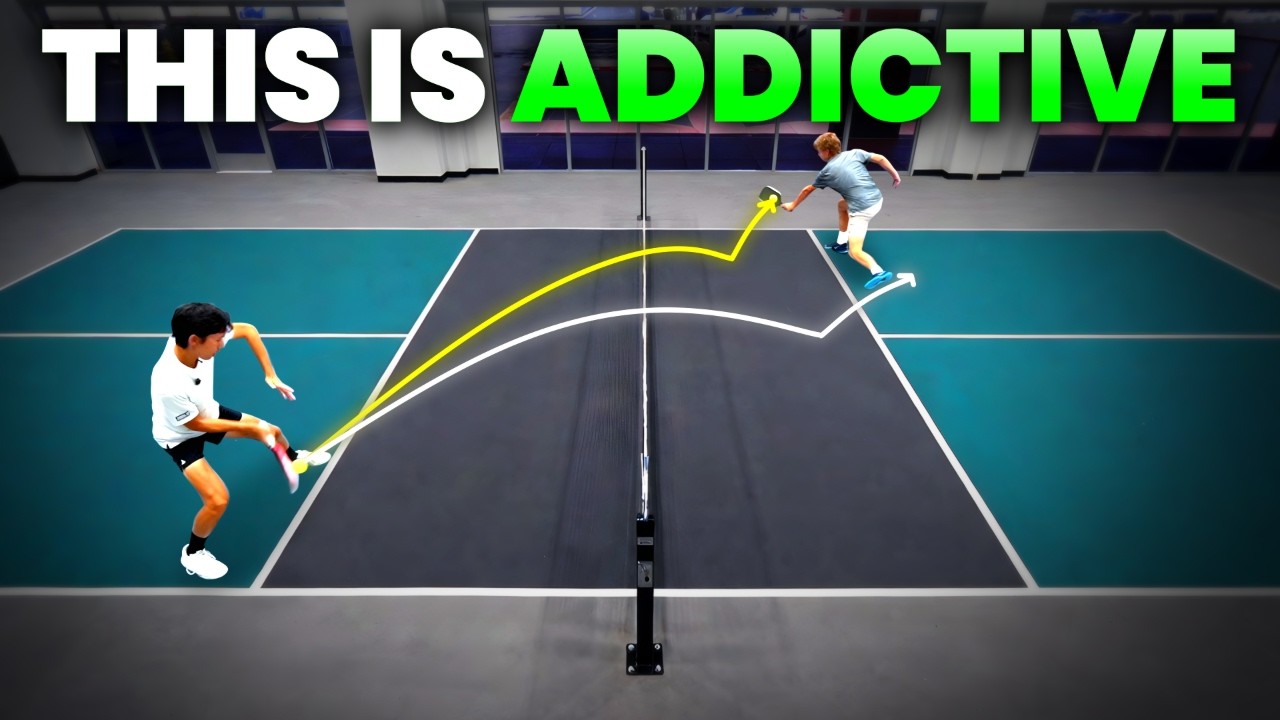
There are only three ways to attack at the kitchen line in pickleball. From speed ups off the bounce to reaching in for air attacks, here’s what separates the winners from the rest.
The Cooperative Dinking Drill: Building Your Foundation
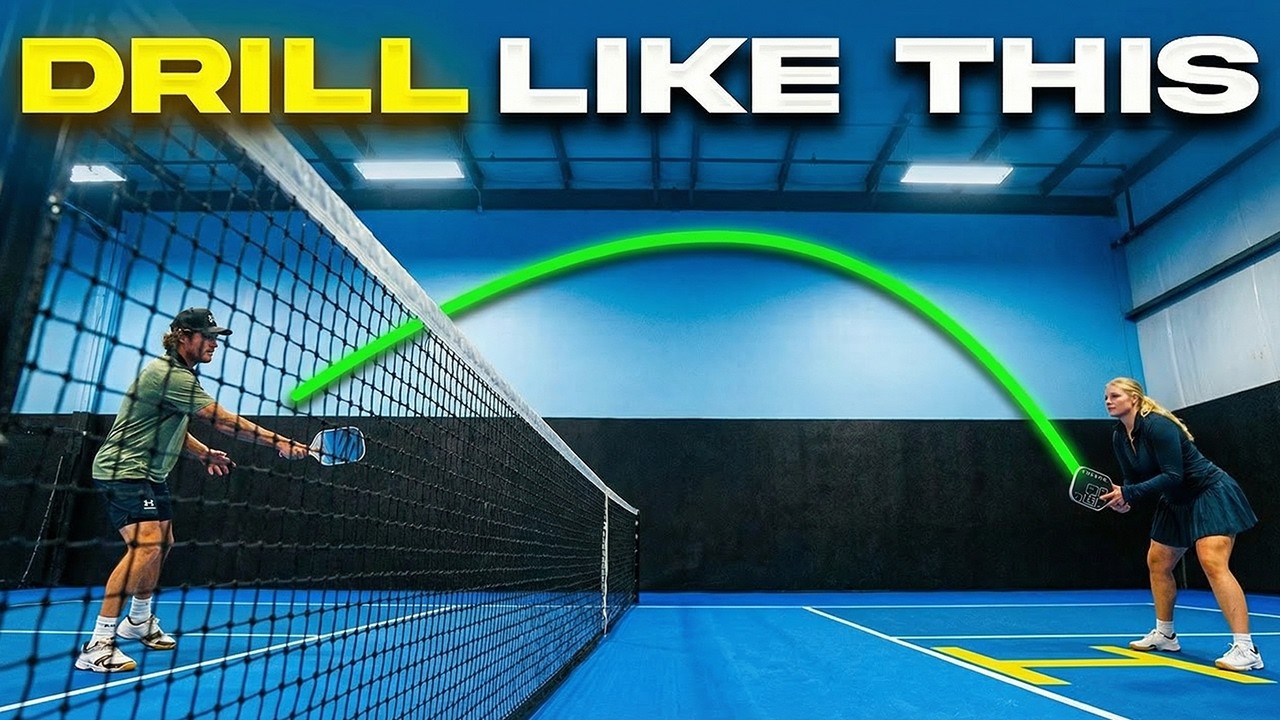
The best way to develop your dinking skills is through cooperative dinking drills.
This means you and your partner are working together, not trying to hit winners. You’re just trying to keep the dink rally going.
Start by dropping the ball and letting it bounce and fall before you dink it. This builds the habit of hitting on the fall rather than on the rise.
Once you’re comfortable, you can progress to hitting dinks back and forth without dropping the ball first.
During these drills, focus on three things: keeping your feet wide, keeping your paddle up and out, and relaxing your grip between shots.
If you can master these three fundamentals, your dinking will improve dramatically.
7 Pickleball Drills That Work for Every Level
Pro player Michael Loyd shares 7 pickleball drills designed to build real consistency and fix the weaknesses keeping you stuck.
Volleys: The Natural Progression From Dinking
Once you’ve mastered dinking, volleys are the next step. A volley is hitting the ball out of the air before it bounces.
And here’s the good news: if you’ve been dinking correctly, you’re already halfway to a good volley.
Your feet should still be wide. Your paddle should still be up and out. The only difference is that you’re hitting the ball before it bounces.
Your grip pressure might firm up slightly (to around a 3 or 4) because you’re hitting a faster ball, but the fundamentals remain the same.
The forehand volley is like catching a ball in a softball mitt. Your hands come out in front, and you catch the ball softly.
The backhand volley is a push, just like the backhand dink, but you’re hitting a ball that’s already in the air.
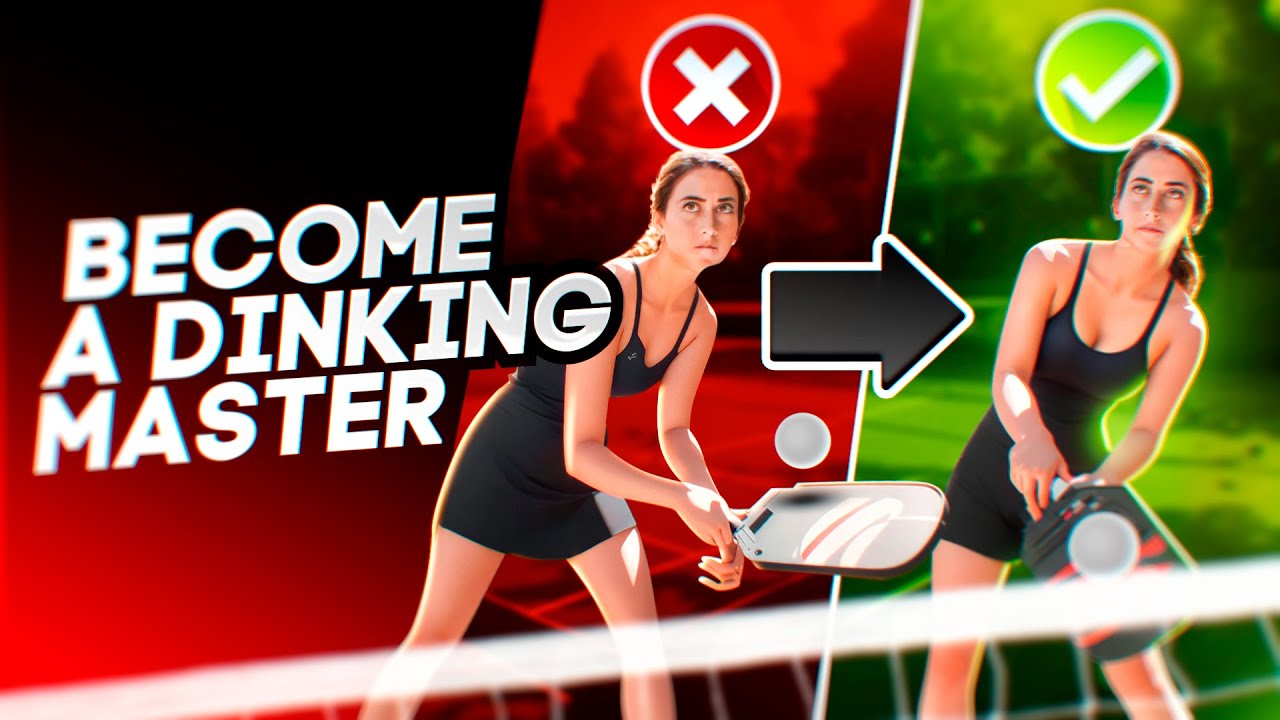
Pickleball Dinking Technique: The Complete Beginner’s Guide
This guide breaks down everything you need to know about proper dinking form, grip, stance, and drills to dominate at the kitchen line.
Why Kitchen Control Wins Matches
Here’s the reality: the team that controls the kitchen wins the match. This isn’t a philosophy; it’s a fact.
When you’re at the kitchen line hitting dinks and volleys, you’re in a position to attack. Your opponent is either at the baseline or trying to get to the kitchen.
By mastering pickleball dinking, you’re putting yourself in position to win.
You’re controlling the rally, moving your opponent around, and waiting for them to make a mistake. That’s how you win at pickleball.
💡
Frequently Asked Questions
What is the correct grip pressure for pickleball dinking?
Your grip pressure should be around a 1 or 2 out of 10 during dinking. Between shots, relax to a 1. When you’re about to hit, firm up slightly to a 2. This constant micro-adjustment keeps your hand supple and allows you to adjust your paddle angle without using your wrist.
Should I use my wrist when dinking in pickleball?
No. One of the fundamental rules of pickleball dinking is to avoid wrist movement entirely. Instead of flicking your wrist to lift the ball, preset your paddle at the angle you need and let the ball’s natural fall do the work. This removes variables and makes you far more consistent.
Why should I let the ball fall instead of hitting it on the rise?
When you hit a ball on the rise, you have to calculate the ball’s speed, angle, and trajectory. When you let the ball fall, it’s moving slower and you have more control. Hitting on the fall eliminates variables and leads to fewer mistakes, especially for beginners.
What’s the difference between a forehand and backhand dink?
The forehand dink is a lift with your arm, with your head close to the paddle and your grip light. The backhand dink is a push with your elbow out and away from your body. Both require a wide stance and preset paddle position, but the mechanics differ slightly.
How do I know when to step into the kitchen?
You can step into the kitchen to hit a dink if the ball is short. If you have to reach for a short ball, stepping into the kitchen early is the right move. Step with your paddle-side foot to maximize your reach.
Nguồn: thedinkpickleball