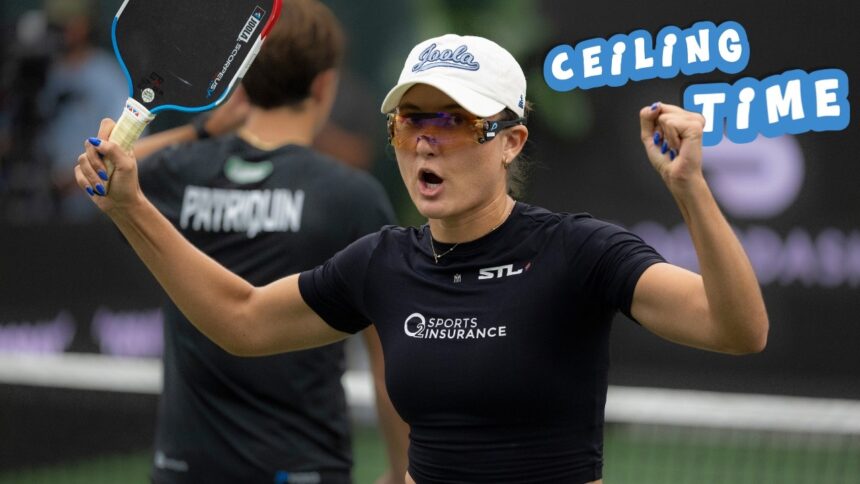
If your opponents feel too comfortable, your pickleball improvement has stalled at the ceiling level. Here is exactly how to fix that with variety and pressure.
You have been grinding for months. Your pickleball improvement feels real during drilling, but in actual matches something is missing.
Opponents just keep playing freely against you, like they have nothing to worry about.
That feeling is a ceiling problem. It is not about errors or giving away points. It is about the fact that you are not making anyone uncomfortable.
This breakdown comes from Anna Bright on YouTube, the No. 2 ranked women’s pro in the world, who walks through exactly what separates players who apply real pressure from those who simply keep the ball in play.
Love pickleball? Then you’ll love our free newsletter. We send the latest news, tips, and highlights for free each week.
Floor vs. Ceiling: Which Problem Are You Actually Solving?
Most pickleball coaching talks about your floor.
That is your baseline consistency, your third shot drop, your dink tolerance, your ability to get to the kitchen line reliably.
If you are losing because you keep giving points away, that is a floor problem.
Your ceiling is different. It is the upper limit of the pressure you can apply when you are operating well.
Here is how to know which one needs work right now. Watch yourself play. Get a phone and a tripod.
Record a few matches and actually review the footage before you decide anything.
If you watch yourself back and you are not dumping the ball in the net or popping it up constantly, but your opponents are still winning comfortably, you probably have a ceiling problem.
You are not losing because of what you are doing. You are losing because of what you are not doing.
What Does “Ceiling Development” Actually Mean?
It means working on two things at once: your pickleball IQ and your variety, the two engines behind every meaningful stretch of pickleball improvement.
Variety is your full arsenal. It includes every shot available to you on any given ball, across all positions on the court. Can you move the ball to multiple spots?
Can you mix your speed, spin, and shape? Can you create a threat both out of the air and off the bounce on your forehand and backhand?
IQ is knowing when to actually use those shots. You can have every weapon in the book, and if you reach for the wrong one at the wrong time, it does nothing.
These two have to develop together. That is the part most players skip.
💡
Do You Have a Weapon on Both Wings?
This is the most honest question you can ask yourself right now.
If you have nothing threatening off your backhand, either out of the air or off the bounce, a smart opponent is going to hit you there all day.
They do not need to think. They do not need to mix anything up.
They just keep feeding the safe side until you eventually try something you cannot actually execute.
The same logic applies to the forehand side. A weapon is not a shot you can make once in a while.
It is something that legitimately forces your opponent to think twice before targeting that wing.
5 Shots That Fix 3.0 Pickleball Mistakes Fast
Most 3.0 pickleball mistakes happen in the first five shots of every rally. Fix these five specific problems and you will win more matches at your next tournament.
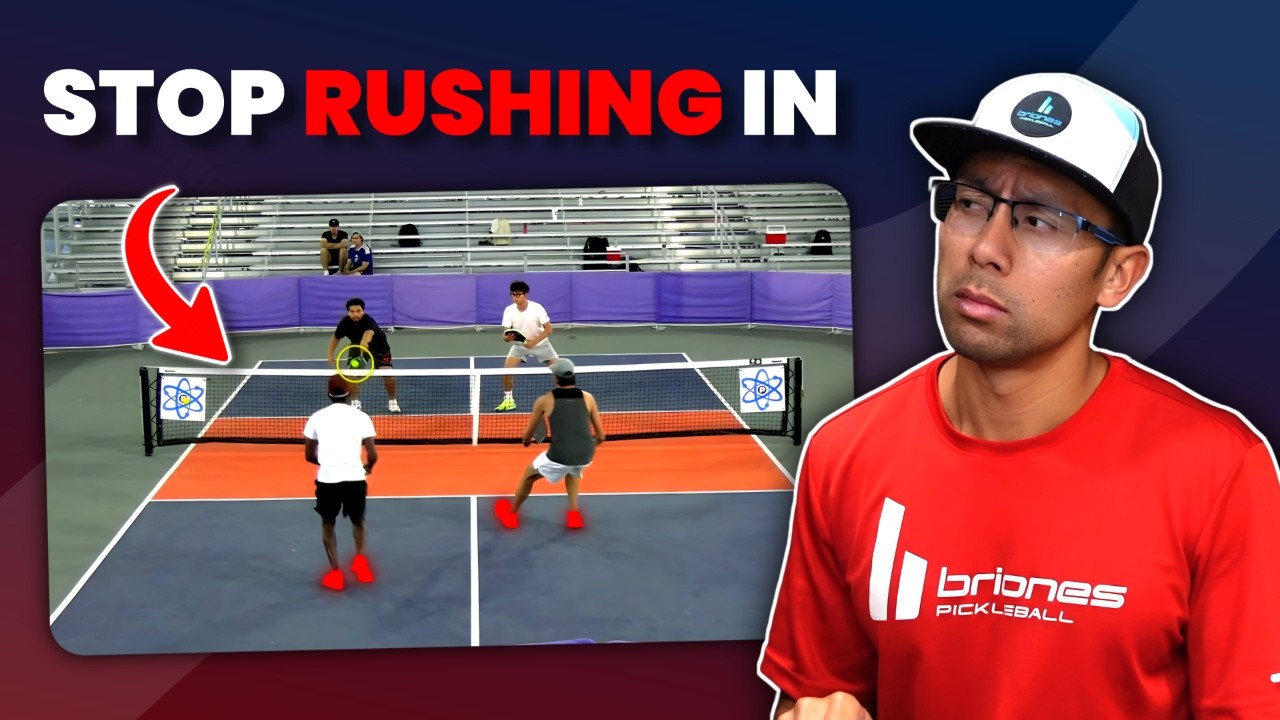
Here is the framework to inventory your own game:
- Forehand out of the air: Can you speed up or redirect with real intention and control?
- Forehand off the bounce: Do you have a shot that creates problems when the ball sits up even slightly?
- Backhand out of the air: Can you flick or redirect with pace from this side?
- Backhand off the bounce: Is there anything here that makes opponents hesitate?
You do not need all four to be elite right now. But you need at least one per side. Zero on either wing is a recipe for being targeted endlessly at higher levels.
Anna Bright spent serious time developing her backhand flick specifically because she was tired of being a safe zone out of the air.
Building that weapon is pickleball improvement in its most literal form.
Ben Johns, JW Johnson, and Christian Alshon all worked to build a two-handed backhand not because it looked interesting, but because they were missing a weapon off the bounce on that side.
The best players in the world identify gaps and fill them. That is all this is.
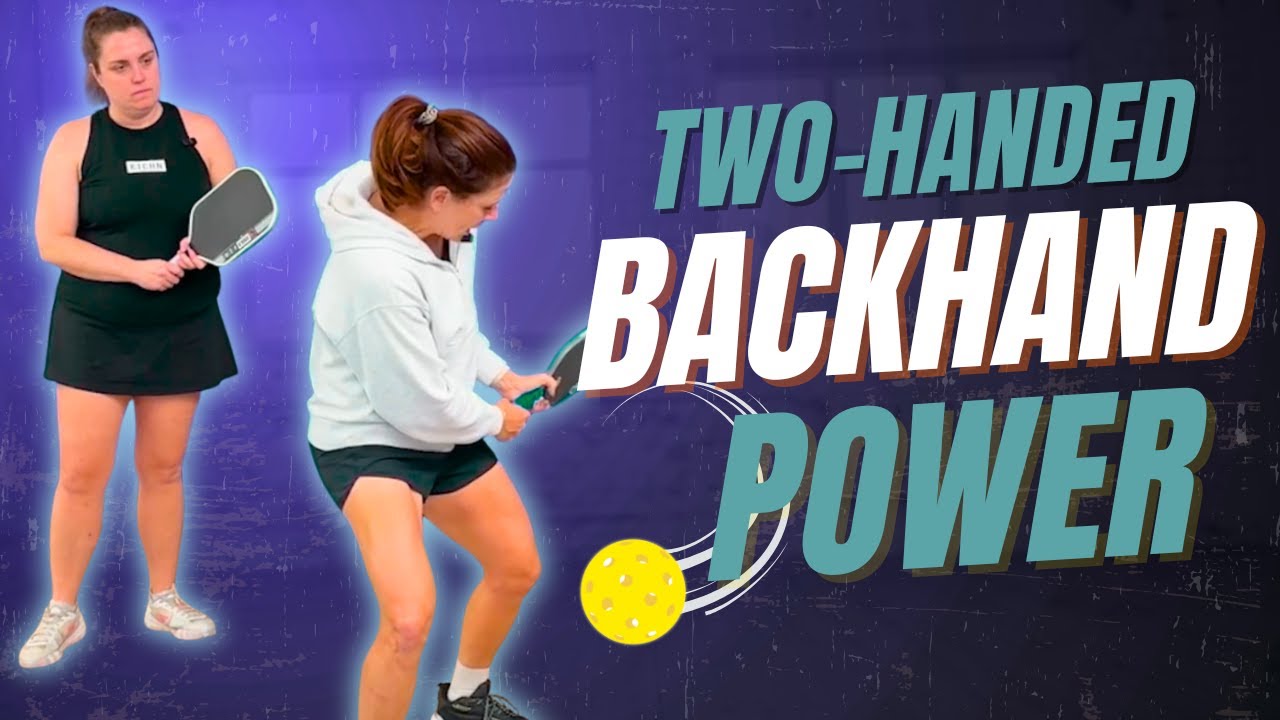
From Weak to Weapon: How to Wreck a Two-Handed Backhand Drive in Pickleball
Many players think the two-handed backhand is all about arm strength and paddle speed. But that’s backwards. The real power comes from the ground up.
Why Consistency Still Matters When You’re Adding Weapons
There is no variety without consistency.
This is the most important thing to understand at the ceiling development stage, and it is where a lot of players go wrong.
If you start adding flicks and speed ups but your dink consistency falls apart, you are trading one problem for another. You still lose. You just lose differently.
Keep your reset game sharp. Keep your third shot drop reliable. Keep your dink tolerance high. Variety stacks on top of those foundations.
It does not replace them.
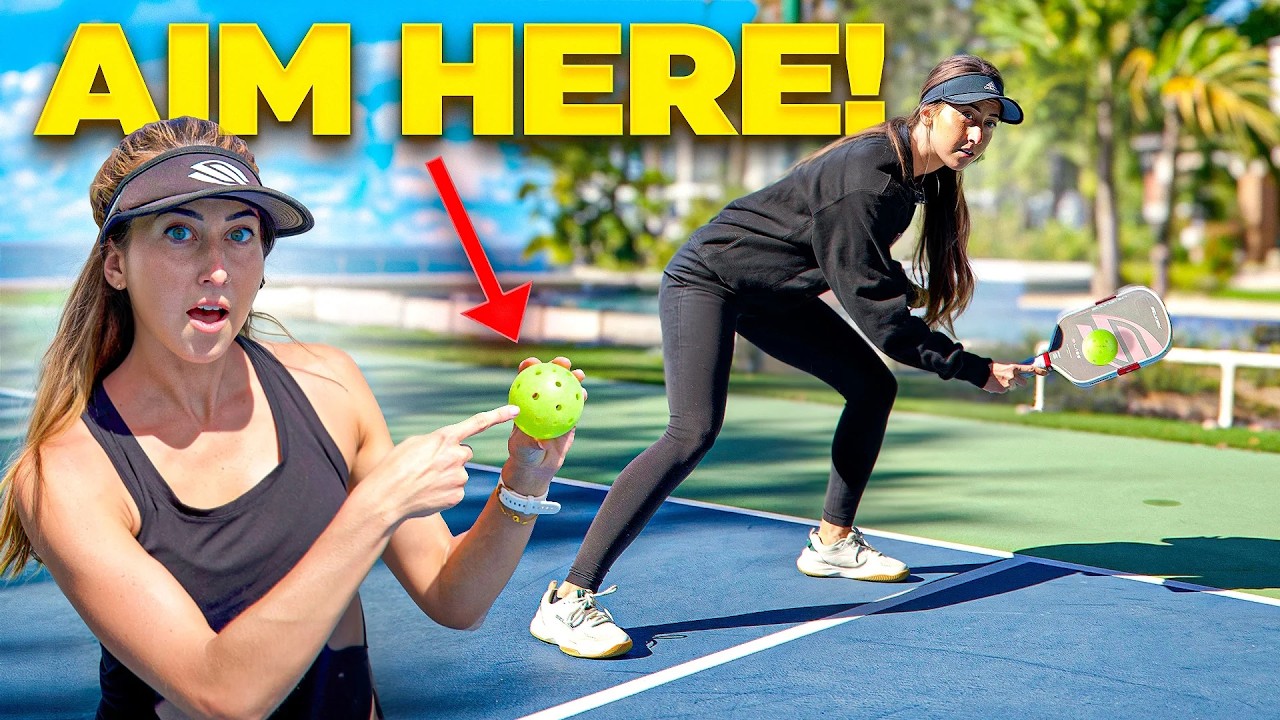
3 Pickleball Consistency Tips to Level Up Your Game
Want to become a more consistent pickleball player? A top pro just broke down the 3 pickleball consistency tips that separate amateurs from advanced players. Here’s what you need to know.
What Is Pressure, Really?
Pressure in pickleball has a very specific meaning, and it is not the same as hitting the ball hard.
Pressure is the process of making your opponents feel suffocated.
It means they feel like any mistake they make, no matter how small, will be punished completely. If they leave the ball an inch too high, they are getting sped up.
If they hit a dead dink, you are already loading up and threatening them before the ball even arrives.
That is the definition Anna Bright uses inside her academy, and it is a much more useful one than any abstract idea about mental toughness.
If you hit every single ball as hard as you possibly can, you are not applying pressure. You are just making errors and giving points away.
Knowing when to speed up is the actual skill.
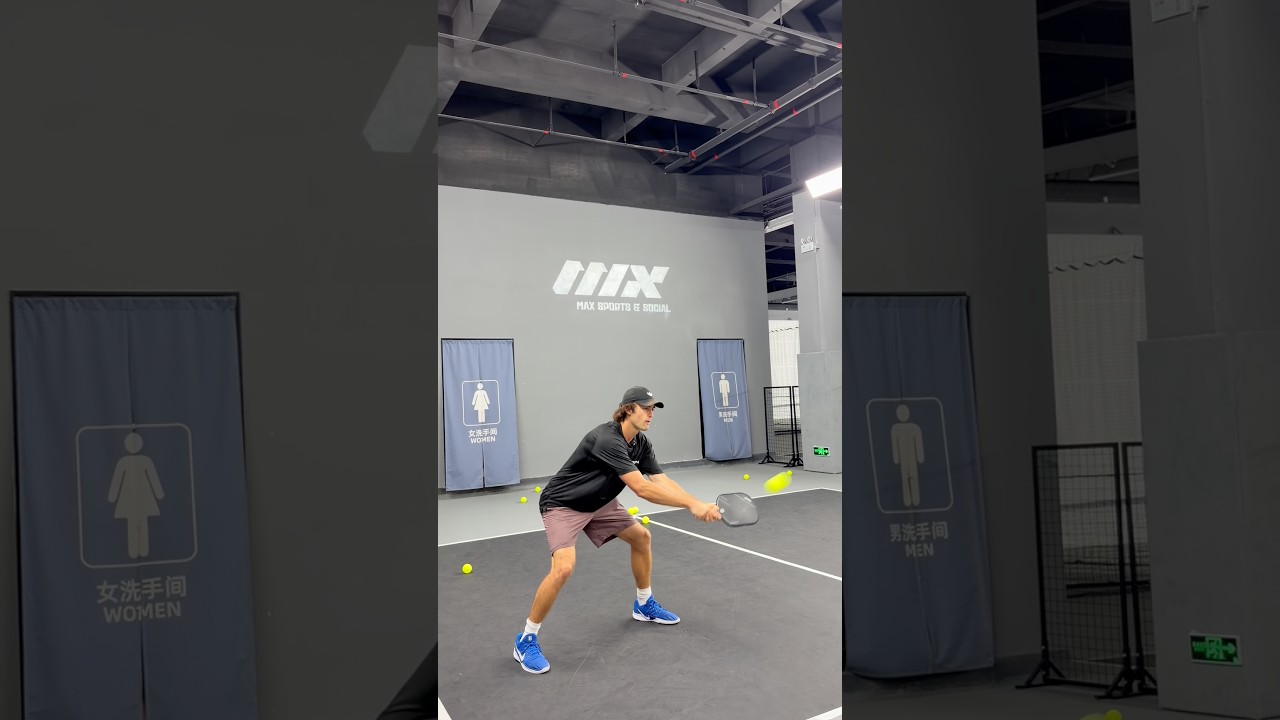
How to Hit Pickleball Resets Under Pressure
A pickleball reset is one of the most valuable shots in the game, but executing it under pressure separates good players from great ones. This drill teaches you to master the pickleball reset by alternating between aggressive attacks and defensive resets.
How Do the Best Players Apply Pressure?
Every elite player applies pressure differently. Understanding that will help you find your own version.
- Ben Johns makes you feel suffocated through near-zero errors, perfect decision-making, and the constant threat that any slight mistake on your end will be fully capitalized on. He barely has to speed the ball up. You already feel the weight of playing him before anything happens.
- Anna Leigh Waters applies pressure through crippling variety. She can dink you to exhaustion, and she can also speed up almost any ball. Nothing feels safe because she genuinely has something to do from every position.
- Hayden Patriquin applies pressure through incredibly aggressive dinks combined with elite variety. He is not just keeping you honest. He is actively hunting you during the dink exchange.
None of these players look the same. But they all share one thing. They make their opponents feel like nothing is safe.
Your version of pressure might lean toward consistency and anticipation. It might lean toward variety and aggression.
You need to figure out which fits your game, then build in that direction deliberately.
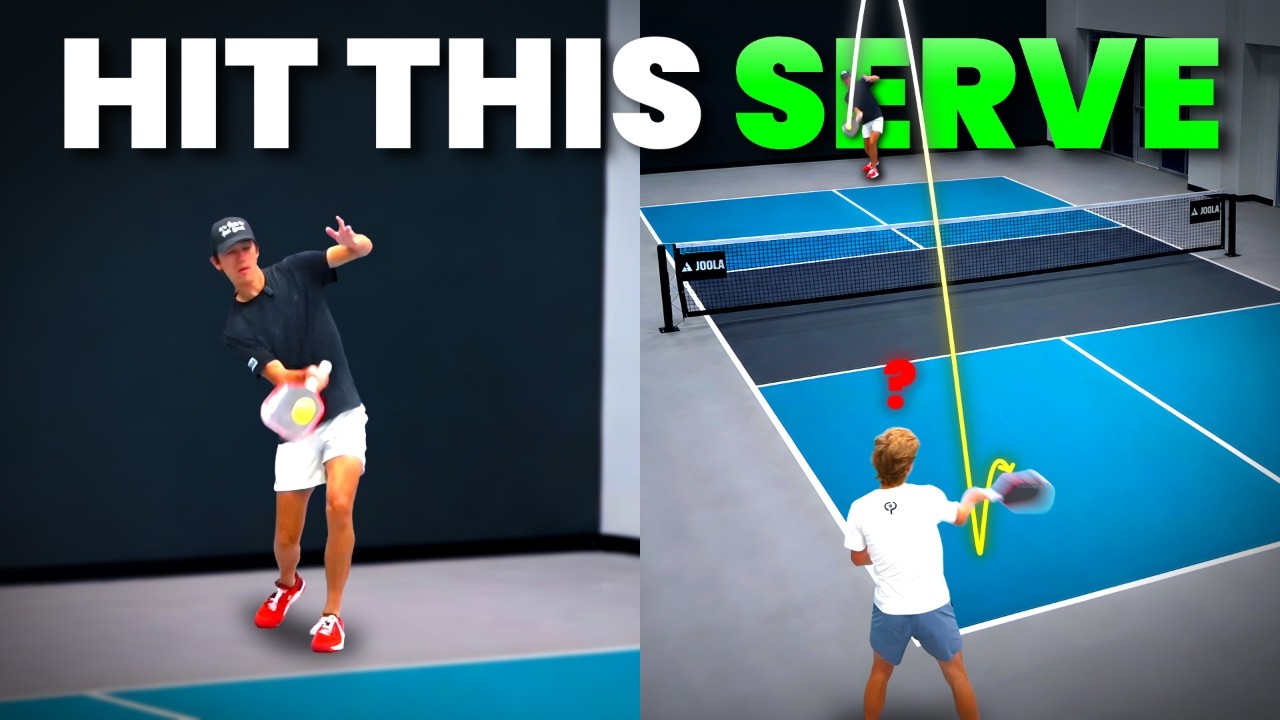
3 Pickleball Serves That Create Instant Pressure
Most players hit the same flat pickleball serve every point. These three serves add power, height, and spin so you win the first ball more often.
What Should You Be Looking For When You Watch Yourself Back?
Most players watch themselves back and focus on the mistakes they made. That is the wrong thing to look for at the ceiling stage.
You need to look for all the times you could have applied pressure but did not. Those are the moments that matter most.
Here are specific things to watch for:
- You had a chance to load your legs and threaten a speed up, but you just dinkied softly instead.
- Your opponent was working back to the kitchen line and you hit the ball shallower than necessary, giving them an easy reset window.
- You were covering the line too heavily when your opponent had never proven they could go there. You should have been pressuring the middle.
- A dead dink sat right in front of you and you played it safe instead of getting there early and showing aggression.
- You had a ball off the bounce that sat up slightly and you defaulted to neutral instead of attacking.
Better players are doing more in these small moments, consistently.
That gap between what you did and what you could have done is exactly where your ceiling development lives.
Tight decision-making in these split-second moments is what separates players who apply real pressure from those who just hit the ball back.
Smart Shot Decisions Beat Power in Advanced Pickleball
Every rally is a series of small choices, and those choices determine whether you win or lose.
The Cheat Code Most Players Overlook
If you want a fast track to applying more pressure, work on your fourth shot.
The fourth shot happens on almost every single point.
Getting better at keeping your opponents back with the fourth shot will immediately make you harder to play against.
It is one of the highest-leverage things you can do right now without adding any new shots at all.
Most players treat the fourth shot like a throwaway transition. Smart players treat it like an offensive opportunity.
That mindset shift alone will change what happens in your rallies.
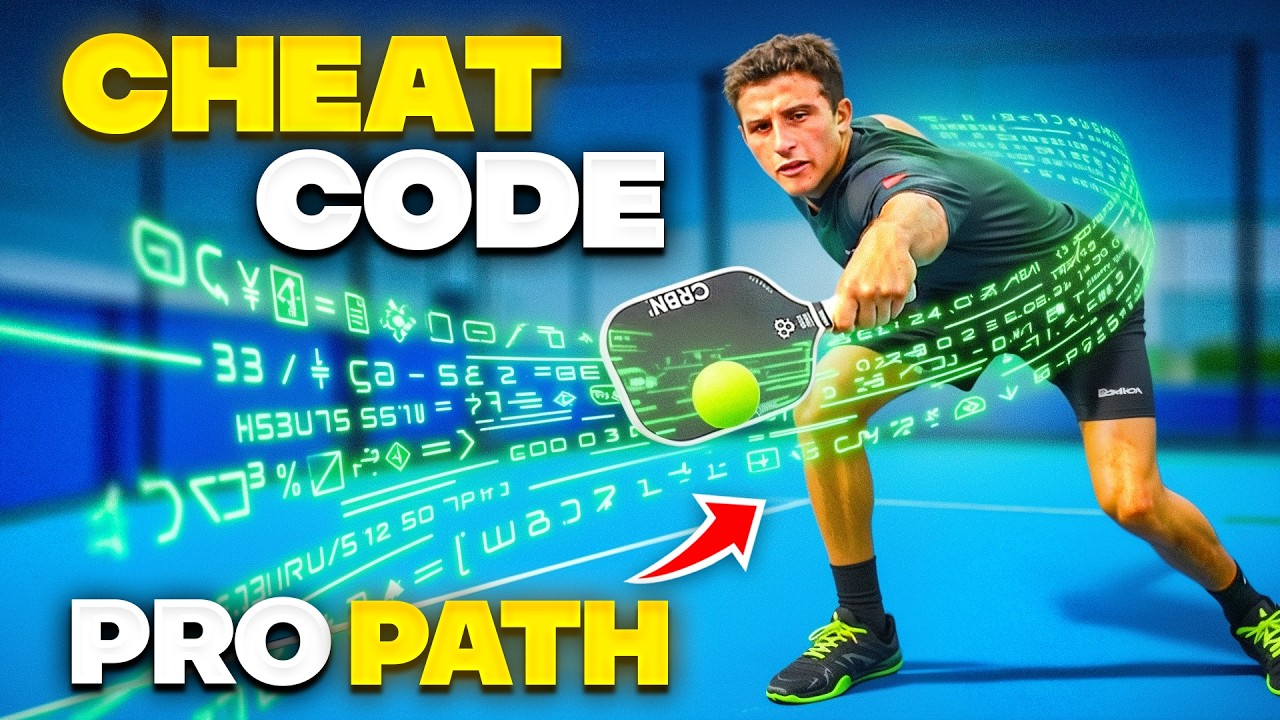
6 Pickleball Cheat Codes the Pros Actually Use
Start with one, nail it, then add another – before long, you’ll be playing like you’ve got secrets too
How to Put This Together in Your Drilling Sessions
When you are in a ceiling development phase, your practice needs to shift. You still need to work on your floor, yes.
But your drilling sessions should include specific shot development that you would not have prioritized before.
Work on specific weapons. If your backhand out of the air is your gap, spend real reps on your backhand flick.
If you have no off-the-bounce weapon on the backhand, study how pros build that shot. If your speed up decisions are inconsistent, drill the patterns specifically.
Then go watch yourself play again. Find the moments you did not apply pressure. Go back and train those exact scenarios.
This is a loop, not a one-time fix. Ceiling development is ongoing at every level of the game.
💡
Frequently Asked Questions
How do I know if I have a ceiling problem versus a floor problem in pickleball?
Watch yourself on video. If you are losing because of unforced errors and self-inflicted mistakes, that is a floor problem. If you are playing clean but opponents feel comfortable and relaxed against you, that is a ceiling problem.
What does it mean to apply pressure in pickleball?
Pressure in pickleball means making your opponent feel like any small mistake will be fully punished. It is not about hitting hard every time. It is about making them feel like nothing is safe, whether through variety, consistency, or aggressive positioning.
Do I need weapons on both my forehand and backhand side?
Yes, ideally you want weapons both out of the air and off the bounce on each wing. At minimum you need one threatening option per side. If you have a completely safe spot, smart opponents at higher levels will target it all match.
How do I add variety without wrecking my consistency?
Work on new shots in drilling sessions before bringing them into match play. Do not abandon your baseline consistency while adding weapons. Variety builds on top of consistency, it does not replace it.
What is the fastest way to start applying more pressure in my current game?
Work on your fourth shot first. It happens on almost every point, and getting better at keeping opponents back with that shot will immediately make you harder to play against without requiring you to add any brand new skills.
Nguồn: thedinkpickleball