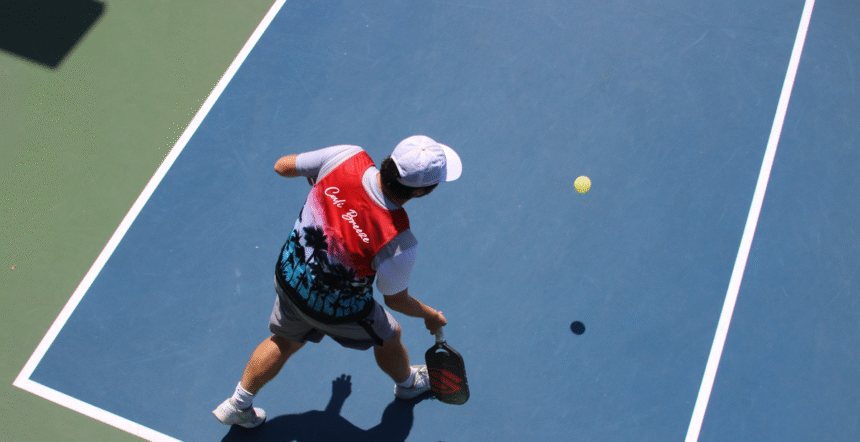
This pickleball rules cheat sheet breaks down scoring, serve rules, kitchen violations, and faults so you stop losing arguments at 6 all. Print it, fold it into your bag, and settle the debate before it starts.
Here’s the uncomfortable truth: most players who have logged 200-plus matches still can’t tell you the actual two-bounce rule without hedging.
This pickleball rules cheat sheet fixes that.
Not with a wall of legal text ripped from a rulebook PDF, but with the stuff that actually comes up mid-rally: scoring, serves, kitchen violations, and the faults that end more matches than bad footwork ever will.
Love pickleball? Then you’ll love our free newsletter. We send the latest news, tips, and highlights for free each week.
What’s Actually in a Pickleball Rules Cheat Sheet?
A real pickleball rules cheat sheet covers five things: scoring, serving, the non-volley zone, faults, and the handful of differences between doubles and singles play.
Everything else is trivia.
Most printable pickleball rules sheets you’ll find online are either too dense to read courtside or too thin to settle an actual dispute.
This one splits the difference. It’s built for the argument that happens at 8 all, not the full certification course a referee would sit through.
Keep it folded in your bag next to your paddle, because the rule you forget is always the one that costs you the point.
The USA Pickleball official rulebook, updated for the 2026 season, lists roughly 30 core rules. You need about a dozen of them cold.
How Do You Use a Pickleball Rules Cheat Sheet Mid-Match?
Fast. That’s the whole point. Nobody pulls out a laminated page to settle a dispute at 9-8.
The real value of a pickleball rules cheat sheet is what it teaches you before the match, so the rule is already loaded in your head when the moment hits.
Read it once before you play, again after your first rec league argument turns you into a savage on the courts, and you’ll have most of it memorized within a month.
Pickleball’s participation numbers back up why this matters more every season.
The Sports & Fitness Industry Association’s 2026 report put pickleball among the fastest-growing sports in the country again, which means more new players on your court who genuinely don’t know these rules yet, even the ones covered in basic beginner tips. Someone has to be the one who does.
💡
Scoring Rules That Decide Matches
How does pickleball scoring actually work?
Only the serving side can score a point, games go to 11 (win by 2), and the server calls out three numbers before every serve: their score, the opponent’s score, and the server number (1 or 2) in doubles.
Watch the callouts in something like the greatest mixed doubles match ever played and you’ll hear it happen almost automatically.
That third number trips up more leagues than any other part of the pickleball scoreboard.
Here’s the catch: at the start of a doubles game, only one player serves before the side loses the serve, not two.
The server number resets to “2” for the receiving side going forward. Miss that detail and you’ll spend your entire first game arguing instead of playing.
Rally scoring exists in some formats, but the standard rec-league and tournament format under USA Pickleball rules still uses side-out scoring.
If your local group plays rally scoring, that’s more of an on-court ritual than an actual rule, not the official rules of pickleball.
Pickleball Scoring Rules: Complete Guide (2026)
Pickleball scoring rules aren’t complicated, but they trip up new and experienced players alike. This guide breaks down side-out and rally scoring so you can step on the court knowing exactly what’s happening.
The Serve and Two-Bounce Rules Nobody Explains Well
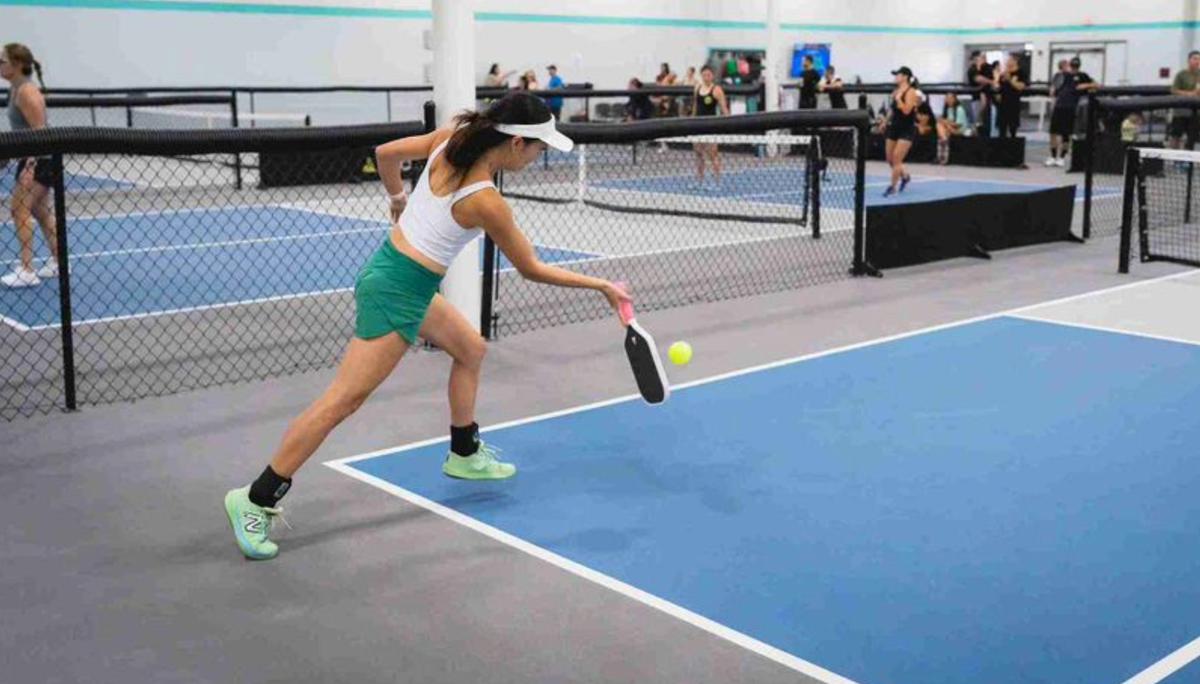
Every serve has to clear the non-volley zone and land in the diagonal service court, and it has to be hit underhand with the paddle head below the wrist.
Players weaponizing their serve for extra pace still have to clear that line legally, or it’s a fault before the point even starts.
What’s the two-bounce rule, really? Simple version: the ball must bounce once on each side before anyone can volley it.
The return of serve has to bounce, and the serving team’s first shot back has to bounce too.
Only after those two bounces can either side legally hit the ball out of the air.
This is the rule that separates pickleball from tennis, and it’s the reason the third shot drop exists at all.
Skip it, volley too early, and you’ve handed your opponent a free point, something players who study their serve mechanics already know cold.
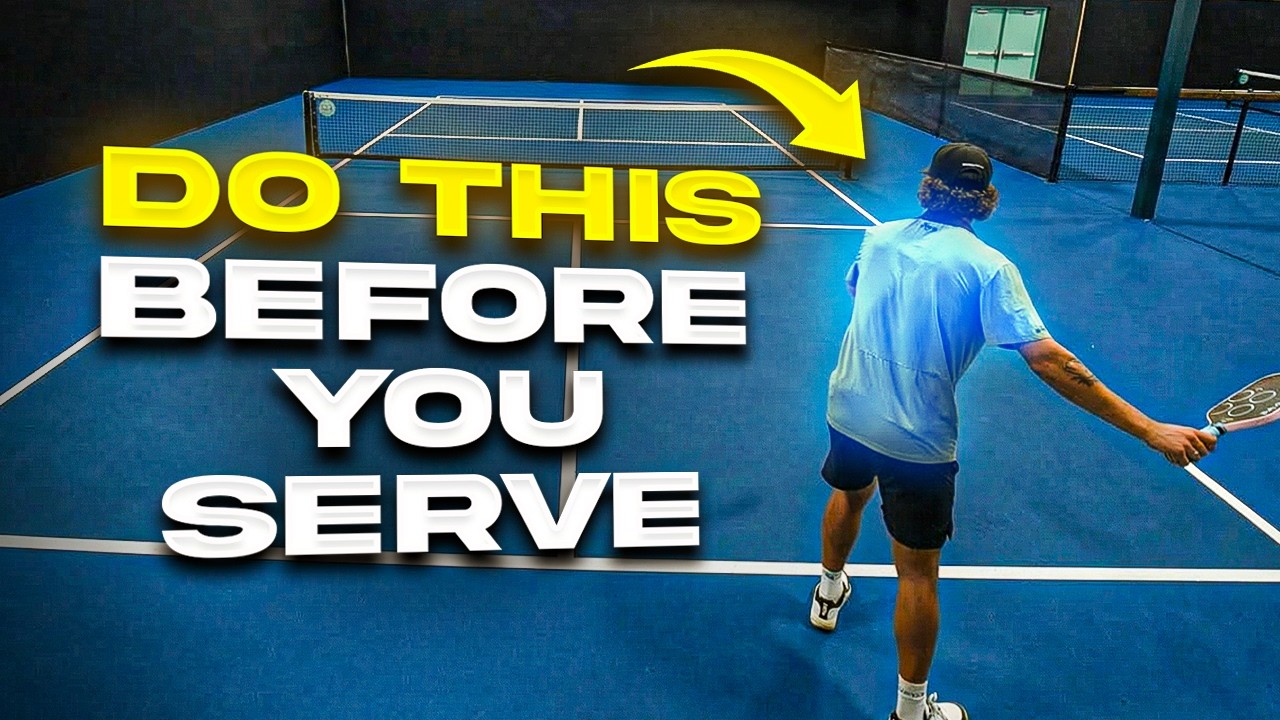
The Pickleball Serve Basics: Rules, Technique & Pro Tips from Michael Loyd
Fix your serve, and your entire game gets easier. You start points on offense instead of defense. Your opponent’s return is weaker. Your third shot is simpler. It all flows from that one shot you control completely.
Kitchen Rules: Why the Non-Volley Zone Trips Up Even Vets
Can you ever step into the kitchen? Yes, just not while volleying.
The non-volley zone, seven feet from the net on both sides, is why smart court placement planning always marks it off first.
It’s off-limits for volleys, but you can walk through it any time the ball has bounced first.
The part everyone gets wrong: momentum counts. If your volley carries you into the kitchen right after contact, even by a fraction of a step, it’s still a fault.
Your paddle, your hat, your loose shirt tail touching the zone during a volley all count against you, which is exactly where aggressive kitchen line positioning turns into a liability if your footwork lags.
Here’s a definition worth pinning down: a volley is any shot hit out of the air before the ball bounces, the same shot you’d load up on a swing volley when you’re outside the zone.
That’s the exact action the non-volley zone restricts, and it’s the piece of the basic rules of pickleball that beginners misapply most often.
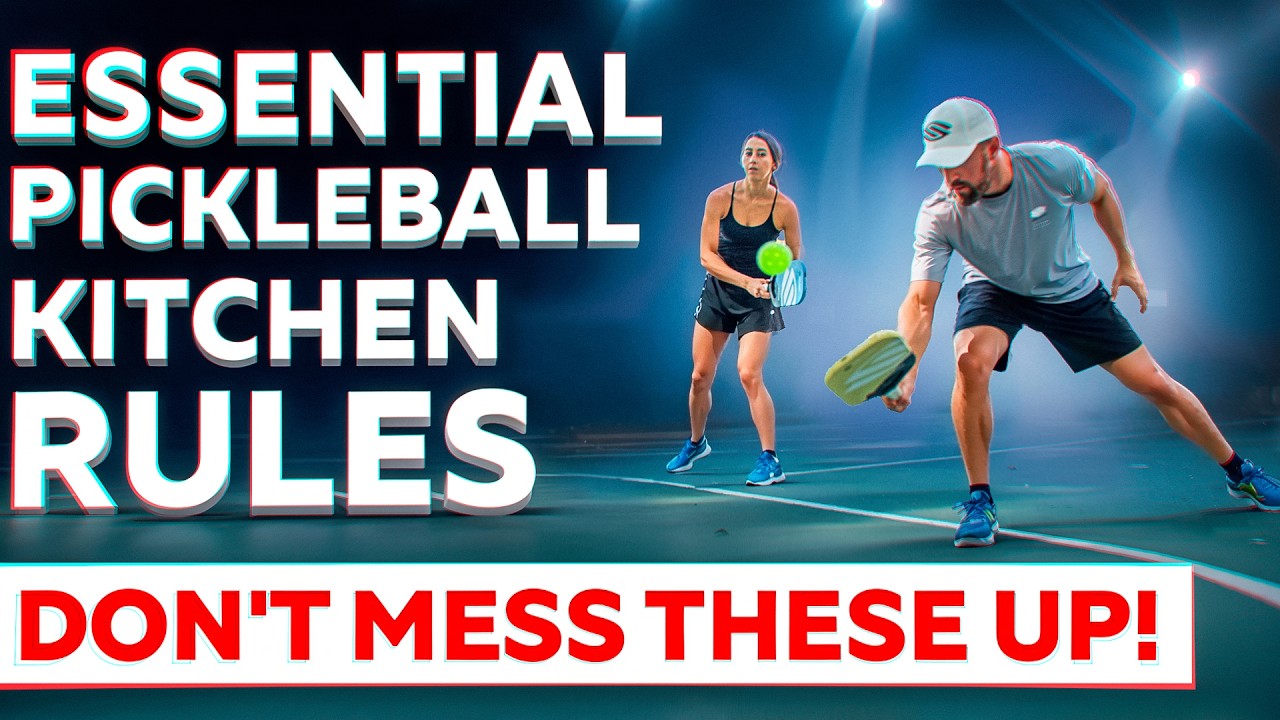
Don’t Fear the Pickleball Kitchen: Essential Non-Volley Zone Rules Explained
The best way to internalize the kitchen rule is to play. Pay attention to where your feet are when you volley. Feel your momentum. After a few matches, it becomes second nature.
Faults, Lets, and Line Calls: The Fine Print That Ends Rallies
A fault ends the rally immediately, and there are more ways to commit one than most players realize, from a bad ball choice to a footwork slip.
Here’s the short list worth memorizing:
- Hitting the ball into the net or out of bounds
- Volleying from inside the non-volley zone
- Letting the ball bounce twice on your side
- A serve that misses the correct service box
- A net touch or centerline interference on a partner’s shot
Lines are in. A ball touching any part of a boundary line counts as good, which is the opposite of tennis and the source of half the arguments on public courts, the same energy you’ll find watching doubles day at any tournament.
And a “let” serve, one that clips the net but still lands in the correct box, gets replayed under USA Pickleball’s current rules with no penalty either way.
Line call disputes are also why understanding your positioning at the baseline matters as much as understanding the rulebook.
You can’t argue a call you weren’t in position to see.
Can the Serve Hit the Net in Pickleball?
Can the serve hit the net in pickleball? Under current USA Pickleball rules, there is no let rule for serve: if your serve clips the net and lands in, it’s live and play continues.
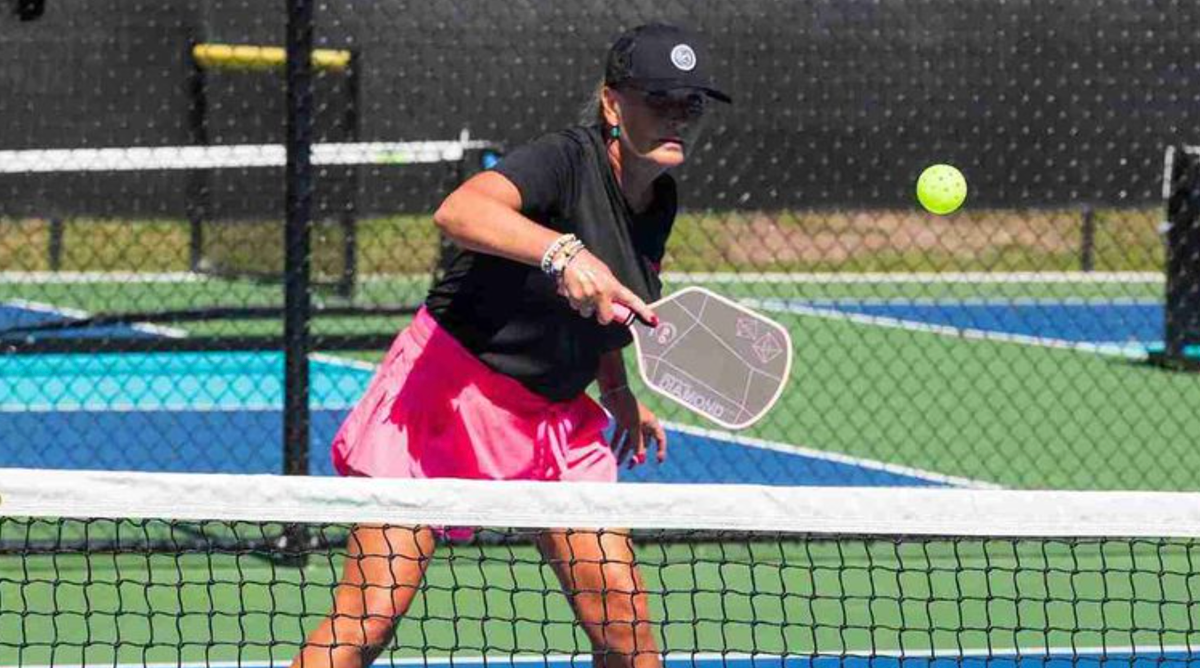
Doubles vs Singles: What Changes on Your Pickleball Rules Cheat Sheet
Most rec players only ever touch doubles, but the differences matter if you play both.
In singles, the server always serves from the right side when their score is even and the left when it’s odd, with no partner and no server number to track.
What Belongs on a Printable Pickleball Rules Cheat Sheet for Doubles?
Positioning rules top the list.
Partners have to cover the middle without colliding, communicate on every ball down the center, and manage the T and sideline without leaving gaps.
None of that shows up in singles, where court coverage is entirely on you.
If you and your partner have never talked through who takes the middle on a hard drive, fix that before your next match.
It’s the single most common breakdown at the rec level, and it has nothing to do with skill.
If you’re transitioning between formats, revisit how you think about doubles pickleball as a system built around communication, not just individual skill.
The rules are nearly identical on paper. The execution is not.
Pickleball Rules Every Intermediate Player Must Know
Pickleball rules can be deceptively tricky, especially once you move past the basics. This guide breaks down the 10 most misunderstood rules that every intermediate player needs to get right to play smarter and win more.
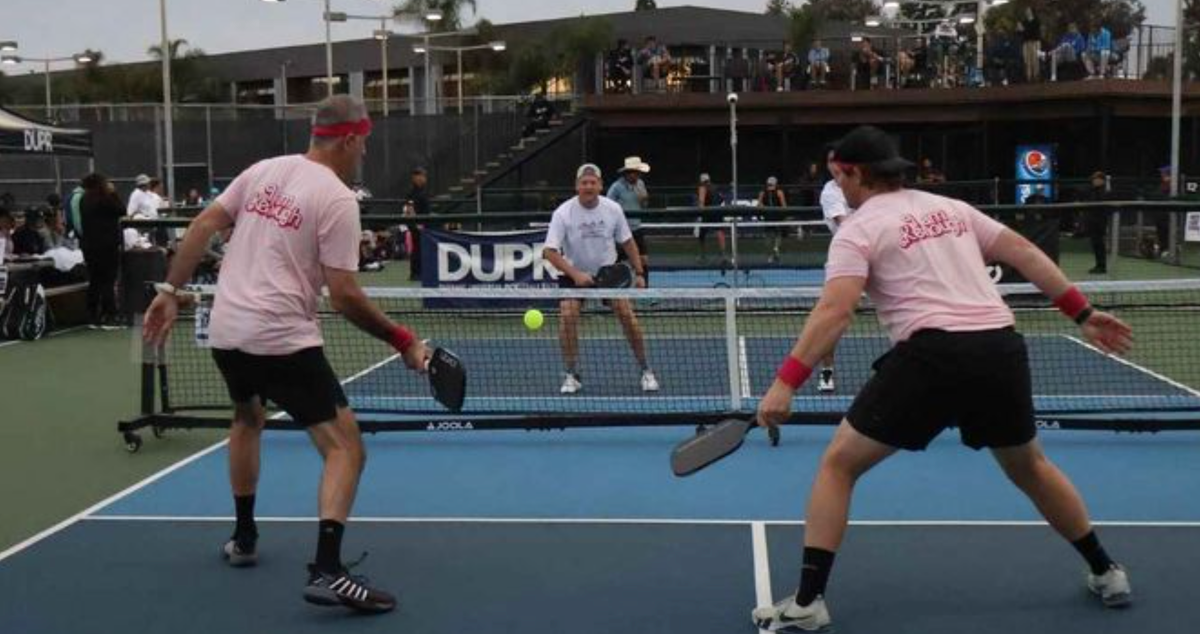
Equipment Rules Worth Knowing Before Your Next Purchase
Paddles have to meet USA Pickleball’s approved equipment list for sanctioned play, covering surface roughness, thickness, and core material.
Casual play with an unapproved paddle is fine, and half the fun of picking one is letting your paddle do the work.
Show up unapproved to a sanctioned tournament, though, and you’re defaulting before the match starts.
Balls matter too.
Indoor and outdoor balls are not interchangeable, and using the wrong one changes bounce height enough to throw off your return of serve reads completely.
Check the official rulebook’s equipment section before you drop money on new gear, especially paddles marketed with vague “tournament legal” language and no actual certification listed.
7 USAP Pickleball Rule Changes for 2026 You Need to Know
Starting January 1, 2026, USA Pickleball is rolling out a slew of new or modified rules that range from clarifications to legitimate game-changers
Key Takeaways
- Scoring: Side-out scoring, games to 11 win by 2, call three numbers before every serve
- Two-bounce rule: Both the return and the serving team’s next shot must bounce before anyone volleys
- Kitchen: No volleying inside seven feet of the net, momentum faults count
- Faults: Lines are in, lets get replayed, net touches and centerline interference cost the rally
- Equipment: Sanctioned play requires USA Pickleball-approved paddles and format-correct balls
💡
Frequently Asked Questions
What is the two-bounce rule in pickleball?
The two-bounce rule requires the ball to bounce once on the return of serve and once more on the serving team’s next shot before either side can volley it. Once those two bounces happen, players can hit the ball out of the air. It exists specifically to prevent serve-and-volley domination and force a rally, whether you’re grinding out a long point in singles or doubles.
Can you step in the kitchen in pickleball?
You can stand in or walk through the non-volley zone any time the ball has already bounced. What you cannot do is volley while any part of your body, paddle, or clothing touches the zone, including momentum carrying you in after contact. That’s the most misunderstood rule in the sport.
Is a ball on the line in or out in pickleball?
It’s in. Any part of the ball touching a boundary line counts as a good shot, the opposite convention from tennis. This rule alone resolves a large share of disputes and helps everyone get the most out of court time once both players actually know it.
What is a let serve in pickleball?
A let serve touches the net but still lands in the correct diagonal service box. Under current USA Pickleball rules, let serves get replayed with no penalty either way, unlike the fault it would be if it landed short.
Do singles and doubles pickleball use different rules?
The core rules are the same, but singles has no server number to track and the server’s side (right or left) depends on whether their score is even or odd. Doubles adds positioning and communication demands, like covering the middle after your partner’s shot and managing the T, that simply don’t exist when you’re playing alone.
Print this pickleball rules cheat sheet, fold it into your bag next to your paddle, and pull it out before your next rec game. The next argument at 9-8 will be over before it starts.
Nguồn: thedinkpickleball