The zone of truth pickleball concept separates amateurs from advanced players by teaching where to hit returns for maximum court control. Brandon Stegmaier breaks down this game-changing strategy in a live lesson that transforms how you approach every serve.
The zone of truth pickleball concept is one of the most underrated strategic elements in the sport, yet it’s the difference between losing points on your return of serve and forcing your opponent into defensive positions.
If you’ve been hitting returns into the middle of the court and wondering why your opponent keeps attacking you, this is your answer.
In a recent live lesson, Brandon Stegmaier, an NCCP-certified pickleball coach, broke down this exact concept with student Aylex, revealing why placement matters infinitely more than power when you’re returning serve.
The lesson wasn’t just instructional; it was transformative, showing how understanding where to hit the ball can completely shift the momentum of a rally.
A pro coach distilled a year’s worth of tips into one 7-step masterclass worth studying before you dive into this one. The parallels are striking.
Love pickleball? Then you’ll love our free newsletter. We send the latest news, tips, and highlights for free each week.
What Exactly Is the Zone of Truth in Pickleball?
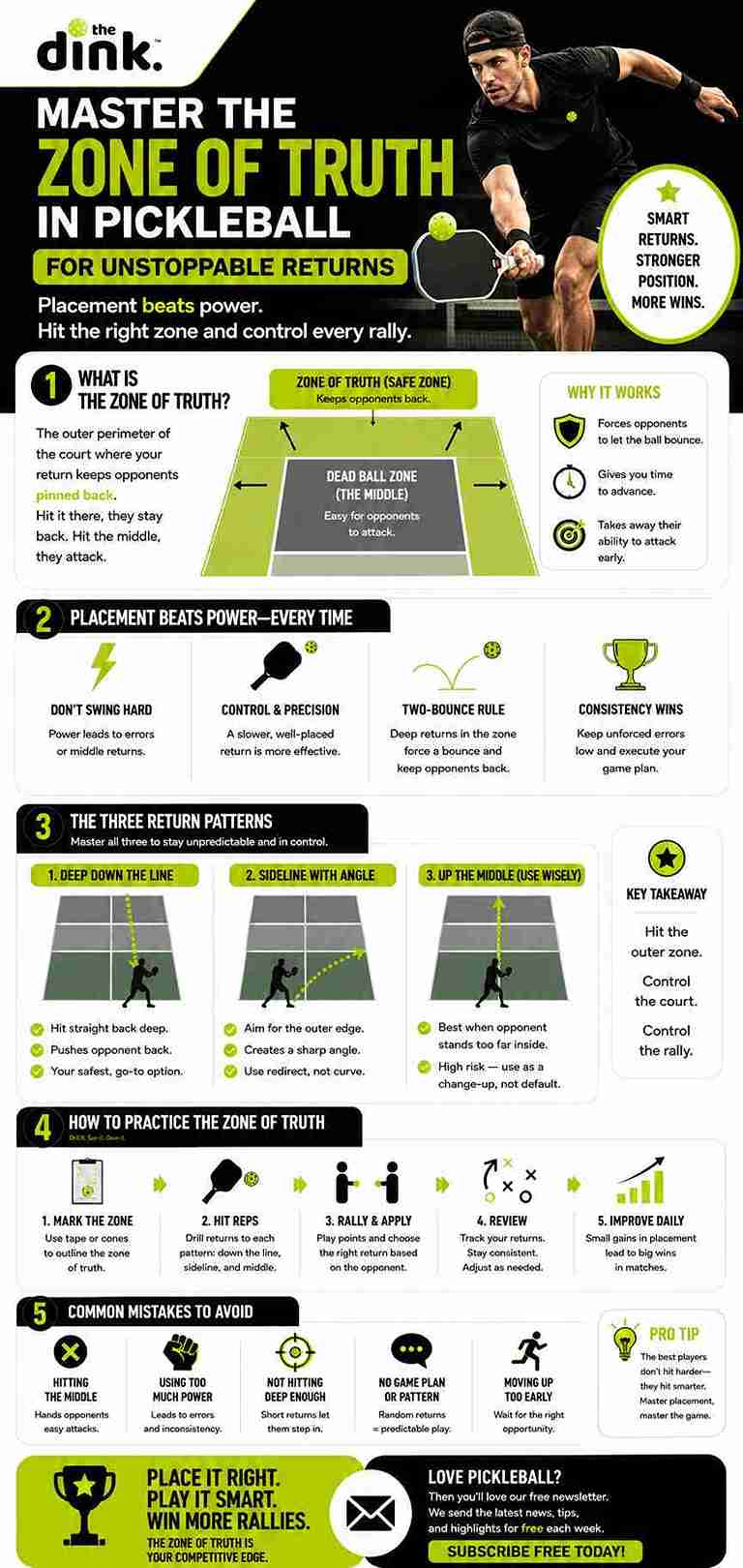
The zone of truth is the outer perimeter of the court where your return of serve keeps your opponent pinned back.
Think of it as the safe zone.
Anywhere outside this marked area forces your opponent to stay at the baseline or retreat further, giving you time to advance and take control of the net.
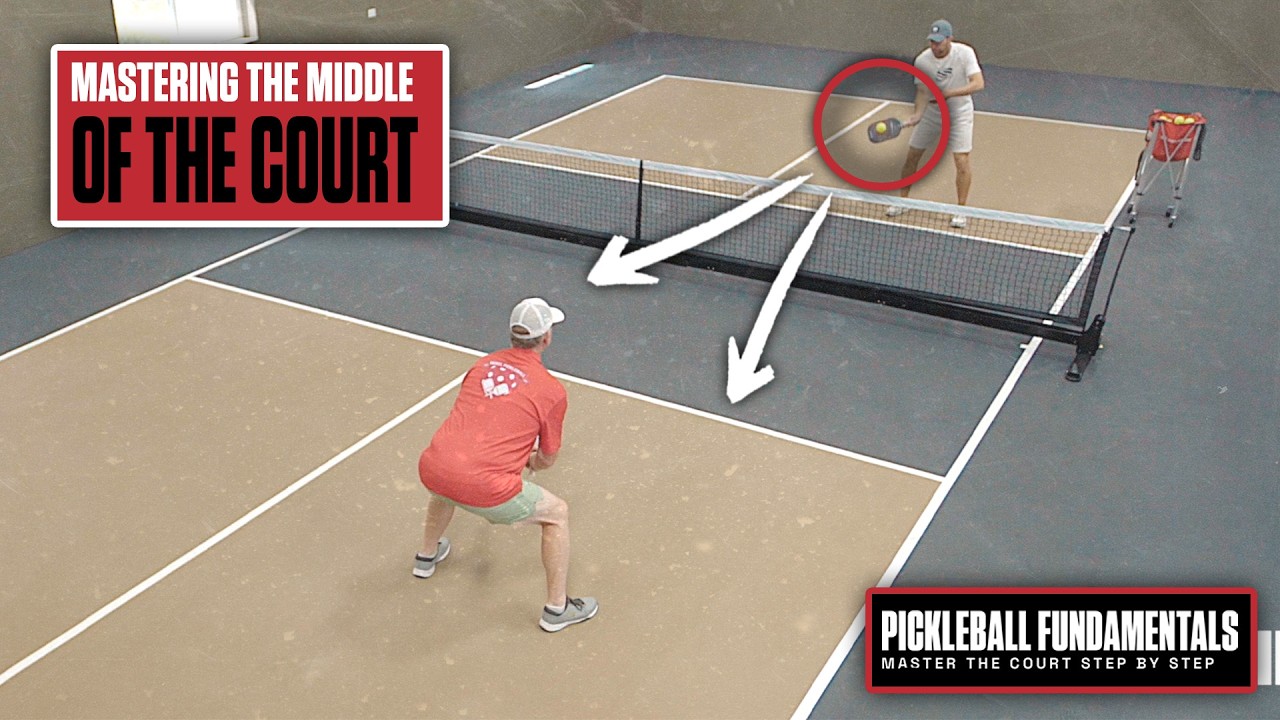
The inverse is equally important: the middle of the court is what Stegmaier calls the “dead ball” zone.
Hit your return there, and you’re essentially handing your opponent an easy put-away opportunity.
They can step in, take the ball early, and attack downward into your court.
Knowing where the dead zone lives is just as valuable as knowing the zone of truth itself.
During the lesson, Stegmaier marked the zone of truth pickleball layout with blue tape so Aylex could see it visually.
This wasn’t abstract theory; it was concrete, measurable, and immediately applicable.
The moment Aylex started hitting returns into that outer zone, Stegmaier visibly backed away, unable to attack.
That’s the power of understanding court position and how to hit the right pickleball shot every time.
Why Zone of Truth Pickleball Strategy Proves Placement Beats Power Every Single Time
Here’s what most recreational players get wrong: they think a return of serve needs to be hard.
They wind up, they swing fast, and they wonder why the ball either goes out or lands in the middle of the court where their opponent is waiting to pounce. Sound familiar?
Stegmaier’s approach is the opposite. He emphasized that a return of serve should be about control and precision, not velocity.
In fact, he demonstrated a return that was so slow it barely cleared the net, yet it was effective because it landed in the zone of truth.
His opponent had no choice but to let it bounce and retreat. This is the core principle that smart shot decisions beat power in advanced pickleball is built on.
This is where the two-bounce rule becomes your secret weapon.
Your opponent must let the return bounce, which means they can’t take it out of the air and attack.
If you hit it deep enough and wide enough, they’re forced backward, and suddenly you have time to advance to the net.
You’ve flipped the script from defensive to offensive without hitting a single hard shot.
The lesson showed Aylex hitting about 15 returns into the zone of truth during a drill. By the end, Stegmaier was noticeably backing away on several shots.
That’s not luck; that’s strategy working exactly as designed.
If you’re building your practice routine around these patterns, the 12 drills you need to play your best pickleball in 2026 is a natural next read.
💡
The Three Return Patterns You Need to Master the Zone of Truth in Pickleball
Stegmaier broke down the zone of truth pickleball system into three distinct return patterns: deep returns down the line, returns to the sideline with angle, and returns up the middle.
Each one serves a different purpose, and mastering all three makes you unpredictable and dangerous.
These are also the kinds of 6 essential pickleball shots you need to master for 2026.
- Deep returns down the line push your opponent straight back. There’s no angle, no complexity; you’re just hitting the ball deep into the zone of truth and forcing them to retreat. This is your safest option and your foundation.
- Sideline returns with angle are where things get interesting. Instead of hitting straight back, you’re aiming for the outer edge of the sideline, creating a sharp angle that makes your opponent work laterally. Stegmaier noted that Aylex’s angles improved dramatically once he locked his wrist and focused on redirecting the ball rather than trying to curve it. Redirecting, not powering, is the key distinction.
- Middle returns are the riskiest but can be effective if your opponent is standing too far inside the baseline. However, Stegmaier cautioned that the middle should only be used strategically, not as your default option. Think of it as a change-up pitch, not your go-to. This ties directly into what the pickleball shot trifecta: return, drop, 4th shot volley explains about sequencing your shots intelligently.
During the lesson, Aylex practiced all three patterns in sequence, then played out full rallies where he had to choose which return to hit based on where Stegmaier served.
This is where theory meets reality. Knowing the zone of truth is one thing; executing it under pressure is another.
According to pickleball coaches and analysts at CBS Sports, return placement at the recreational level is one of the most under-coached areas in the entire game.
Pickleball Return Strategy: How Pros Control Every Rally
Professional pickleball players treat the return of serve as a strategic weapon, not just a way to get the ball back in play. Understanding the pickleball return strategy that separates elite players from the rest can transform your game.
How Wrist Position Unlocks Your Zone of Truth Pickleball Returns
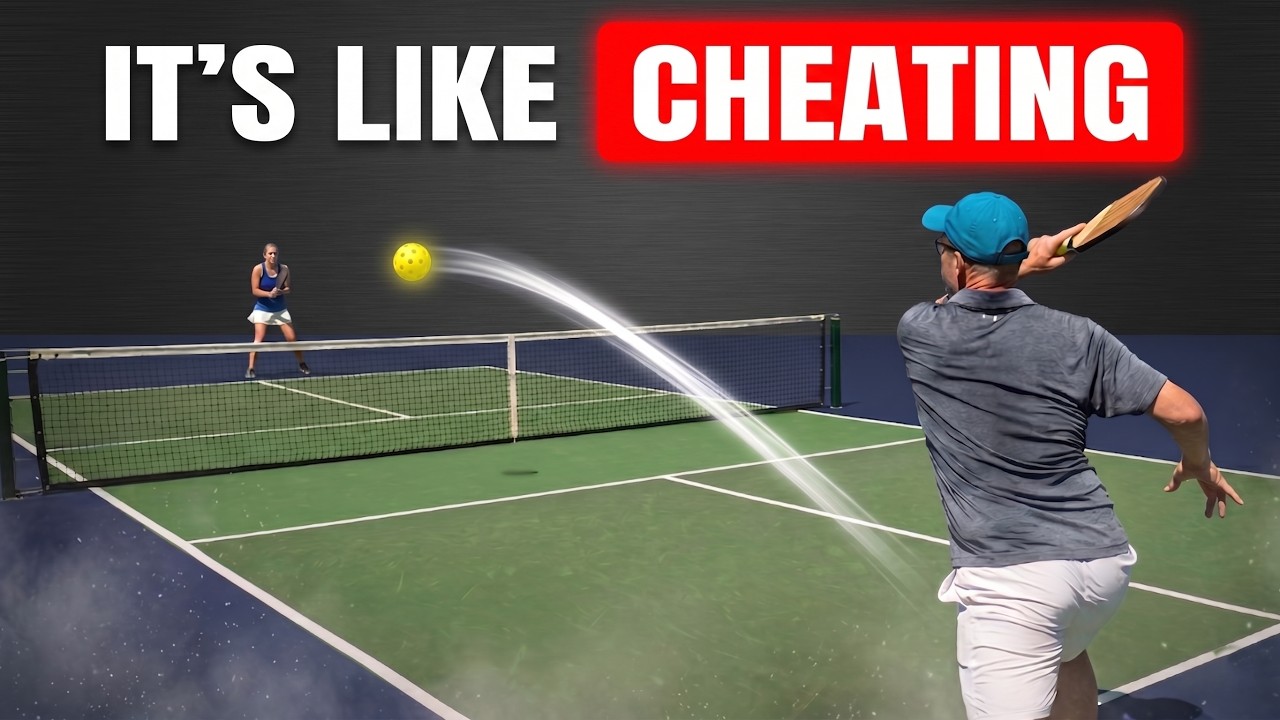
One of the most practical takeaways from the lesson was Stegmaier’s emphasis on wrist control.
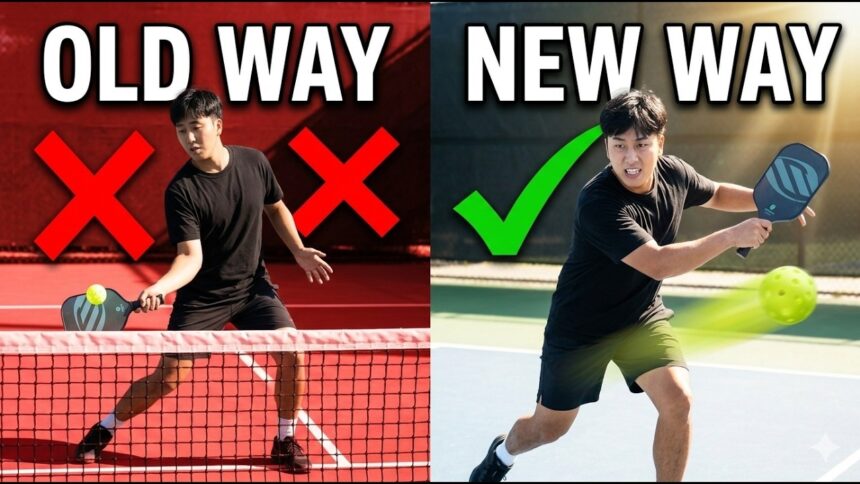
Aylex had a tendency to finish his return with a flaring motion, which caused inconsistency and made it harder to place the ball exactly where he wanted it.
Stegmaier’s fix was simple: lock your wrist.
By keeping the wrist stable throughout the swing, you eliminate the variables that cause the ball to curve or sail.
Instead, you get a clean, predictable stroke that goes exactly where you intend. It’s a small mechanical adjustment with a massive strategic payoff.
This isn’t about power; it’s about repeatability.
If you can hit the same return the same way 100 times, you’re going to land more of them in the zone of truth.
Consistency is the foundation of precision, and precision is what wins points.
This principle applies across every part of your game, as 3 pickleball skills that separate average from advanced players makes clear.
Aylex implemented this immediately, and the difference was noticeable.
His returns became sharper, more controlled, and more effective at pushing Stegmaier back.
One mechanical fix, compounded across 15 reps, produced a measurably different result.
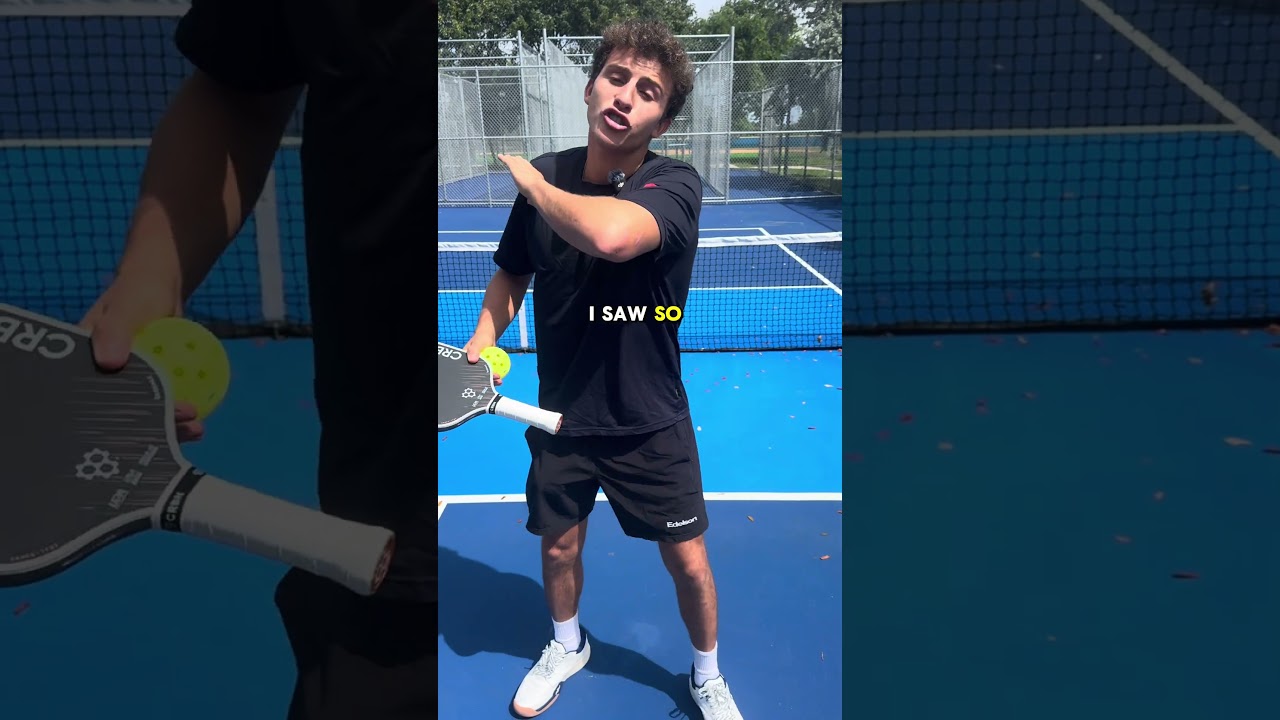
Fix Your Forehand Speedup: Stop the Wrist Mistake
Almost every amateur player makes the same critical error on their forehand speedup. A pro coach reveals the exact wrist technique that separates winners from the rest.
The Positioning Advantage That Makes Zone of Truth Pickleball Even More Powerful
Here’s something that doesn’t get talked about enough: improving your return of serve also improves your positioning for the next shot.
When Aylex started hitting returns into the zone of truth, he naturally advanced toward the net.
By the time Stegmaier hit his third shot, Aylex was already at the net, ready to finish the point.
This is the cascading effect of good strategy.
You’re not just hitting a better return; you’re setting yourself up for a better position, which gives you more options, which makes you harder to beat.
It’s why the 4-step system to win more pickleball games in 2026 prioritizes return placement as step one in the sequence.
Stegmaier pointed this out explicitly during the lesson.
He said that by improving the return, Aylex had inadvertently improved his court positioning, which then opened up more of the court for his offensive shots.
It’s a chain reaction that starts with understanding the zone of truth.
Once you’re getting to the kitchen and cooking consistently, you’ll understand exactly what that chain reaction feels like in real time.
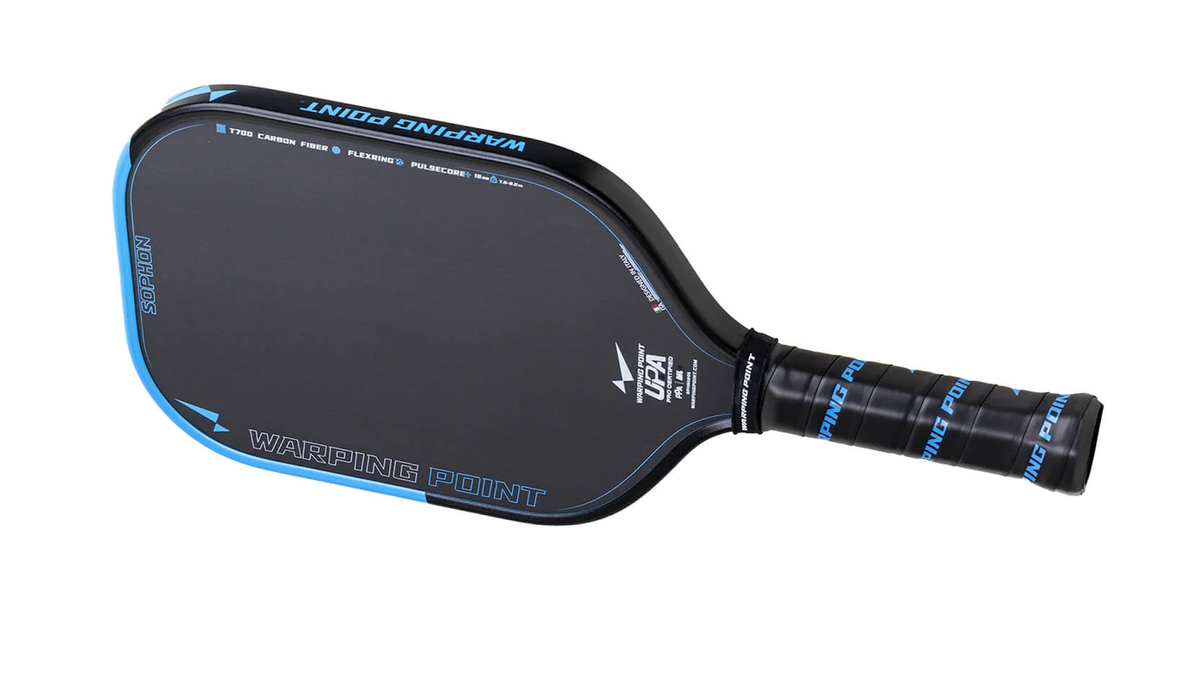
Warping Point Sophon: All-Court Feel & Durable Grit for $150
The rare blend of premium foam technology, durable grit, and high-level performance without the jaw-dropping price tag.
Why the Middle of the Court Is a Trap in Zone of Truth Pickleball
Let’s be clear about what happens when you hit your return into the middle of the court.
Your opponent steps in, takes the ball early, and has the entire court to attack into. You’re stuck at the baseline, and they’re at the net.
That’s a losing position.
Stegmaier demonstrated this by having Aylex hit several returns into the middle.
Every single time, Stegmaier was able to step in and hit an aggressive third shot.
The point was made without words; the court told the story.
For players who want to understand when to play safe versus when to attack, understanding the pickleball transition zone is essential reading.
The zone of truth exists precisely because the middle is so dangerous.
By hitting outside of it, you’re eliminating your opponent’s ability to attack aggressively. You’re not just hitting a return; you’re controlling the rally.
According to research highlighted by NBC Sports, court geometry is one of the highest-leverage adjustments recreational players can make.
Middle Court Control: Want the Ball, Hunt the Ball
The middle is the most valuable real estate on the court, and controlling it isn’t all about power — it’s about awareness, positioning, and the willingness to hunt.
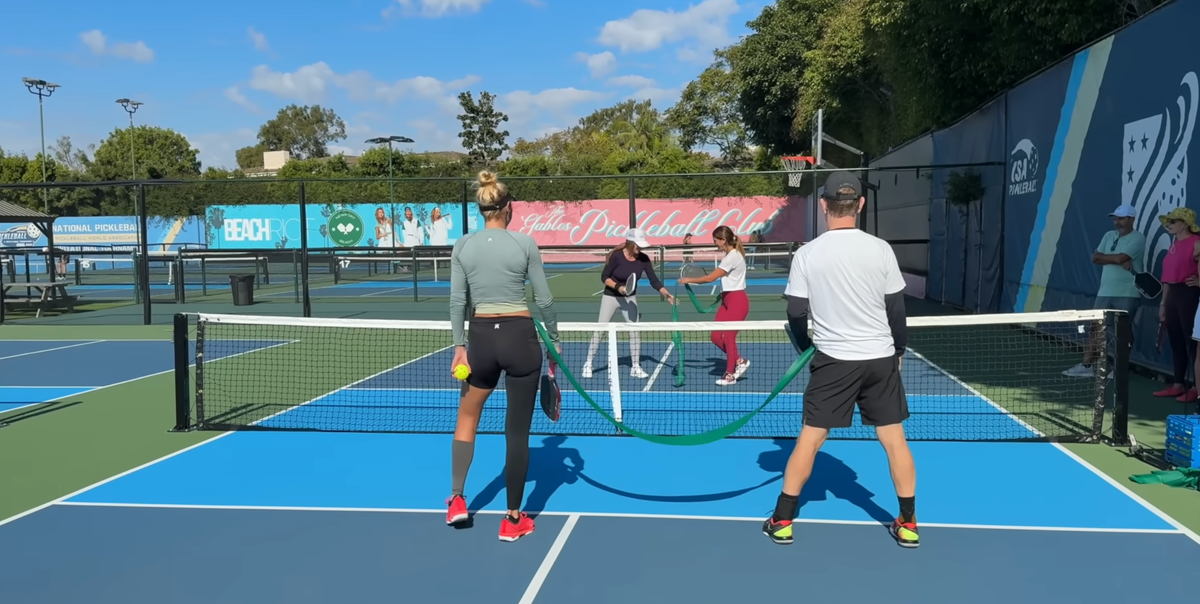
How the Zone of Truth Applies to Your Return of Serve in Doubles
The zone of truth pickleball concept works in both singles and doubles, but in doubles it carries even more weight.
When you pin both opponents back with a deep, wide return, you create a window for you and your partner to advance together and own the non-volley zone.
Hitting into the zone of truth in doubles is a two-for-one. You’re not just neutralizing the server; you’re buying your partner time to settle into position.
That shared momentum is what separates teams that grind through rallies from teams that control them.
See how the 2 keys for hitting a killer return of serve every time complement this approach perfectly.
In doubles, the return of serve is arguably the most important shot in the rally. You set the tone for everything that follows.
If you’re not treating your serve return as a strategic weapon, you’re playing from behind before the point even begins.
The modern pickleball four key strategies to winning in 2026 puts the serve return at the center of competitive play for exactly this reason.
Master the Pickleball Transition Zone: Attack or Reset
The best players in the world aren’t just comfortable in the transition zone – they actively use it to their advantage
Putting It All Together: The Live Drill That Makes Zone of Truth Pickleball Click
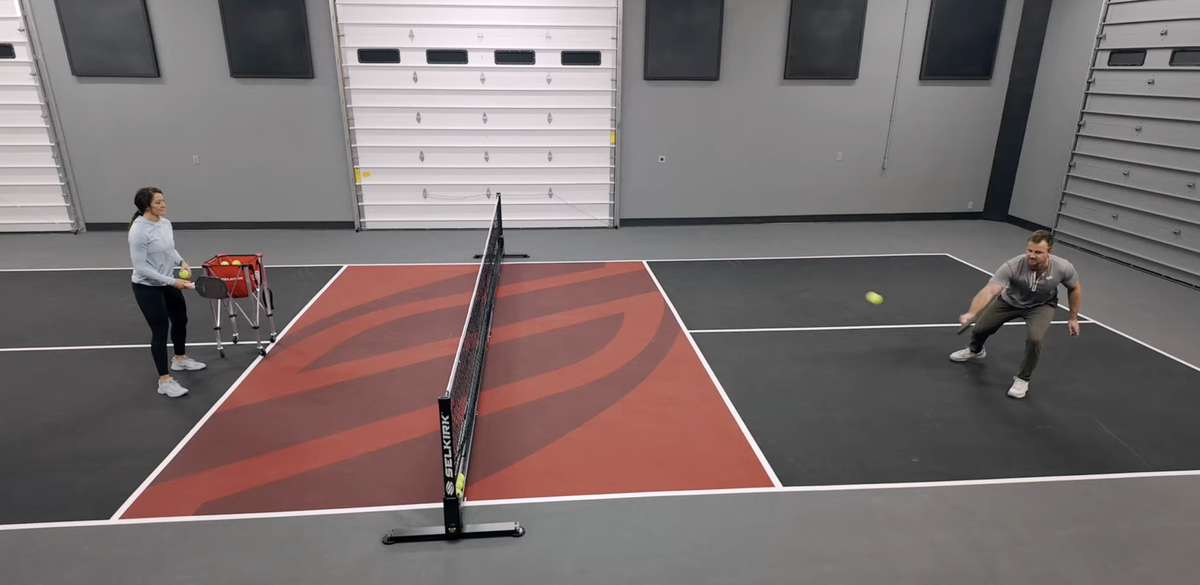
The most valuable part of the lesson was watching Aylex apply everything in real-time.
Stegmaier served, Aylex returned into the zone of truth, Stegmaier hit a third shot, and Aylex finished the point.
They did this over and over, with Stegmaier varying his serves and Aylex adjusting his returns accordingly.
By the end, Aylex wasn’t thinking about the zone of truth pickleball framework anymore; he was just hitting returns that landed where they needed to land.
That’s the goal. You practice the concept until it becomes instinct.
Building that kind of muscle memory is exactly what how to break 5.0: the 5 pickleball shots you must master before 2026 teaches across every shot in your arsenal.
One moment stood out: Aylex hit a return so precise that Stegmaier had to stretch to reach it.
Even though Stegmaier made the shot, he acknowledged that Aylex had put him in a difficult position. That’s the power of the zone of truth.
You’re not trying to hit winners; you’re trying to make your opponent uncomfortable.
Pair this drill with the principles from the pickleball reset: the one skill that takes you from 3.5 to 5.0 and you’ll start connecting the dots across your entire game.
Each skill reinforces the next. That’s how advancement actually happens.
Win the Pickleball Transition Zone: Reset Shot Guide
The pickleball transition zone is where most players struggle, but mastering it separates beginners from competitive players. Learn the reset shot technique that gives you control of the middle court.
The Mental Shift You Need to Make With Zone of Truth Pickleball
The biggest takeaway from this lesson isn’t technical; it’s mental. Most players approach the return of serve as a defensive shot.
They’re just trying to get the ball back in play. But the zone of truth pickleball strategy reframes the return as an offensive weapon.
When you understand that hitting into the zone of truth forces your opponent backward and gives you time to advance, the return becomes something you can control.
You’re not hoping for the best; you’re executing a strategy.
That mindset shift alone is worth more than any mechanical adjustment.
It’s the same shift that ball height and court positioning: your checklist for pro-level shot selection pushes players toward at every skill level.
This shift in mindset changes everything. Suddenly, your return isn’t a liability; it’s an asset.
You’re not just surviving the serve; you’re setting up the rally in your favor. That’s not beginner thinking. That’s how a 5.0 player processes every point.
💡
Frequently Asked Questions
What is the zone of truth in pickleball?
The zone of truth is the outer perimeter of the court where returns of serve keep your opponent pinned back at the baseline. Hitting returns into this zone forces your opponent to retreat or stay back, giving you time to advance to the net and take control of the rally.
Why does the zone of truth pickleball strategy focus on placement over power?
Placement wins because your opponent must let the return bounce under the two-bounce rule, which means power offers no advantage if the ball lands in the wrong spot. A slow, accurate return into the outer zone is far more disruptive than a hard return that lands in the middle of the court where your opponent can attack freely.
How do I practice hitting into the zone of truth?
Start with a drill where you hit 15 to 20 returns in a row, focusing on landing them in the outer zone. Have a partner or coach watch to ensure you’re hitting the right targets. Once you’re consistent, play out full rallies and practice choosing which return pattern to use based on where your opponent serves.
Does the zone of truth apply to doubles pickleball?
Yes, the zone of truth concept applies to both singles and doubles. In doubles, hitting returns into the zone of truth is even more important because it prevents your opponents from attacking aggressively and gives your partner time to get into position at the net.
What’s the most important mechanical tip for hitting returns into the zone of truth?
Lock your wrist. By keeping the wrist stable throughout the swing, you eliminate the inconsistency that sends returns into the middle of the court. A compact, repeatable stroke gives you the precision to land returns in the outer zone consistently, which is the entire foundation of the zone of truth strategy.
Nguồn: thedinkpickleball