If you want to strengthen wrists for pickleball, you need more than just court time, you need targeted exercises that protect your tendons and forearm muscles from repetitive stress. These 6 moves build the wrist stability and resilience every serious player needs.
The fastest way to strengthen wrists for pickleball is to stop treating it like an afterthought and start treating it like a skill you actually train.
Your wrists absorb every dink, every reset, every aggressive flick at the kitchen line. Play enough and that load adds up.
Ignore it long enough and you’re sidelined with tendinitis, a sprain, or something worse.
This isn’t a scare piece. It’s a fix. Six targeted wrist strengthening exercises, specific sets and reps, and a clear plan for fitting them around your court time.
Love pickleball? Then you’ll love our free newsletter. We send the latest news, tips, and highlights for free each week.
Why You Need to Strengthen Wrists for Pickleball Specifically
Pickleball stresses the wrist differently than almost any other racquet sport.
The combination of a short, stiff paddle and a polypropylene ball means vibration transfers directly into the hand and wrist on every contact point.
Unlike tennis, where string beds absorb some shock, there’s no give in a pickleball paddle face.
Add in the repetitive nature of dink rallies at the kitchen line, where players might hit 30 to 50 controlled shots in a single extended exchange, and you’ve got the perfect recipe for cumulative loading on the flexor and extensor tendons of the forearm.
According to a 2025 review in the Journal of Sport and Exercise Medicine, wrist and elbow overuse injuries are among the most common complaints in paddle sports, particularly for recreational players over 40.
Here’s the thing: most players don’t feel the damage until it’s already done. You think you’re managing.
Then one morning you wake up and your forearm aches before you’ve even picked up a paddle.
The time to build your pickleball training routine around wrist health is now, not after the injury.
What Does It Actually Mean to Strengthen Wrists for Pickleball?
Wrist strength for pickleball is not about raw grip force.
It’s about stability through range of motion, tendon resilience, and the neuromuscular coordination to keep the wrist firm under impact without clenching.
Three muscle groups drive the action:
- Wrist flexors (inside of the forearm): Generate topspin, control the dink, and absorb impact on reset volleys
- Wrist extensors (back of the forearm): Power backhand drives, stabilize on high balls, and decelerate the paddle after contact
- Pronators and supinators (the rotational muscles): Drive the wrist snap on serves and two-handed attacks
Most players only train one or two of these groups through play. That imbalance is where injuries start.
Proper grip technique also plays a direct role here. Gripping too tightly during play amplifies the load on your flexor tendons with every shot.
Learning a relaxed grip and letting your paddle do the work is as important as any exercise you’ll do off court.
💡
How to Strengthen Wrists for Pickleball: 6 Helpful Exercises
These six exercises cover all three muscle groups, include both concentric and eccentric loading, and require nothing more than a light dumbbell or resistance band.
Do them three times per week, on non-consecutive days, and you’ll notice a real difference in wrist stability and forearm endurance within six to eight weeks.
This is the most complete protocol available to strengthen wrists for pickleball without needing a gym membership or a physical therapist on speed dial.
What Is Wrist Lag in Pickleball? The Pro Technique for Power, Spin & Control
Pros use this technique to generate more power, more spin, and better control on serves, returns, drives, and speedups. And you should, too.
1. Wrist Flexion Curls: Strengthen Wrists for Pickleball at the Source
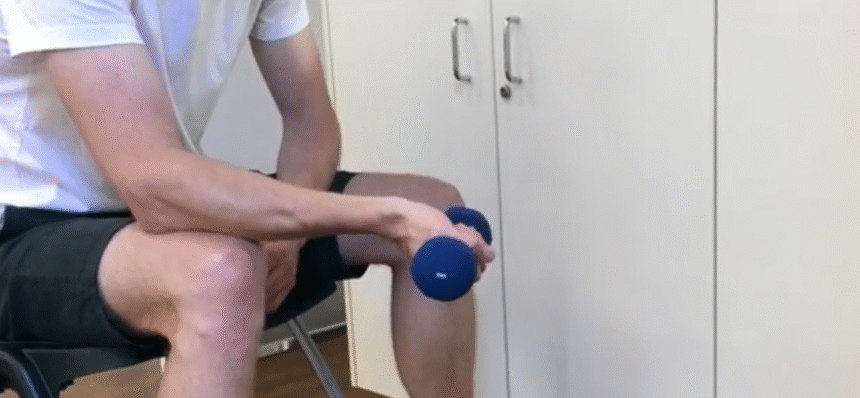
Sit with your forearm resting on your thigh, palm facing up, holding a 2-to-5 lb dumbbell.
Slowly curl your wrist upward, pause for one second, then lower over three full counts.
The slow lowering phase, the eccentric portion, is where tendon adaptation happens most efficiently, according to a 2025 systematic review on tendon loading protocols.
- Sets: 3 | Reps: 15-20 | Rest: 45 seconds
- Key cue: Keep the forearm flat on your thigh. No rocking. Isolate the wrist completely.
2. Wrist Extension Curls: The Pickleball Elbow Prevention Move
Flip your forearm over so the palm faces down. Same motion, same slow lowering.
This exercise directly targets the extensor tendons, the group most associated with lateral epicondylitis, better known as pickleball elbow.
Every backhand drive you hit loads these tendons. Training them to handle that force is the most direct path to staying pain-free.
- Sets: 3 | Reps: 15-20 | Rest: 45 seconds
- Key cue: Start embarrassingly light. Tendon tissue adapts slower than muscle tissue. Patience here pays off.
For context on how shoulder and arm mechanics interact, the wrist doesn’t work in isolation. Training the full kinetic chain matters.
Fix Your Forehand Speedup: Stop the Wrist Mistake
Almost every amateur player makes the same critical error on their forehand speedup. A pro coach reveals the exact wrist technique that separates winners from the rest.
3. Forearm Pronation and Supination: Train the Wrist Rotation You Use Every Point
Hold a light dumbbell vertically with your elbow bent at 90 degrees. Rotate your forearm from palm-down to palm-up in a controlled arc, then reverse.
This trains the pronators and supinators that fire on every serve, every spin shot, and every flicked attack at the kitchen.
It’s one of the most undertrained movements in recreational pickleball, and one of the most important for preventing wrist injury under fatigue.
- Sets: 3 | Reps: 12 each direction | Rest: 60 seconds
- Key cue: Upper arm stays completely still. The motion comes only from the forearm.
Everything you add to your pickleball training off the court should include at least one rotational forearm exercise. This is the one.
4. Eccentric Wrist Lowering with Resistance Band
Anchor a resistance band at knee height, face away from the anchor, and hold the band with your palm up.
Raise your wrist against the band tension, then lower slowly over four full seconds.
This eccentric-focused movement is what sports medicine research increasingly highlights as the highest-value protocol for tendon remodeling, the biological process that makes tendons thicker, more elastic, and resistant to repetitive load.
- Sets: 3 | Reps: 10-12 | Rest: 60 seconds
- Key cue: If you feel sharp tendon pain during the lowering phase, stop and lighten the resistance. Muscle burn is fine. Sharp or stabbing pain is not.
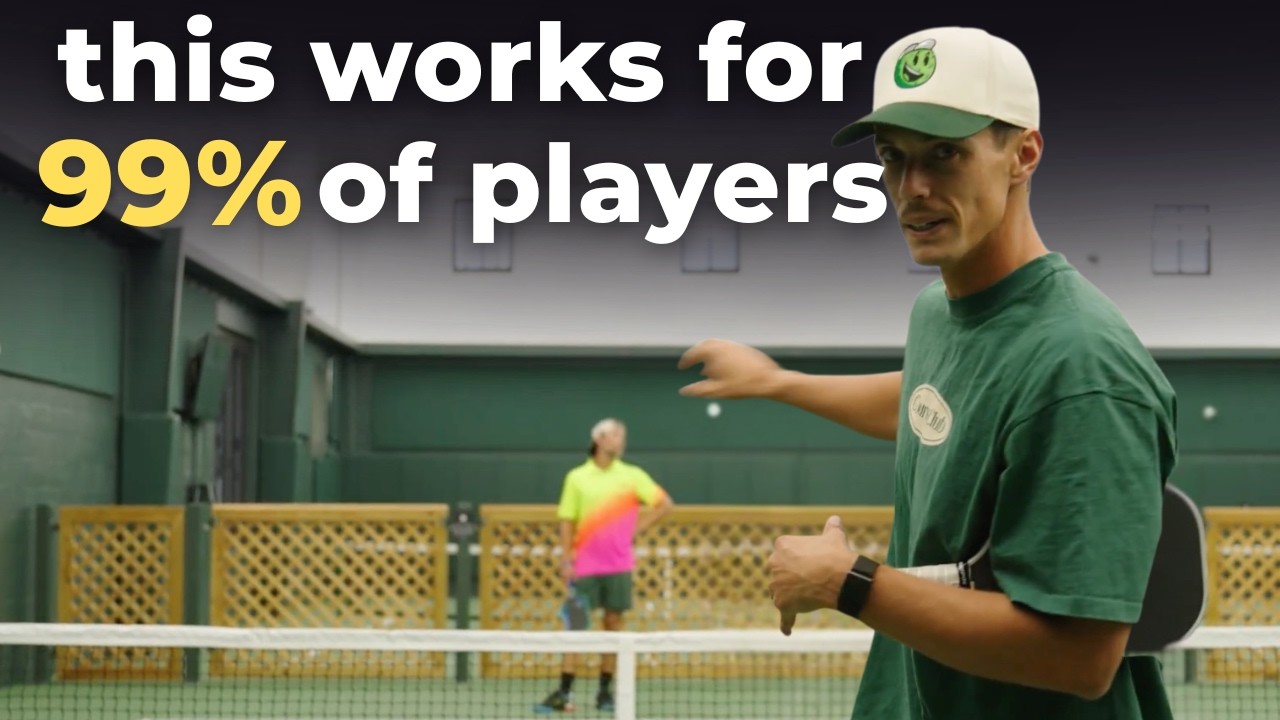
Pickleball Strength Training: Exercises That Work
Over time, one factor consistently separates athletes who stay healthy and competitive from those who fade away: fitness and proper training.
5. Rice Bucket Training: Grip and Intrinsic Strength
Fill a bucket or large container with uncooked rice. Bury your hand to the wrist.
Open and close your fingers against the rice resistance, rotate your wrist in slow circles, and grip full-handed.
This trains the intrinsic hand muscles in a way no dumbbell can, because the resistance is omnidirectional and constantly shifting with every movement.
- Duration: 3-5 minutes continuous | Frequency: 3x per week
- Key cue: Rice bucket work doubles as a pre-play warm-up at lower intensity. Two minutes before a session is never wasted.
Athletes across climbing, baseball, and racquet sports use rice bucket training as a staple of hand conditioning.
It’s low-risk, low-cost, and effective for anyone looking to strengthen wrists for pickleball without adding heavy loads to already-fatigued tendons.
6. Towel Wring Isometric Hold: Build the Endurance That Prevents Late-Game Injuries
Soak a small towel, wring it partially dry, then hold the wrung position under maximum tension for 30 seconds. Switch directions and repeat.
This targets grip endurance specifically, which matters in long dinking rallies where your hand fatigues and your grip instinctively tightens.
That involuntary tightening under fatigue is one of the primary mechanisms behind wrist and elbow overuse injuries in recreational pickleball.
- Sets: 3 each direction | Hold: 30 seconds | Rest: 45 seconds
- Key cue: You should feel the forearms burning in the back half of every hold. If not, squeeze harder or extend to 45 seconds.
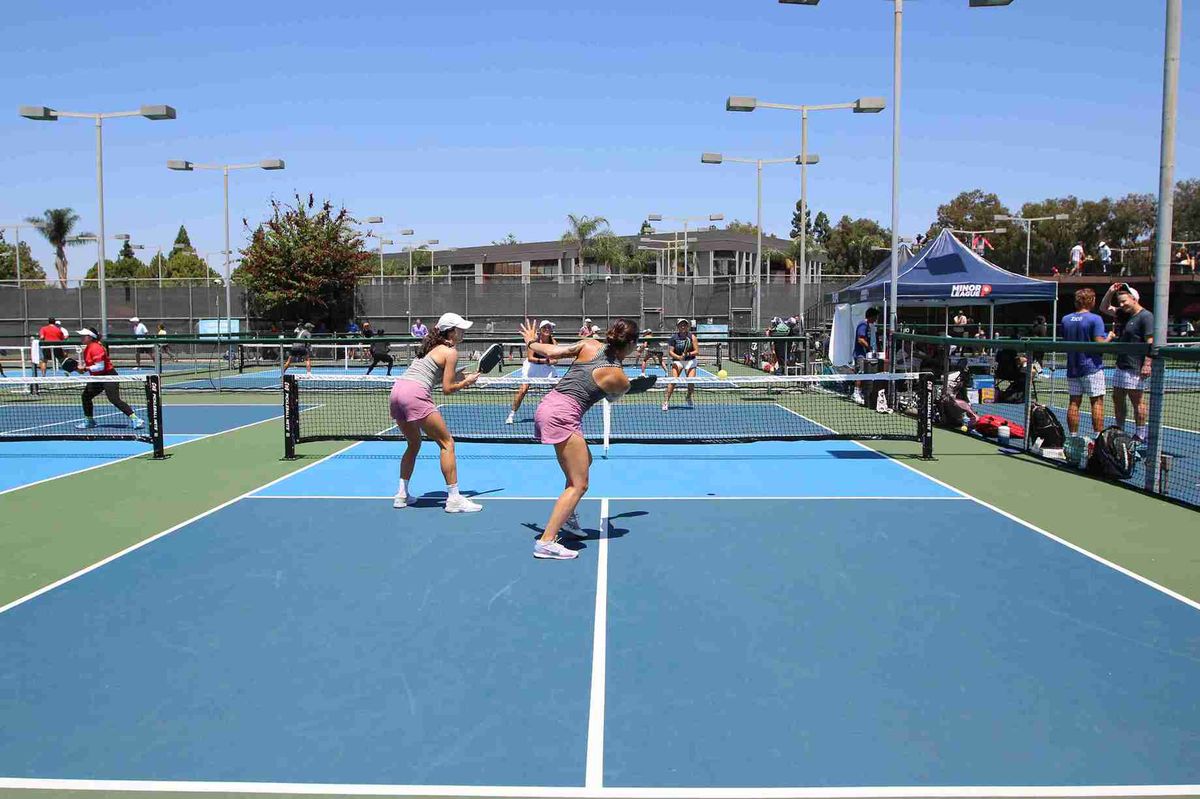
Pickleball Training Plan for Competitive Players
Whether you’re pushing from 3.5 to 4.0 or grinding toward 4.5, this week-by-week system gives you the structure to get there.
When and How to Add This to Your Routine
The smartest way to strengthen wrists for pickleball is to treat it like periodized training, not a random afterthought.
Do these exercises on off days, not immediately before or after a long session.
Tendons need time to recover from play before you load them again with resistance work.
A Tuesday/Thursday/Saturday schedule works well if you’re playing Monday, Wednesday, Friday.
If you’re already dealing with mild wrist soreness, not acute pain, recovery tools for pickleball aches and pains can run parallel to this protocol.
Compression and infrared recovery products help manage low-grade tendon soreness without forcing you to stop training completely.
Pre-play warm-up is equally important. Adding warm-up mini pickleballs to your routine gets your wrist tendons loaded progressively instead of hitting them cold.
Solo pickleball drills are another smart way to keep your hand-eye sharp while your wrists adapt to the new training load.
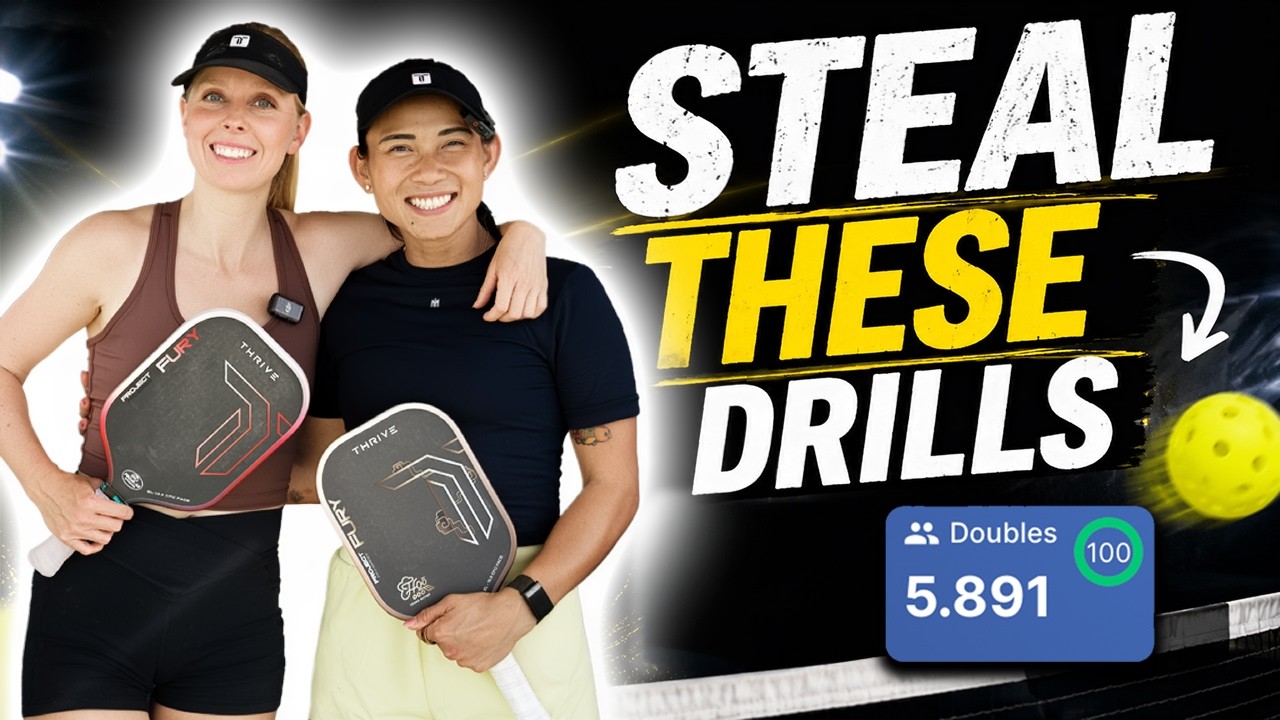
Pro Pickleball Drilling Routine: Train Like a 6.0 DUPR
This advanced pickleball drilling routine focuses on building consistency, cleaner attacks, and faster hands under pressure.
How to Strengthen Wrists for Pickleball Without Making It Worse
There’s a wrong way to do this. Jump straight to heavy loads, skip the eccentric phase, or train through actual pain instead of muscle fatigue, and you’re accelerating the injury you’re trying to prevent.
A few non-negotiables:
- Start lighter than you think necessary. Research from the British Journal of Sports Medicine (2025) confirms that slow, progressive tendon loading over 6-12 weeks produces significantly better long-term outcomes than aggressive early loading.
- Pain is a stop signal, not a push-through signal. Muscle soreness the next day is expected. Sharp or stabbing pain during an exercise is your tendon telling you something is wrong.
- Track your progress. If you’re still on the same 2 lb dumbbell at week 8, you’re not progressing.
For players who want to understand how wrist stability feeds into specific shots, power shots tips and mid-court pickleball tips show exactly how wrist control translates to better ball placement under pressure.
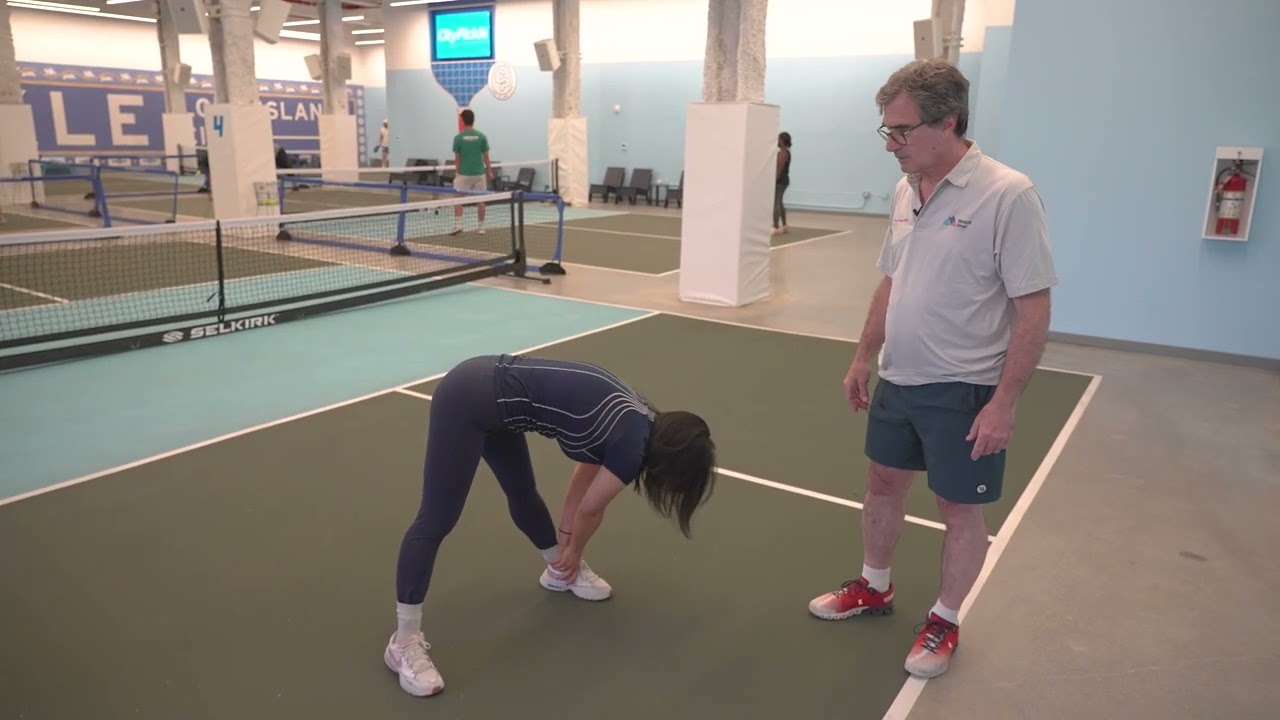
A Quick, Essential Stretching Routine for Pickleball Players
Building a stretching habit into your pickleball routine is one of the smartest things you can do for your long-term health and performance on the court
Key Takeaways
- Wrist injuries in pickleball are mostly preventable through consistent off-court resistance training targeting flexors, extensors, and rotational muscles. The six exercises above are your complete toolkit to strengthen wrists for pickleball at every level.
- Eccentric loading (the slow lowering phase) is the most evidence-backed method for tendon remodeling and injury prevention.
- Grip pressure during play is a root cause of wrist overload. A relaxed grip reduces load on flexor tendons with every shot.
- Rice bucket training and towel wringing build intrinsic hand strength and grip endurance that dumbbell work alone misses.
- Expect 6-8 weeks before meaningful results. Tendon adaptation takes time. Consistency beats intensity every time.
- You don’t need a gym. A light dumbbell, a resistance band, and a bucket of rice cover all six exercises.
💡
Frequently Asked Questions
How long does it take to strengthen wrists for pickleball?
Most players notice meaningful improvement in grip stability and reduced soreness within 6 to 8 weeks of consistent training three days per week. When you actively work to strengthen wrists for pickleball using eccentric protocols, tendon adaptation is slower than muscle adaptation, so full tendon remodeling typically requires 10 to 12 weeks of progressive work. Don’t judge the program at week two.
Can I do these wrist exercises every day?
Tendons need roughly 48 hours of recovery between loading sessions, so daily resistance training is counterproductive for most players. Three sessions per week on non-consecutive days is the standard sports medicine recommendation. Rice bucket work at low intensity is the one exception, it’s safe for daily use as a warm-up or mobility tool because the load is low and omnidirectional.
What is pickleball elbow and how does wrist training help prevent it?
Pickleball elbow is a form of lateral epicondylitis, inflammation of the extensor tendons where they attach at the outer elbow. It’s caused by repetitive wrist extension under load, which happens on every backhand shot in pickleball. Wrist extensor strengthening exercises, particularly eccentric wrist lowering, directly load and remodel these tendons over time, making them significantly more resistant to the repetitive stress of play.
Should I use a wrist brace while playing pickleball?
A counterforce brace can reduce symptoms if you’re already managing mild tendinitis by offloading the tendon attachment point. But bracing is not a substitute for wrist strengthening. Think of a brace as a short-term management tool. If you’re relying on one to play pain-free every session, your tendons need more than compression.
Does paddle weight affect wrist stress in pickleball?
Yes, significantly. Heavier paddles generate more torque through every shot, especially on off-center hits where the paddle twists in your hand. Players with existing wrist issues often find relief by moving to a lighter paddle under 7.5 ounces and focusing on technique over power. That said, a structurally stronger wrist tolerates a wider range of paddle weights without injury. Strengthening and smart equipment selection work together, not separately.
Nguồn: thedinkpickleball