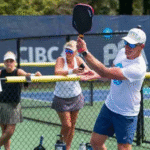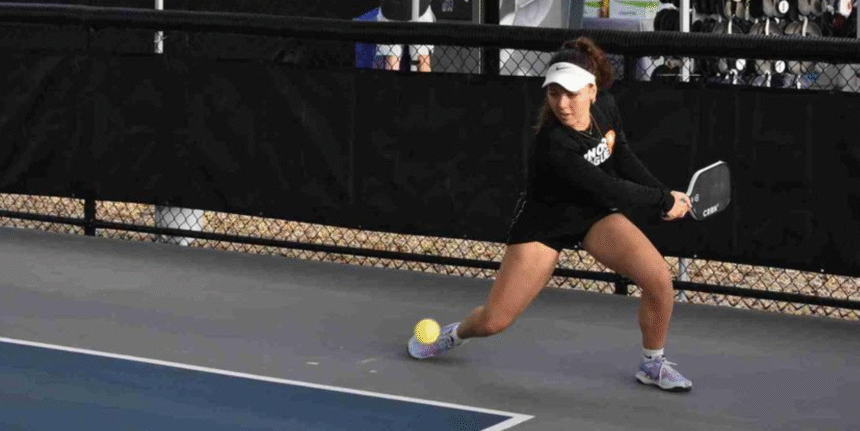
Learning how to hit forehand volley pickleball shots comes down to two things: quick hands and a backswing you can barely see. This guide breaks down the mechanics, the drills, and the mistakes that turn a routine volley into an unforced error.
Learning how to hit forehand volley pickleball shots is the fastest way to stop losing points you had no business losing.
A ball comes at your chest, you take a big rip at it like a groundstroke off the baseline, and it either sails long or clips the tape and dies in the net, the exact kind of miss covered in letting your paddle do the work.
That’s not bad luck. That’s a backswing problem.
Here’s the thing. The forehand volley isn’t a smaller version of your forehand drive. It’s a different shot with its own footwork and timing.
Master it and the kitchen line stops being a place you survive and starts being a place you control.
Love pickleball? Then you’ll love our free newsletter. We send the latest news, tips, and highlights for free each week.
What Makes a Forehand Volley Different From a Groundstroke?
A forehand volley is any shot you hit before the ball bounces, and it demands a shorter, more compact motion than a groundstroke since there’s no time for a full swing.
A ball off a hard drive can reach you in under half a second once it clears the net, backed by a 2025 review of net-play reaction speed in racquet sports.
A full backswing takes longer than that to complete, which means by the time your paddle comes forward, the ball is already past you or buried in your chest.
Quick hands beat a big backswing every single time at the net.
That’s not an opinion, it’s math, the same math behind the drive versus drop decision on your fifth shot.
USA Pickleball’s own rulebook treats the volley as a distinct shot category since the non-volley zone rules manage how close players get while volleying, which is why the players who always make the routine shots keep their mechanics so compact.
Here’s a definition worth locking in: a punch volley is a short, controlled jab with minimal backswing, using the shoulder and forearm instead of a full arm swing.
It’s the foundation shot for everything below, different from a swing volley, a bigger motion reserved for balls sitting up high and slow.
How to Hit Forehand Volley Pickleball Shots With Quick Hands
The mechanics break down into three checkpoints: paddle position, contact point, and follow-through, the same checkpoints a good backhand clinic drills on the other wing.
Start with your paddle up and out in front of your body, roughly chest height, angled slightly open, the same ready position you’d want before an advanced serve return near the kitchen.
It should look nearly identical whether you’re expecting a forehand or backhand, and the gap between a good shot and bad positioning usually comes down to this habit.
Photos: $55 Million Florida Mansion with Rooftop Pickleball Court
“The ultra-modern residence is asking $55 million, making it the highest-priced new home ever listed in Broward County.”

Waiting with your paddle down is the single biggest reason players get rushed on volleys.
Your contact point should be out in front of your body, not next to your hip.
Reaching forward to meet the ball early gives you more control and shortens the window your opponent has to read the shot.
The same principle shows up in how players handle a return block smash: meet the ball early, redirect, don’t try to overpower it.
💡
What Is a Short Backswing and Why Does It Matter?
A short backswing means the paddle travels no more than six to eight inches behind your starting position before moving forward to contact, the kind of compact setup covered in most power shots tips too.
Compare that to a groundstroke, where the paddle might travel two or three feet back.
The shorter path means less time between “ball is coming” and “paddle is at contact.”
Players who struggle with how to hit forehand volley pickleball shots almost always have a backswing that’s too long for the situation.
They learned to hit a paddle by swinging at it, and that habit doesn’t disappear just because they moved up to the kitchen line. It has to be retrained on purpose.
How to Hit Forehand Volley Pickleball at the Kitchen Line
At the non-volley zone line specifically, the checklist shrinks even further, closer to the compact setup you’d use on a well timed 1-2 punch than anything resembling a full swing.
Paddle up, weight forward, backswing so small it barely qualifies as one. Your job isn’t to win the point outright on most volleys.
It’s to keep the ball low and wait for one that sits up.
This is also where players confuse aggression with control. A well placed dink sets up the next volley, and the next volley sets up the point.
Trying to end things early from the kitchen line, before the point has actually opened up, is how easy balls turn into unforced errors.
Your Forehand Dink Needs Work: Here’s a 5-Minute Fix from a Pickleball Pro
Sometimes the biggest pickleball improvements come from small, focused adjustments rather than a complete overhaul
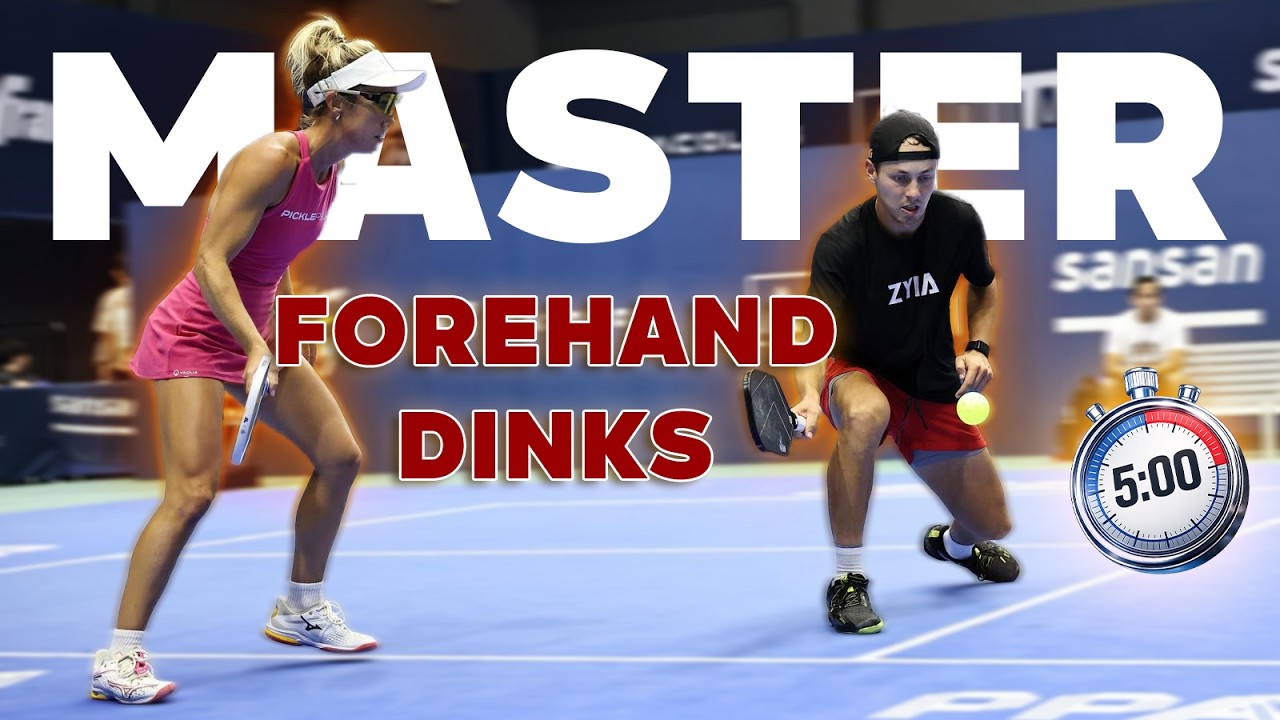
Here’s the part most players skip, the same part JW Johnson’s unusual technique leans on.
Your hands can be perfect on the forehand volley and the backhand volley alike, and the shot still falls apart if your feet aren’t underneath you.
Footwork determines whether you’re hitting the ball or the ball is hitting you.
The fix is a small split step just before your opponent makes contact, followed by a short shuffle to get your body behind the ball instead of reaching across your torso.
Reaching across is what causes those weak, floating volleys that sit up and beg to be smashed.
Drills like the fridge and toaster drill train your feet to move before your hands do.
Positioning relative to your partner matters too.
In doubles, T and sideline placement determines which balls are yours to volley versus your partner’s, and confusion here causes more whiffed volleys than bad hands ever will.
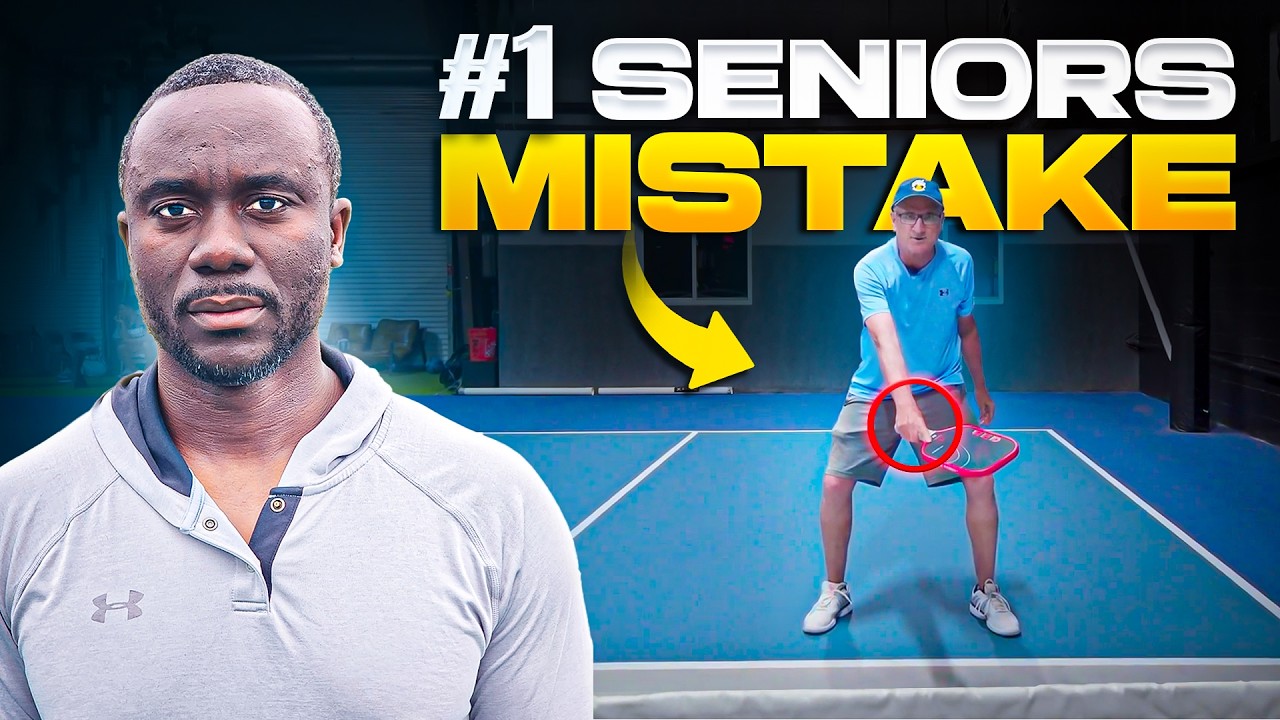
4 Essential Footwork Tips Every Senior Pickleball Player Must Master
Smarter positioning and simple footwork adjustments can help senior pickleball players improve performance without relying on speed
How to Hit Forehand Volley Pickleball Against Hard Drives
Hard drives are the real test of whether you’ve actually learned how to hit forehand volley pickleball shots correctly, similar to the split second reaction covered in episode 38 on the fastest hands in the game.
Against a hard, flat drive, shorten your backswing even further, almost to nothing, and focus on redirecting the ball’s pace rather than adding your own.
Think of it like a block, not a hit. Players who try to muscle a drive back usually mistime it.
Reviewing how a strong backhand volley handles pace on the other wing can help you spot the same block, don’t swing pattern on your forehand side.
Grip pressure also spikes here, and that’s a mistake.
A death grip locks your wrist and kills the touch you need to redirect the ball softly, the same touch that matters on your serve grip.
Loosen up between shots, and only firm up at contact.
How to Hit Forehand Volley Pickleball on the Move
Not every volley happens with your feet planted.
Learning how to hit forehand volley pickleball shots while moving, retreating, or shifting laterally to cover a gap on court coverage after the 4th shot is a separate skill, the one that separates 3.5 players from 4.0 and above.
The rule stays the same while moving: shrink the backswing, meet the ball out front, let your legs travel so your arm doesn’t have to.
A player advancing after a good third shot needs to be ready to volley the next ball, often before their feet have stopped moving.
That’s a timing issue, solved through repetition.
Master the Forehand Speed-Up: Fix Common Mistakes (Infographic)
Your forehand speed-up doesn’t have to sail long or crash into the net. A forehand speed-up requires precise mechanics, body positioning, and timing to become a reliable weapon in your game.
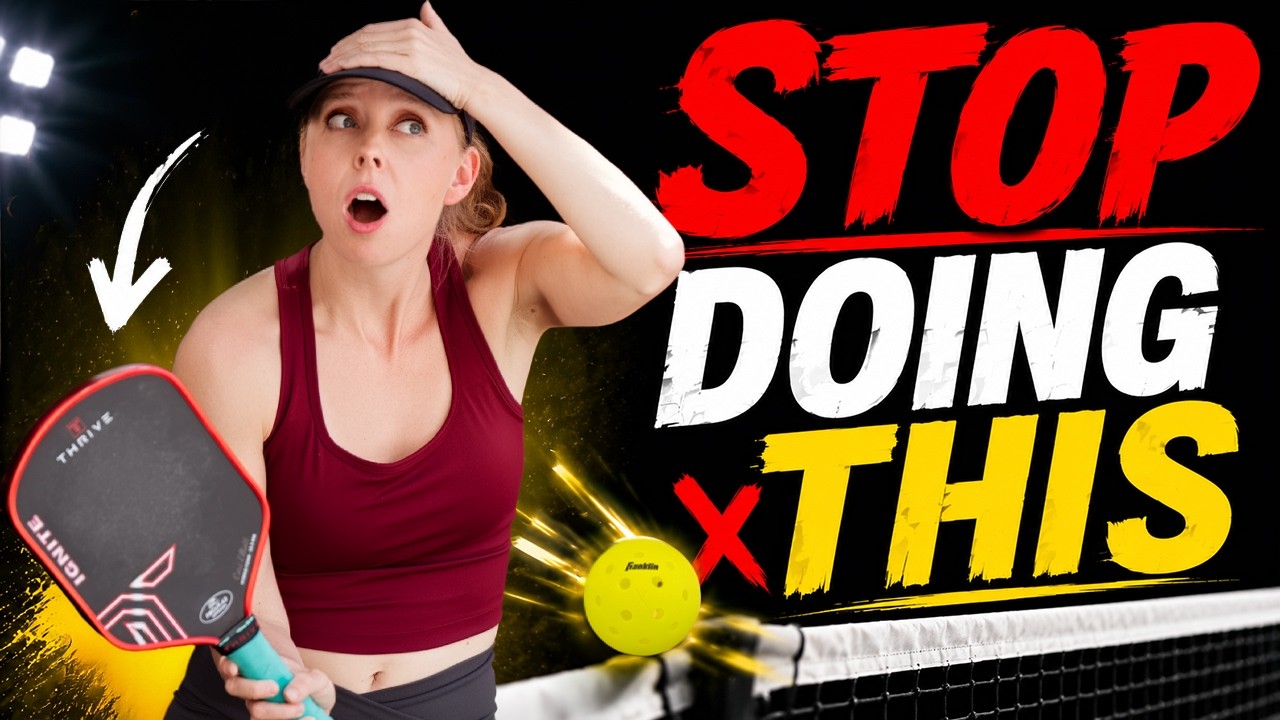
The Most Common Forehand Volley Mistakes (And the Fixes)
Most forehand volley problems trace back to one of these, and most of them are the exact kind of mistake you didn’t know you were making:
- Backswing too long. Practice with your paddle starting no more than eight inches from contact.
- Hitting from the hip. Cue yourself to meet the ball earlier, even if it feels uncomfortably close to the net.
- Stiff wrist and locked elbow. Loosen your grip between shots and only tighten at contact, the same shot selection instinct covered in this advanced drill on shot creation.
- Standing flat footed. Fix it with a split step timed to your opponent’s contact, not your own reaction to the ball’s flight.
- Trying to end every point with power. Reset the shot with a soft, controlled volley when the ball doesn’t give you a clean look, similar to how players approach a reset under pressure.
Fix Your Forehand Speedup: Stop the Wrist Mistake
Almost every amateur player makes the same critical error on their forehand speedup. A pro coach reveals the exact wrist technique that separates winners from the rest.
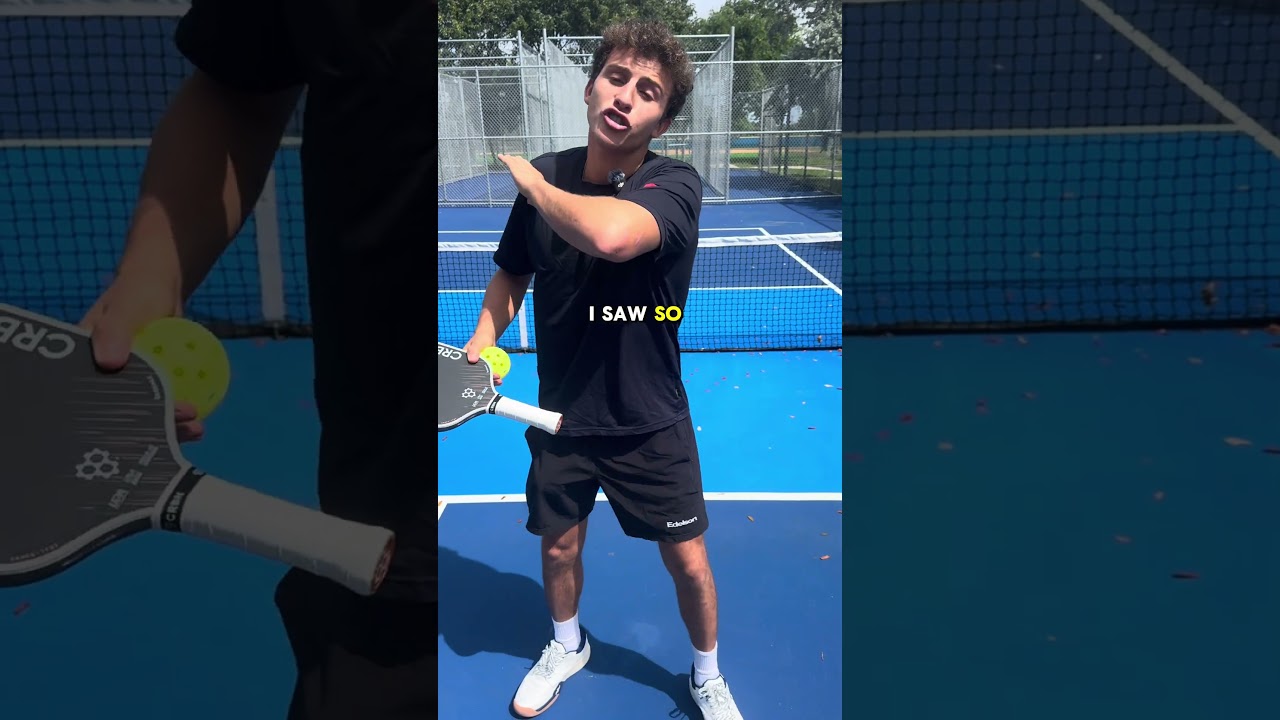
Drills That Build Quick Hands and a Short Backswing
A few drills that translate directly:
- Wall volleys. Stand close to a wall and volley continuously, forcing yourself to keep the backswing tiny since there isn’t time or space for anything bigger, one of the 3 skill investments that pays off fastest.
- Fast hands feeding. Have a partner feed volleys rapid fire from a few feet away, the same speed you need when you reset better under pressure. This mimics the speed you’ll actually face at the kitchen line far better than slow, cooperative feeds.
- The figure 8 drill. This classic figure-8 drill trains your hands to redirect the ball in different directions without extra motion, which carries directly into volley control.
- Solo reps against a paddle wall or rebounder. If you don’t have a partner, solo drilling still builds the muscle memory for a compact, repeatable motion.
Ten focused minutes a day on these beats an hour of casual rallying where you never get pressed for time.
💡
Frequently Asked Questions
What’s the difference between a punch volley and a regular forehand volley?
A punch volley is a short jab with almost no backswing, not the same shot as a swing volley, which uses a bigger motion for balls sitting up high and slow. When players talk about “the forehand volley,” they’re usually describing the punch volley version, one of the five shots you need to know at any level.
Why does my forehand volley keep going into the net?
This usually means your paddle face is closed at contact or you’re hitting from too low a position, a footwork and angle issue similar to what shows up when players try to evade opponents with the banana shot without setting the paddle face first. Keep your paddle up near chest height, and angle the face slightly open so the ball has a natural upward path instead of a downward one.
How do I stop my forehand volley from sailing long?
A backswing that’s too long is almost always the cause, since extra swing length adds extra, uncontrolled pace, the same power-versus-control tradeoff covered in drills, drills, drills and another local medal. Shorten the motion to a few inches and focus on directing the ball rather than powering it.
Can I use the same grip for a forehand volley and a groundstroke?
Yes, most players use one continental grip for both, since switching grips at the net costs time you don’t have, the same logic behind why doubles strategy leans on simple, repeatable habits over complicated ones. What changes isn’t the grip, it’s the swing length and the firmness of your hand at contact.
How long does it take to improve a forehand volley?
Most players see a real difference within two to three weeks of focused daily reps, since it’s a timing and habit fix rather than a strength issue, the same kind of quick win covered in 3 tips every beginner needs to know. The biggest jump comes from shortening the backswing on purpose during drilling, then trusting it in live points.
Nguồn: thedinkpickleball