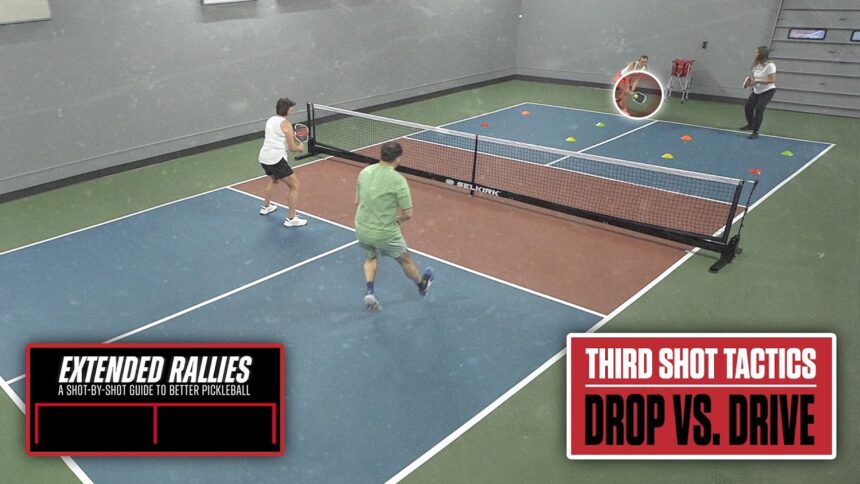
Most players guess when to drop or drive their third shot. This 3-zone system gives you a clear, court-based rule for making the right call every time.
Most players decide whether to hit a third shot drop or a drive based on instinct, habit, or what felt good last time.
That is not a strategy. That is guessing.
The problem is that the wrong choice in the wrong spot does not just cost you a point.
It puts you on your back foot, kills your momentum forward, and hands the receiving team an easy advantage they should not have.
This breakdown comes from Selkirk TV on YouTube, where coaches walk through a court-based decision system that takes the guesswork out of your third shot entirely.
Here is exactly how it works.
Love pickleball? Then you’ll love our free newsletter. We send the latest news, tips, and highlights for free each week.
Why the Third Shot Decision Matters More Than the Shot Itself
The goal of your third shot is not to win the point outright. The goal is to get your team back to neutral.
When you are the serving team, you are already at a disadvantage.
The receiving team returned and is moving toward the kitchen while you are still stuck at the baseline. Your third shot is the bridge that closes that gap.
Make the wrong call and you either blast a low-percentage drive into the net or float a weak drop that sits up like a gift.
Understanding where the return lands is the fastest way to make the right decision every single time.
That is where the three-zone system comes in. You divide your side of the court into three horizontal sections, and each zone has a clear default shot tied to it.
What Are the Three Zones?
- Zone 1 is the area closest to the net on your side, roughly the front third of your court between the kitchen and the transition area.
- Zone 2 is the middle section of your court.
- Zone 3 is the deep third, from around mid-court back to the baseline and beyond.
The return of serve will land somewhere in one of these zones.
That landing spot, combined with the apex of the bounce, is what determines your shot choice. Here is the breakdown for each zone.
💡
Zone 3 (Deep Returns): Default to the Drop
When the return lands deep in Zone 3, near your baseline or even pulling you back behind it, drop the ball. Full stop.
A deep return means the ball is going to bounce high and apex well behind the baseline. You are already retreating or at least back on your heels.
Trying to load up and drive from that position is exactly how balls sail long.
This is one of the most common beginner mistakes in pickleball. Players see a big bounce and feel invited to attack.
But the physics of your position make pace your enemy in Zone 3.
When you are retreating, you cannot transfer your weight forward into the shot. You end up all arm, no body, and the ball goes wherever it wants.
A controlled third shot drop from Zone 3 lets you use the kitchen to neutralize the point and begin moving forward.
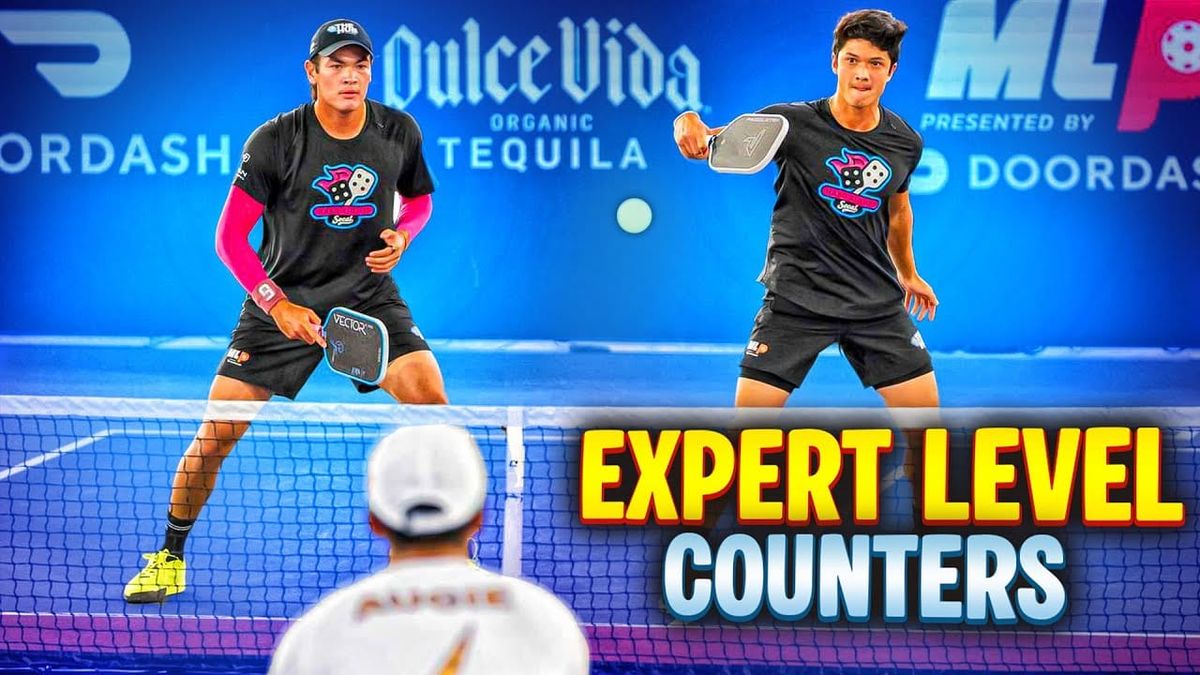
The 3-Zone Counter Technique for Winning Hands Battles at the Kitchen
Counters are point-winners. They’re aggressive shots that put your opponent on their heels. But they only work if you’re positioned correctly and thinking ahead.
What Is a Third Shot Drop, Exactly?
A third shot drop is a soft shot hit from the baseline area that arcs gently over the net and lands in the non-volley zone, also called the kitchen.
The goal is to make the ball land low enough that your opponents cannot attack it, giving you time to advance toward the kitchen line.
If you want to see the technique broken down in detail, this guide on the forehand third shot drop covers the mechanics cleanly.
For the drop in general across different shot types, these three drop shots every solid player needs are worth your time.
Simplifying the Third Shot Drop: Fix These 5 Common Mistakes
The third shot drop becomes consistent when players stop overthinking mechanics and focus on smart positioning and progression
Zone 2 (Middle Returns): This Is Where You Drive
Zone 2 is your green light.
When the return lands in the middle section of your court and bounces up to at least net height or higher, you have a real opportunity to drive with pace and put pressure on the receiving team.
The key qualifier here is the apex. If the ball bounces in Zone 2 but stays low, treat it more like a Zone 3 ball and consider the drop.
But when that ball comes up nice and gives you a clean contact point, you should be moving into the ball, not waiting for it.
Being set and moving forward through the shot is non-negotiable when you drive from Zone 2. Your momentum has to transfer into the paddle.
If your feet are still or you are caught flat-footed, you lose the power and direction that make the drive worth hitting.
A well-executed drive from Zone 2 can force a weak reset from your opponents or even create an outright winner. That is how you use drive techniques that force easy pop-ups from the other side.
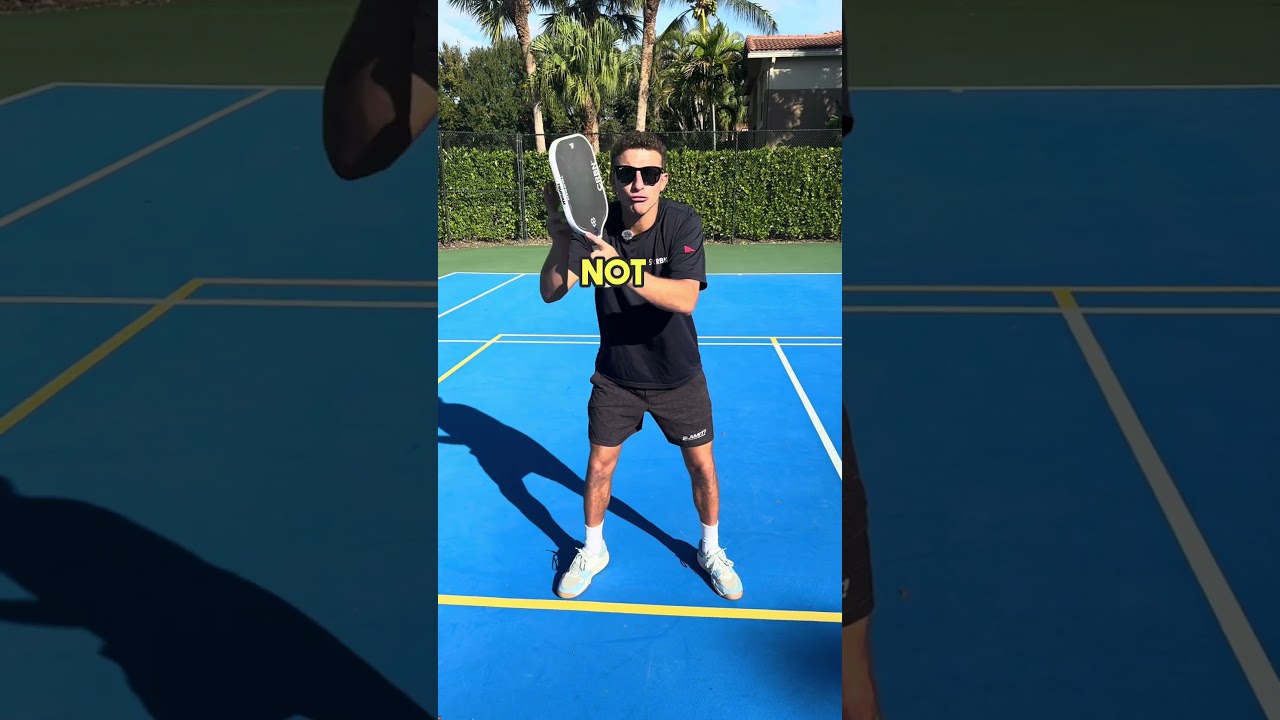
Master Middle Coverage: 3 Pro Tips for Pickleball
Tanner Tomassi explains why mastering footwork, paddle control, and anticipation are the keys to dominating the middle in pickleball
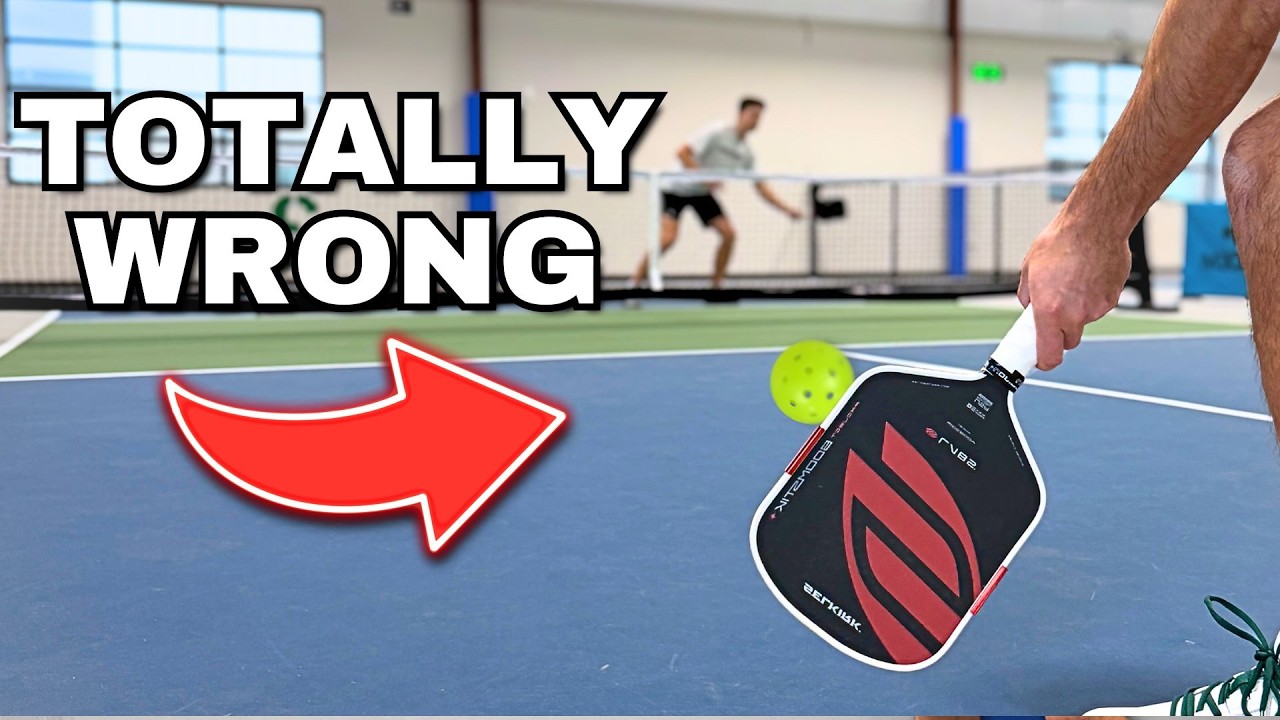
Zone 1 (Short Returns): Most Players Get This Wrong
Here is where a lot of players make a costly mistake. When the return lands short, in Zone 1 near the transition area, the instinct is to attack.
The ball is close, it feels easy, and everyone wants to crush it.
Resist that instinct almost every time.
Unless the ball in Zone 1 comes up genuinely high, hitting a hard drive from this position is a low-percentage play.
You have had to run forward to reach the ball, which means you are not set.
You are mid-stride, weight still moving, and you are trying to put pace on a ball while your body has not settled.
That is exactly how balls sail out. The coaches in the Selkirk TV breakdown demonstrate this live: the drive from Zone 1 goes long, the crowd laughs, and the lesson sticks.
When the ball lands short but stays at a manageable height, the drop is still your higher-percentage play.
A short return that you drop softly into the kitchen still moves you forward. It still creates a neutral exchange.
And it keeps the rally alive instead of donating a point with an unforced error.
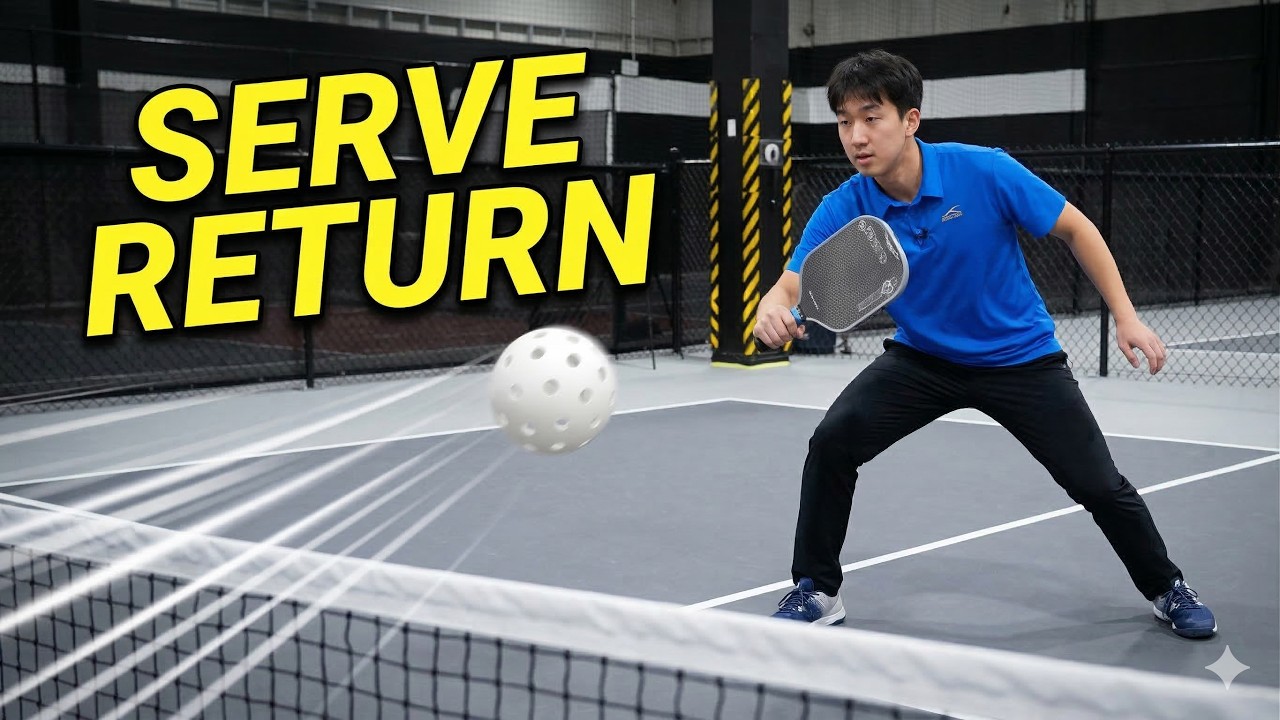
Pickleball Serve Return: 5 Steps to Master It
These five steps build on each other. Start with positioning and depth, add movement and timing, then mix in variety, and your return game will quickly become a weapon.
The Quick-Reference Rules for Every Zone
Here is the system simplified into a format you can actually remember during a match:
- Zone 3 (deep, near or behind baseline): Default to the third shot drop. You are back on your heels and the apex is high and deep. Drop it every time unless the ball floats up to a very attackable height.
- Zone 2 (middle of the court): Drive if the ball bounces up to net height or above and you can move into it while set. This is your primary drive window.
- Zone 1 (short, near the transition area): Drop unless the ball is genuinely high. Running through a drive from here is inconsistent and usually sends the ball long.
Two zones default to the drop. One zone opens the door to the drive. That is the framework.
Pickleball Rules Explained for Beginners (2026)
Pickleball rules can feel overwhelming at first, but they break down into a handful of core concepts that click fast. This guide covers every rule you need to know to step on the court with confidence in 2026.
What Happens When You Apply This Consistently?
Your rally extension rate goes up immediately.
You stop gifting points with pace you cannot control, and you start moving your team toward the kitchen more efficiently after the serve.
That is the real goal of the third shot in doubles.
You are not trying to end the point. You are trying to erase the disadvantage of being the serving team and get your feet to the kitchen line.
Understanding why most mistakes happen in the transition zone helps you see why getting through that zone safely matters so much.
For players who want to push further into the nuances, mastering the advanced third shot drop is the logical next step after you have the zone system locked in.
And if you want to see how pros think about this more broadly, these three simple tips from a pro on the third shot drop are a clean complement to this zone-based approach.
Master the Third Shot Drop: 3 Keys to Consistency
The third shot drop is one of pickleball’s most misunderstood shots. Here are three fundamental mechanics that separate consistent players from those who struggle.
How Do You Train This Decision-Making?
The zone system is only useful if you can actually read the return in real time.
That takes repetition with a specific intention: every time you receive a return in a drill, call the zone out loud before you hit.
Force your brain to process the landing spot consciously until it becomes automatic.
Here is a simple drill structure to build this habit:
- Have a partner return serves to different zones deliberately. Ask them to alternate between short, middle, and deep returns so you see a variety of landing spots.
- Call the zone out loud as the ball bounces. Say “Zone 3, drop” or “Zone 2, drive” before you swing. This builds the decision-making pattern into your muscle memory.
- Focus on your feet first. Before you even think about shot selection, check your position. Are you moving forward, set, or retreating? Your body position often confirms what the zone already told you.
- Track your errors by zone. After practice, note where most of your mistakes happened. Players who struggle in Zone 1 are usually trying to drive short balls. Players who struggle in Zone 3 are likely trying to add pace when they should be dropping.
This kind of structured repetition is what PPA pros use in their own practice sessions to build automatic decision-making. It is not glamorous, but it works.
The other piece is accepting that the drop is not a passive shot. A well-struck third shot drop takes real touch and intention.
Players who treat it as a throwaway shot get punished by opponents who reset and attack.
These five keys to a topspin drop that stays low will help you turn your drop into something opponents actually respect.
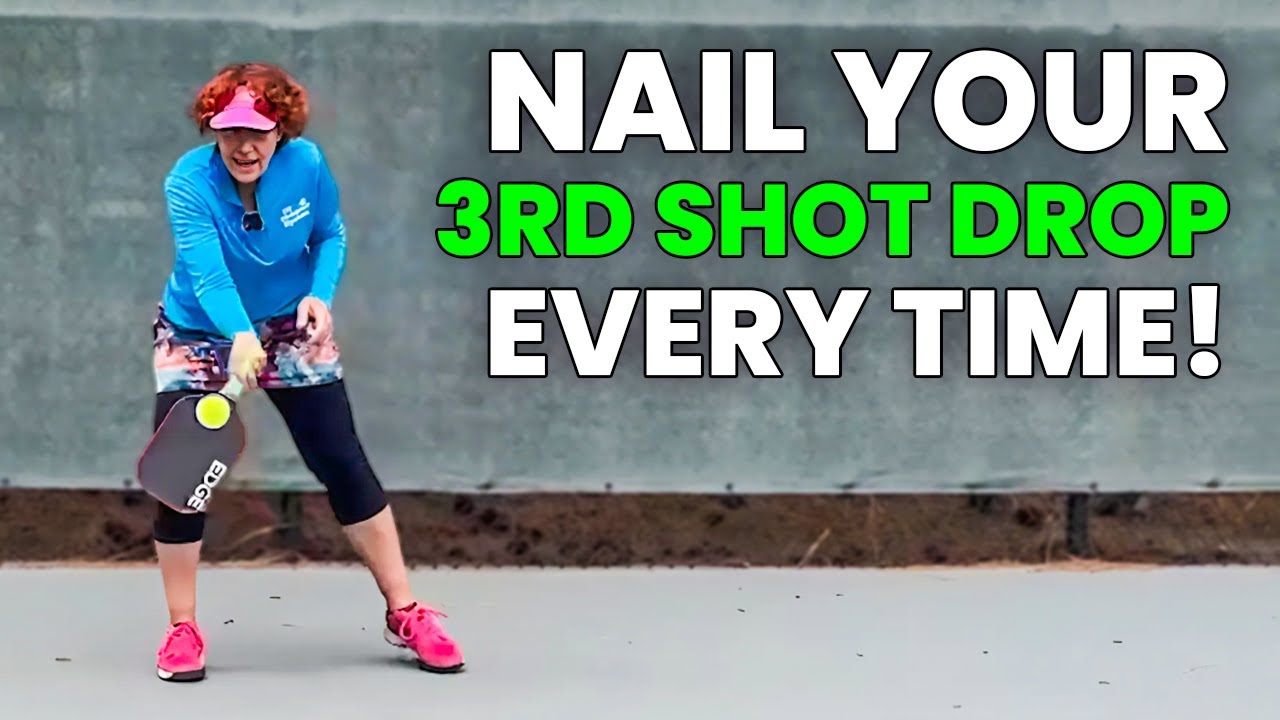
Third Shot Drop vs Drive in Pickleball: Make the Right Call
The third shot drop vs drive pickleball debate isn’t about picking a favorite, it’s about reading the rally and choosing the shot that actually works. This guide breaks down when to drop, when to drive, and how to stop guessing on ball three.
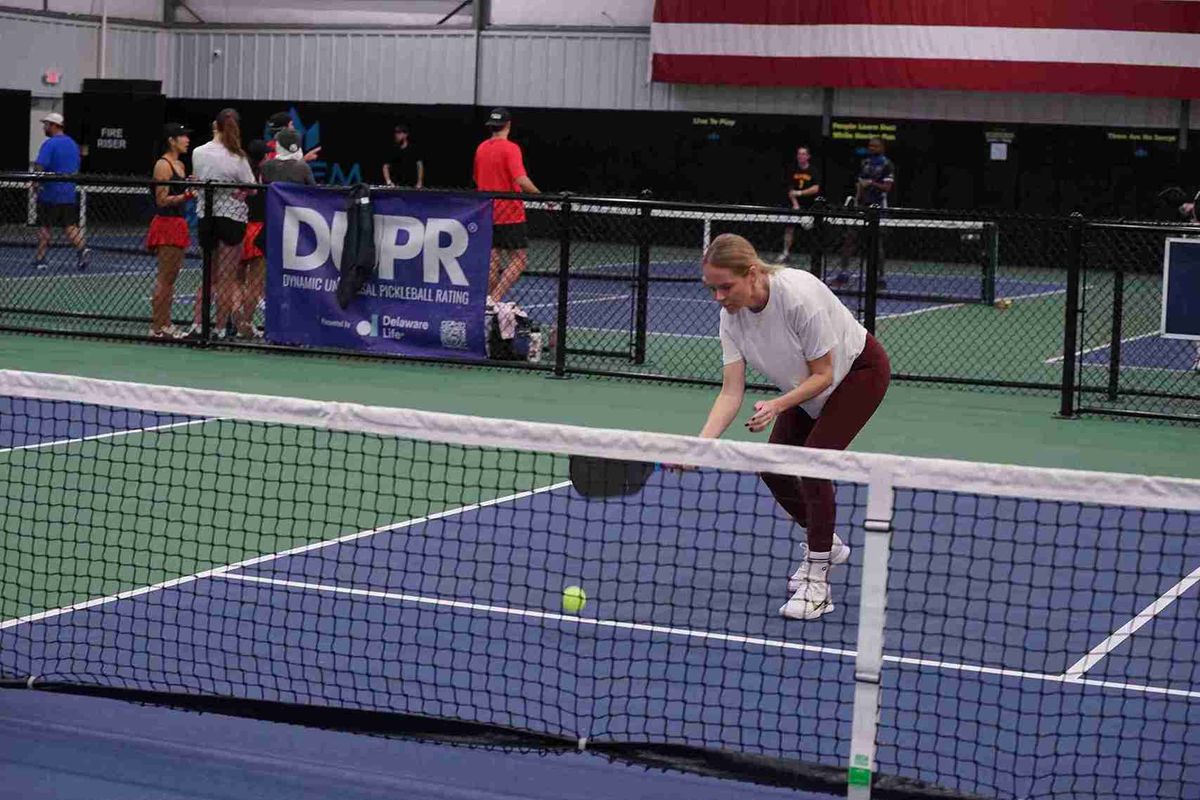
One More Thing: Apex Always Overrides Zone
The zone is your starting point, not your final answer. The apex of the ball is the override switch.
If a ball lands in Zone 3 but somehow floats up to shoulder height, you can consider driving it.
If a ball lands in Zone 2 but stays below the net on the bounce, treat it like a Zone 3 ball and drop. The zone tells you what to expect.
The apex tells you what is actually happening.
Train your eyes to read the ball off the bounce, not just the landing spot.
That dual read, zone plus apex, is what separates players who make good third shot decisions from players who make great ones.
It is also what separates 4.0 players from 5.0 players when it comes to shot selection under pressure.
Combine the zone system with apex awareness and you will make better third shot decisions than most of the players you face at any level below 5.0.
💡
Frequently Asked Questions
When should I always drop my third shot in pickleball?
Drop your third shot when the return lands deep in Zone 3 near or behind the baseline, or when the return lands short in Zone 1 and the ball does not come up high. Both of these positions make driving the ball a low-percentage play because your body cannot properly transfer forward momentum into the shot.
Is it ever wrong to drive a third shot from Zone 2?
Yes, if the ball bounces in Zone 2 but stays low or below net height, driving it becomes risky because you are hitting up on the ball with pace, which sends it long or into the net. The drive in Zone 2 only works when the apex gives you a contact point at or above net height and your feet are moving forward into the shot, not flat or retreating.
Why do my third shot drives keep going out of bounds?
The most common reason is hitting a drive while on your back foot or mid-stride, especially from Zone 1 or Zone 3. When your weight is not moving forward through the ball, you lose directional control and the ball floats long. These four fixes for shots going long can help you diagnose the exact issue.
What is the goal of the third shot in doubles pickleball?
The goal is not to win the point. The goal is to neutralize the receiving team’s advantage and move your team toward the kitchen line. The serving team starts at a disadvantage because the receiving team can move to the net immediately after the return, so a good third shot closes that positional gap.
How do I get better at reading where the return will land?
Practice calling the zone out loud during every drill before you swing, which forces your brain to consciously process the ball’s landing spot. Over time, reading the zone becomes automatic. Pairing this with apex awareness, watching how high the ball bounces off the court, gives you the full picture you need to make the right shot call every time.
Nguồn: thedinkpickleball