
Lefty pickleball players have real structural advantages, but they also have specific weaknesses most players never target. These 10 tips from Zane Navratil and Max Freeman show you exactly where to attack.
Lefty pickleball players give most recreational players fits, and it is usually not because lefties are more skilled.
It is because most players have never thought clearly about what a lefty actually does differently or where their game falls apart.
The good news is that lefties have real, repeatable weaknesses.
Once you know where to look, you can start targeting those spots instead of walking into their strengths every single point.
Everything in this article comes from a breakdown by Zane Navratil Pickleball on YouTube, filmed alongside pro lefty Max Freeman, Ben Johns’ Major League Pickleball partner, who helped reveal exactly how lefty players think and where they are vulnerable.
Love pickleball? Then you’ll love our free newsletter. We send the latest news, tips, and highlights for free each week.
Step One: Actually Notice What Hand They Are Using
This sounds obvious, but players miss it constantly.
When you step on the court, clock which hand your opponent is holding the paddle with before the first rally starts.
Your positioning, return targets, and dinking patterns all shift depending on which side their forehand lives on.
If you do not register this early, you will spend the first few games feeding their strengths by accident.
Why Do Lefty Drives Feel So Different?
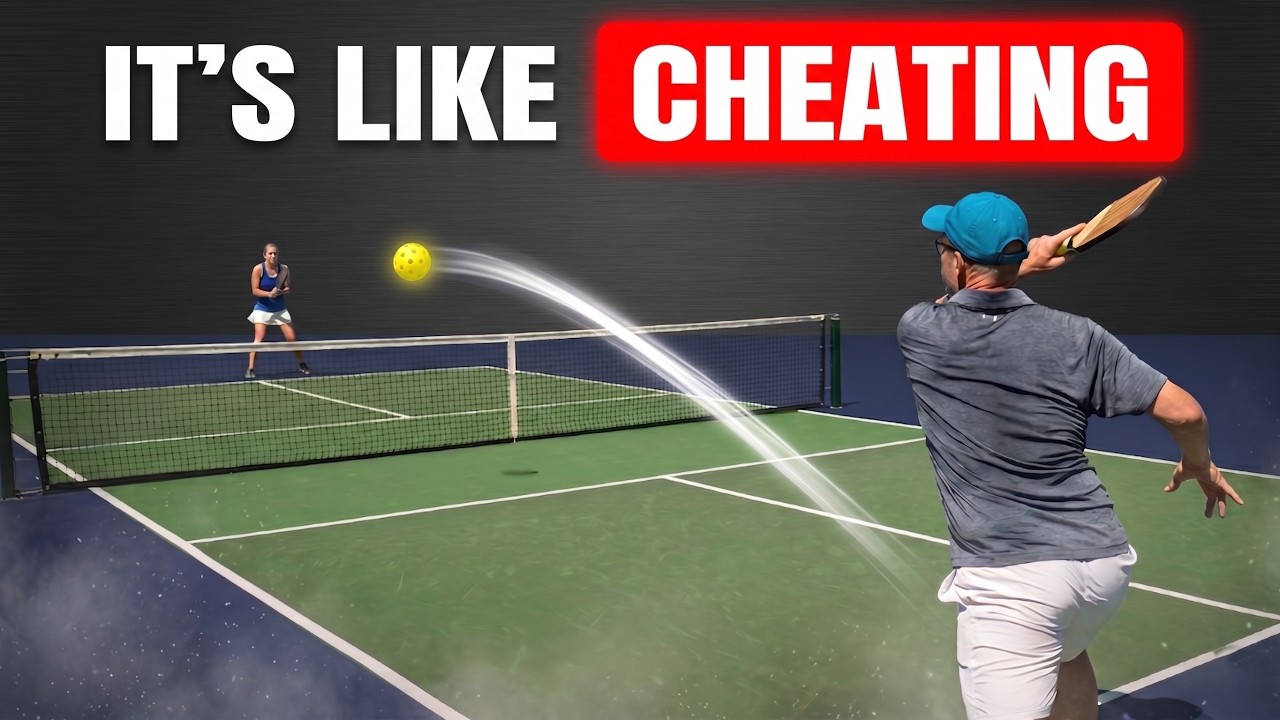
Lefty drives curve in the opposite direction from righty drives. A righty drive tails away from a righty returner.
A lefty drive tails back into your body from the opposite angle.
Players get caught off guard because they do not recognize what is happening fast enough.
The fix is simple: recognize it early, read the spin direction off the paddle face, and adjust your body position before the ball reaches you.
This is one of the most common sources of unforced errors when players first face a left-handed opponent.
The ball does not go where muscle memory expects it to go.
💡
How to Use the Return Against a Stacking Lefty Team
Lefty-righty teams stack constantly. When a lefty is receiving on the right side, the stack unwinds in a predictable direction. You can exploit this.
Serve out wide and immediately look to pass to the open court as they rotate.
The return is your weapon here too: hit it to the open court, which will typically be the lefty’s backhand side, and force them to set up from a weaker position.
If you want to understand how to defend against stacking more broadly, that foundation will make these lefty-specific adjustments click much faster.
Pickleball Return Strategy: How Pros Control Every Rally
Professional pickleball players treat the return of serve as a strategic weapon, not just a way to get the ball back in play. Understanding the pickleball return strategy that separates elite players from the rest can transform your game.
The Drive and Crash Problem
Lefty-righty teams love the drive and crash combination more than almost any other team pairing.
The lefty’s forehand drive from the left side creates natural angles toward the middle, and the partner crashes behind it.
To neutralize this, focus on two things. First, hit deep quality returns consistently.
Second, go behind the lefty crasher every once in a while to reset their positioning and make them think twice before attacking.
A lot of players are more practiced defending crashes from the left anyway, so sending returns that direction can also short-circuit the whole pattern before it starts.
Learning how to make your return create offense rather than just get the ball in play is the real key to stopping this pattern cold.
5 Pickleball Drive Techniques That Force Easy Pop-Ups
A great pickleball drive is not a winner, it is a setup. Here is the technique, the targets, and the drills that turn your drive into instant offense.
Never Hit a Dead Middle Dink Against a Lefty Partner
The dead middle dink is the single biggest gift you can give a lefty at the kitchen.
Max Freeman breaks this down clearly: from the middle position, a lefty has an aggressive crosscourt dink, a speed-up through the middle, a cross-body attack, and a straightforward shot right at you.
That is four quality options from one position. You are handing them all of it for free.
Instead, work the forehand to backhand pattern.
Keep the ball moving so you are attacking their backhand and making them defend rather than dictate.
Understanding what a dead dink actually is will help you stop creating these situations on autopilot.
What Is a Dead Dink in Pickleball? How to Attack It
A dead dink in pickleball is essentially a gift shot from your opponent. This guide breaks down how to identify a dead dink and exactly how to attack it every single time.
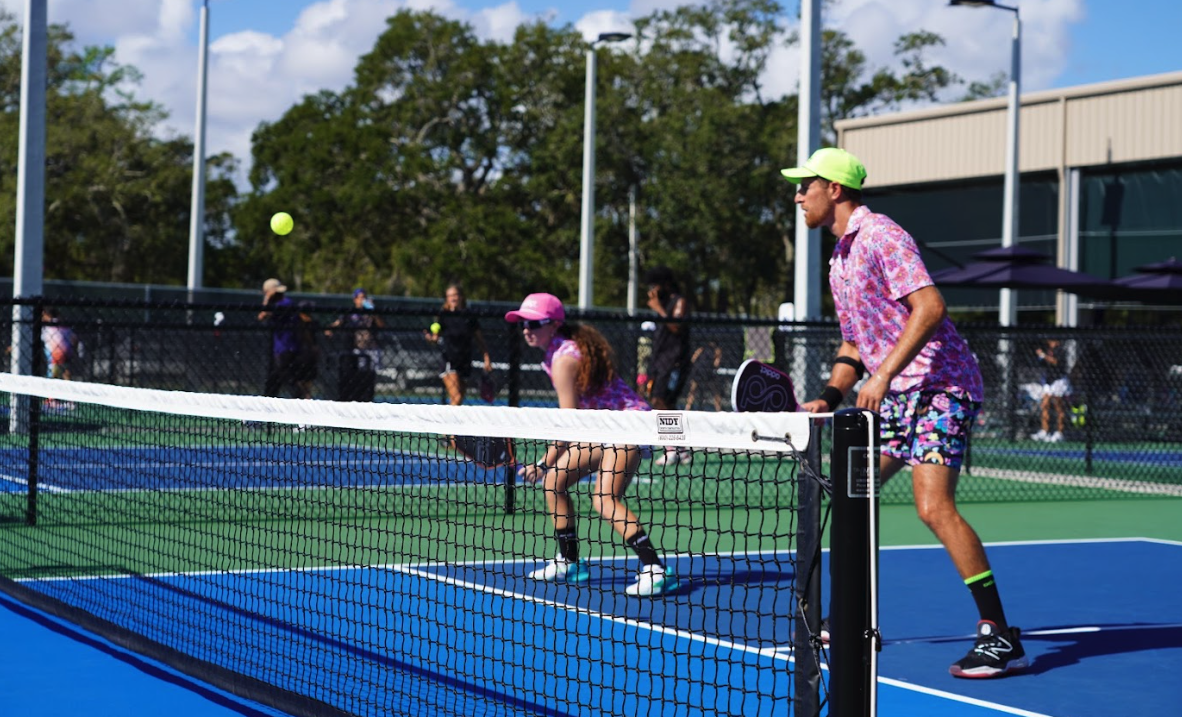
If you see a lefty backing away from the kitchen line or you are in an offensive position, attack their inside foot with aggressive dinks.
The inside foot dink creates a hard angle that forces the lefty to reach across their body or jam their swing.
It is one of the cleanest ways to create an attackable ball from a dinking exchange.
This pairs well with understanding how to step in on dinks so you can apply pressure at exactly the right moment rather than waiting for a perfect setup.
Attack the Right Spots: Win More Points in Pickleball
You can’t go to the same spot every single time you go on offense – eventually, your opponent will catch on. And make you pay for it.
Understanding Reach Differences on the Right Side
Here is something most players have never thought about.
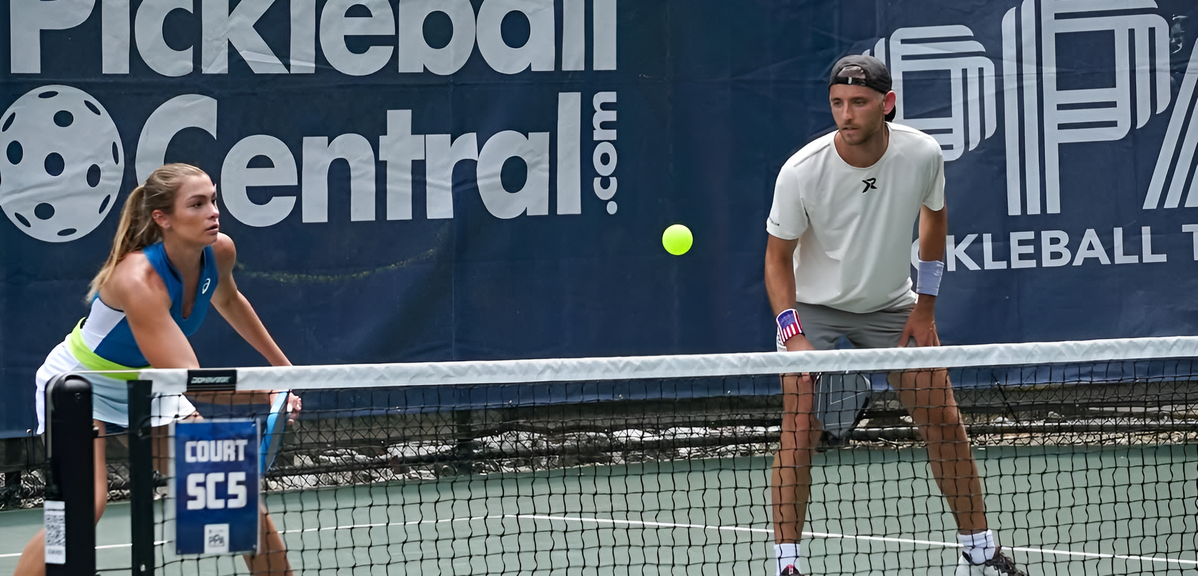
When a righty plays on the right side, their shoulder opens toward the sideline, giving them more reach wide but less reach into the middle.
When a lefty plays on the right side, their shoulder faces in, giving them more reach toward the center but less reach wide.
That changes where you should be targeting your dinks.
If you are dinking against a lefty on the right and you need the ball to bounce, go wider. The wider the better.
Do not get fooled into thinking the middle is open just because it looks that way from your side of the court.
Right Side Pickleball: Why It’s Harder Than Left
Right side pickleball isn’t just a different position—it’s practically a different sport. The geometry, attack angles, and defensive responsibilities create challenges that left-side players simply don’t face.
The Forehand to Forehand Battle: Win This and You Win the Point
The right side to right side crosscourt dink battle is the most important pattern to own against a lefty.
When you are hitting forehands into their backhand crosscourt, you are in control. You have more offensive opportunities and you can decide when to speed up.
The danger is letting the lefty reach in and take something out of the air. Keep your dinks low and precise enough that they cannot cheat into that middle zone.
When you are dinking crosscourt right to right, the middle might look open. It is not. Freeman says it himself: he is practically begging you to try it.
Instead, either target the body of the player in front of you or go all the way back behind the lefty who is crashing the middle hard.
Working on left side dinking patterns and how court position shifts around a lefty will help you build this pattern into a real weapon.
Forehand Speedup: Master the Winning Attack
Mastering is about understanding when to attack, positioning yourself for success, controlling your pace, and thinking two shots ahead.
How Should You Play Defense Against a Lefty?
When the ball is in front of a lefty in a hands battle, they will typically protect with a one-handed backhand because they know they have coverage in the middle.
That means you should avoid targeting the body.
Instead, look to stretch them down the line or expose their chicken wing.
The chicken wing is a real vulnerability if you can get the ball to that high inside shoulder.
You can also attack cross-body toward their partner. Either approach disrupts the protection patterns a lefty defaults to automatically.
The Pivot Trick: How to Quickly Turn Defense Into Offense in Pickleball
A well-timed pivot lets you turn into the shot, maintain your balance, and hit an aggressive return instead of a defensive block.
Lefty Overhead Patterns Are Different Too
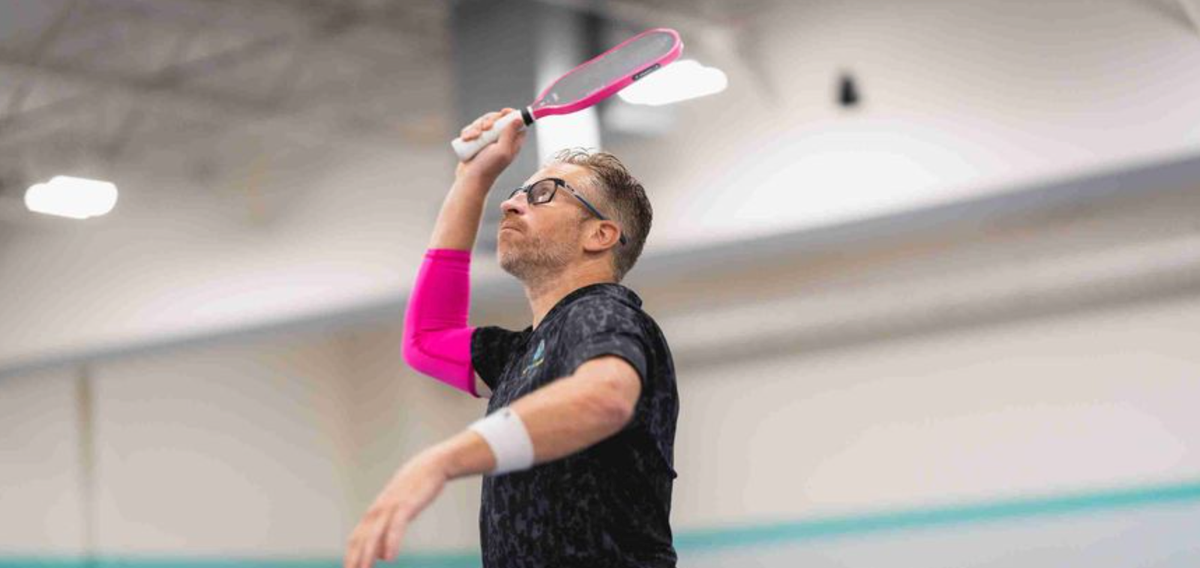
Lefty overheads travel in a different direction than you are used to defending.
When the ball is slightly behind a lefty, they naturally go inside-out, which puts the ball toward the right side of the court from your perspective.
But on shoulder-high or head-high put-aways where the ball is more in front of them, lefties typically pull across their body back toward the left side.
That means the ball is going where you probably least expect it.
Knowing this pattern in advance means you can position your feet and paddle before the swing starts, rather than reacting after the ball is already past you.
This is the same principle behind turning overhead situations into easy points from the offensive side.
Overhead Smash Pickleball Technique: The Complete Guide
The overhead smash pickleball technique is one of the most decisive shots in the game, when it’s dialed in, it ends rallies on the spot. This guide breaks down the footwork, trophy position, and finish mechanics you need to hit it with power and precision every time.
Quick Reference: 10 Tips to Beat a Lefty
- Check which hand they are holding the paddle with before the first point
- Adjust for lefty drive spin curving the opposite direction
- Return to the open court (their backhand) when they stack and unwind
- Serve out wide and look to pass behind a crashing lefty
- Go behind the lefty crasher occasionally to reset their aggression
- Never hit a dead middle dink against a lefty partner
- Attack the inside foot with aggressive dinks when they retreat
- Dink wide against a lefty on the right, not through the middle
- Win the forehand to forehand crosscourt battle on the right side
- Anticipate inside-out overhead direction when the ball is behind them
These tips become even more powerful when you pair them with a strong dinking game at the kitchen that gives you the control to actually execute these patterns under pressure.
And if you want to go beyond just surviving against lefties, learning doubles strategies most players never discuss will help you build a complete system rather than just reacting point by point.
You can also read more about Max Freeman’s competitive history to understand what kind of lefty player is helping teach these concepts. His reads on the game are sharp.
Finally, if you want to put pressure on lefties before the dinking exchange even starts, knowing which serve techniques force weak returns will help you control the point from ball one.
💡
Frequently Asked Questions
Why are lefty players harder to play against in pickleball?
Lefty pickleball players create unfamiliar angles because their forehand and backhand are reversed from what most right-handed players are used to seeing. Their drives curve in the opposite direction, their overhead patterns are mirrored, and their positioning in doubles stacks differently. Most players struggle because they apply righty assumptions to a lefty game.
Where should I return serve against a lefty?
Return to the lefty’s backhand side, which is typically the open court when they are stacking with a righty partner. This forces them to hit from a weaker position and disrupts their preferred drive and crash patterns. Deep quality returns that push them back are equally effective.
What is the biggest dinking mistake against a lefty?
Hitting a dead middle dink is the worst mistake you can make. It gives the lefty four quality attacking options from one position, including a speed-up through the middle, an aggressive crosscourt dink, and a direct attack at you. Work the forehand to backhand pattern instead.
How do lefty overheads differ from righty overheads?
When the ball is behind a lefty, they typically go inside-out, sending the ball toward the right side of the court. When the ball is in front of them at shoulder or head height, they pull across their body back toward the left. Knowing this in advance lets you pre-position your defense instead of reacting after the swing.
How do I beat a lefty-righty doubles team?
Focus on deep returns that limit their drive and crash patterns, serve wide to expose the stack rotation, and go behind the lefty crasher occasionally to keep them honest. Avoid the dead middle dink at all costs, and target the right side to right side crosscourt battle where you have the forehand advantage.
Nguồn: thedinkpickleball