Beating a higher-rated pickleball player is possible when you stop playing their game and start playing yours. This underdog game plan breaks down the exact tactics, mental frameworks, and shot patterns that close the rating gap on the court.
Beating a higher-rated pickleball player is absolutely possible, and it happens more often than the rating gap would suggest.
The player with the better number doesn’t always win. The one who executes a smarter game plan does.
That’s the whole thesis here. Higher-rated players are better on average. But “on average” has a ceiling.
When you force them to play a specific type of game, one that neutralizes their strengths and rewards your discipline, the gap closes fast.
Here’s how to do it.
Love pickleball? Then you’ll love our free newsletter. We send the latest news, tips, and highlights for free each week.
What “Higher-Rated” Actually Means
Before you build a game plan, you need to understand what a rating difference actually represents.
In pickleball, your DUPR rating is a reflection of your results against other rated players. It tells you a lot, but not everything.
A player rated 4.5 is not a robot. They miss. They have tendencies. They have a weaker side, a preferred shot, a comfort zone.
Your job is to find those tendencies and exploit them relentlessly. A higher rating means they’re better at picking you apart.
It doesn’t mean they’re immune to being picked apart themselves.
Research on competitive sports consistently shows that mental performance factors, composure, decision-making, and emotional regulation under pressure, are often as decisive as raw skill in determining match outcomes.
That’s your opening.
The Underdog’s First Rule: Don’t Beat Yourself
This is the single biggest reason upsets happen in pickleball. The lower-rated player doesn’t lose because they’re outplayed.
They lose because they make mistakes they didn’t have to make.
Unforced errors are gifts. Every time you pop a dink into the net or sail a third shot long, you’re handing the higher-rated player a free point.
They didn’t earn it. You donated it.
The first tactical commitment to beat a higher-rated pickleball player is simple: be the more consistent player in the rally, not the more aggressive one.
That mental switch alone changes the entire dynamic of the match. Building a champion mindset starts with this, patience is a weapon, not a compromise.
If you’re playing a 4.5 and you keep the unforced error count under five for the game, you’re already doing something most players at your level never accomplish.
That’s the floor. Build from there.
💡
Why Pace Is Your Enemy
Higher-rated players are better at pace. Full stop. They generate it, they handle it, and they redirect it more effectively than you can.
So why would you play their game?
Slow the rally down. Reset every attackable ball into a dink. Take pace off the ball whenever you can.
The reset game is your great equalizer, because it forces your opponent to manufacture opportunities rather than capitalizing on yours.
Here’s what this looks like in practice: When a higher-rated player speeds the ball up at you, your first instinct is to speed it back. Resist that instinct.
A soft, cross-court block that lands in the kitchen is worth so much more than a speed-up that goes wide.
Learning to become unattackable in the soft game neutralizes the single biggest advantage your opponent has.
Slowing the game down also wears on the mental side of a higher-rated player who expects to overwhelm you quickly. That frustration? It’s a resource.
Two-Handed Backhand Counter in Pickleball
The two-handed backhand counter is one of the most reliable weapons at the kitchen line in pickleball. Pro player Ava Ignatowich breaks down the exact grip, footwork, and stroke mechanics you need to master this shot.
The Third Shot Drop Is Your Great Equalizer
You’ve probably heard it a hundred times. Make your third shot drop consistent. It’s still true, and it matters even more when you’re the underdog.
A reliable third shot drop is the only shot in pickleball that neutralizes the serving team’s disadvantage and gets you into a dinking rally as the returner.
When you’re playing against a higher-rated player, getting to the kitchen is not optional. It’s mandatory. They will destroy you from the transition zone.
Definition: The third shot drop is a soft, arcing shot hit from the baseline or transition zone that lands in the opponent’s non-volley zone (the kitchen), forcing them to hit up instead of attacking down.
The moment you arrive at the kitchen line and engage in a patient, controlled dinking exchange, you’ve taken away the biggest structural advantage your opponent has: the ability to dictate pace from an attacking position.
Position yourself correctly at the kitchen and stay there
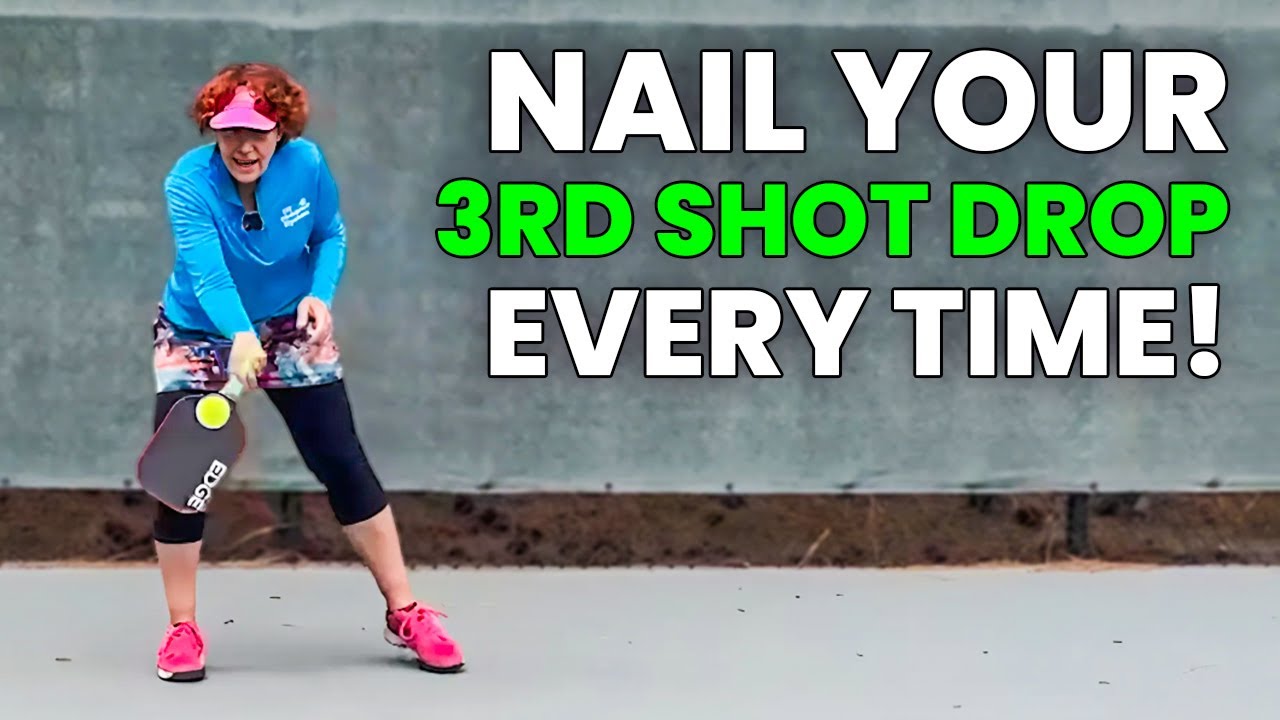
Master the Third Shot Drop: 3 Keys to Consistency
The third shot drop is one of pickleball’s most misunderstood shots. Here are three fundamental mechanics that separate consistent players from those who struggle.
How to Win Points Against a Better Player
Patience neutralizes. But you still have to score. Here’s how underdogs actually win points against players with higher ratings:
- 1. Target the backhand, consistently, not occasionally. Most players, even rated higher, have a weaker backhand dink. Don’t just hit there once to test it. Make it a pattern. Force your opponents to hit the more difficult shots over and over until they break.
- 2. Attack the middle in doubles. Communication breaks down at the middle. A well-placed ball at the hip of the weaker player in a doubles pairing creates instant confusion. The T and sideline strategy exists for a reason.
- 3. Use the lob when they’re leaning forward. Higher-rated players are comfortable at the kitchen line. They lean in. A well-timed lob over a player who’s crowding the NVZ is one of the most effective point-ending shots in the underdog’s arsenal. Not as a gimmick. As a legitimate weapon when the time is right. The lob doctor breaks it down.
- 4. Speed up from below the net. This sounds counterintuitive, but a well-timed speed-up from below the tape, at the opponent’s hip or shoulder, is harder to handle than one from a neutral position. Shot selection is everything. Pick your moments.
4 Pickleball Patterns to Win More Points
Understanding pickleball patterns is the fastest way to improve your game without hitting thousands of balls. These four essential pickleball patterns will transform how you read the court and anticipate your opponent’s next move.

What to Do When You’re Losing
This is where most underdogs collapse. You’re down 7-3. The panic sets in. The decisions get worse. The errors mount.
Here’s the counter-move: slow everything down, go back to your game plan, and play the next point as if the score doesn’t exist.
Reset your frame, not just the ball. The real reason most players stop improving is that they let the score determine their shot selection instead of strategy.
When you’re losing to a higher-rated pickleball player, the temptation is to do more. Hit harder. Finish faster. That instinct is wrong.
It’s playing into their strengths. Do less. Reset more. Extend the rally. Make them win the hard way.
Timeout usage is part of this. If the game allows timeouts, use them when you’re on a losing streak.
Break the momentum, breathe, and re-anchor to your game plan.
Mental Warfare: What Elite 6.0 Pickleball Players Think During Every Dink
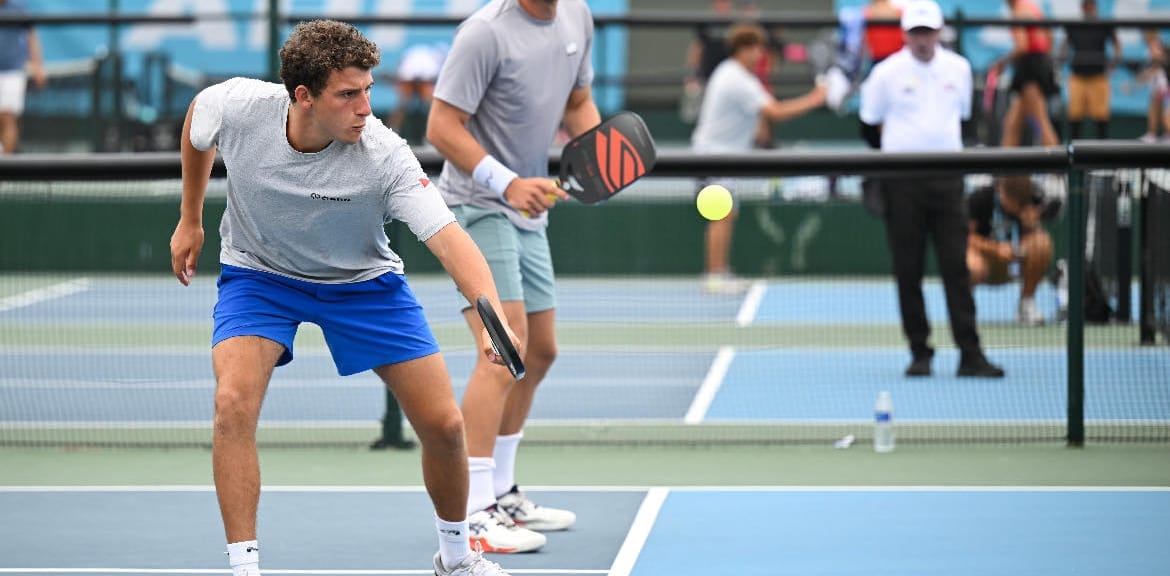
What separates good from great in pickleball is the split-second mental shift that happens the moment the ball leaves the paddle
Train Specifically for This Scenario
If you want to beat a higher-rated pickleball player, you need to train for it intentionally, not just play more rec games.
Solo drills that sharpen your reset, your third shot consistency, and your soft game are more valuable here than speed-up practice.
Also: play against better players in practice as often as possible. The discomfort of being outplayed in a drill is exactly where your game improves.
There’s no shortcut here. 3 skill investments that elevate your game are worth reviewing, they line up almost perfectly with what it takes to compete up a level.
Practicing the hardest dinking drill you can find is one of the most efficient uses of your practice time.
Dinking consistency is the baseline skill that makes every other tactic in this article work.
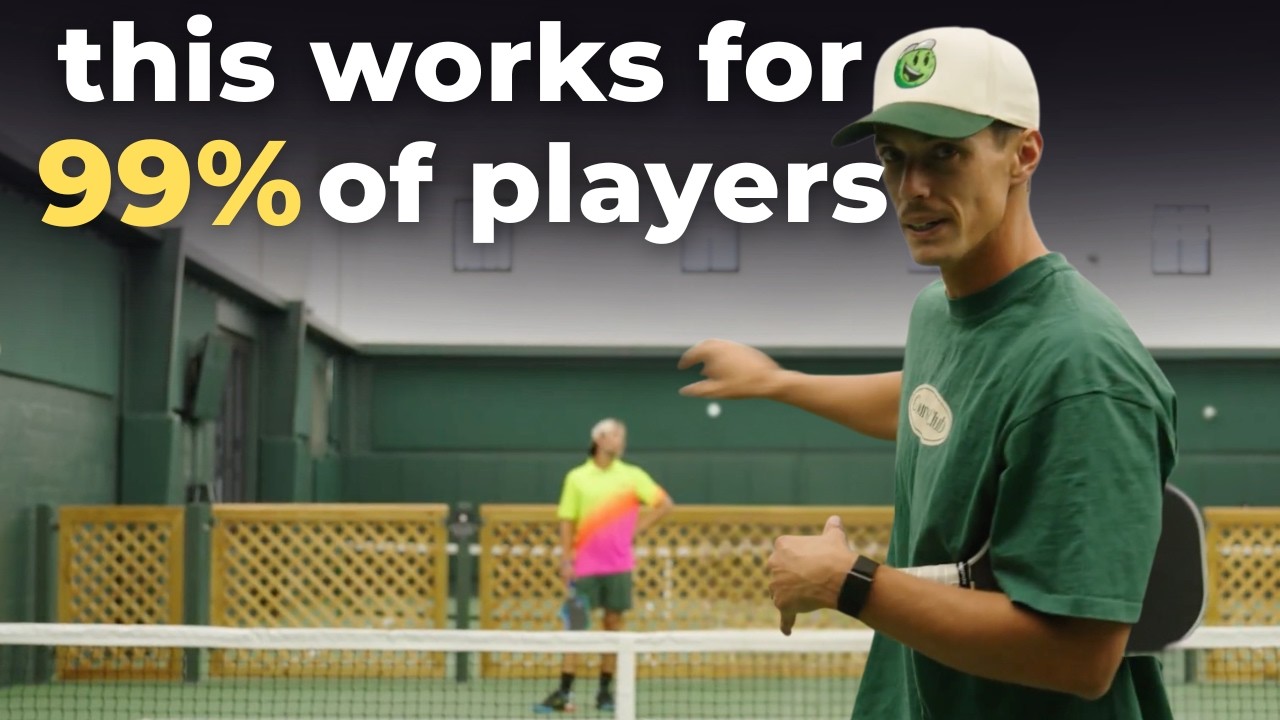
Pickleball Strength Training: Exercises That Work
Over time, one factor consistently separates athletes who stay healthy and competitive from those who fade away: fitness and proper training.
The Mental Side of Competing Up a Level
Sports psychology research published in the Journal of Sport & Exercise Psychology consistently shows that pre-performance routines and emotional regulation are the most reliable predictors of competitive performance under pressure, more reliable than skill differentials alone.
That matters here. When you’re the underdog, your brain is working against you. Every missed shot feels bigger. Every point gap feels wider.
Your job is to stay process-focused. What shot am I hitting? Where am I placing it? Am I at the kitchen?
Those are the three questions that belong in your head during a match against a higher-rated player.
The transition zone is where most of the mental errors happen. Players get caught between the baseline and the kitchen, and they panic.
They speed up when they should drop. They drop when the ball is attackable. That indecision is what separates a 3.5 from a 4.0 more than any single shot.
Be decisive. Execute. Move to the kitchen. Repeat.
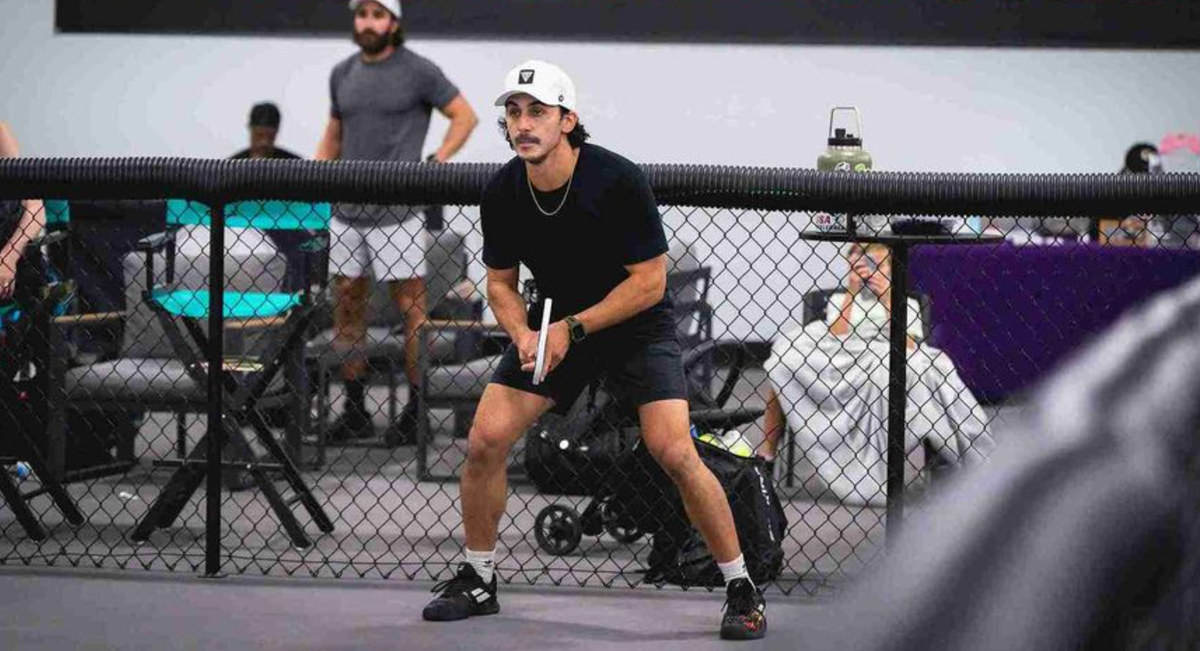
Pickleball Mental Game: Stay Calm Under Pressure and Win
The mental game competitive pickleball demands is just as important as your backhand or your third shot drop. Learn how top players stay calm under pressure, reset after errors, and build the focus that wins matches.
Key Takeaways
- Beat a higher-rated pickleball player by removing pace, not matching it. Slow the game down to the kitchen line.
- Eliminate unforced errors first. Consistency beats brilliance against better players.
- Your third shot drop is mandatory, not optional. Make it reliable, not fancy.
- Target weaknesses relentlessly. Find the backhand, the middle, the leaning player, and return there on every applicable point.
- Stay process-focused when losing. The score doesn’t change your shot selection. Your game plan does.
- Train specifically for it. Drills targeting your reset game, soft game, and kitchen positioning will pay off faster than anything else.
💡
Frequently Asked Questions
Can you really beat a higher-rated pickleball player consistently?
Yes, but consistency here means winning more often than the rating gap would predict, not winning every time. The tactics in this article (removing pace, eliminating errors, targeting weaknesses) work because they force a higher-rated player to beat you with precision in a patient game, which is harder for them than overwhelming you with speed. Secrets that advanced players don’t want you to know confirm this pattern.
What is the most important skill to beat a higher-rated pickleball player?
The reset. A reliable reset that takes pace off the ball and lands softly in the kitchen is the single most equalizing shot in pickleball. Without it, you’re forced to play into the strengths of a more skilled opponent. Improve your reset game and your ability to compete up a level improves immediately.
How does DUPR rating affect match strategy?
Your DUPR rating reflects historical performance against other rated players. A higher-rated opponent has simply demonstrated better results on average. Understanding this means you’re not trying to out-talent them, you’re trying to exploit the variance in their game while minimizing variance in yours. Small sample sizes, unusual game conditions, and disciplined underdog play all create real upset windows.
Should I try to speed up the ball against a higher-rated player?
Sparingly. Speed-ups should be selected, not reflexive. When you beat a higher-rated pickleball player, it usually involves choosing your moments carefully, low balls you can attack into the hip, shoulder-height shots with an open angle, rather than accelerating everything you can reach. Shot selection skills are the difference between a smart speed-up and a free point for your opponent.
How do I handle the mental pressure of playing a higher-rated opponent?
Focus on the process, not the score. Set a few simple metrics before the match: stay at the kitchen, limit unforced errors to under five, target the backhand. When you have process anchors, score-related pressure loses some of its grip. Building a champion mindset is a skill, not a personality trait, and it’s trainable.
Nguồn: thedinkpickleball