Most players who struggle to win recreational pickleball games aren’t losing because of talent, they’re losing because of fixable tactical habits. These 7 adjustments target exactly what’s going wrong in rec play and give you a blueprint to start winning tonight.
If you want to win recreational pickleball games, the problem usually isn’t your paddle, your athleticism, or your backhand.
It’s the decisions you’re making before the ball even leaves your opponent’s side.
Rec play is a different game from tournament play, and the players who dominate it consistently aren’t necessarily the most skilled, they’re the most disciplined.
Here are seven adjustments you can make right now, tonight, that will immediately shift more points in your favor.
Love pickleball? Then you’ll love our free newsletter. We send the latest news, tips, and highlights for free each week.
Why Rec Play Is a Different Game Than You Think
Rec play rewards consistency over flash. Full stop.
In tournament pickleball, players apply controlled pressure, construct points with purpose, and execute shots they’ve drilled hundreds of times.
In recreational games, unforced errors are the leading cause of lost rallies, not brilliant winners from the opponent.
A 2023 analysis of amateur pickleball matches found that nearly 65% of points in lower-level play ended with an error, not a forced mistake.
That number should reframe everything you do on court. You don’t have to be great. You have to be less wrong than the other team.
Here’s the thing: most players who want to win recreational pickleball games go out looking for the big shot.
They want the winning punch, the put-away smash, the brilliant speed-up down the line. That instinct costs them more points than it earns.
Adjustment 1: Stop Giving Away the Third Shot
What Is the Third Shot Drop (and Why Does It Matter in Rec Play)?
The third shot drop is the shot hit by the serving team, typically on the third ball of every rally, designed to land softly in the kitchen and give your team time to advance to the NVZ line.
It’s the single most important shot in recreational pickleball strategy because it’s the one that determines whether you arrive at the net in control or scrambling.
In rec games, most players skip this shot entirely. They either drive hard hoping for a winner, or they float a weak ball that gets crushed right back at them.
Neither works.
The fix is straightforward. After the serve and return, hit a softer shot toward the kitchen.
It doesn’t have to be perfect, just low, unattackable, and cross-court where the net margin is lowest.
Get this right and you win more points simply by arriving at the net, where most rallies are actually decided.
💡
Adjustment 2: Get to the Kitchen Line. Then Stay There.
The non-volley zone line is where pickleball matches are won.
Every coach, every pro, every piece of rec play advice says the same thing: players who consistently reach and hold the kitchen line win more games.
This isn’t a suggestion, it’s math.
When both players on a team are at the NVZ line, they control the point.
They force the opponents into difficult upward shots, reduce the court’s attackable angles, and dictate the pace.
How you position yourself at the kitchen matters just as much as getting there in the first place. Feet close to the line, paddle up, weight slightly forward.
The mistake most rec players make isn’t failing to get to the kitchen, it’s retreating when things get uncomfortable.
A drive comes at them, they step back, and they’ve handed over the advantage they worked to earn. Hold your position.
Reset softly back into the kitchen and let the rally continue.
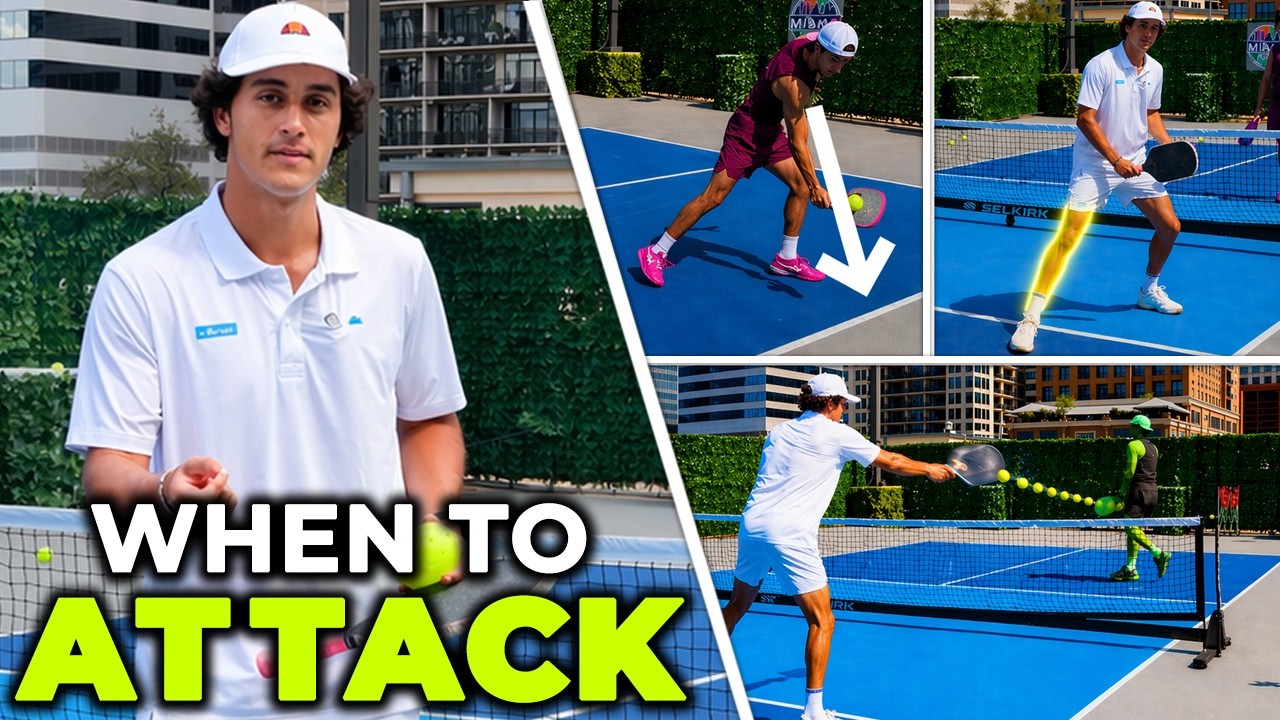
Kitchen Line Aggression: When to Attack in Pickleball
Jack Munro, the #1 player on the APP tour in mixed and men’s doubles, breaks down the exact signals that tell you when your opponent is vulnerable and ready to be attacked.
Adjustment 3: Aim for the Middle More Often
Why Does Hitting Down the Middle Win Recreational Pickleball Games?
Aiming down the middle is one of the most effective strategies to win recreational pickleball games, especially in doubles, and it’s wildly underused.
The middle covers the most court, creates confusion about who takes the ball, and gives you the most net clearance at the lowest point of the net.
When you go cross-court or down the line, you’re trying to hit a smaller target with less margin.
When you go middle, you give yourself more room for error and create a real decision problem for your opponents.
Communication breaks down in rec doubles constantly. Two players reaching for the same ball, or both watching it go through, that’s a point for you.
Playing the percentages means defaulting to higher-percentage shots under pressure. The middle is almost always a higher-percentage shot than the sideline.
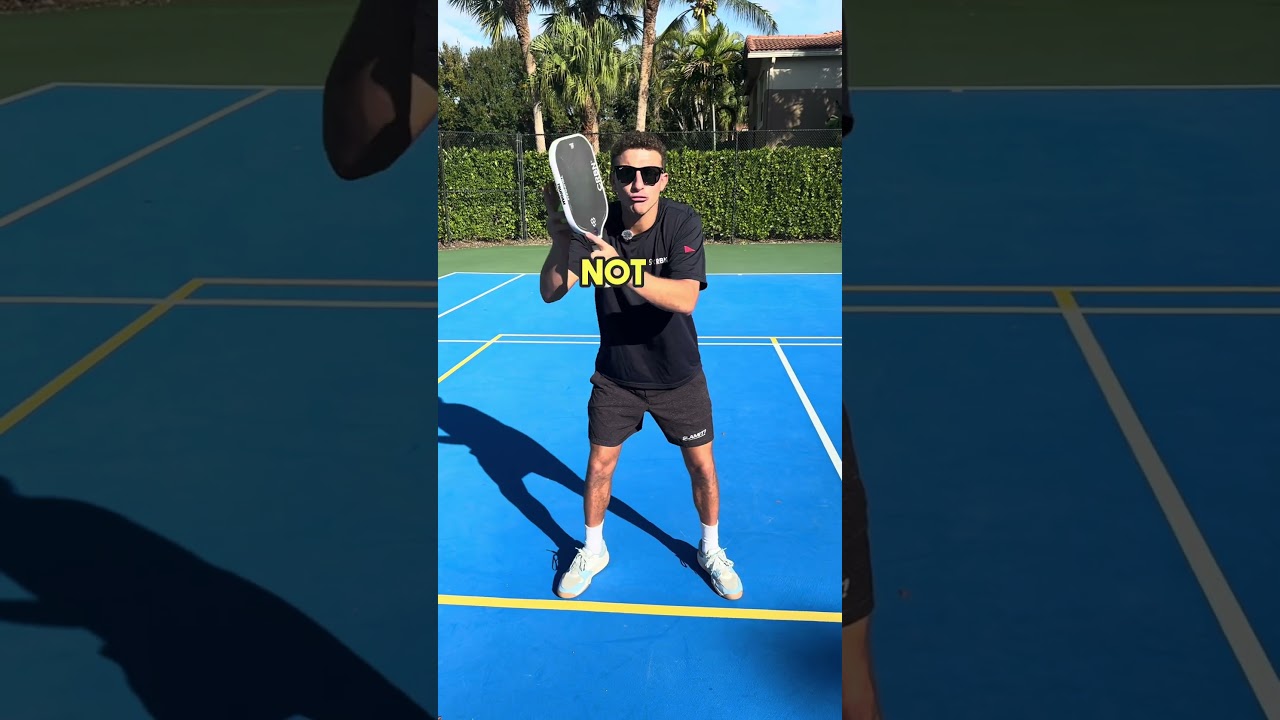
Master Middle Coverage: 3 Pro Tips for Pickleball
Tanner Tomassi explains why mastering footwork, paddle control, and anticipation are the keys to dominating the middle in pickleball
Adjustment 4: Make Your Return of Serve Work Harder
Most rec players treat the return of serve as an obligation. Hit it in. Done.
But your return of serve is one of your most powerful weapons, and underusing it costs you real opportunities.
A great return accomplishes two things: it goes deep, and it goes to the weaker player.
Going deep pins the serving team at the baseline and buys you time to get to the NVZ line before they can do damage.
Knowing where to return serve in different situations is a skill that pays off in every single rally, not just occasionally.
The gold standard? A deep, cross-court return to the backhand hip. It’s hard to attack, hard to step around, and gives you the best angle for your next shot.
Practice hitting it with purpose, not just getting it in.
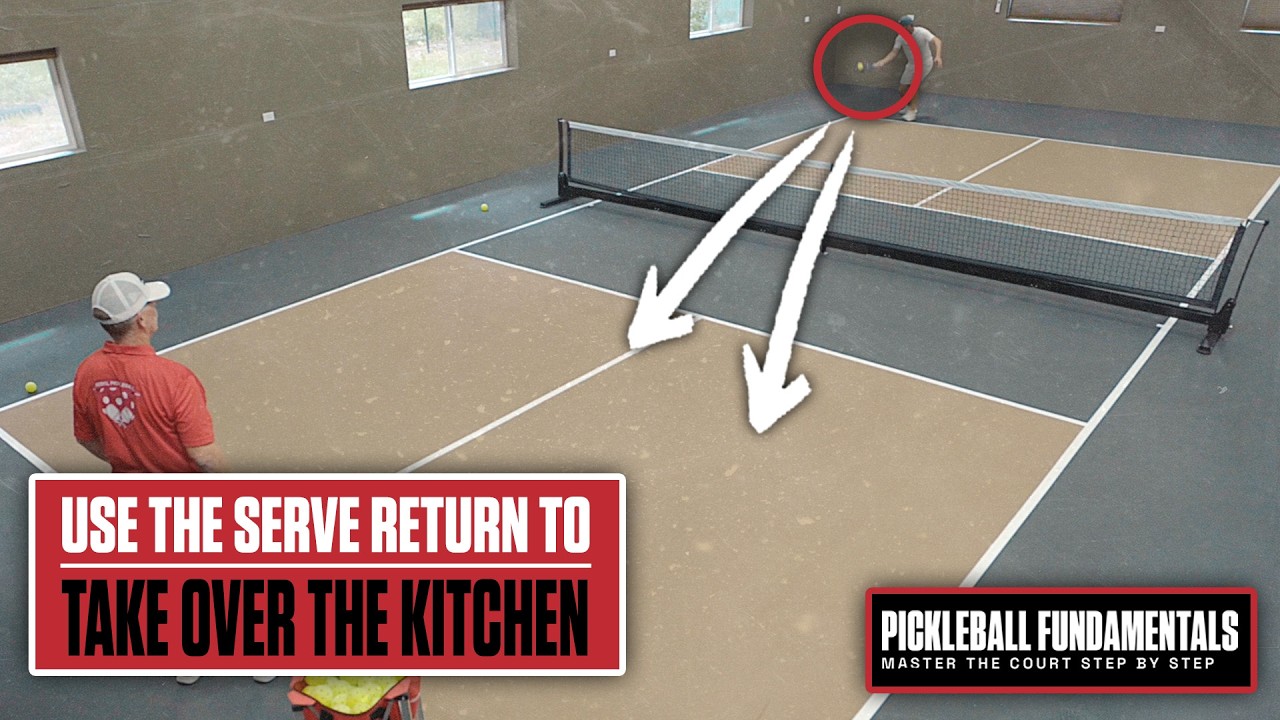
Pickleball Return of Serve: Master It in 5 Steps
The pickleball return of serve is one of the most underrated shots in the game, but mastering it can give you a massive positional advantage. Learn the essential footwork, positioning, and strategy to transform your returns into a weapon.
Adjustment 5: Be Boring at the Net (Seriously)
Here’s a phrase that should become your mantra at the kitchen: “dink until they lift.”
The dinking game is where rec play separates the grinders from the gamblers.
Excellent dinking mechanics aren’t about being fancy, they’re about keeping the ball low and forcing your opponent to hit up.
Every time they hit up, you get an opportunity to attack. Every time you hit up, they get that opportunity.
Turning your mediocre dinks into winners isn’t about power, it’s about placement and patience. Aim for the feet.
Vary your depth. Mix in the occasional slice dink that skids low and forces a tough read.
The rec player who can extend a dinking rally without giving anything away is almost impossible to beat consistently.
Being boring wins. Spectacular shots lose more often than they work.
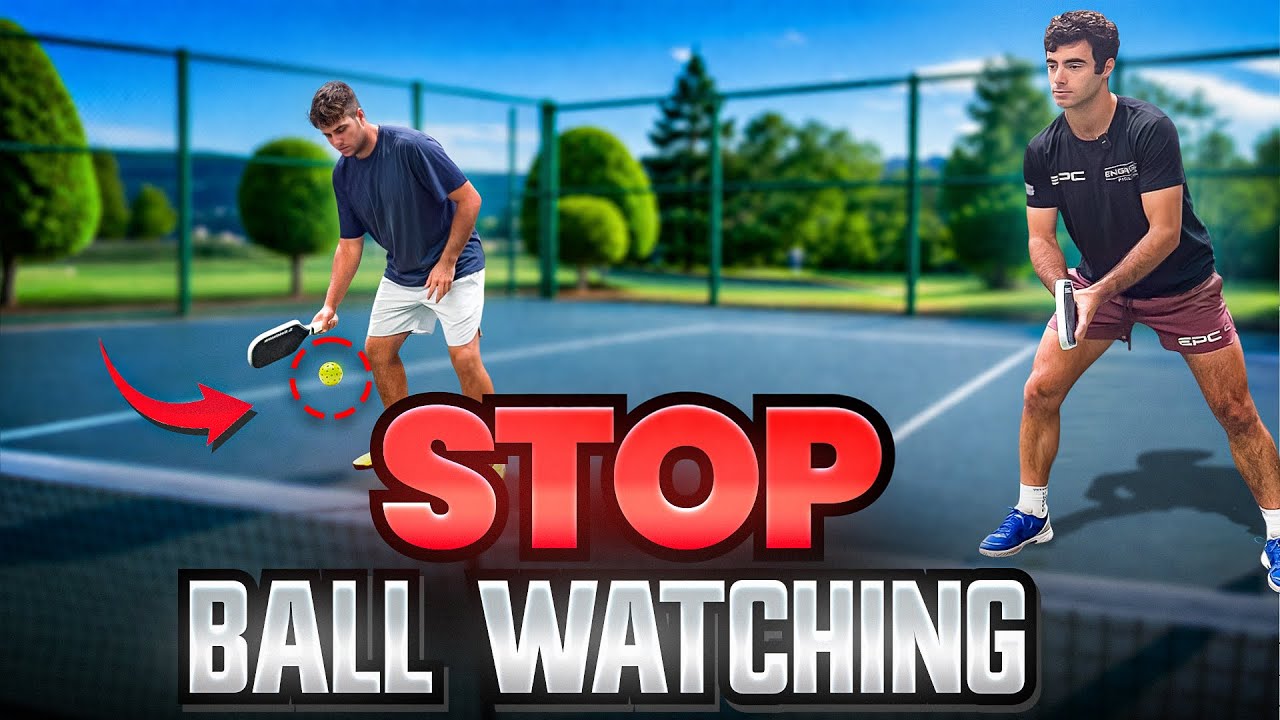
Off-Ball Positioning in Pickleball: Stop Ball Watching
Most pickleball players think the point is decided by whoever hits the ball, but at higher levels, off-ball positioning is what actually controls the court. Master this skill and you’ll transform how you play at the net.
Adjustment 6: Identify and Attack the Weaker Player
This sounds ruthless. It isn’t. It’s just good strategy. Every competitive sport involves targeting the opponent’s vulnerability, and pickleball is no different.
In doubles rec play, there is almost always a skill gap between the two players on the other side of the net.
When it makes sense to target your opponent’s strength is a real tactical conversation, but before that, you should be consistently finding and exploiting the weaker side.
Run your dinking patterns toward the weaker backhand. Serve at the weaker player. Return at the weaker player.
When a ball pops up, attack toward them instead of trying to be cute.
You’ll be amazed at how quickly you can simplify your pickleball game by making this one mindset shift, go where the trouble isn’t.
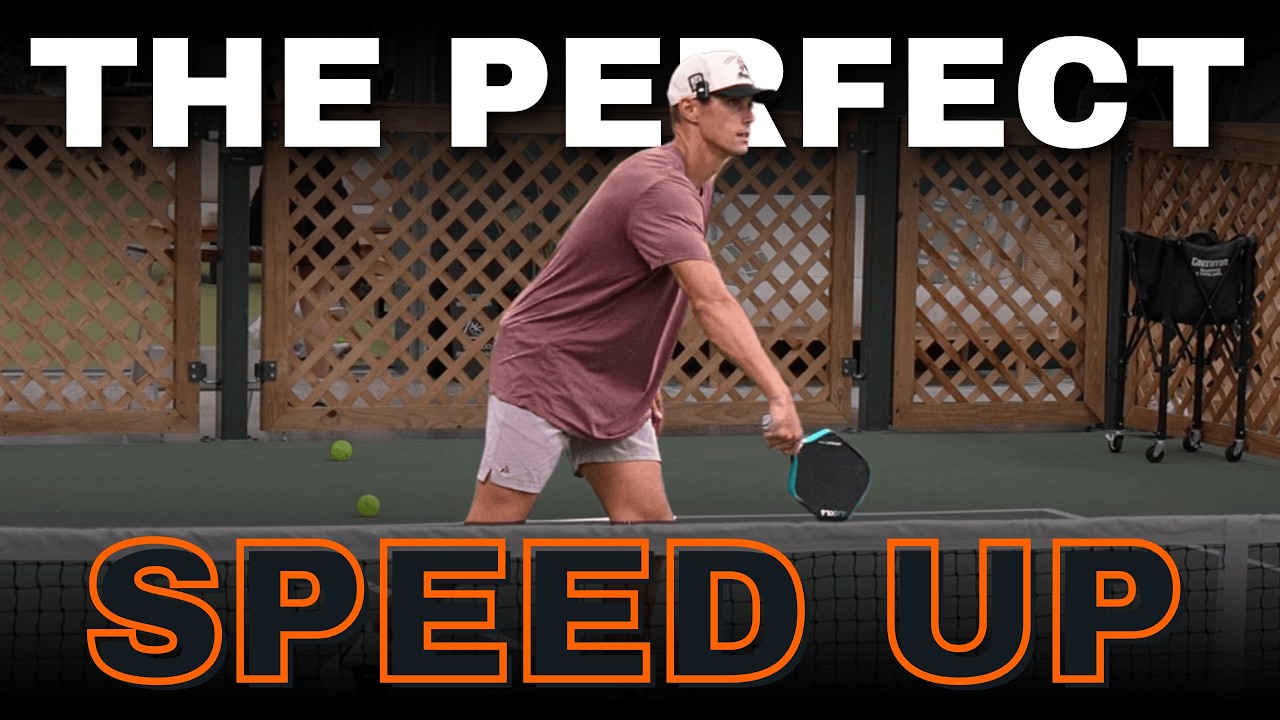
Attacking in Pickleball: 3 Things You’re Doing Wrong
Most pickleball players focus on hitting harder when they should focus on hitting smarter. Travis Rettenmaier reveals the 3 critical mistakes holding back your pickleball attack and how to fix them immediately.
Adjustment 7: Control Your Reset Game Under Pressure
How Do You Reset a Ball in Pickleball?
A reset is a defensive shot hit softly back into the kitchen after your opponents have put you under pressure with a hard drive or aggressive speed-up.
It is the most underrated skill in rec pickleball.
Players who can reset consistently under fire are almost impossible to beat because they never let the opponent put the point away.
The reset technique is simple in principle: absorb the pace by softening your grip, take a short, controlled swing, and aim for the kitchen.
Resetting better under pressure isn’t about athleticism, it’s about staying calm and reducing your swing to the minimum needed to put the ball softly over the net.
Most rec players tense up under pressure and try to do too much.
They counter-attack at the wrong time, they swing too hard, and they launch the ball out or into the net.
Train your reset and you immediately remove one of the biggest holes in your game.
Understanding the pressure zone in pickleball also helps you recognize when to attack versus when to slow the game down.
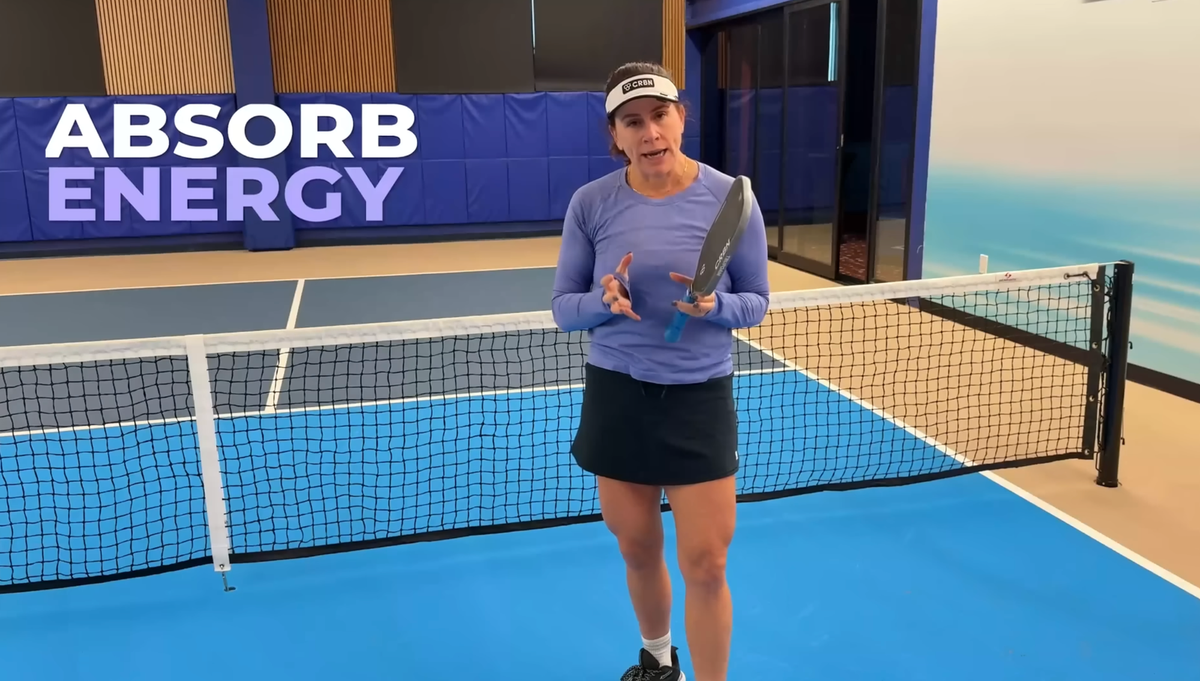
The Pickleball Reset: The One Skill That Takes You Beyond 3.5
By softening pace, controlling trajectory, and stabilizing through transition, players can use the reset to regain the kitchen and compete with stronger opponents
How to Put These 7 Adjustments Together Tonight
You don’t need to fix everything at once. Here’s the sequencing that makes the most sense for a typical rec session:
- Focus on the third shot first: Every time you serve, think about the third shot drop before the point starts.
- Get to the kitchen, hold your ground: Don’t retreat. Stay up. Reset if needed.
- Default to the middle: when you’re not sure what to do with the ball.
- Make your returns deep and purposeful: Cross-court, deep, to the weaker side.
- Dink with patience: Wait for the lifted ball. Don’t force it.
- Find the weaker player: and stay disciplined about attacking their side.
- Reset under pressure instead of swinging for winners.
Follow this sequence and your shot selection and game intelligence improve immediately.
These pickleball tips aren’t theoretical, they’re directly applicable to the format you’re actually playing.
For anyone looking to go deeper, 3 skill investments that elevate your game is worth your time as a follow-up read.
7 Advanced Pickleball Tips Pro Players Actually Use
Most pickleball players never discover the advanced strategies that separate amateurs from pros. These 7 pickleball tips come straight from high-level competition and will fundamentally change how you approach the game.
Key Takeaways
- Most points in recreational pickleball are lost on unforced errors, not brilliant winners from the opponent.
- The third shot drop is the most important shot you can improve if you want to win recreational pickleball games more often.
- Get to the kitchen line and stay there, retreating surrenders control of the rally.
- Aim for the middle under pressure: more margin, more confusion for opponents.
- A deep, cross-court return of serve is one of the easiest free advantages in rec play.
- Patient dinking beats impatient attacking nearly every time in recreational games.
- The reset is the most underrated skill in rec pickleball, learn it and your floor raises immediately.
💡
Frequently Asked Questions
What is the most effective strategy to win recreational pickleball games?
The most effective strategy to win recreational pickleball games is to reduce unforced errors and get to the non-volley zone line on every rally. Most rec-level points are lost, not won, so consistency beats aggression. Combine a solid third shot drop, a disciplined dinking game, and smart shot placement toward the middle, and you’ll win more matches without needing to make spectacular plays.
Why do I keep losing in recreational pickleball even though I practice?
If you’re practicing technique but still losing rec games, the issue is likely tactical, not technical. Common culprits include driving when you should drop, retreating from the kitchen line, going for too much with your shots, and not targeting the weaker opponent. The adjustments that win rec play are about decision-making, not just mechanics, and those decisions need to be drilled just like physical shots.
How important is the third shot drop in recreational pickleball?
The third shot drop is critically important in recreational pickleball. It’s the shot that allows the serving team to transition from the baseline up to the non-volley zone line. Without a solid third shot, the serving team stays pinned at the baseline while the opponents control the net. You don’t need a perfect drop to win rec games, you just need a low, soft ball that’s unattackable.
Should I attack or dink more in recreational pickleball?
You should dink more than you attack in most recreational pickleball situations. Wait for a ball that rises above net height before attacking, those are your green-light opportunities. Attacking a low ball almost always results in an error or a block that comes right back as a harder shot. Build patience in the dinking exchange and the attacking opportunity will come to you.
How do I stop making so many unforced errors in pickleball?
To reduce unforced errors, simplify your shot selection. Aim for the middle more often, especially under pressure. Slow your swing down. Keep your third shot low and soft instead of trying to drive through the opponents. Reset hard shots instead of counter-attacking them. Most unforced errors in recreational pickleball come from doing too much with an average ball, discipline yourself to do less, more consistently.
Nguồn: thedinkpickleball