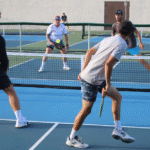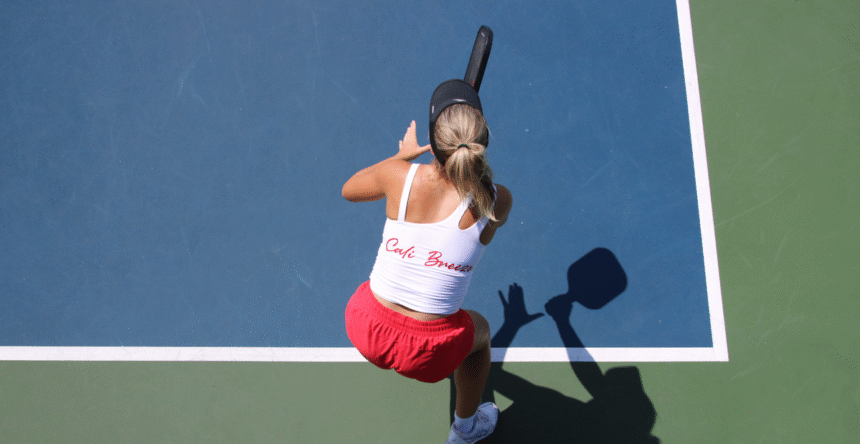
Knowing how to move to the kitchen line in pickleball after a third shot drop is the difference between winning and losing rallies. This guide breaks down exactly when to go, how to move, and what to do when you get there.
The fastest way to lose points in pickleball is to stay glued to the baseline after your third shot drop.
Every player who knows how to move to the kitchen line in pickleball wins more rallies, creates more pressure, and plays the game on their terms.
Every player who doesn’t? Stuck, defensive, and getting punished.
Here’s the thing: the third shot drop is only half the battle. The other half is what you do with your feet after you hit it.
Love pickleball? Then you’ll love our free newsletter. We send the latest news, tips, and highlights for free each week.
Why Moving to the Kitchen Line in Pickleball Is Non-Negotiable
The kitchen line – the non-volley zone line – is where points are won.
Full stop. Research from USA Pickleball and analysis from touring pros consistently shows that the team controlling the kitchen wins the majority of exchanges.
If you’re hanging back at the transition zone while your opponents are dinking at the net, you’re essentially playing defense on their schedule.
The kitchen line gives you three things your baseline never will: angle, pressure, and reaction time.
From the kitchen, a well-placed dink can force an uncomfortable reach. From the baseline, even your best shot is easier to handle.
So the question isn’t whether to move to the kitchen line in pickleball. It’s how to get there without making an error on the way.
What Is the Transition Zone? (And Why It’s a Trap)
Quick definition worth nailing down: the transition zone is the area between the baseline and the kitchen line – roughly the middle third of the court.
You’ll also hear it called no-man’s land. Both names fit.
When you’re stuck there, you face the worst shots in the game. Balls bounce at your feet.
You’re neither close enough to volley cleanly nor far enough back to let it bounce comfortably.
Mid-court pickleball tips exist for a reason: surviving that zone requires real skill, and the goal should always be to pass through it, not camp there.
The third shot drop is your ticket out. It buys time by forcing your opponents to hit upward, giving you the window to advance. But you have to use that window.
💡
How to Move to the Kitchen Line in Pickleball After the Third Shot Drop
This is the meat of it. Here’s the step-by-step breakdown.
Step 1: Commit to the Shot Before You Hit It
Movement starts with intent. Before you even make contact with the third shot drop, you need to have already decided you’re going forward.
Players who hesitate – waiting to see if the drop was “good enough” – give away half a second of movement time.
That’s the difference between reaching the kitchen line and getting caught in the transition zone.
Hit the drop with a relaxed grip, a short backswing, and a gentle, upward finish.
Learn how to make your third shot spicy to put more pressure on returners from the jump. Then move.
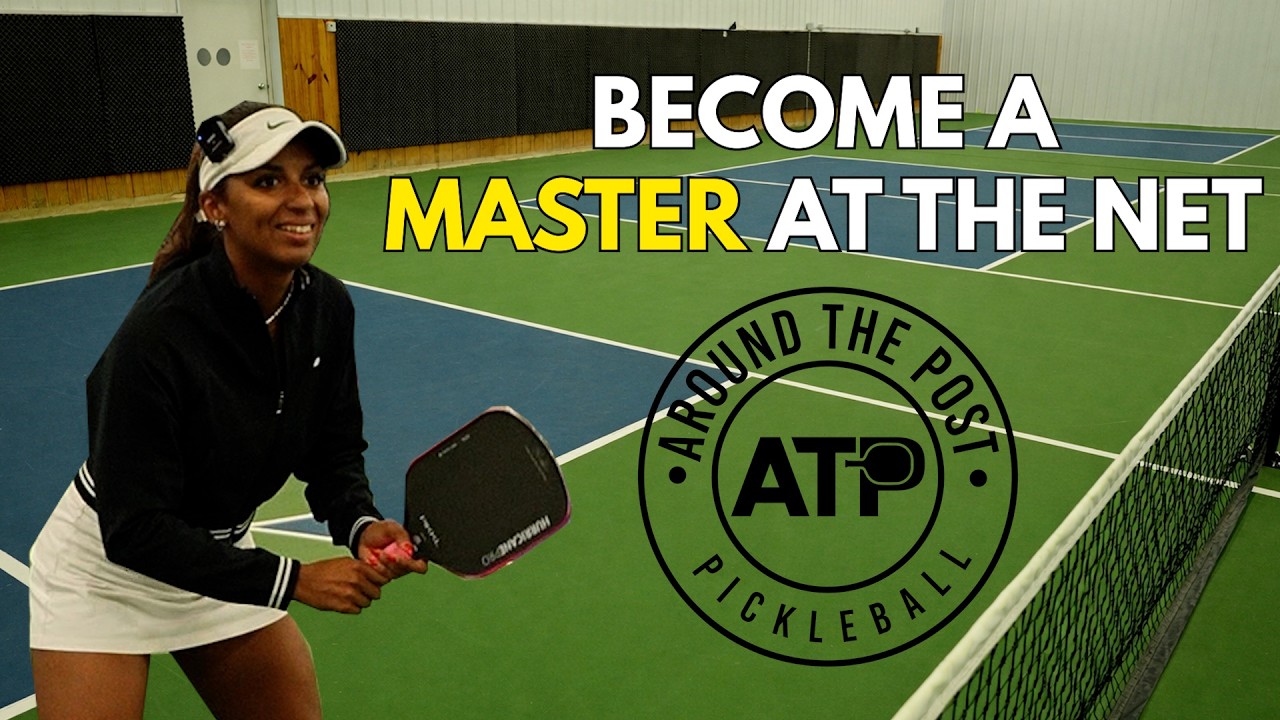
Kitchen Line Dominance: 5 Secrets From Pro Tyra Black
Tyra’s approach combines footwork, positioning, tactical dinking, and elite hand skills into a system that’s incredibly hard for opponents to break down.
Step 2: Take Two Steps Forward Immediately
The moment your paddle finishes its swing, take two deliberate steps toward the kitchen. Not a shuffle. Not a hesitation step. Two real steps toward the net.
This is called the split-step rhythm, and it’s the heartbeat of forward progression in doubles pickleball.
You advance, then split (feet shoulder-width, weight forward on the balls of your feet), then read the opponent’s shot.
If it’s attackable or landing soft, you advance two more steps. If it’s coming hard and low, you reset from where you are.
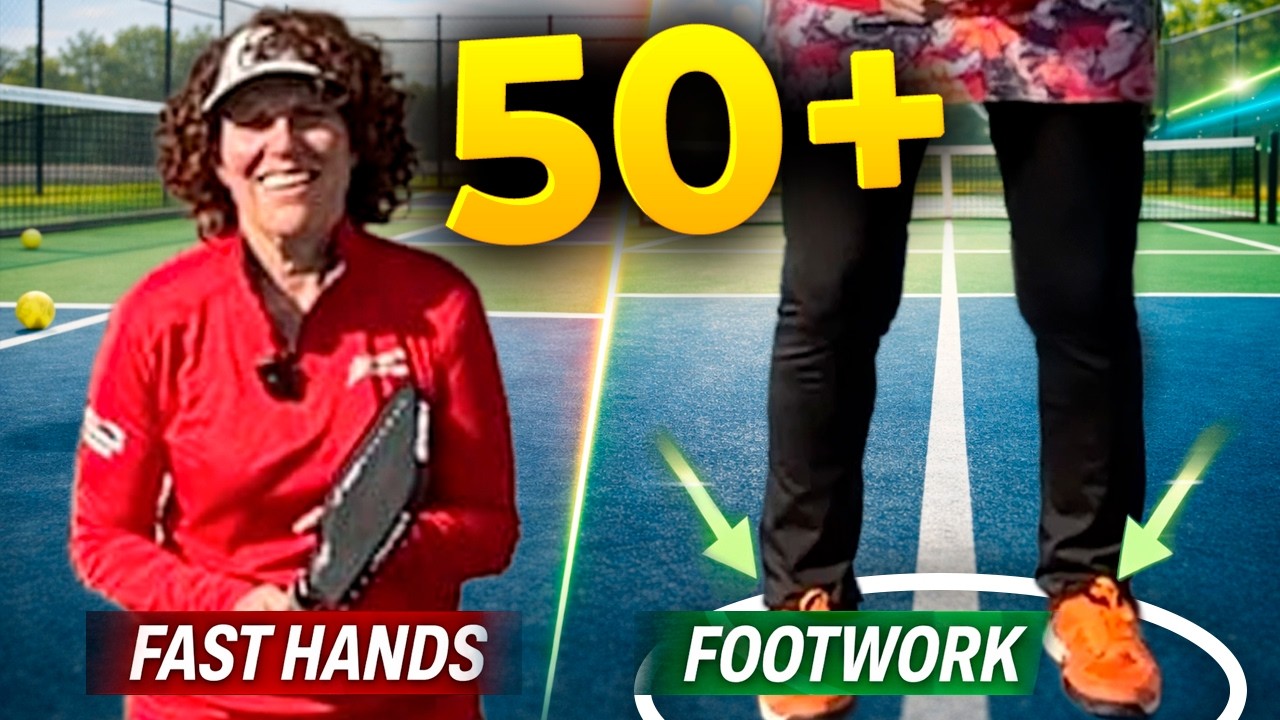
Split Step Pickleball: Footwork Tips for Seniors
By mastering this simple footwork move, you’ll stop your forward momentum and give your brain the split second it needs to read your opponent’s paddle.
Step 3: Read the Ball, Not Just the Opponent
Most players watch their opponent’s paddle as they advance. Better players watch the ball.
Tracking the ball tells you earlier whether the incoming shot will be low (reset needed) or high (keep moving or attack).
You get an extra beat of decision-making time, which is everything at the kitchen line.
Pickleball footwork coaches call this “ball tracking with peripheral awareness” – you use your central vision for the ball and your peripheral for court position.
The Pivot Trick: How to Quickly Turn Defense Into Offense in Pickleball
A well-timed pivot lets you turn into the shot, maintain your balance, and hit an aggressive return instead of a defensive block.
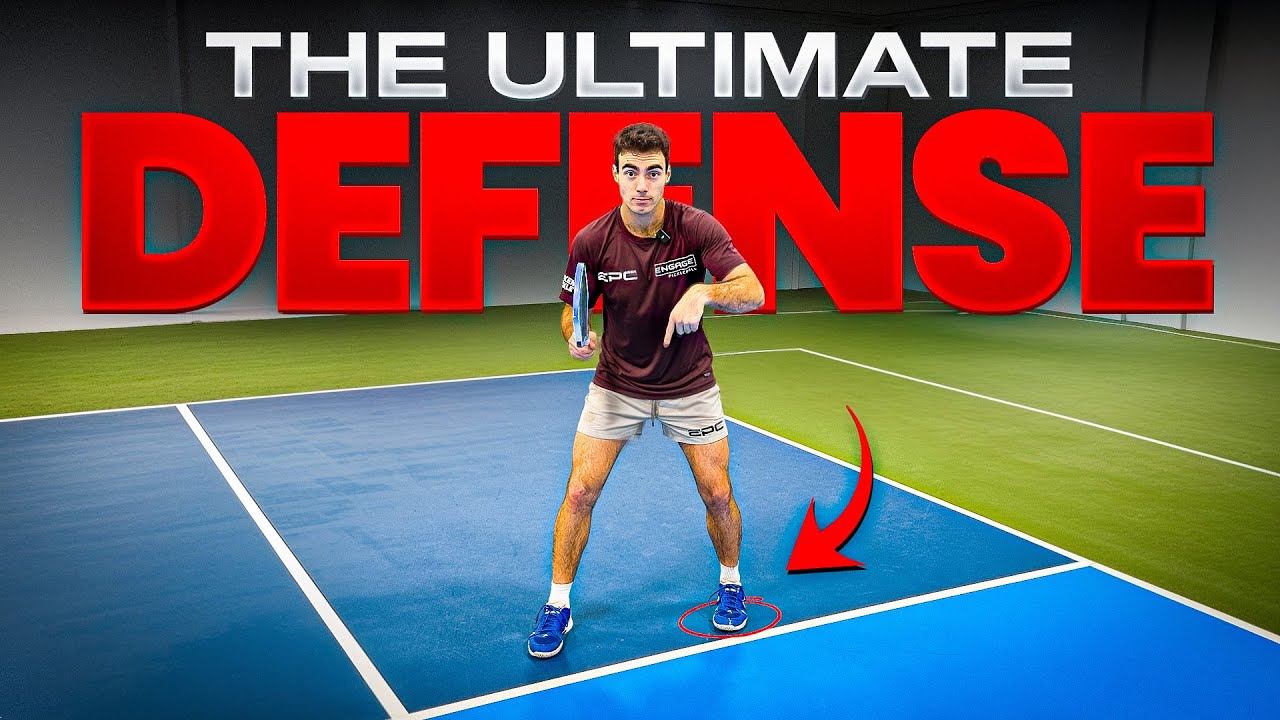
Step 4: Arrive in a Balanced Ready Position
When you reach the kitchen line, arrive ready. Feet wide. Paddle up at chest height. Weight slightly forward.
A lot of players rush to the kitchen and arrive off-balance, which makes their first dink or volley weak. The goal isn’t just to get there, it’s to get there controllably.
Think of it as parking your car smoothly versus screeching into a spot. Both get you there. Only one lets you actually function when you arrive.
How to Move to the Kitchen Line in Pickleball When the Drop Isn’t Perfect
Here’s a question that never gets answered honestly: what do you do when the third shot drop is mediocre?
You hit it a little high, or a little short. Your opponents smell blood. Do you still go?
Short answer: keep moving, but be ready to reset.
A drop that’s slightly high doesn’t automatically mean you stop your forward progress.
💡
How to respond to the perfect drop covers what opponents do when they do get a great look – and it’s instructive to understand what they’re looking for.
If your drop is 6 inches higher than ideal, they’ll likely drive it. Your job is to keep moving and prepare for a reset volley somewhere in the transition zone.
This is where resetting your game becomes essential. A reset from the transition zone – absorbing pace with a soft, dipped return – is your bridge back to control.
Don’t stop moving. Don’t panic. Reset, then continue advancing.
The players who never make it to the kitchen are the ones who treat every imperfect drop as a reason to retreat. It’s not.
It’s a reason to reset and keep moving.
4 Pickleball Offensive Strategy Tactics You Need Now
Advanced pickleball isn’t about hitting the same shot over and over. It’s about reading your opponents in real-time and adjusting offensive and defensive strategy accordingly.
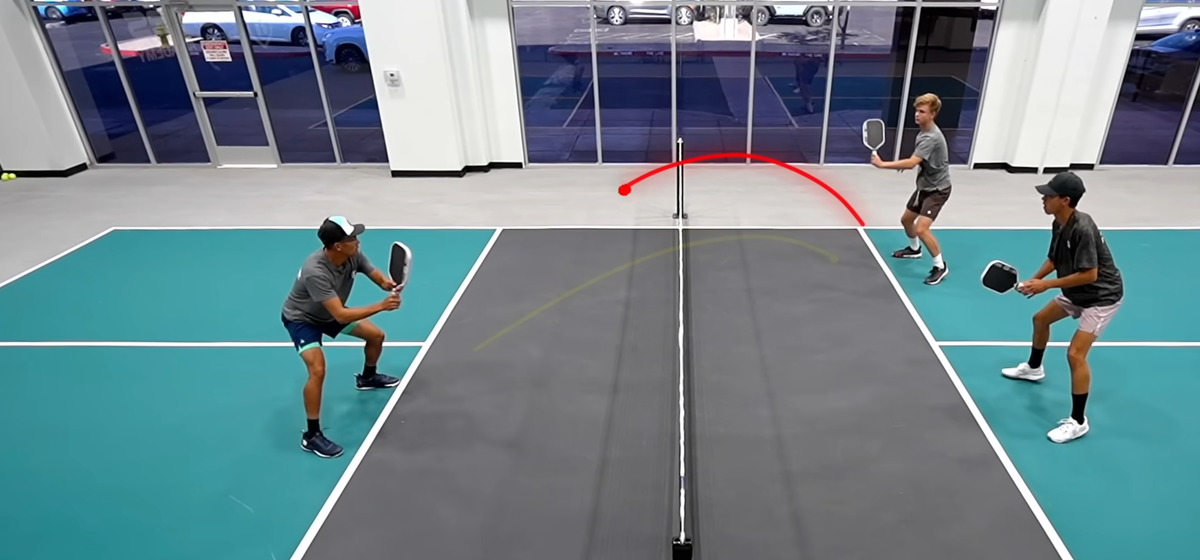
Timing Your Advance: What the Pros Actually Do
Watch any top PPA or MLP match and you’ll notice: the best serving teams don’t wait to see where the drop lands before moving.
They’re already in motion before the ball crosses the net.
That’s not recklessness. It’s pattern recognition. After thousands of repetitions, they know what a good drop feels like off the paddle.
They trust the feedback from their hand and move accordingly.
For the rest of us, the training approach is simpler: make a rule that you take at least two steps forward on every third shot, no matter what.
Drill this without opponents. Then drill it with a partner who just feeds returns to your transition zone.
The advance-and-reset loop will become automatic faster than you think.
Solo pickleball drills can help you ingrain the footwork pattern when you don’t have a partner available.
This Simple Timing Hack Can Change Your Game Completely
Mid-court inconsistency is one of the most frustrating aspects of pickleball. It’s probably because you’re split-stepping all wrong.
Does It Work the Same in Doubles vs. Singles?
In doubles, moving to the kitchen line in pickleball is non-negotiable for both players.
The serving team starts behind the baseline; the returning team is already at the kitchen.
The whole point of the third shot drop is to give the serving team a path forward so both partners can reach the kitchen together.
Court coverage in doubles pickleball is built around this idea — staggered movement is fine, but both players need to arrive.
In singles, the same principle applies, but the geometry changes. You’re covering more court solo, so your advance is slightly more measured.
You’ll still move forward, but you’ll leave a bit more cushion for lobs and passing shots down the line.
The doubles strategy page breaks down how positioning shifts between formats.
Kitchen Attack Strategy: Master the Net
An effective kitchen attack strategy requires knowing when to speed up, where to aim, and how to disguise your intentions.
Why Does the Third Shot Drop Matter So Much in This Process?
Because the third shot drop is the only shot in pickleball specifically designed to enable forward movement.
Every other part of the rally is reactive. The drop is proactive positioning.
Without it, you’re driving the ball hard, your opponents are at the net, and you’re giving them a high ball to put away while you stand at the baseline.
The drop changes the angle. It forces a soft return, which buys you time.
Five shots you need to know in pickleball puts the drop in context alongside the rest of your arsenal.
It’s not just a nice-to-have. It’s the engine that makes the whole offense run.
Without a functional drop, you can’t move to the kitchen line in pickleball with any consistency.
That’s why the drop and the advance are really one motion, not two separate decisions.
Simplifying the Third Shot Drop: Fix These 5 Common Mistakes
The third shot drop becomes consistent when players stop overthinking mechanics and focus on smart positioning and progression
Three Drills to Lock In Your Kitchen Line Approach
- The Two-Step Drill: Hit a third shot drop from behind the baseline, then take exactly two steps forward before the ball crosses the net. Don’t watch where it lands. Focus on the steps. Repeat 20 times.
- The Advance-Reset Loop: Have a partner feed you returns from the kitchen side. Your job: hit a drop, advance two steps, absorb their next shot with a reset volley, advance two more steps. Arrive at the kitchen in 2-3 exchanges. Figure 8 drill variations use a similar multi-step movement pattern that trains the same muscle memory.
- The Continuous Rally Approach: Play full points where the serving team is required to advance on every third shot, regardless of quality. Score extra points for reaching the kitchen and winning the rally. This trains aggressive movement habits under real game conditions.
3 Technical Tips for Winning Kitchen Line Hands Battles in Pickleball
The players dominating kitchen firefights aren’t necessarily the fastest athletes. They’re the ones who see the attack coming and react with precision
Key Takeaways
- Moving to the kitchen line in pickleball is the whole point of the third shot drop. One without the other is half a plan.
- Advance two steps the moment you finish your swing. Don’t wait to see if the drop was perfect.
- Use the split-step rhythm to balance speed with control as you approach the non-volley zone.
- An imperfect drop isn’t a stop sign. It’s a reset opportunity. Keep moving.
- In doubles, both partners need to arrive at the kitchen together. Stagger your timing, but get there.
💡
Frequently Asked Questions
How do I know when to move to the kitchen line in pickleball?
Move immediately after hitting your third shot drop, not after. The drop is designed to buy you time by forcing a soft return, so the moment you finish your swing, start advancing. Two deliberate steps forward should be your automatic response every time you hit that shot. Waiting to see where the drop lands burns the window the shot creates for you.
What if my third shot drop is too high — should I still advance?
Yes, but be ready to reset. A slightly high drop doesn’t mean you stop moving. It means your opponents may drive the ball, and you’ll need to absorb that pace with a soft reset volley somewhere in the transition zone. The players who make it to the kitchen consistently are the ones who keep moving through imperfect drops, not the ones who retreat every time.
What is the transition zone in pickleball?
The transition zone is the middle section of the court between the baseline and the kitchen line, also called no-man’s land. It’s the worst place to be caught standing still, because balls bounce awkwardly at your feet and you lack the angles available at the net. The goal is always to pass through it quickly on your way to the kitchen — not to play from it.
How do I move to the kitchen line in pickleball without arriving off-balance?
Use the split-step technique. Advance two steps, then plant your feet shoulder-width apart with weight forward on the balls of your feet and your paddle at chest height. This pause lets you read the incoming shot before committing to another advance. Players who sprint to the kitchen without controlling their momentum almost always arrive in a weak position.
Does the serving team or the returning team have the advantage at the kitchen line?
The returning team has the advantage early in the rally because they can stand at the kitchen line from the start, while the serving team must work their way forward. That’s exactly why the third shot drop exists: to neutralize that head start. Once both teams are at the kitchen, the advantage shifts to whoever controls the dinking exchanges and finds the right moment to attack.
Nguồn: thedinkpickleball