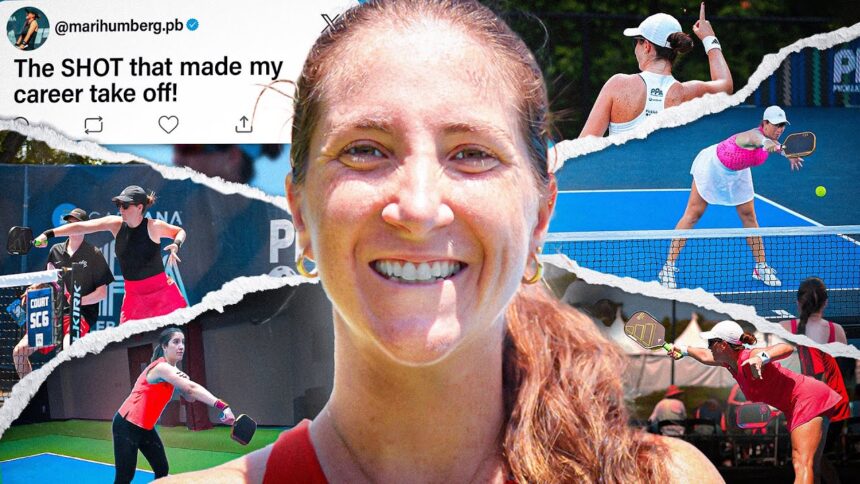
Mari Humberg finally breaks down her signature backhand flick in a comprehensive video guide. Learn the grip, movement, positioning, and four key shot placements to master this finesse attack.
The backhand flick is one of the most requested shots in pickleball, and for good reason.
It’s a finesse attack that can catch opponents off guard, create uncomfortable angles, and finish points when executed properly.
Mari Humberg, one of the sport’s most recognizable players, has finally released a comprehensive breakdown of her signature backhand flick technique, and it’s packed with actionable details that apply whether you’re a beginner or an advanced player.
Love pickleball? Then you’ll love our free newsletter. We send the latest news, tips, and highlights for free each week.
What’s the Difference Between a Backhand Flick and a Roll?
Before diving into technique, it’s important to understand what separates a backhand flick from a backhand roll.
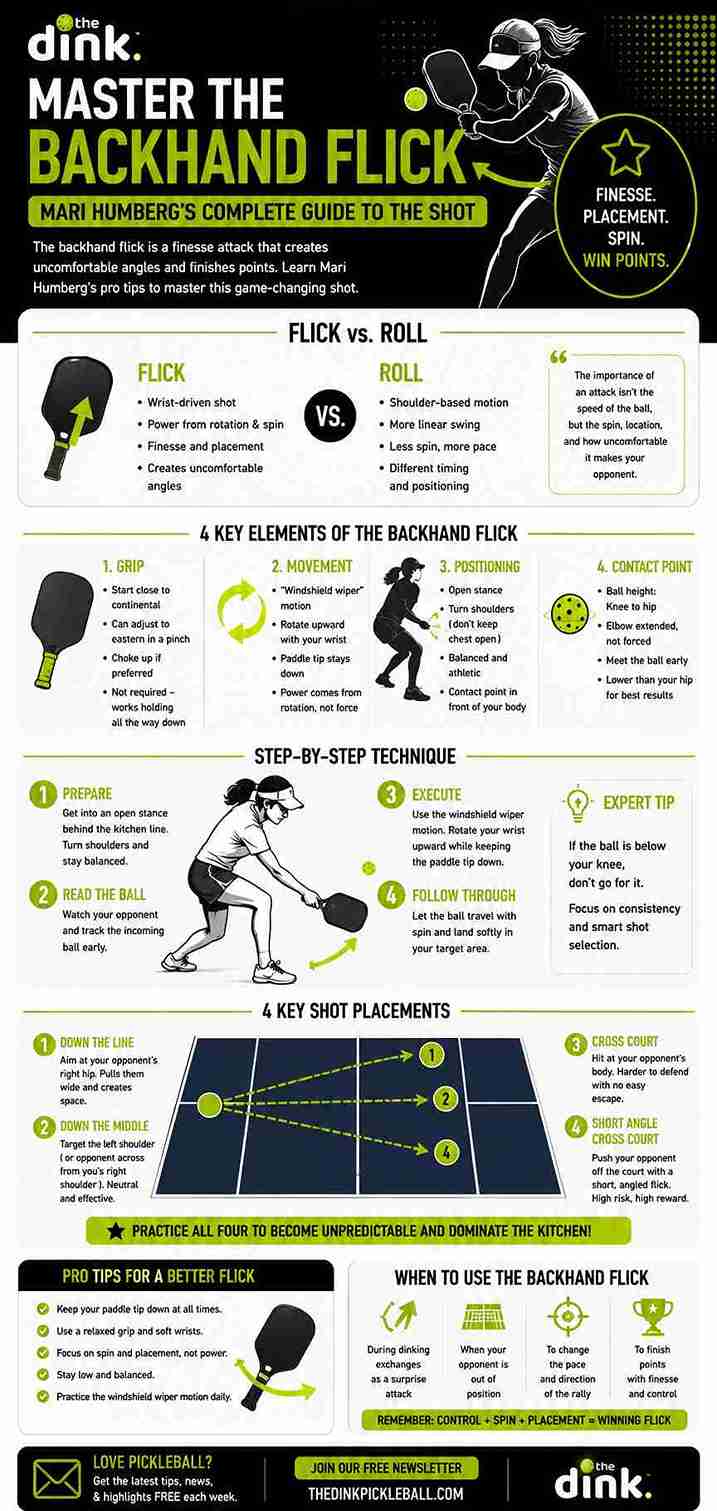
According to Humberg, a flick is a wrist-driven shot that generates power through rotation and spin, while a roll is more of a shoulder-based motion.
This distinction matters because the two shots require different mechanics, timing, and positioning.
If you’re trying to learn the flick but accidentally defaulting to a roll, you’re missing the whole point of the shot.
The flick is all about finesse and placement, not raw pace.
Humberg emphasizes that the importance of an attack isn’t necessarily the speed of the ball, but rather the spin, location, and how uncomfortable it makes your opponent.
The Grip: Start Close to Continental
One of the first questions Humberg gets from students is about grip, and her answer might surprise you.
She holds the paddle close to continental, though she notes you can hit the flick with multiple different grips depending on the situation.
If you have time to adjust and position yourself perfectly, continental is her preference.
In a pinch at the kitchen line, she’ll shift between continental and eastern.
Here’s something important: Humberg has been choking up on the paddle for the past few months, but she’s quick to clarify that this isn’t a requirement.
You can hit the same backhand flick holding all the way down at the paddle.
The grip adjustment is a personal preference that doesn’t fundamentally change the shot.
💡
The Movement: The Windshield Wiper Motion
The foundation of a solid backhand flick is understanding the movement pattern.
Humberg teaches all her students the same exercise: place your paddle against the net and flick it upward. Notice how the paddle barely clears the net after the motion.
You’re not pushing forward with force; you’re rotating upward.
This upward rotation is what generates both power and topspin.
Humberg calls it the “windshield wiper” motion because that’s exactly what your wrist and paddle should mimic.
If you’ve ever studied the forehand flick and its windshield wiper mechanics, you’ll recognize the same rotational principle at work here.
How the Backhand Flick Generates Spin and Pace
The rotation creates the spin that keeps the ball in the court and makes it difficult for your opponent to handle.
You’re not trying to muscle the ball over the net. The power comes from the rotation, not from pushing.
This is why the backhand flick is so effective as a wrist-driven finesse attack; it doesn’t require explosive strength, just proper mechanics.
Pairing this fundamental movement with the set-and-snap technique can take your flick execution to another level entirely.
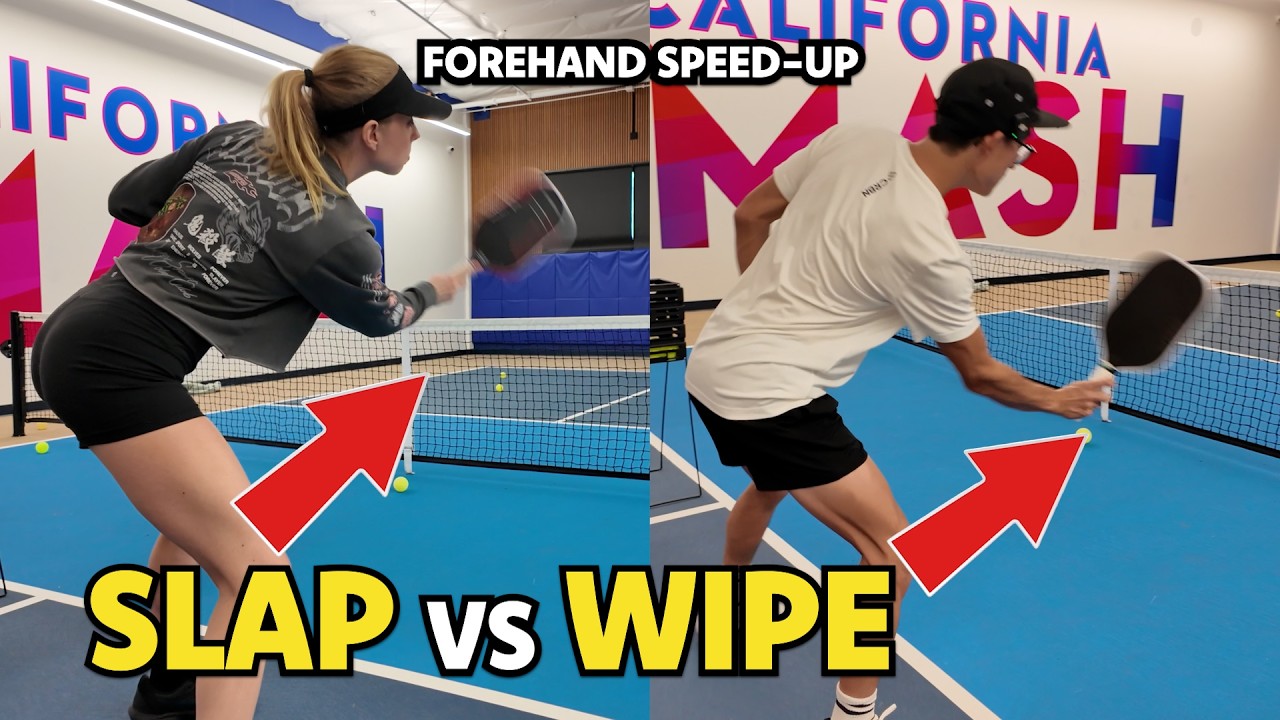
For a Better Forehand Flick, Ditch the Windshield-Wiper Technique
A simple wrist adjustment will transform your forehand speed-up into a point-scoring weapon
Positioning and Balance: The Open Stance with Shoulder Turn
When you’re ready to hit a backhand flick from behind the kitchen line, balance is everything.
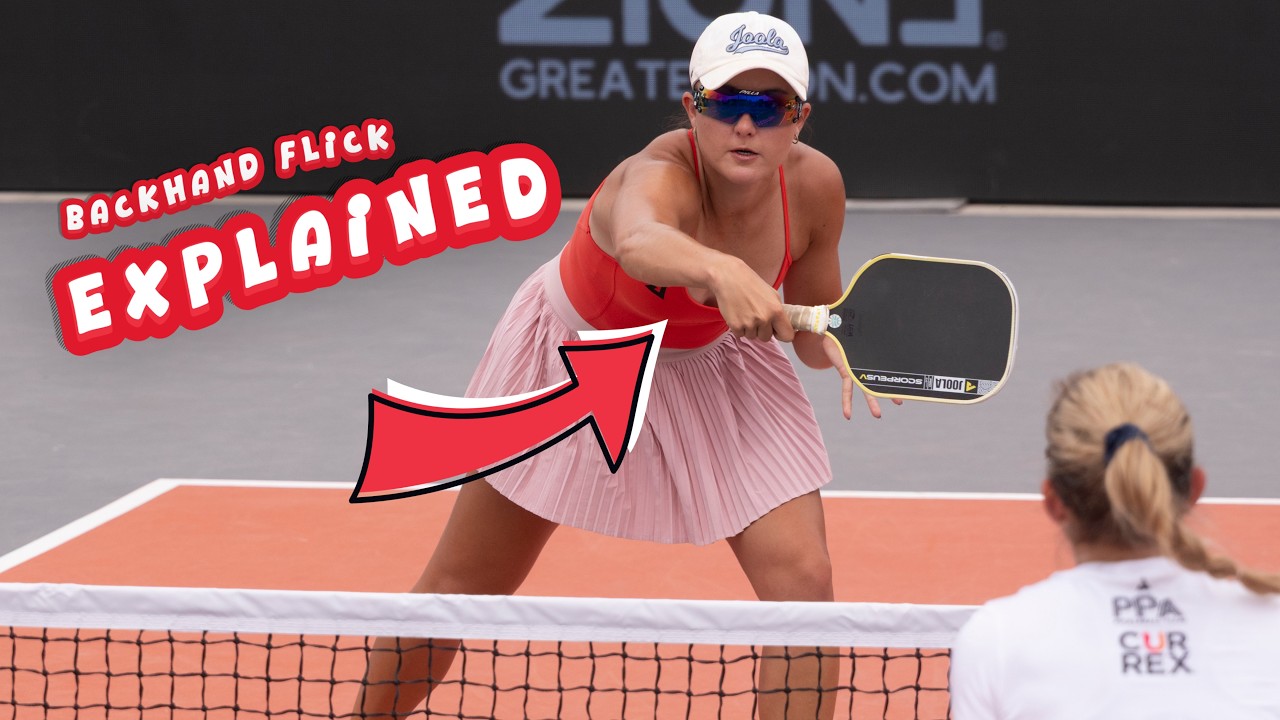
Humberg recommends an open stance, but here’s the critical detail: you must turn your shoulders even though your feet are open.
This unit turn is what allows you to generate power with your wrist without relying on your legs or core.
You can’t hit a backhand flick with an open chest. Your shoulders need to rotate so that you can create the necessary wrist snap.
Humberg demonstrates this by showing how her elbow is stretched out but not forced, and her contact point is far in front of her body.
The farther out in front you make contact, the more wrist strength you can generate.
For a deeper look at body mechanics, perfecting pickleball posture covers the full foundation of balance and control that every kitchen line shot depends on.
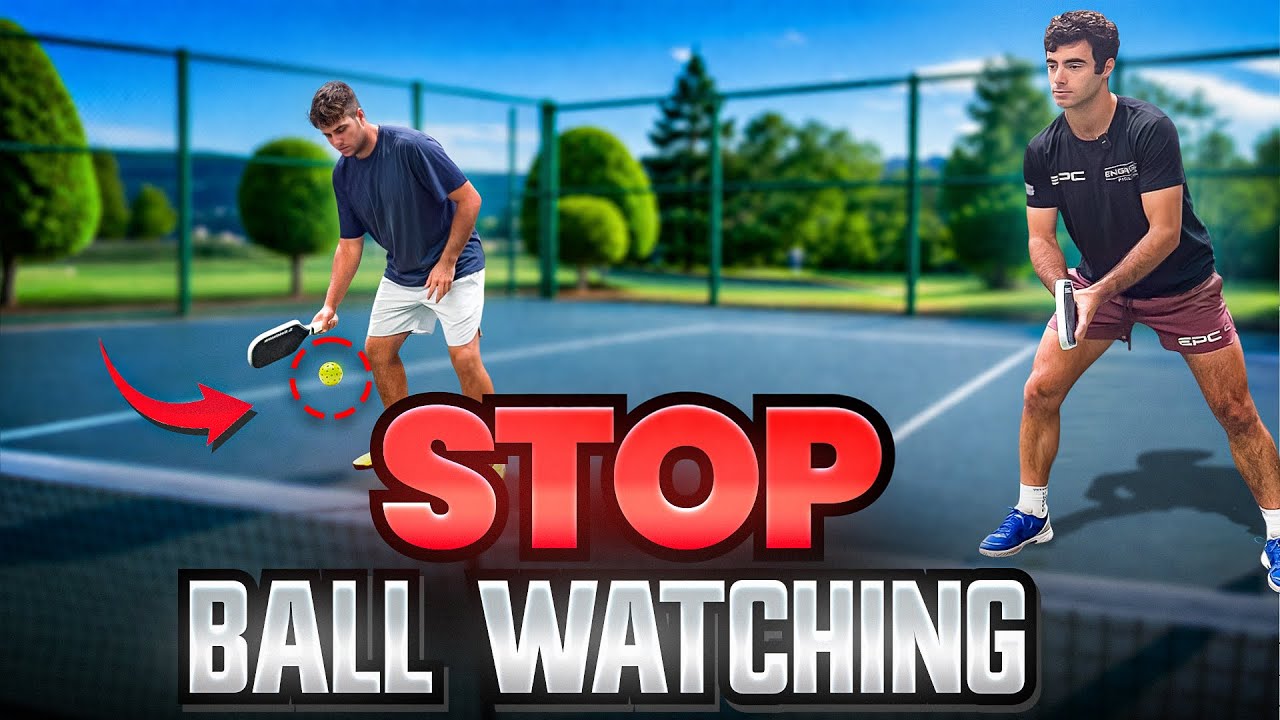
Off-Ball Positioning in Pickleball: Stop Ball Watching
Most pickleball players think the point is decided by whoever hits the ball, but at higher levels, off-ball positioning is what actually controls the court. Master this skill and you’ll transform how you play at the net.
Wrist Action and the Backhand Flick Contact Point
The ideal height for the ball is anywhere between your knee and your hip. Humberg’s hip is almost net height, so that’s her sweet spot.
If you’re taller or shorter, adjust accordingly.
And here’s her honest advice:
If the ball is below your knee, don’t go for it.
(Though she admits she breaks this rule all the time in matches.)
Use the ball height and court positioning checklist to dial in your shot selection decisions at the net.
Understanding wrist lag is also critical here. That slight delay in the wrist before snapping through contact is exactly what creates disguise and extra spin.
Learn more about wrist lag in pickleball and why the pros use it for power and spin control.
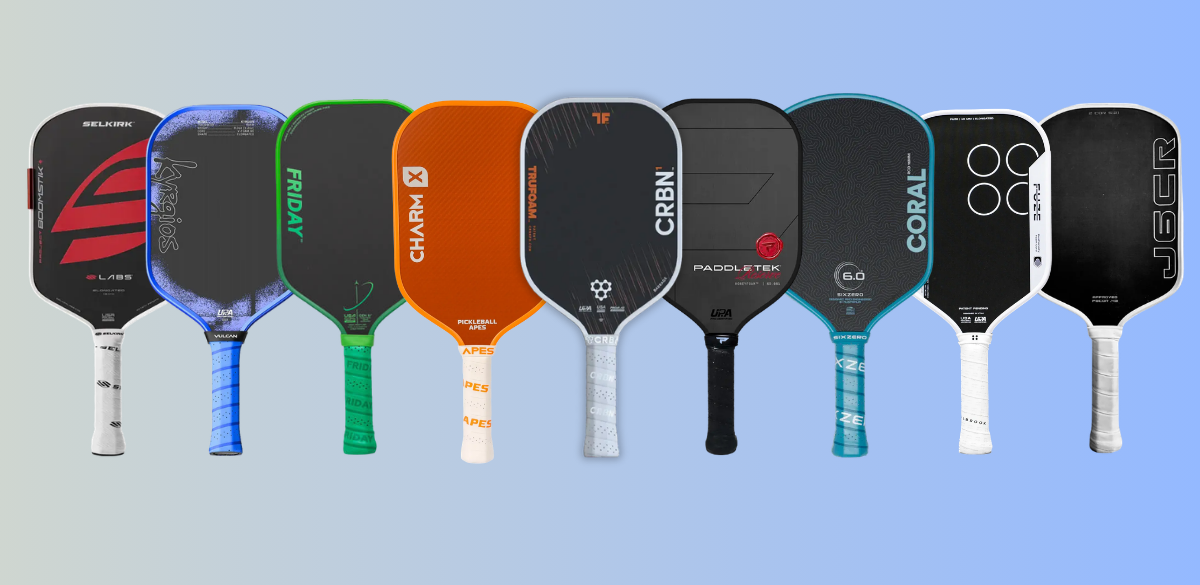
9 Power Paddles that Are Excellent at Dinking
Based on a unique blend of lab-tested power and consistency metrics, these paddles are proven to give you an edge in all three zones of the court.
The Four Shot Placements: Where to Aim Your Backhand Flick
Once you’ve mastered the mechanics, placement becomes your weapon.
Humberg identifies four main targets for the backhand flick, each with a different strategic purpose.
If you want to go deeper on court targeting, winning more points by attacking the right spots is a must-read.
Down the Line: Backhand Flick to the Hip
From the left side of the court, you can direct the flick toward your opponent’s right hip. This shot is powerful and uncomfortable because it pulls your opponent wide and away from the middle of the court.
Down the Middle
Aiming at your opponent’s left shoulder, or the player directly across from you in doubles, keeps the ball in a neutral zone. It’s a solid, safe option that doesn’t give your opponent an easy angle to attack.
Cross Court
This is the aggressive option, hitting the flick right at your opponent’s body. It’s harder to defend because there’s nowhere to move, and it can force a weak return.
Pickleball Shot Placement: Complete Winning Guide
Whether you’re serving, returning, dinking, or driving, knowing where to aim gives you control over the rally and keeps your opponent reacting instead of attacking.
Short Angle Cross Court: The Backhand Flick’s Toughest Placement
This is arguably the most difficult placement to execute. You’re trying to push your opponent completely off the court with a short, angled flick.
It requires precision and finesse, but when it works, it’s a clean winner.
For a full breakdown of how dink placement controls the kitchen line, the same principles transfer directly to your flick game.
Humberg demonstrates all four placements in her video, showing both successful shots and mistakes. She’s transparent about her errors, which is refreshing.
Even the best players in the world miss flicks sometimes, and seeing that normalizes the learning process.
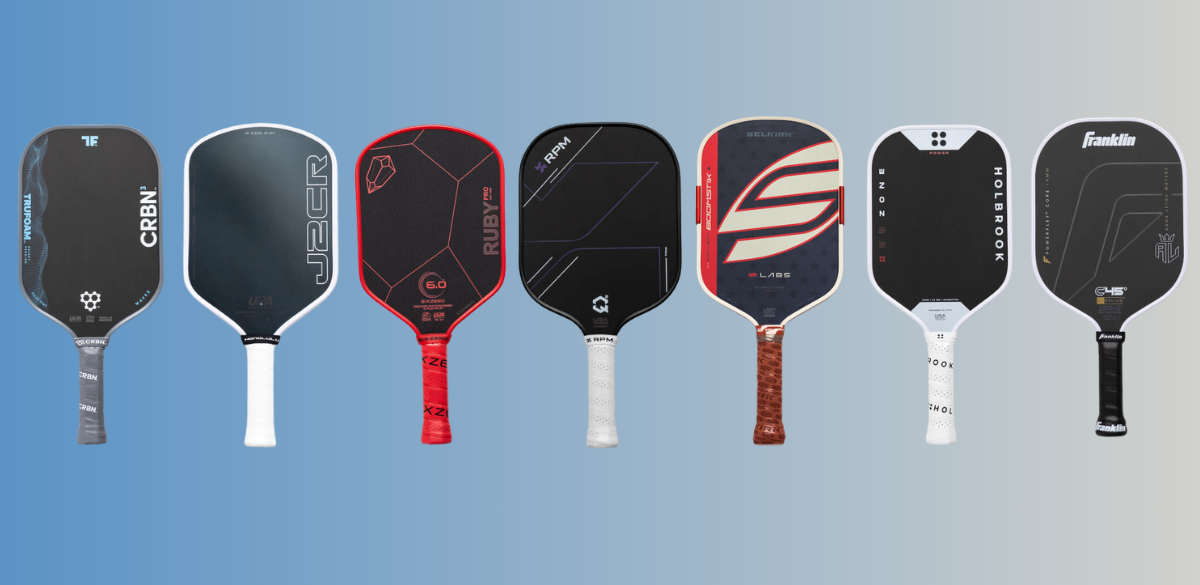
7 Popular Paddles with the Most Spin, Based on RPM
The meta has shifted from smashing the ball at every opportunity to shaping it to our will. These top brands offer the best spin rate by RPM.
Why Backhand Flick Placement Matters More Than Pace
Here’s something Humberg repeats throughout her breakdown: it’s more important to hit the right spot with the right spin than to add pace to the backhand flick.
This is a fundamental principle that separates good flick hitters from great ones.
When you watch professional pickleball, you’ll notice that the most effective attacks aren’t always the fastest.
They’re the ones that land in spots where your opponent can’t set up properly. The backhand flick is a perfect example of this philosophy.
A well-placed flick with good spin will beat a hard, flat flick every single time.
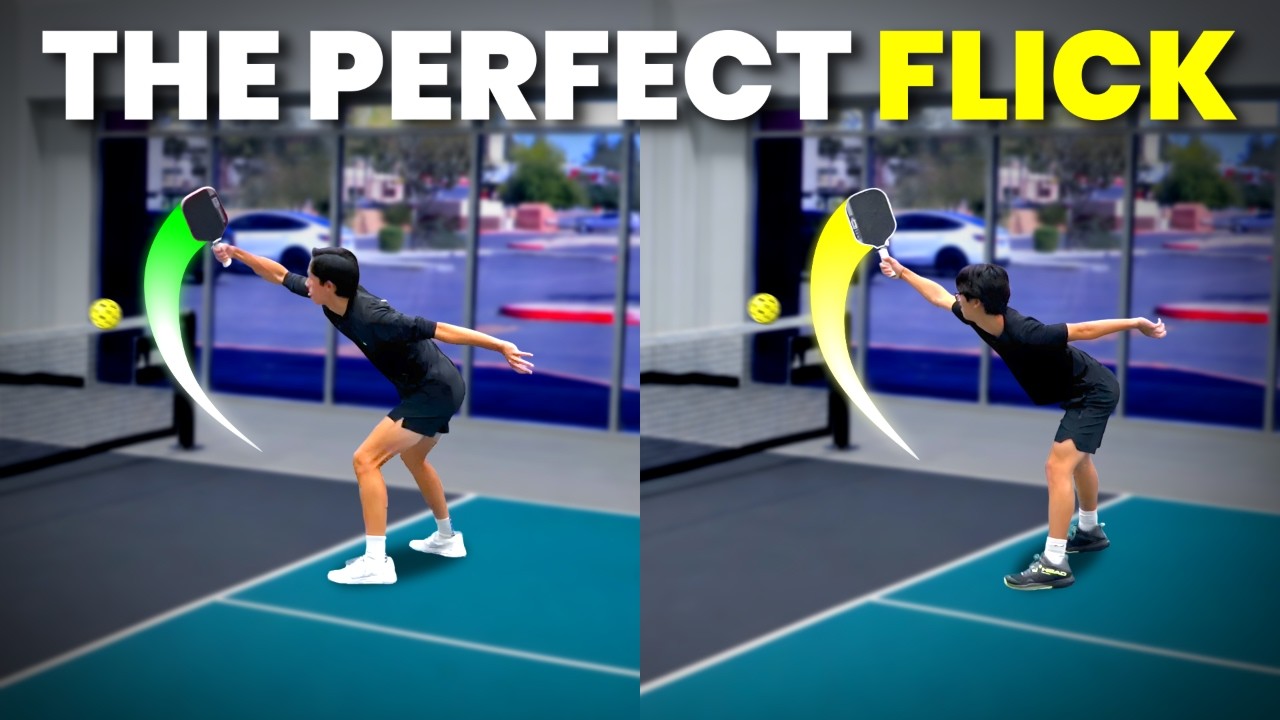
Master the Pickleball Flick: Complete Technique Guide
The pickleball flick is one of the most effective attacking shots in the game, allowing you to generate topspin and catch opponents off guard. Master both backhand and forehand variations with this comprehensive technique breakdown.
Common Mistakes and How to Avoid Them
Humberg identifies one major mistake she sees repeatedly: players pull back instead of maintaining forward balance.
When you lose your forward momentum, you lose control of the shot.
Your weight should stay moving into the court, not retreating.
If balance is a recurring issue in your game, why balance changes everything in pickleball is exactly where to start.
Another common issue is trying to hit flicks that are too low. If the ball is below your knee, the geometry of the shot becomes nearly impossible to execute cleanly.
Patience is key; wait for a ball that’s at the right height.
Finally, some players try to hit the backhand flick with an open chest and closed shoulders. This limits your wrist mobility and power.
The shoulder turn is non-negotiable if you want to generate the rotation needed for a quality kitchen line attack.
Tennis to Pickleball Transition: 4 Mistakes to Avoid
The fact that you’re a good tennis player doesn’t automatically make you a good pickleball player. But it does give you a head start, as long as you’re willing to put in the work to adapt.
The Bigger Picture: Why the Backhand Flick Matters
The backhand flick has become a signature shot in modern pickleball because it fills a critical gap in the game.
When you’re at the kitchen line and your opponent pops the ball up slightly, you need an attacking option that doesn’t require you to step back or change your court position.
The flick allows you to stay aggressive and finish the point without giving up your net advantage.
See how the pros think through this in real-time with the backhand decision tree.
Understanding how to hit a backhand flick also teaches you broader principles about pickleball: the importance of wrist action, the value of placement over pace, and how to stay balanced in tight situations.
These lessons transfer to other shots and situations throughout your entire game.
If you want to see how the flick fits into a complete offensive system, modern kitchen strategy breaks down four offensive tactics worth adding immediately.
How to Develop a Backhand Flick in Pickleball
Anna Bright went from zero one-handed ability to developing one of the best backhand flicks in women’s pickleball. Here’s exactly how she did it and how you can too.
Moving Forward: Practice and Adaptation
Humberg’s final advice is simple but powerful: watch different players hit the flick, take tidbits from each style, and develop your own version.
There’s no single “correct” way to hit a backhand flick.
The fundamentals are consistent, but the details can vary based on your body type, strength, and comfort level.
The best way to improve is to practice the basic exercise at the net, then gradually move back and add complexity. Start with simple placements, then work on the more difficult angles.
Most importantly, don’t get discouraged when you miss. Even Mari Humberg misses flicks, and she’s one of the best in the world.
Ready to build out your full game around this shot? The 12 drills you need to play your best pickleball in 2026 gives you a complete training roadmap.
And if you’re targeting a rating jump, the 5 pickleball shots to master before 2026 is required reading.
💡
Frequently Asked Questions
What exactly is a backhand flick in pickleball?
A backhand flick is a wrist-driven attacking shot executed from the kitchen line that uses upward rotation to generate topspin and pace. It’s designed to beat opponents with spin and placement rather than raw speed, making it one of the most effective finesse attacks in the modern game. Mastering the backhand flick gives you a reliable weapon any time your opponent pops the ball up slightly at the net.
What’s the difference between a backhand flick and a backhand roll in pickleball?
A backhand flick is a wrist-driven shot that uses rotation and snap to generate topspin, while a backhand roll is a shoulder-based motion with a different swing path. The flick is a finesse kitchen line attack; the roll is typically used in different net situations. Both are valuable, but they require completely different mechanics, timing, and body positioning.
What grip should I use for the backhand flick?
Mari Humberg recommends a grip close to continental, though you can shift between continental and eastern depending on your court position and time available. The exact grip can vary based on your comfort level, and you can even choke up on the paddle handle without changing the shot’s fundamentals. Continental is her preference when you have time to set up properly.
At what ball height should I hit a backhand flick?
The ideal contact height for a backhand flick is anywhere between your knee and your hip. If the ball drops below your knee, the geometry of the shot makes it nearly impossible to execute with control or proper topspin. Humberg’s advice: develop the patience to wait for the right ball rather than forcing a flick on a low one.
How do I generate power in a backhand flick without muscling the ball?
Power in the backhand flick comes entirely from wrist rotation and shoulder turn, not from arm strength. The “windshield wiper” motion snaps through contact and creates both the topspin and the pace you need. Your shoulders must rotate into the shot first, enabling the wrist snap that makes this a true finesse attack rather than a push.
Nguồn: thedinkpickleball