Reaching 5.0 in pickleball requires more than isolated skill work. A structured pickleball drill routine that builds consistency across dinking, resets, volleys, and live play is what separates competitive players from the rest.
There’s a myth in pickleball that you can get to 5.0 by grinding one skill at a time. You can’t.
Reaching 5.0 requires a structured pickleball drill routine that builds consistency across every part of your game, not just one isolated technique.
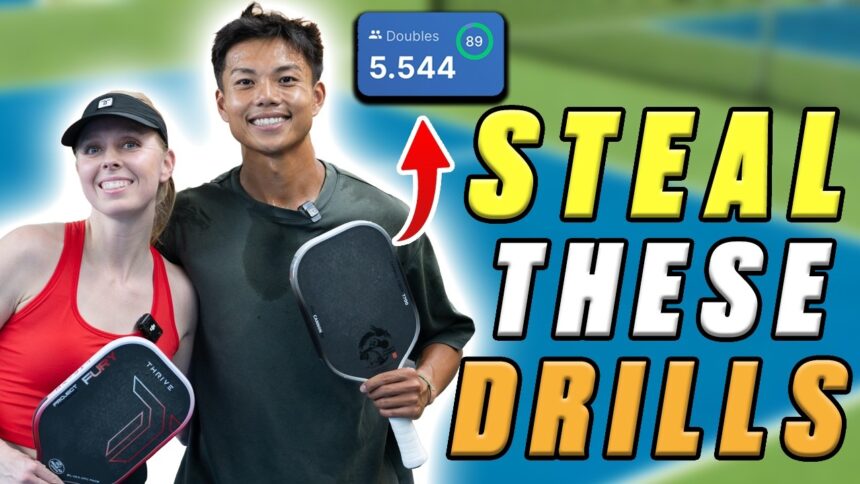
That’s the core philosophy behind the training session that Cori Elliott, a pro-level coach at The Dink Pickleball, recently shared with his audience.
In a recent Court Work episode, Elliott walked through a full, structured training session with partner Ant Tran that demonstrates exactly what a real pickleball drill routine looks like when you’re serious about reaching the highest levels of competitive play.
This isn’t flashy. It’s methodical, purposeful, and built on the principle that consistency beats flash every single time.
Love pickleball? Then you’ll love our free newsletter. We send the latest news, tips, and highlights for free each week.
Why a Structured Pickleball Drill Routine Matters More Than You Think
Here’s the thing: most players practice in isolation. They’ll spend 20 minutes on dinking, then 15 on volleys, then call it a day.
What they’re missing is the connective tissue that ties everything together. A real pickleball drill routine isn’t a collection of drills.
It’s a progression that builds from foundational skills into game-speed scenarios.
Elliott’s approach starts with a simple principle: warm up the hands, build consistency, then introduce pressure.
The session opens with cross-court dinking on both sides, which sounds basic until you realize that dinking is the foundation of modern pickleball.
You can’t win at 5.0 without a reliable dink. Everything else flows from that.
The progression matters because it mirrors how points actually develop in competitive play. You don’t start a point with a volley. You start with a dink.
You reset when your opponent attacks. You drive or drop on the third shot. Then you’re in a volley exchange or a speed-up situation.
A pickleball drill routine that follows this natural progression trains your brain and your hands to respond correctly when the pressure is on.
Breaking Down the Complete Pickleball Drill Routine
Elliott’s session is structured in five distinct phases, each building on the last. Understanding why each phase exists is just as important as executing the drills themselves.
1. Dinking (Cross-Court and Straight)
The session starts with cross-court dinking on both the forehand and backhand sides. This isn’t a warm-up in the traditional sense. It’s a diagnostic tool.
How’s your hand speed today? How’s your court positioning? Are you staying low?
The dink is where you’ll spend 60 to 70 percent of your points at 5.0, so getting this right matters.
Elliott emphasizes both sides because pickleball is a two-handed game. Too many players neglect their backhand dink, which is a massive liability at higher levels.
A complete pickleball drill routine treats both sides with equal importance.
7 Pickleball Drills That Actually Work for Every Level
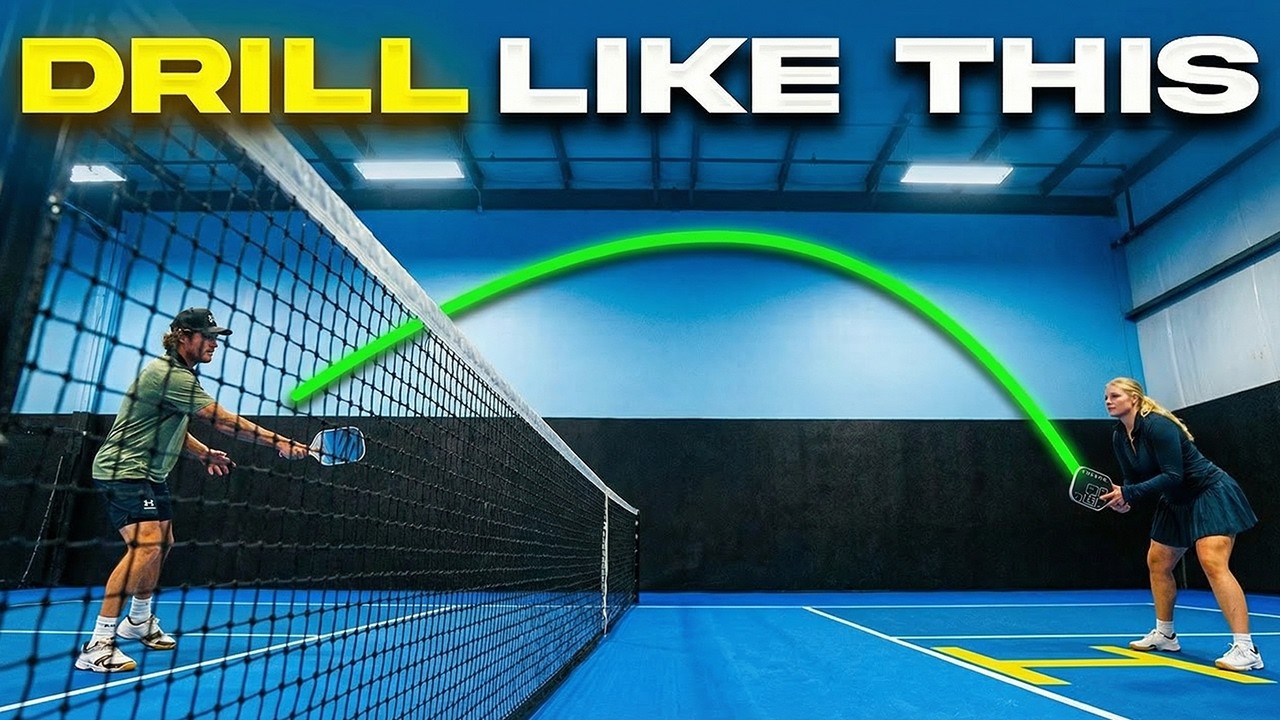
Pro player Michael Loyd shares 7 pickleball drills designed to build real consistency and fix the weaknesses keeping you stuck.
2. Resets and Thirds (Drops and Drives)
Once the hands are warm, the session moves into resets and third-shot attacks. This is where the game gets interesting.
A reset is a soft, low dink that you hit when your opponent has attacked you. It’s a defensive shot that buys you time and puts you back in control of the point.
The third shot is your first offensive opportunity after the serve and return. You can either drop it softly (a third-shot drop) or drive it aggressively (a third-shot drive).
Elliott works both options because knowing when to use each one is a 5.0-level skill.
The Pickleball Reset: The One Skill That Takes You Beyond 3.5
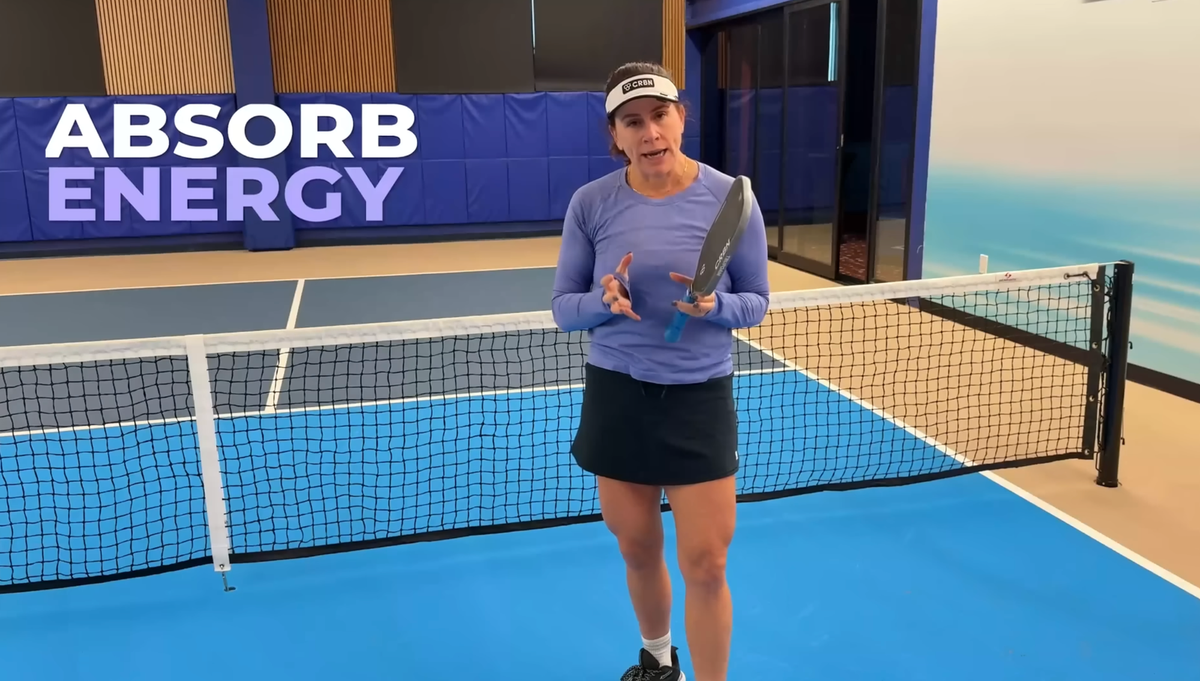
By softening pace, controlling trajectory, and stabilizing through transition, players can use the reset to regain the kitchen and compete with stronger opponents
3. Cooperative Volleys
Before introducing live play, Elliott and Tran spend time on cooperative volleys.
This is a drill where both players are working together to keep the ball in play at the net.
The goal isn’t to win the point. It’s to build hand speed, court positioning, and confidence at the net.
Volleys are where a lot of 4.0 players break down. They get to the net and suddenly their hands feel slow.
A pickleball drill routine that includes dedicated volley work trains your reflexes and your positioning so that when you’re in a live point, the net doesn’t feel like enemy territory.
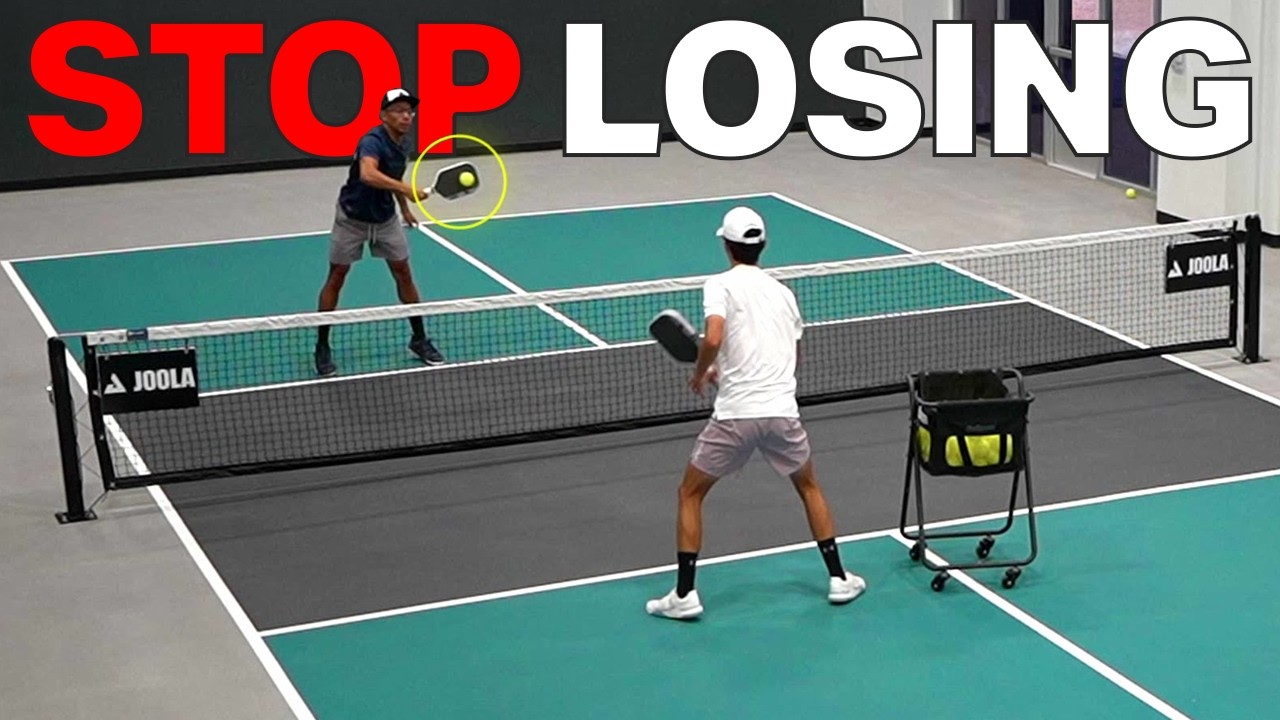
Six Critical Mistakes Hurting Your Volley
The ability to handle pace and redirect power from the kitchen line is what separates competitive players from recreational wannabes.
4. Speed-Up Game (Two Dinks Then Live)
This is where the session transitions from cooperative drills to competitive scenarios. The rule is simple: you must dink twice before you can attack.
This forces players to stay patient, build the point, and only attack when the opportunity is truly there.
This drill is genius because it mirrors real match play. You can’t just bomb every ball. You have to construct the point. You have to be patient.
You have to recognize when your opponent has given you a weak ball that you can attack.
A pickleball drill routine that includes this kind of game-speed work is what separates players who can execute drills from players who can execute under pressure.
Pro Speed-Up Strategy: Master the Kitchen Line Attack Like a 5.0+ Player
Connor Garnett shows that winning kitchen battles isn’t about raw power, but about positioning, psychology, and reading opponents in real time
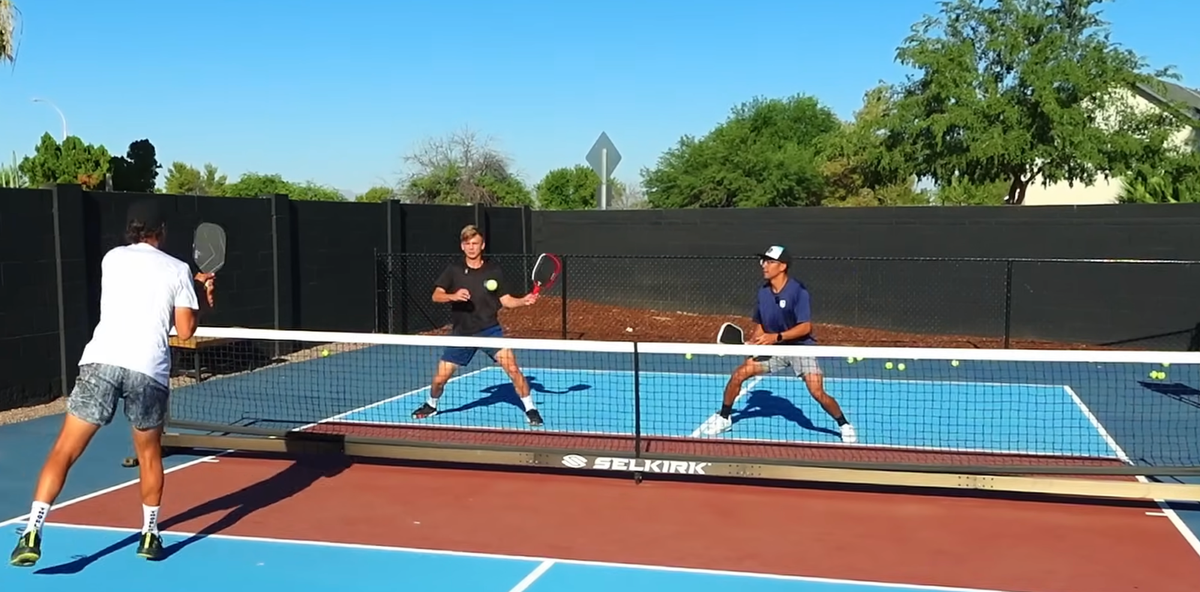
5. 7-11 Redefined (Baseline to Kitchen)
The session ends with a modified version of 7-11, a popular pickleball game. In Elliott’s version, you can only win a point if you’re at the baseline.
This forces players to transition from the kitchen back to the baseline between points, which is a critical skill in match play.
Most points in pickleball end at the net, but you have to earn your way there. This drill trains that transition and keeps players from getting comfortable camping at the kitchen line.
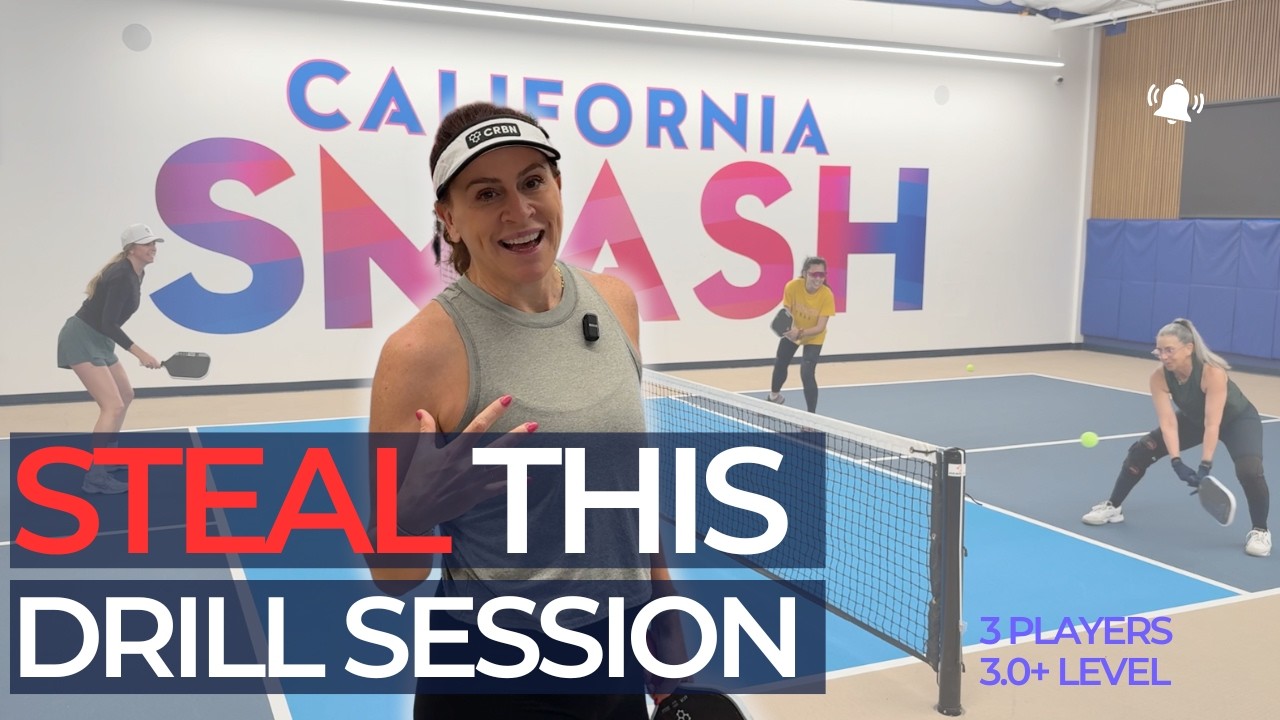
New to Pickleball Drilling? Try This Simple 45-Minute Practice Plan
Before you start drilling, decide which skills matter most to you right now. Intentionality is what separates productive practice from just hitting balls around.
What Makes This Pickleball Drill Routine Different
Elliott’s approach isn’t revolutionary. It’s just methodical. He’s not introducing fancy tricks or secret techniques.
He’s building a pickleball drill routine that addresses the fundamental skills you need at 5.0 and then layering in game-speed pressure.
The key insight is that consistency beats flash. A player with a reliable dink, solid resets, and good court positioning will beat a player with one flashy shot every single time.
That’s why the routine starts with dinking and builds from there.
Another critical element is the progression from cooperative to competitive. You can’t jump straight into live play and expect to improve.
Your hands need to be warm. Your positioning needs to be dialed in. Your confidence needs to be high.
Only then do you introduce the pressure of actual competition.
💡
The Mental Side of a Pickleball Drill Routine
Here’s something Elliott touches on that a lot of coaches miss: the mental game. During the resets portion of the session, Elliott mentions being in a “flow state.”
That’s not accidental. When you’re executing a well-designed pickleball drill routine, you’re training your brain to get into that zone where everything feels automatic.
At 5.0, the physical skills are table stakes. Everyone can hit a dink. Everyone can volley.
What separates the best players is their ability to stay calm, read the court, and execute under pressure.
A pickleball drill routine that progresses from cooperative to competitive is training that mental resilience.
When you’re doing cooperative drills, you’re building muscle memory.
When you’re doing competitive drills, you’re building decision-making skills. Both are essential.
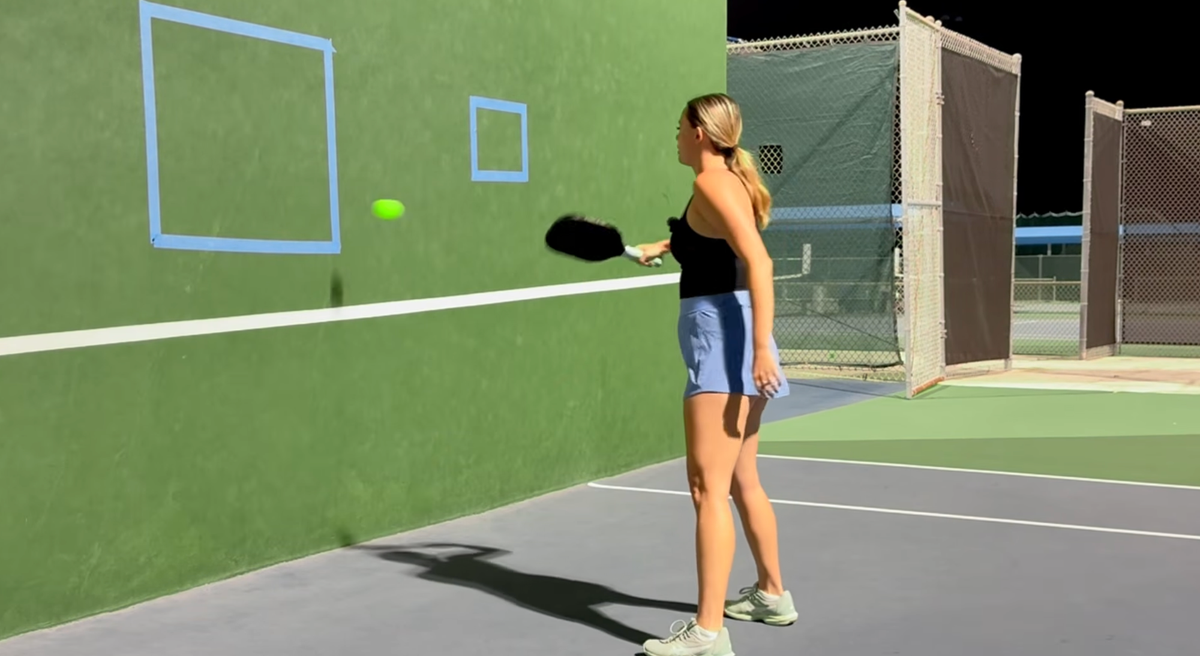
Simple Pickleball Wall Drills to Reach 5.0
It’s just you, your paddle, and the opportunity to repeat the same movement hundreds of times until it becomes muscle memory.
How to Implement This Pickleball Drill Routine in Your Own Training
You don’t need a pro coach to run this pickleball drill routine. You just need a partner and a court. Here’s how to structure your own session:
- Start with 5 to 10 minutes of cross-court dinking on both sides. Focus on consistency, not power.
- Then move into resets and third shots for another 10 minutes.
- Spend 5 minutes on cooperative volleys.
- Then play a speed-up game for 10 to 15 minutes.
- Finish with a modified 7-11 or another competitive drill for 10 minutes.
The total session is about 45 to 60 minutes, which is realistic for most players.
You’re not grinding for hours. You’re being intentional about what you’re working on and why.
The beauty of this pickleball drill routine is that it scales.
If you’re a 3.5, you might spend more time on the cooperative drills and less on the competitive ones. If you’re a 4.5, you might flip that ratio.
The structure stays the same. The intensity changes.
💡
The Bigger Picture: Why Pickleball Drill Routines Matter for the Sport
Elliott’s approach to training reflects a broader shift in how pickleball is being taught and played at the highest levels. The sport is maturing.
Players are getting better. The gap between 4.0 and 5.0 is widening because 5.0 players are training smarter, not just harder.
A structured pickleball drill routine is part of that evolution. It’s the difference between playing pickleball and training for pickleball. One is fun.
The other is how you get good.
This matters for the sport because it raises the overall level of play.
When more players understand the importance of a methodical pickleball drill routine, the competitive landscape improves.
Tournaments get better. The sport gets more interesting to watch. The community grows.
New to Pickleball Drilling? Try This Simple 45-Minute Practice Plan
Before you start drilling, decide which skills matter most to you right now. Intentionality is what separates productive practice from just hitting balls around.
Frequently Asked Questions
What’s the difference between a dink and a reset in pickleball?
A dink is any soft shot hit below the net at the kitchen line. A reset is specifically a dink that you hit when your opponent has attacked you. It’s a defensive dink that puts you back in control of the point. All resets are dinks, but not all dinks are resets.
How long should a pickleball drill routine take?
A complete pickleball drill routine should take 45 to 60 minutes. This gives you enough time to warm up, work on foundational skills, and introduce game-speed pressure. Shorter sessions are fine for maintenance, but longer sessions allow for deeper skill development.
Can I do this pickleball drill routine alone?
No, you need a partner. Most of these drills require two players. If you’re training alone, you can work on individual skills like footwork or serve mechanics, but you won’t get the full benefit of a structured pickleball drill routine.
How often should I do this pickleball drill routine?
Two to three times per week is ideal for players serious about reaching 5.0. This gives you enough frequency to build consistency without overtraining. Make sure you’re also playing matches, which is where you apply what you’ve learned in your drills.
What’s the most important part of this pickleball drill routine?
The progression from cooperative to competitive is the most important element. That’s what separates a good drill routine from a great one. You’re training your hands and your brain to execute under pressure, which is what actually matters in match play.
Want more pro-level pickleball lessons and match breakdowns? Follow Cori Elliott on Instagram and TikTok for daily tips and insights.
Nguồn: thedinkpickleball