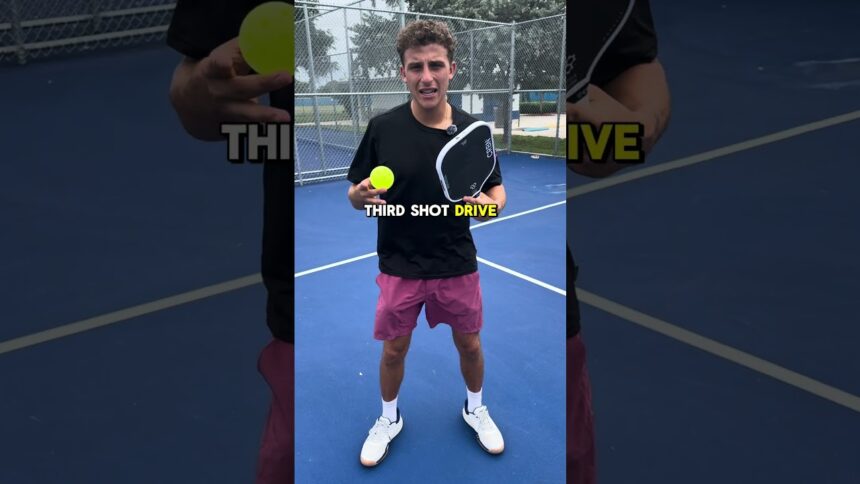
The third shot drop is one of pickleball’s most critical shots, but knowing when to deploy it separates casual players from competitive ones. Understanding the exact moments to hit a third shot drop versus a drive can transform your court positioning and win rate.
The third shot drop is one of pickleball’s most misunderstood shots, and that’s a problem.
Too many players treat it like a default move, hitting it reflexively without understanding the tactical moment that calls for it.
The truth is, knowing when to hit a third shot drop versus when to drive separates players who consistently win from those who struggle to close out points.
Love pickleball? Then you’ll love our free newsletter. We send the latest news, tips, and highlights for free each week.
Why the Third Shot Drop Matters So Much
The third shot is where rallies get decided. Your opponents have just hit their serve and second shot, and now you’re responding.
This moment determines whether you’ll move forward into the kitchen or get pushed back to the baseline.
APP pro and content creator Tanner Tomassi breaks down the mechanics and strategy behind this crucial shot in a way that finally makes sense.
Here’s the thing: the third shot drop isn’t just about technique.
It’s about reading your opponents’ position and understanding what they’re trying to accomplish.
If they’re still at the baseline, your approach changes. If they’ve already moved forward, your decision-making shifts entirely.
What Exactly Is a Third Shot Drop?
A third shot drop is a soft, arcing shot hit from the baseline that lands in your opponent’s kitchen (the no-volley zone).
Unlike a drive, which is aggressive and fast, the drop is intentionally slow and high-arcing.
The goal is to land the ball softly enough that your opponents can’t attack it aggressively, forcing them to hit up on the ball and giving you time to advance to the net.
Think of it as a reset button.
You’re not trying to win the point outright. You’re trying to neutralize your opponents’ advantage and create an opportunity to move forward into a better court position.
💡
When Should You Hit a Third Shot Drop?
This is where most players get it wrong. The answer isn’t “always” or “when you’re nervous.”
There are specific conditions that make a third shot drop the right choice.
- Your opponents are still at the baseline. If they haven’t moved forward yet, they’re vulnerable to a drop. They’ll have to move forward to reach it, and that movement gives you time to advance. This is the most common scenario where a drop makes sense.
- You’re under pressure and need to reset. If the second shot comes in hard or deep, a drop buys you time. You’re not trying to be aggressive; you’re trying to survive the rally and get to the net.
- The ball is below net height when you contact it. This is crucial. If you’re hitting the ball from below the net, you physically can’t hit a hard drive without popping it up. A drop is your only safe option. Your contact point matters more than most players realize.
- Your opponents have moved forward but aren’t at the net yet. If they’re in that awkward middle zone, a drop can catch them off-guard. They’re too far forward to retreat comfortably, but not close enough to attack the drop aggressively.
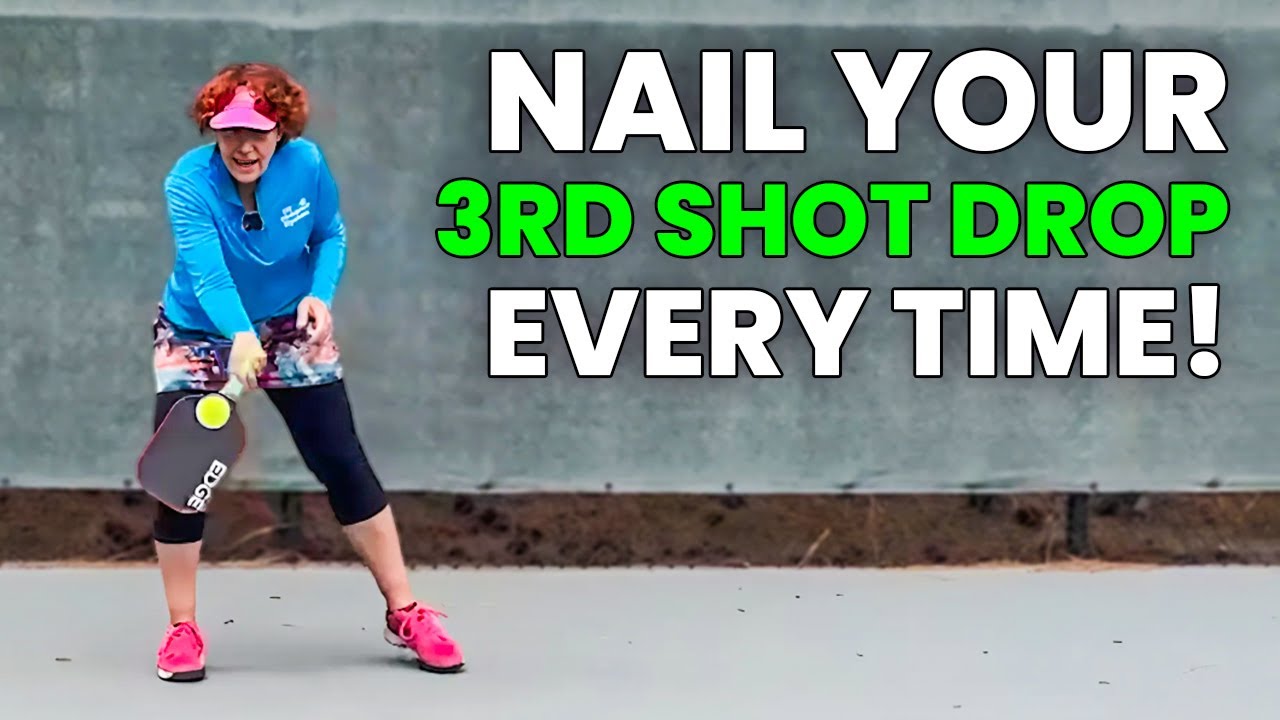
Master the Third Shot Drop: 3 Keys to Consistency
The third shot drop is one of pickleball’s most misunderstood shots. Here are three fundamental mechanics that separate consistent players from those who struggle.
When Should You Hit a Third Shot Drive Instead?
Not every third shot should be a drop. Sometimes aggression is the right call.
- Your opponents are still deep at the baseline. If they haven’t moved forward at all, they’re out of position. A well-placed drive can catch them off-guard and potentially end the rally right there. You’re taking advantage of their positioning.
- The ball is at or above net height. If you can contact the ball at net height or higher, you have options. A drive becomes viable because you can hit it with control and pace without popping it up.
- You have a clear opening. If one opponent is out of position or there’s a gap in their court coverage, a drive to that spot might win the point immediately. Don’t ignore an opportunity to be aggressive.
- You’re confident in your ball striking. This matters more than people admit. If you’re not comfortable with your drop technique, forcing it will lead to errors. A drive you can execute cleanly beats a drop you’ll mess up.
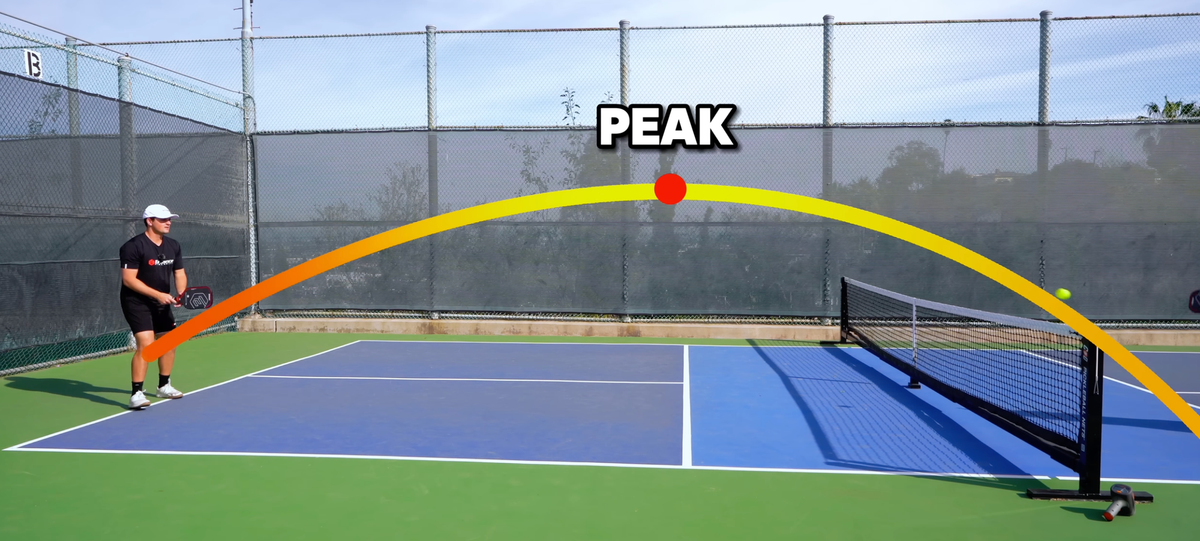
Science-Backed Method to Hit the Perfect Third Shot Drop
The third shot drop isn’t magic; it’s mechanics. Get the science right, and suddenly that impossible shot becomes far more manageable.
The Position Factor: Where Are Your Opponents?
Court positioning is the real decision-maker here. Forget about what you think you “should” do. Look at where your opponents actually are.
If they’re established at the baseline, a drop is usually right. They’ll have to move forward, and that gives you the advantage.
If they’ve already moved forward into the transition zone, a drop might still work, but you need to be more precise.
If they’re already at the net, a drop is risky because they can attack it.
The distance between your opponents and the net line is your guide.
The farther back they are, the more sense a drop makes. The closer they are, the more you should consider a drive or a different shot entirely.
How to Read Your Opponent’s Eyes and Poach More Balls in Doubles Pickleball
The key to winning many pickleball points isn’t just quick reflexes; it’s reading what your opponent is about to do before they do it
The Height Factor: Where Is the Ball?
This is the technical piece that changes everything. Ball height at contact determines your options more than anything else.
- If you’re hitting the ball below net height, you’re limited. A drop is your safest bet because you can arc it over the net without risk. A drive from below net height often pops up, and your opponents will punish it.
- If you’re hitting at net height or above, you have freedom. You can hit a drop, a drive, or even a loop drive. Your choice depends on court positioning and strategy, not physics.
Most players don’t think about this. They hit the same shot regardless of where the ball is. That’s a mistake.
The height of the ball when you make contact should influence your decision before you even think about your opponents’ position.
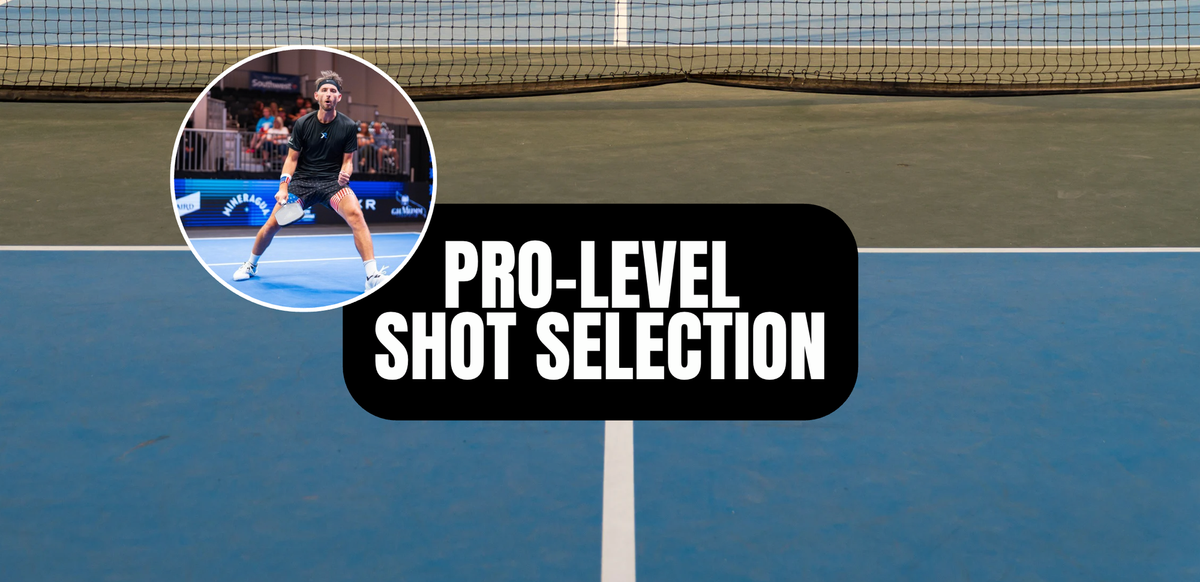
Pickleball Shot Selection: Ball Height & Court Positioning
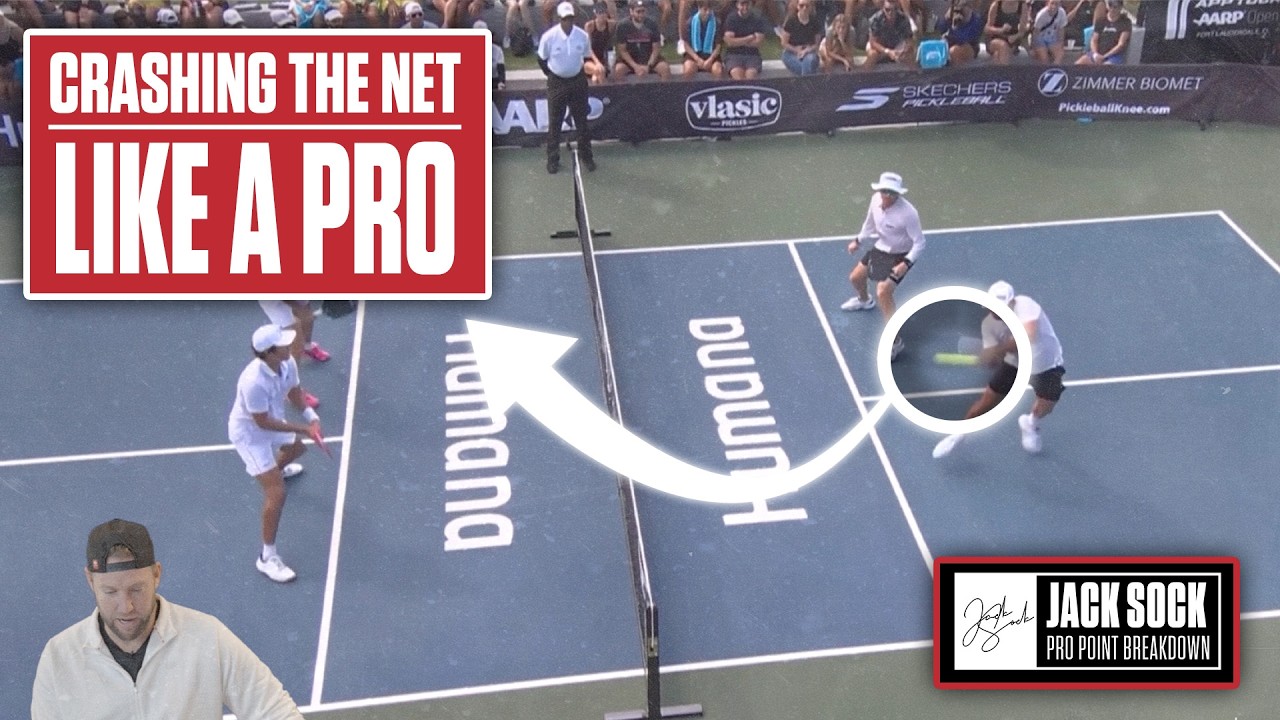
Advanced pickleball means constantly analyzing the height of the ball and the court positioning off all four players in real time – and keeping this one rule sacred: just because you can hit a more aggressive shot doesn’t mean you should
The Knee Bend Secret
Here’s something that doesn’t get enough attention: knee bend changes everything about your third shot options.
When you bend your knees properly, you lower your center of gravity and give yourself more control. You can hit softer shots with precision.
You can also generate more power when you need it. Players who don’t bend their knees are stuck hitting one speed, one shot, one way.
If you’re standing tall and stiff, you’re limited to whatever comes naturally. If you’re bending your knees and getting low, you have options.
You can hit a drop with touch, a drive with pace, or anything in between.
This is why footwork matters so much in pickleball. It’s not just about looking good.
It’s about giving yourself the physical ability to execute different shots based on what the situation demands.
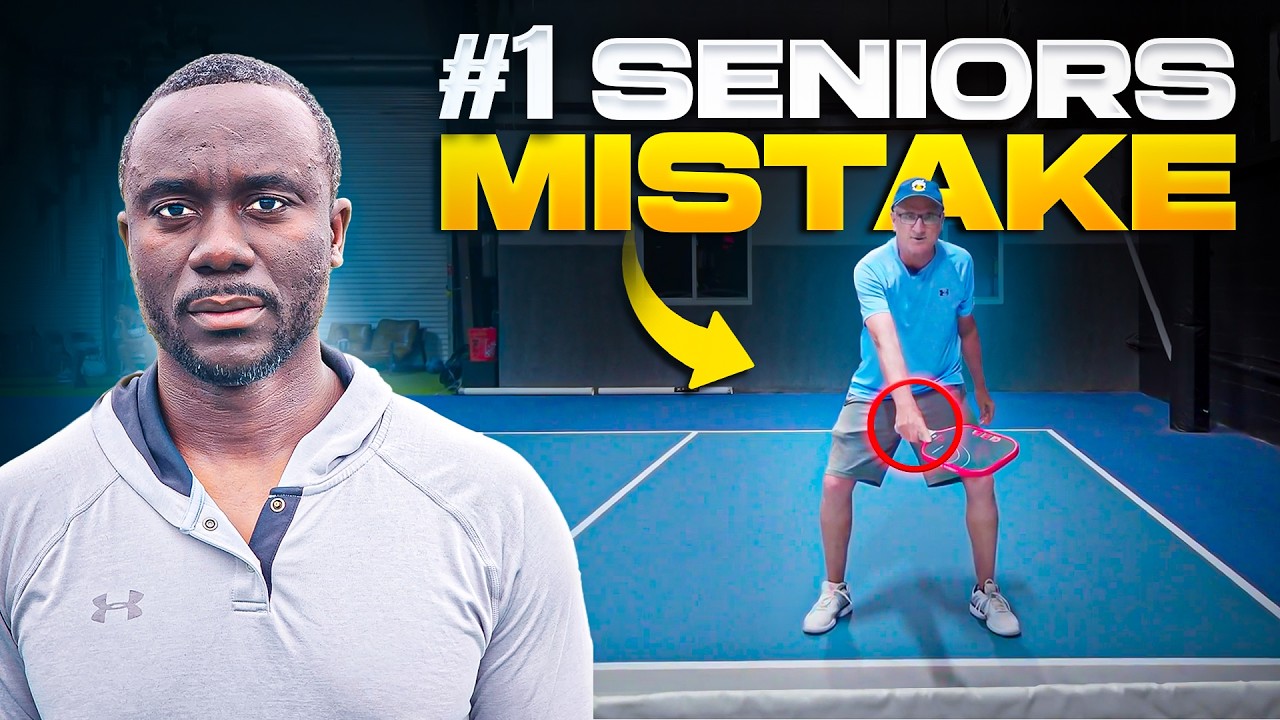
4 Essential Footwork Tips Every Senior Pickleball Player Must Master
Smarter positioning and simple footwork adjustments can help senior pickleball players improve performance without relying on speed
Reading Your Opponents’ Intentions
The best players don’t just react to the second shot. They anticipate what their opponents are trying to do.
Are they hitting a soft second shot to set up a net attack? If so, they’re probably moving forward. A drop might catch them in transition.
Are they hitting a hard second shot to push you back? If so, they’re probably staying back. A drop makes sense because they’ll have to move forward to reach it.
Watch their feet, not just the ball.
Where are they moving? Are they committed to coming forward, or are they staying back?
Their movement tells you what they expect you to do, and that’s valuable information.
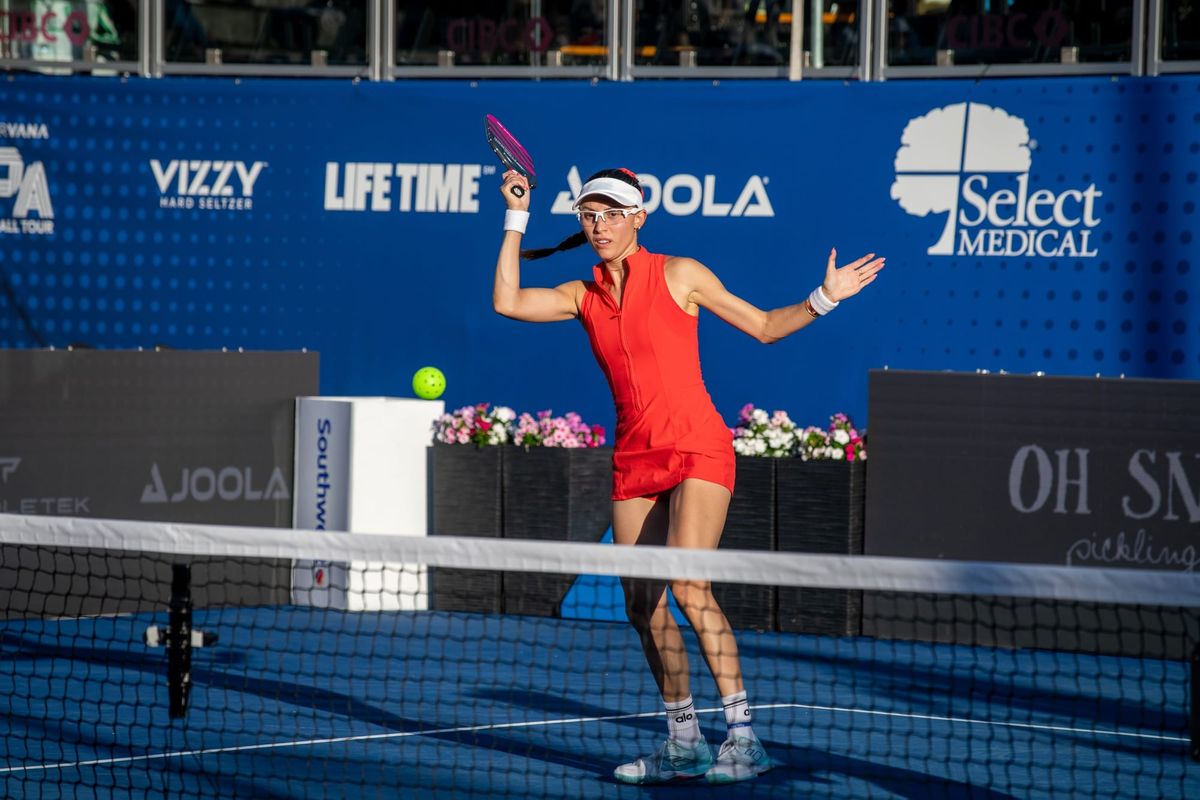
Master the Art of Speedups to Keep Your Opponents Guessing
Mastering speedups in pickleball allows players to disrupt their opponent’s rhythm, control the pace of the game, and keep their competition guessing with a mix of power and unpredictability.
The Power Question: How Much Pace Should You Use?
This is where technique and strategy overlap. A third shot drop isn’t about hitting soft for the sake of hitting soft.
It’s about hitting soft enough that your opponents can’t attack it, but with enough pace that it lands in the kitchen and doesn’t float back to the net.
Too soft, and the ball lands short or floats back. Too hard, and it becomes a drive, which defeats the purpose.
The sweet spot is a ball that lands about 3 to 6 feet inside the kitchen line, forcing your opponents to move forward and hit up.
Most beginners hit drops too hard because they’re afraid of the ball floating back.
Intermediate players hit them too soft because they’re trying to be cute.
Advanced players understand that the pace needs to match the situation.
If your opponents are far back, you can hit it a bit harder. If they’re closer, you need more touch.
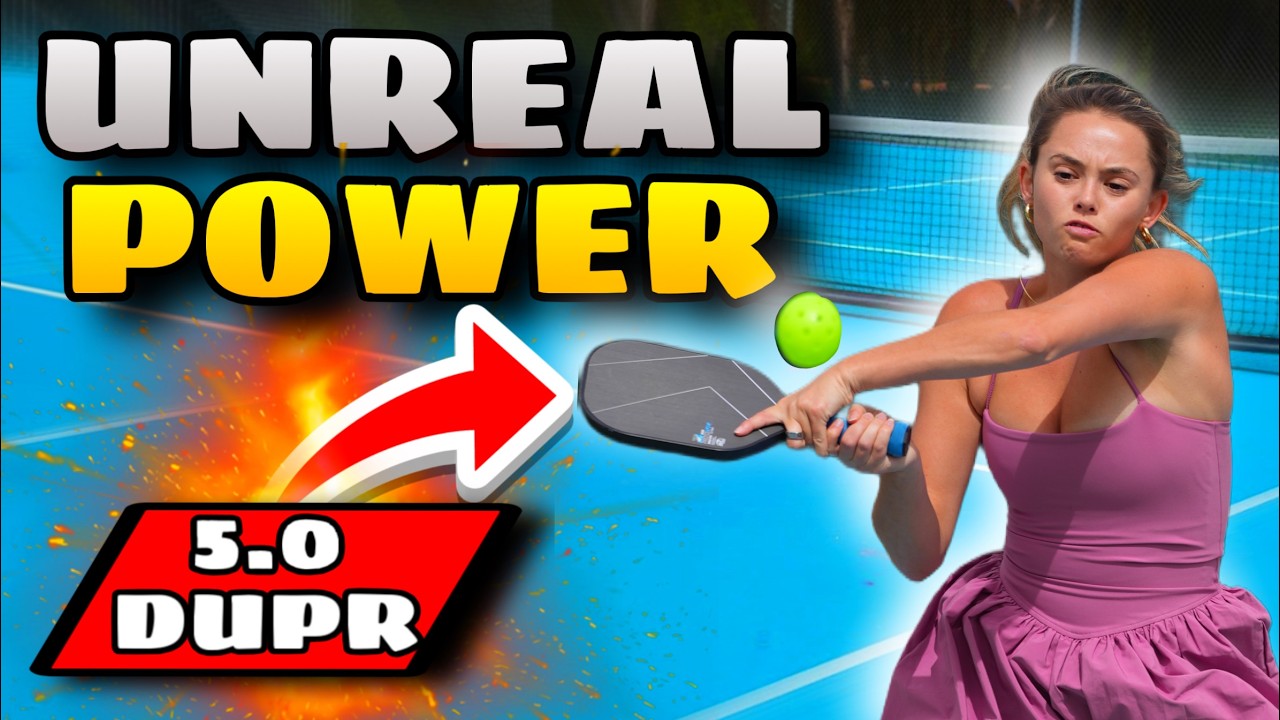
Two-Handed Backhand Counter in Pickleball
The two-handed backhand counter is one of the most reliable weapons at the kitchen line in pickleball. Pro player Ava Ignatowich breaks down the exact grip, footwork, and stroke mechanics you need to master this shot.
Putting It All Together: The Decision Tree
Here’s how to think about it in real time:
- First, check the ball height. Below net height? Drop is your best option. At or above net height? You have choices.
- Second, look at your opponents’ position. Still at the baseline? Drop makes sense. Already moving forward? You might drive. Already at the net? Probably drive or look for a different shot.
- Third, assess your confidence. Can you execute the shot you’re thinking about? If not, choose the shot you can hit cleanly.
- Fourth, consider the court situation. Is there an opening? Can you be aggressive? Or do you need to reset and move forward?
This isn’t complicated, but it requires awareness. Most players don’t go through this checklist. They just hit what feels natural.
That’s why understanding the decision-making process gives you an edge.
Smart Shot Decisions Beat Power in Advanced Pickleball
Every rally is a series of small choices, and those choices determine whether you win or lose.
Common Mistakes Players Make
Hitting drops when opponents are at the net. This is a recipe for disaster. If they’re already at the net, they can attack your drop. You need a different strategy.
The Bigger Picture
The third shot drop is just one shot, but it’s a window into how good players think about pickleball. They’re not just reacting. They’re reading the court, understanding positioning, and making decisions based on specific information.
This is what separates players who plateau from players who keep improving.
It’s not about hitting harder or faster. It’s about understanding the why behind every shot.
💡
Frequently Asked Questions
What’s the difference between a third shot drop and a dink?
A third shot drop is hit from the baseline and lands in the kitchen. A dink is hit from near the net and stays low. They’re different shots in different situations, but both are soft shots designed to keep the ball low and force your opponents to hit up.
Can you hit a third shot drop if your opponents are at the net?
Technically yes, but it’s risky. If they’re already at the net, they can attack your drop aggressively. You’re better off hitting a drive or looking for a different option. A drop works best when your opponents are still moving forward or haven’t reached the net yet.
How do you practice the third shot drop?
Start at the baseline and practice landing drops in the kitchen from different ball heights. Have a partner feed you balls at various heights and positions. Focus on consistency before worrying about pace. Once you can land 8 out of 10 drops in the kitchen, start adding pace and variety.
Is the third shot drop the most important shot in pickleball?
It’s one of the most important, but not the only one. Dinking, volleying, and court positioning matter just as much. The third shot drop is important because it’s the transition shot that gets you to the net, where most points are won. Master it, and you’ll see immediate improvement.
What happens if you miss a third shot drop?
If you miss long, your opponents get an easy put-away. If you miss short, the ball lands outside the kitchen and they can attack it. If you pop it up, they’ll likely end the rally. This is why consistency matters more than power on the third shot drop. A safe drop that lands in the kitchen is always better than a risky one that doesn’t.
Nguồn: thedinkpickleball