Frustrated by pickleball isolation? Learn how to escape relentless targeting in dink rallies with pro strategies from Zane Navratil. Discover how to master aggressive crosscourt dinks, exploit predictable opponents, and get your partner back in the game to flip the script.
Getting isolated in dink rallies is one of the most frustrating experiences in doubles pickleball.
Learn how to escape pickleball isolation and turn your opponents’ targeting against them with strategies from pro Zane Navratil.
Love pickleball? Then you’ll love our free newsletter. We send the latest news, tips, and highlights for free each week.
What Exactly Is Pickleball Isolation?
Pickleball isolation occurs when your opponents intentionally target one player with every shot, effectively removing their partner from the point.
It’s a deliberate targeting strategy designed to exploit a perceived weakness or simply to create confusion and frustration.
Think of it like a basketball team relentlessly attacking a weaker defender. The targeted player gets worn down, makes mistakes, and their teammate can’t help.
In doubles pickleball, isolation typically happens during dink rallies at the kitchen line.
One opponent keeps dinking to the same player over and over, pinning them on one side while their partner stands helplessly in the middle.
How Do You Escape Pickleball Isolation From the Right Side?
According to Zane Navratil, former world number one singles player and multiple-time PPA Tour, Major League Pickleball, and APB champion, your first move when escaping pickleball isolation from the right side is testing the aggressive crosscourt dink.
Passive crosscourt dinks won’t cut it. Your opponent can pin you forever if you’re just floating balls back.
“When I’m just hitting passive crosscourt dinks, I’m never going to be able to bust out of this pattern,” Navratil explained. “My opponent can keep pinning me here for forever and my partner will never get involved.”
The aggressive dink changes everything. By putting pace or spin on your crosscourt shot, you force your opponent into a more difficult reply.
If they pop it up, your partner can finally get involved.
TIME’s ’100 Most Influential’ Sports List: Anna Leigh Waters
“As pickleball popularity has soared since the COVID pandemic… one player has set a standard of excellence.”
Dinking to the Diagonal Player
Your second option targets the player diagonally across from you. This won’t necessarily break the isolation pattern, but it removes angles from your opponents. Your partner can then slide over and start covering more court, potentially setting up a poach opportunity.
It’s a subtle tactical shift. You’re not escaping pickleball isolation directly; you’re creating conditions that let your partner become more active.
Attack the Crosscourt Backhand
Here’s a counterintuitive move: hitting to your crosscourt opponent’s backhand will likely funnel the ball right back to you. So why do it?
Navratil calls this “opening up the court.” The backhand dink pulls your opponent slightly out of position, creating space for an aggressive crosscourt follow-up.
You’re still isolated on that first shot, but you’re setting up your escape on the next one.
Patience matters here. You’re playing chess, not checkers.
💡
Why Does the Middle Dink Matter So Much in Pickleball Isolation?
The middle is simultaneously the easiest and most dangerous way to bust out of pickleball isolation.
When you hit a quality dink toward the middle, the player in front of you has to move laterally to take it.
That movement naturally funnels their reply toward your partner.
“A great way to bust out of that isolation pattern is to make the player in front of me move towards that middle,” Navratil said. “It’s easiest for them to funnel it to my partner.”
But there’s a catch. If you pop that middle dink up even slightly, your opponent has an easy speed-up opportunity. If it’s too dead and floaty, same problem.
The key is hitting a quality middle dink on your terms.
That means choosing the right moment when you’re balanced and when you have a neutral or offensive ball to work with, rather than desperately bailing to the middle when you’re off-balance.
Understanding modern kitchen strategy helps you recognize exactly when those moments arrive.
What Is a Dink in Pickleball? Your Complete Guide
Wondering what a dink is in pickleball and why everyone talks about the soft game? This guide explains the dink in plain English, breaks down kitchen rules, shot types, and beginner technique, and shows you how to turn this simple shot into your biggest strategic weapon.
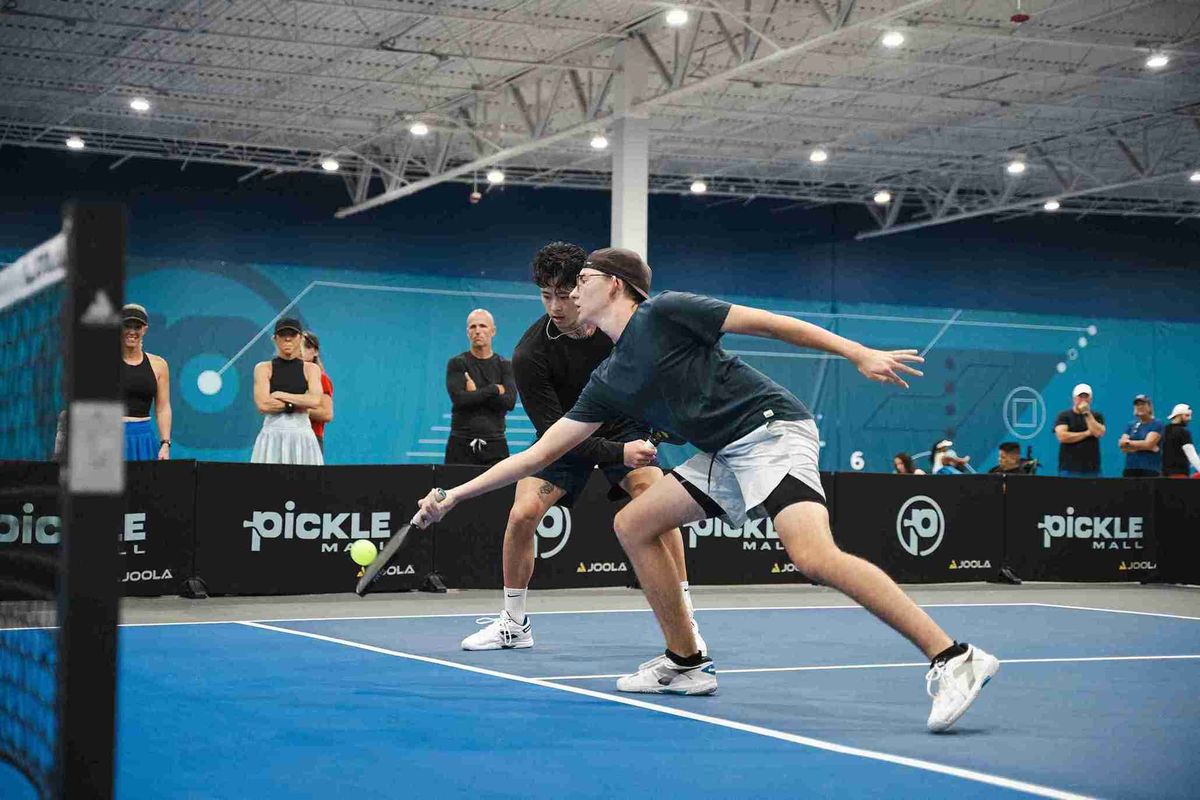
Can You Go Down the Line Without Getting Ernied?
The down-the-line dink is a powerful escape route, but it’s also a trap if you execute it wrong.
Bail down the line when you’re scrambling, and your opponent will Erne you every time.
Navratil emphasized going down the line “on your terms.” That means waiting for a neutral or offensive ball, staying balanced, and making it a choice rather than a panic move.
When you do go down the line correctly, something beautiful happens. Your partner should instinctively slide to the middle to cover the counter-attack.
The opponent’s natural reply goes through the middle, right to your now-engaged partner.
You’ve escaped pickleball isolation. Your partner is back in the point.
The 5 Defensive Dink Styles You Need to Dominate the Kitchen Line
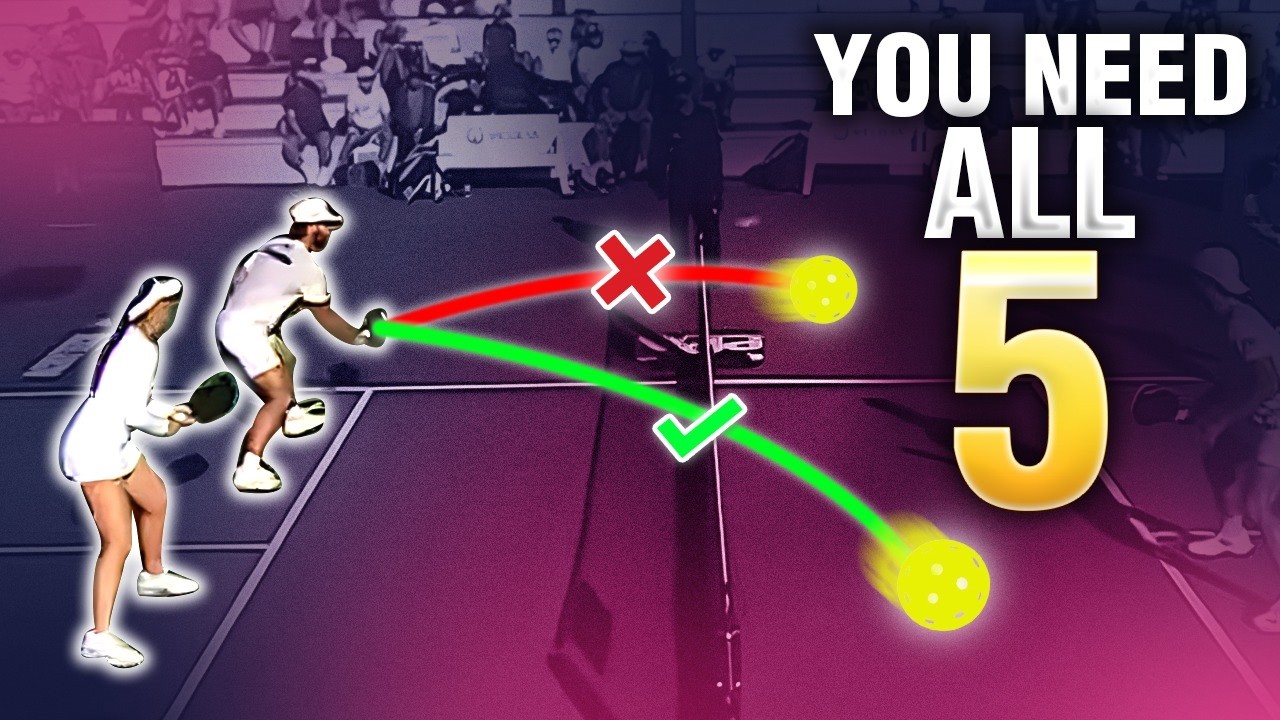
Every shot your opponent hits puts you in a different situation – now you have five different answers to survive to fight another point
How Do You Exploit Their Predictability?
Here’s where things get interesting.
If your opponents are isolating you relentlessly, they’re also becoming predictable. And predictability can be exploited.
First, stop recovering to the middle after every shot. If they’re going to hit every ball to your right side anyway, why waste energy resetting to a neutral position?
Shift your positioning slightly toward where the ball is going.
Pros who master patterns in pickleball know this adjustment is one of the most underrated moves in doubles.
“I might actually just shift my positioning over here a little bit so that I’m in a little bit better balance every time I’m hitting these shots,” Navratil explained.
This won’t break the isolation, but it will improve your shot quality. You’ll feel more confident. You’ll make fewer errors.
Pickleball Serve Lag: The Power Secret Most Players Miss
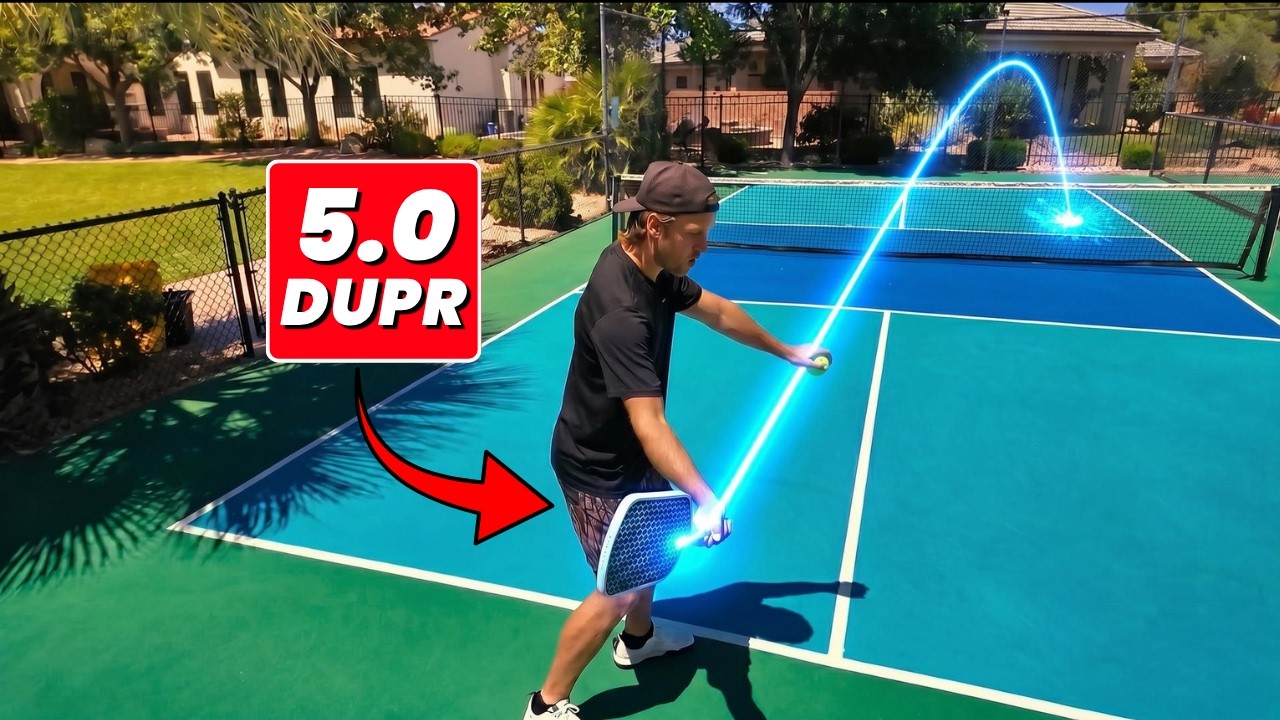
Most recreational pickleball players leave 30 to 40 percent of their power on the table because they don’t understand pickleball serve lag. This wrist and elbow delay is the secret weapon that transforms your serve from patty-cake to a powerful slap.
Initiate Your Own Offense
Second, if you know exactly where the ball is going, you can lean in and initiate offense. Your opponents’ predictability becomes your advantage.
Offense is a great way to escape pickleball isolation because it disrupts the dink pattern entirely.
A well-timed speed-up or roll shot forces your opponents to react rather than control.
Learning how to attack patterns in pickleball is the difference between playing defense all rally and flipping the script.
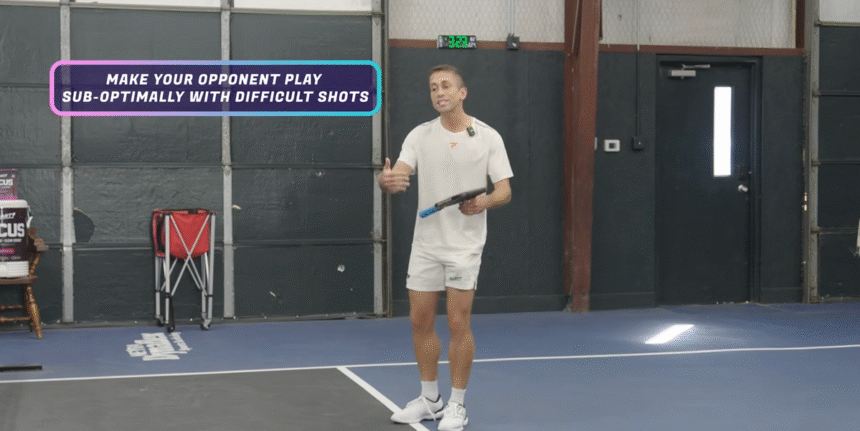
Navratil put it bluntly: “At the end of the day, I can’t control where my opponents hit.
But my objective when I’m trying to break out like this is to make them play suboptimally.”
Make them hit difficult shots. Pull the ball wide. Go down the line unexpectedly. Force them to work for the isolation rather than getting it for free.
How to Read Your Opponent’s Eyes and Poach More Balls in Doubles Pickleball
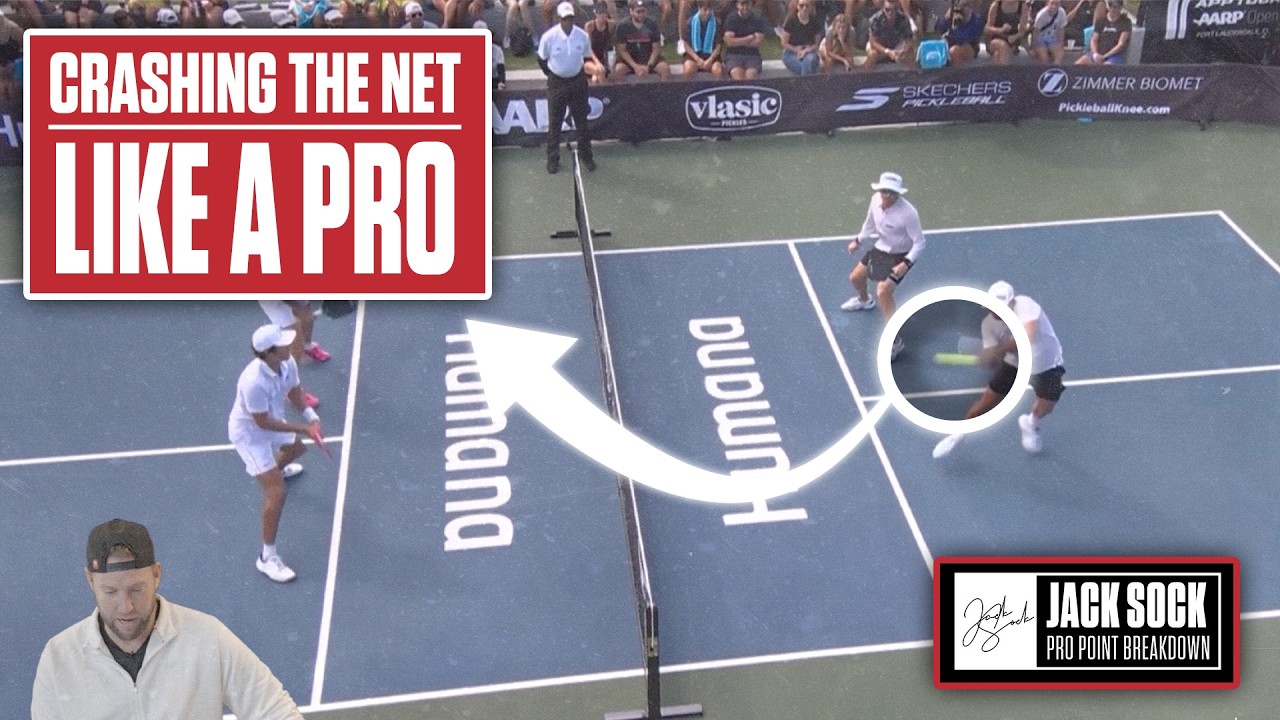
The key to winning many pickleball points isn’t just quick reflexes; it’s reading what your opponent is about to do before they do it
When Should You Stack or Play More Aggressively in Pickleball Isolation?
Sometimes the dinking battle just isn’t working. If you’re being isolated repeatedly and losing rallies, it’s time to consider bigger adjustments.
Stacking is the simplest solution. Just change sides with your partner.
If opponents are targeting you because of your position, remove that position from the equation.
Here’s a deep-dive on how to stack in pickleball if you want to make it airtight before your next match.
The other option: avoid the dinking rally altogether.
When serving, consider the drive-and-crash approach. Hit third-shot drives and crash the net behind them.
You’ll end up in a firefight rather than a dink rally, and firefights don’t lend themselves to isolation the same way.
When returning, play more aggressively on your fourth and sixth shots. Attack earlier. Force the action before the isolation pattern can develop.
“If you’re being isolated and you can’t bust out of that pattern and you feel like you’re losing,” Navratil said, “you might as well get a little bit more aggressive in that position.”
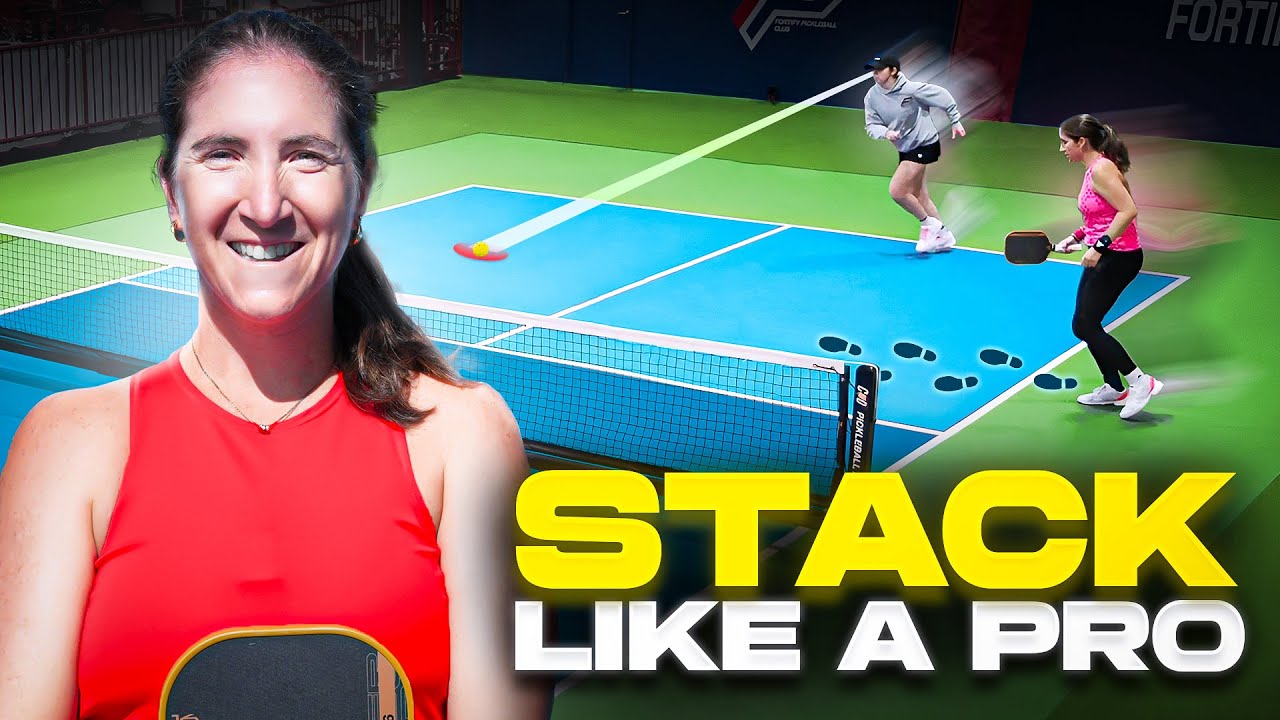
Pickleball Stacking: Complete Guide to Both Court Positions
Pickleball stacking is a game-changing doubles strategy that lets you position your forehands in the middle of the court. Whether you’re playing mixed doubles or teaming with a lefty, understanding both off-court and on-court stacking methods will transform your competitive edge.
The Four-Player Drill That Fixes Pickleball Isolation
Navratil shared a specific drill for practicing pickleball isolation escapes. It requires four players and simulates real match conditions.
Pair it with the 12 drills you need to play your best pickleball in 2026 and you’ve got a complete training block.
Here’s how it works:
- All four players start at the kitchen line
- The two opponents try to isolate one specific player
- That player uses patterns (crosscourt aggressive, middle, down the line) to get their partner involved
- Play out the point from there
The goal isn’t necessarily to win every point. You’re trying to either win the point or force your opponents into bad shots.
When they hit the wrong shot, they’ll either pop the ball up or make an unforced error.
This drill builds the instincts you need in real matches.
You learn which escape routes work for you, how to read your opponents’ positioning, and when to initiate offense versus stay patient.
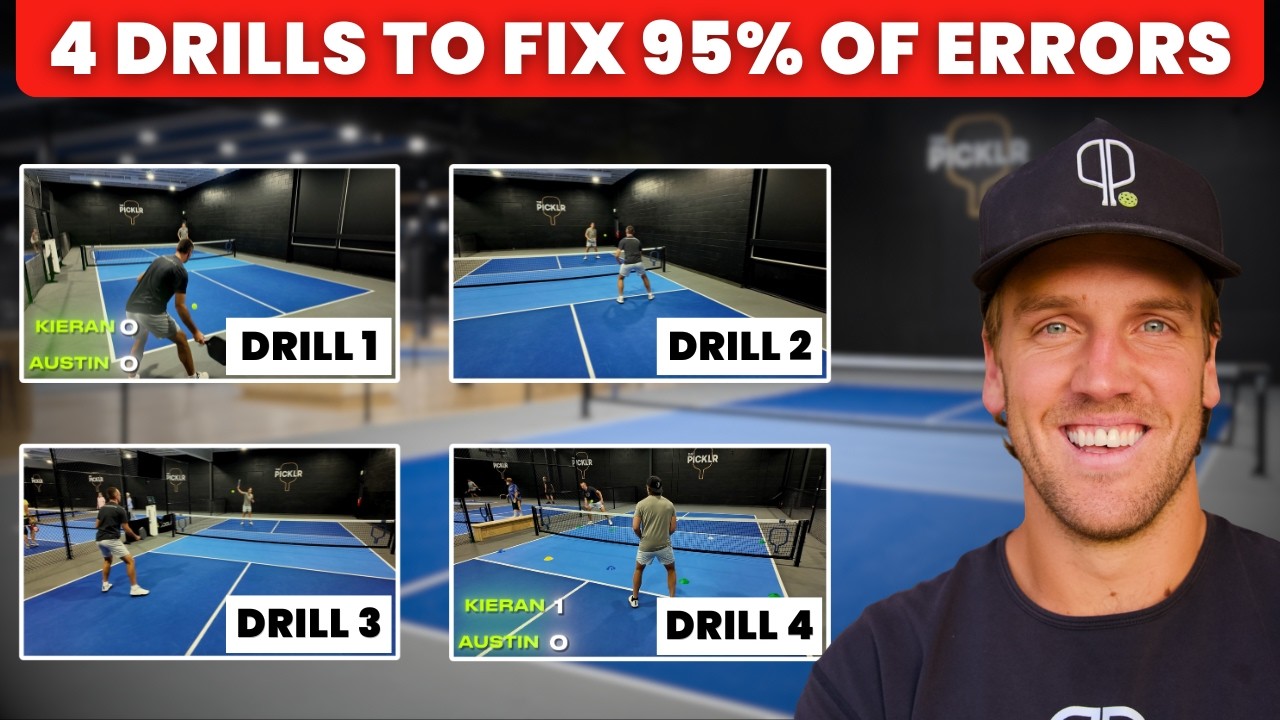
4 Pickleball Drills to Fix 95% of Unforced Errors
Consistency beats flashy shots every time in pickleball. These 4 pickleball drills from Pickleball Playbook’s Coach Austin Hardy target the fundamentals that separate champions from amateurs.
The Mental Game Behind Pickleball Isolation
There’s a psychological component to pickleball isolation that doesn’t get discussed enough. Being targeted can feel personal.
It can shake your confidence. It can make you start forcing shots you shouldn’t take.
Navratil’s approach reframes the situation entirely.
Instead of viewing isolation as a problem to escape, view it as an opportunity to make your opponents work harder.
The 6-second mental reset is a legitimate tool for staying locked in when the targeting starts to wear on you.
You can’t control whether they continue targeting you. But you can control how difficult you make each shot for them.
And if they’re hitting difficult shots to maintain the isolation, eventually they’ll miss.
Mental Warfare: What Elite 6.0 Pickleball Players Think During Every Dink
What separates good from great in pickleball is the split-second mental shift that happens the moment the ball leaves the paddle
Putting It All Together
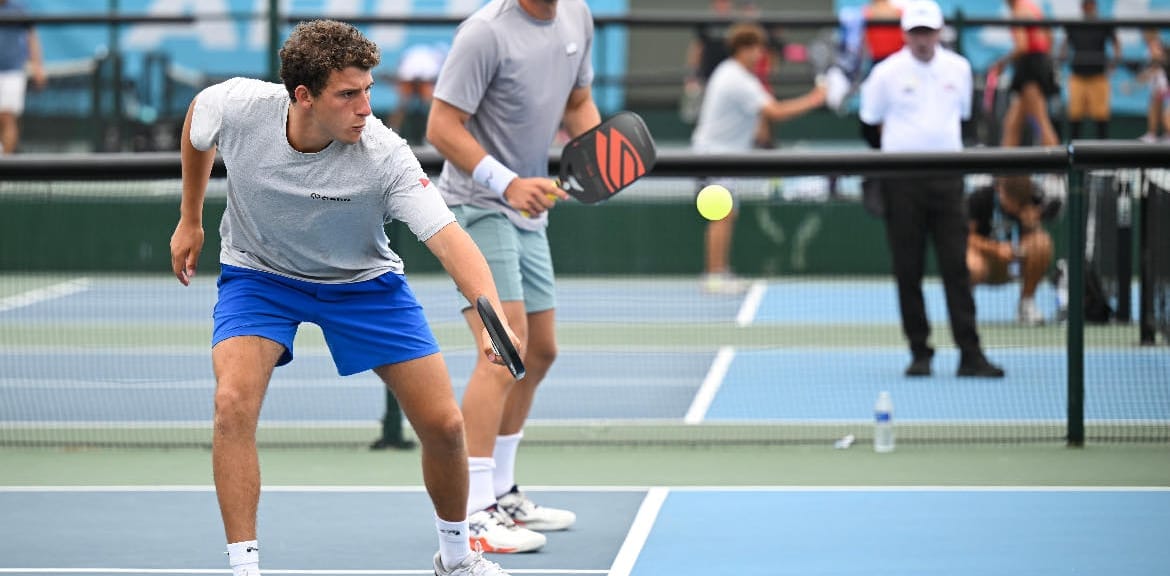
Breaking out of pickleball isolation isn’t about one magic shot. It’s about having multiple tools and knowing when to use each one.
From the right side, you have aggressive crosscourt dinks, diagonal placement, backhand targeting, middle attacks, and down-the-line options.
Each serves a different purpose. Some break the isolation directly; others set up your escape on the next shot.
Beyond shot selection, you can adjust your positioning, initiate offense, stack with your partner, or play more aggressively to avoid dinking rallies entirely.
A simple 4-step system to win more pickleball games in 2026 can anchor all of these adjustments into a repeatable match-day process.
The players who handle isolation best aren’t the ones who never get targeted.
They’re the ones who make targeting them uncomfortable and unprofitable for opponents.
That’s the real goal: not to stop the isolation, but to make your opponents regret choosing it.
💡
Frequently Asked Questions
What is pickleball isolation and why do opponents use it?
Pickleball isolation is a doubles strategy where opponents target one player with every shot, keeping their partner out of the point. Opponents use it to exploit a weaker player, create frustration, or simply because one player’s positioning makes them an easier target.
How do I know if I’m being isolated during a dink rally?
If you’re hitting three or more consecutive dinks without your partner touching the ball, you’re likely being isolated. Watch for patterns where both opponents direct shots toward you regardless of where the ball came from.
What’s the safest way to escape isolation without making errors?
The diagonal dink, directed at the player across from your partner, is often the safest option because it takes angles away from opponents. It may not immediately break the pickleball isolation pattern, but it lets your partner move into better position for a poach or interception.
Should I go down the line to escape pickleball isolation?
Going down the line works, but only on your terms. Wait for a neutral or offensive ball where you’re balanced. If you bail down the line when scrambling, skilled opponents will Erne you and win the point outright.
Can stacking prevent isolation patterns in doubles pickleball?
Yes. Stacking changes which player occupies which side, removing the positional advantage opponents were exploiting. If you’re consistently getting isolated on one side, switching with your partner can neutralize the targeting strategy entirely.
Nguồn: thedinkpickleball