Getting pushed back from the kitchen line is one of the most disorienting moments in a pickleball rally. Here’s exactly how to recover pushed back from the kitchen in pickleball and reclaim your position before the point slips away.
When you get pushed back from the kitchen line in pickleball, the point isn’t over, but it will be if you panic.
Being shoved off the non-volley zone is the game’s most common momentum shift, and most players handle it wrong.
They backpedal awkwardly, throw up a weak lob, or try to blast their way back to the net. None of that works.
The good news: recover pushed back kitchen pickleball from a mid-court trap is a learnable skill, not a matter of reflexes.
Love pickleball? Then you’ll love our free newsletter. We send the latest news, tips, and highlights for free each week.
Why Getting Pushed Back From the Kitchen Is So Dangerous
The kitchen line, formally called the non-volley zone line, is the most valuable real estate on the court.
When you’re there, you control pace, angle, and the psychological weight of the rally. When you’re not? You’re defending from no man’s land.
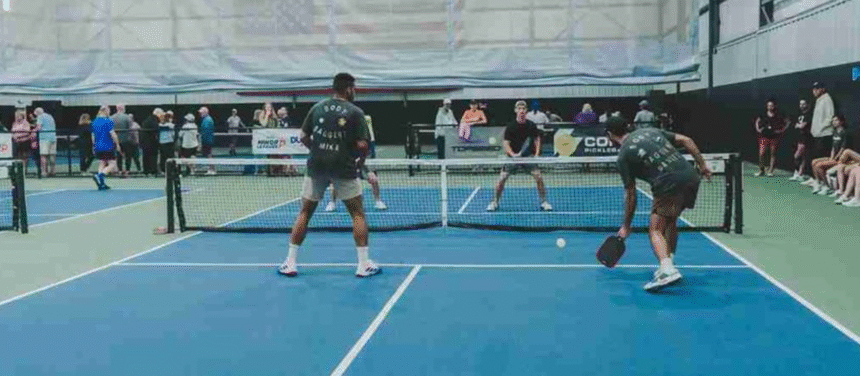
That stretch of court between the kitchen and the baseline is called the transition zone, and it’s a nightmare for a reason. Balls land at your feet.
You can’t volley with authority. Your opponents at the net have better angles and more time.
The average rally success rate from mid-court is significantly lower than from either the net or the baseline, which is why top pros fight so hard to hold their kitchen position under pressure.
The moment you concede the net, your opponents know it. They start targeting your feet. They push cross-court to pull you wider. They speed up.
And if you don’t have a plan to recover pushed back from the kitchen in pickleball, that pressure compounds fast.
What Does “Recovering From the Kitchen” Actually Mean?
To recover pushed back from the kitchen in pickleball means regaining your position at the non-volley zone after being forced off it by a deep drive, an angled dink, or a well-placed lob.
It’s not about hitting a great shot. It’s about stabilizing the rally long enough to move back forward.
Think of it in three phases:
- Neutralize: absorb the pressure with a quality reset
- Reposition: move back toward the kitchen while the ball is in flight
- Re-engage: return to the offensive kitchen exchange
Most players skip phase one entirely. That’s the mistake.
💡
How to Recover Pushed Back From the Kitchen in Pickleball
Step 1: Stop the Bleeding With a Reset
The reset is your first weapon when you’re stuck in the transition zone.
A reset is any shot (usually a soft drop or a gentle punch volley) that sends the ball low into your opponent’s kitchen, neutralizing their attack and giving you time to move.
Resetting well is harder than it sounds.
The instinct when you’re under pressure is to hit hard. Resist that. A fast ball from mid-court is a gift to anyone standing at the net.
They’ll block it at your feet or redirect it for a winner. Instead, take pace off, open the paddle face slightly, and push the ball soft and low.
The goal is a ball that bounces in the kitchen or forces a dink. Not a winner. Just a survival shot.
If you want to understand why the reset has so many textures, this breakdown of a different kind of reset explains how elite players use touch to reset from positions most players would consider unrecoverable.
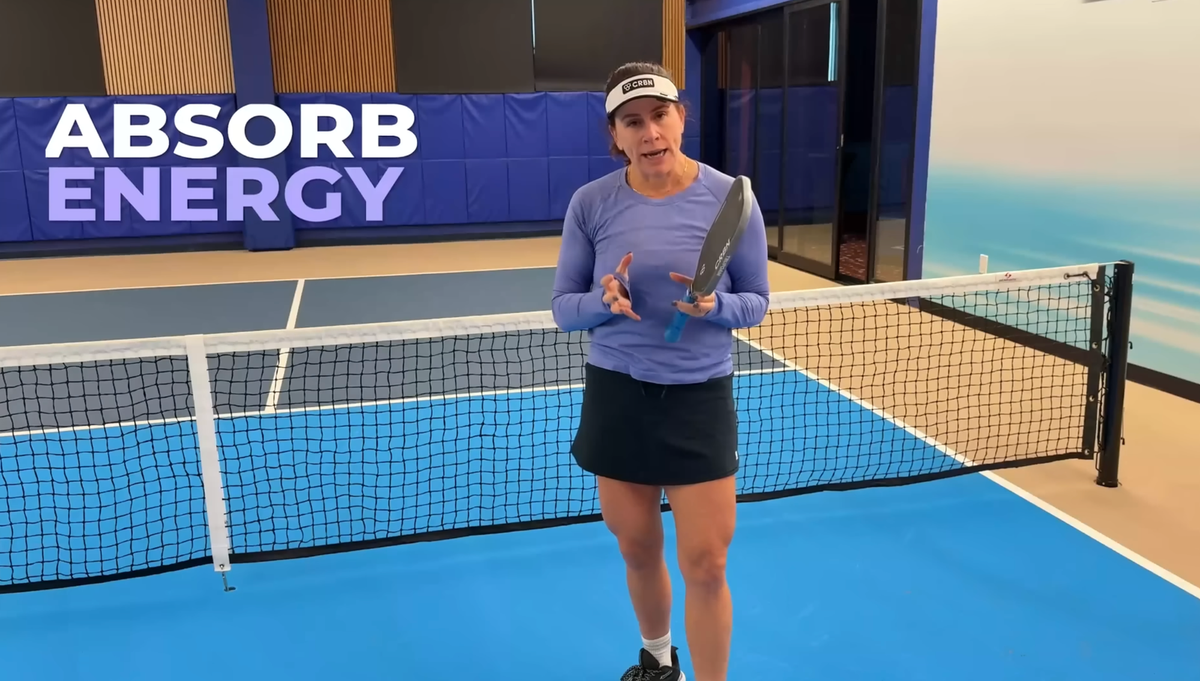
The Pickleball Reset: The One Skill That Takes You Beyond 3.5
By softening pace, controlling trajectory, and stabilizing through transition, players can use the reset to regain the kitchen and compete with stronger opponents
Step 2: Use a Split Step to Stop Moving Backward
Backpedaling while you hit is one of the most common errors in pickleball.
Your paddle speed, contact point, and balance all suffer when you’re moving backward.
The fix is a split step: a small, low hop that gets you into a balanced, ready stance before you make contact.
As the ball leaves your opponent’s paddle, split. Land in an athletic position with your weight forward and your knees bent.
This gives you the platform to hit a controlled reset and then immediately push off back toward the net once the ball is away.
Research from sports biomechanics studies consistently shows that a pre-contact split step reduces reaction time and improves stroke consistency.
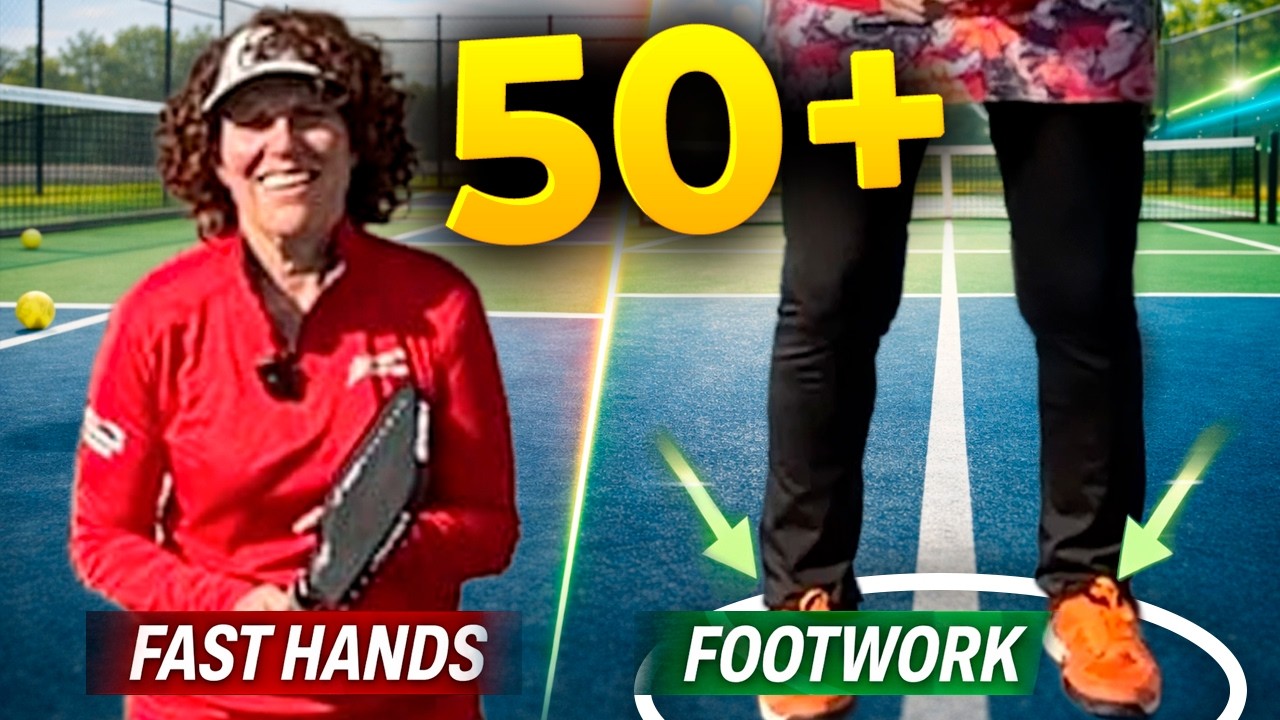
Split Step Pickleball: Footwork Tips for Seniors
By mastering this simple footwork move, you’ll stop your forward momentum and give your brain the split second it needs to read your opponent’s paddle.
Why Your Shot Selection Matters More Than Your Speed
Here’s the thing: you don’t need to sprint back to the kitchen. You need to choose the right shot first, then move.
The shot creates the time. The footwork fills it.
If your reset is weak (too high, too fast, too close to the sideline), your opponents will attack it before you take two steps.
But a quality low reset or slice dink that lands in the kitchen gives your opponent only one option: dink back.
And while they’re dinking back, you’re walking your way forward.
Think about JW Johnson’s dinking patterns: he rarely tries to sprint back.
He engineers the right ball: soft, angled, unreachable for an attack, and then advances on his own terms. That’s the model.
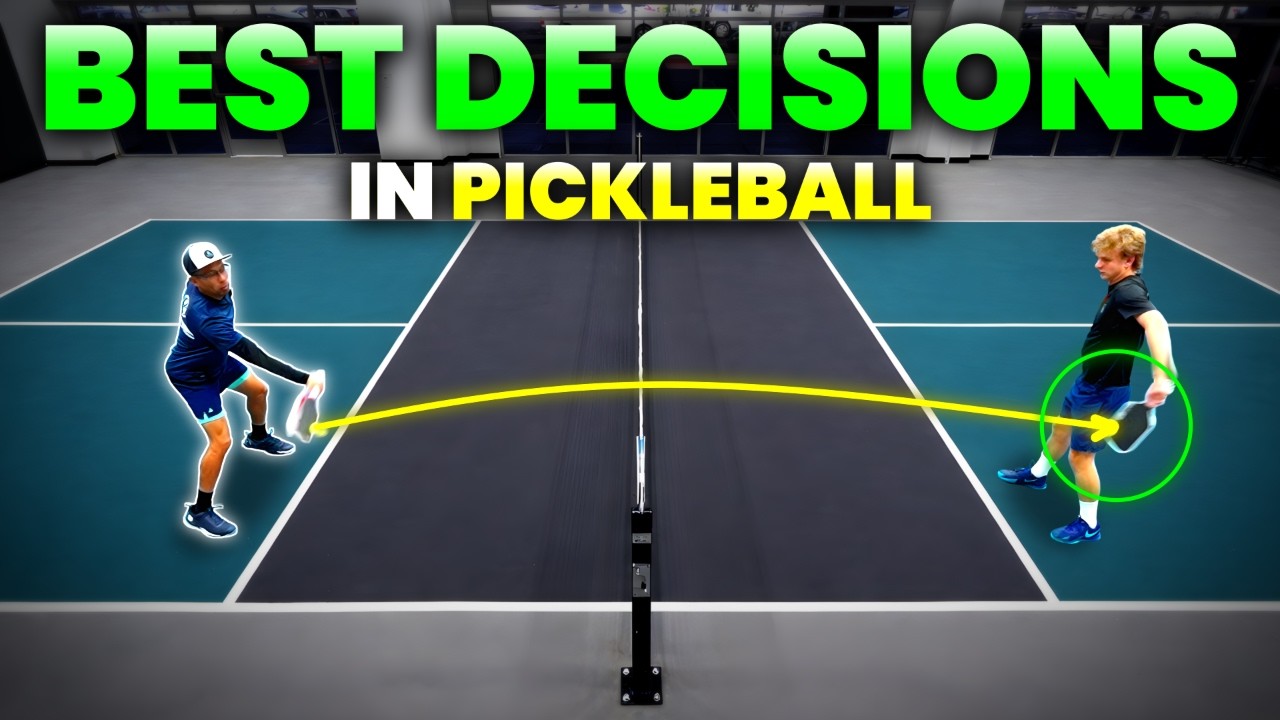
Pickleball Decision Making: Master Your Shot Selection
Pickleball decision making separates casual players from competitive ones. Master when to drive, drop, reset, and attack to transform your game.
Step 3: Advance on the Right Ball, Not the First Ball
This is where most players give up ground they’ve already earned back.
They reset, they move two steps forward, and then the next ball is aggressive, so they back up again. Pick your re-engagement moment intentionally.
The right ball to advance on is one that’s:
- Floating higher than the net
- Landing short in the kitchen
- Placed toward the middle of the court (giving you less court to cover on your next shot)
Don’t advance into an attack shot aimed at your feet. Read your opponent’s body position before committing forward.
Good court positioning isn’t reactive: it’s always two shots ahead.
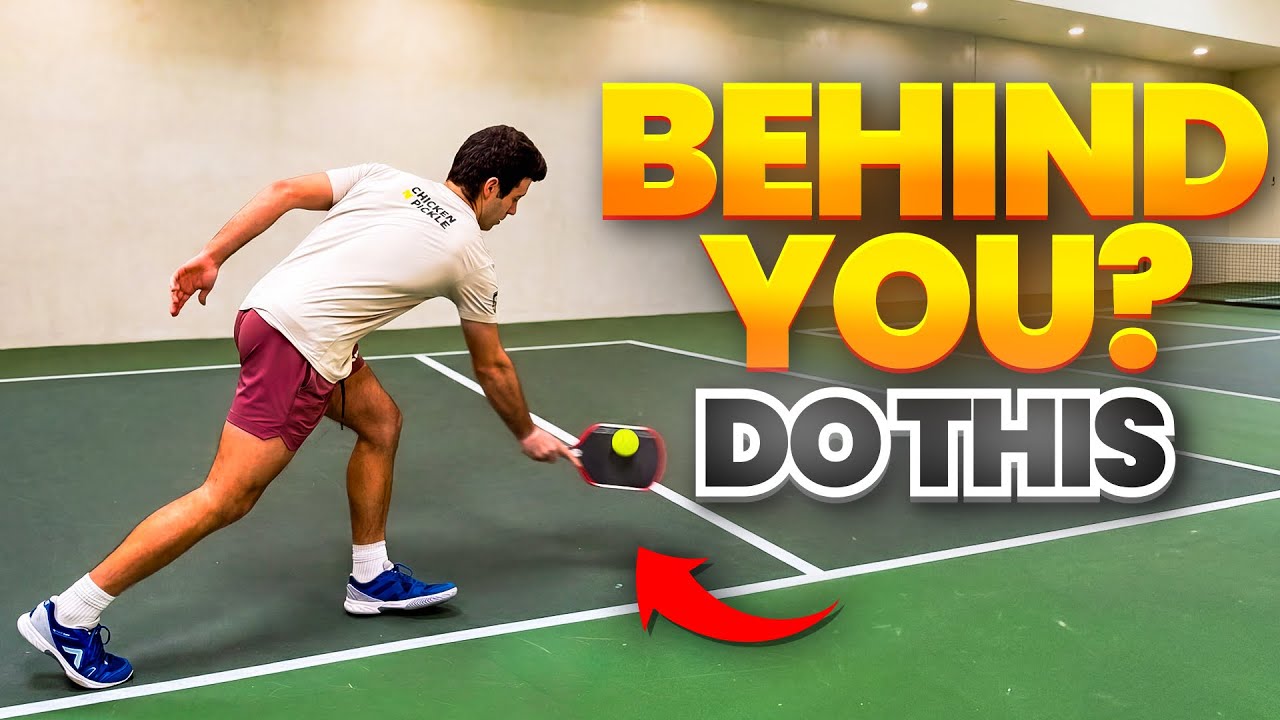
How to Handle a Ball Behind You in Pickleball
Getting caught with a ball behind you in pickleball doesn’t have to mean losing the point. Richard Livornese breaks down exactly how to handle this tricky situation at both the baseline and the net.
How to Recover Pushed Back From the Kitchen When You’re Pulled Wide
Getting pushed back is one thing. Getting pushed back and pulled wide is a different animal.
When an opponent angles you off the court, your instinct is to chase the ball sideways and hit from out of bounds.
That leaves your court wide open and your partner covering twice the ground.
The better move: cut the angle early. Step toward the ball’s path before it reaches you, rather than running alongside it.
This keeps your body square and your options open.
From there, hit a high-percentage cross-court reset, not a down-the-line winner, and use your partner’s position to decide where to recover to on the court.
If your partner is covering the middle, recover toward your side and trust the doubles strategy you’ve agreed on.
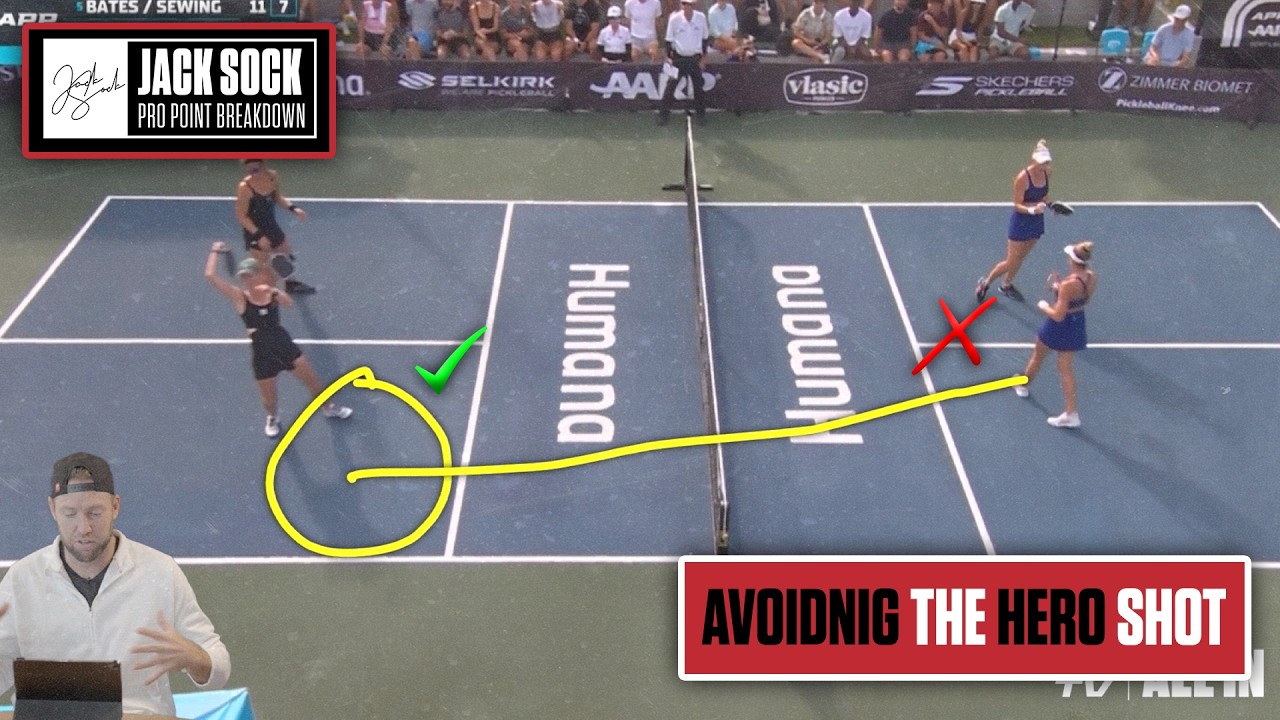
Kitchen Reestablishment: Jack Sock’s Defensive Strategy
After an incredible defensive sequence, the temptation to finish the point with a hero shot is real. But kitchen reestablishment is the smarter play, according to pro player Jack Sock, who breaks down exactly why discipline beats aggression in transition.
The Role of the Third Shot in Getting Back
One underrated way to avoid the transition zone entirely: don’t give your opponent the chance to push you back in the first place.
That starts with your third shot.
A high or flat third shot hands your opponents an easy attack, which puts you in mid-court before you’ve had a chance to move.
A quality third shot drop that lands in the kitchen resets the exchange and lets you advance behind it.
The shot isn’t glamorous. It’s just the most important one in the rally.
If you’re consistently getting punished off the kitchen line, go back and look at your third shot.
The data on drive vs. drop decisions might change how you think about that critical fifth-shot choice too.
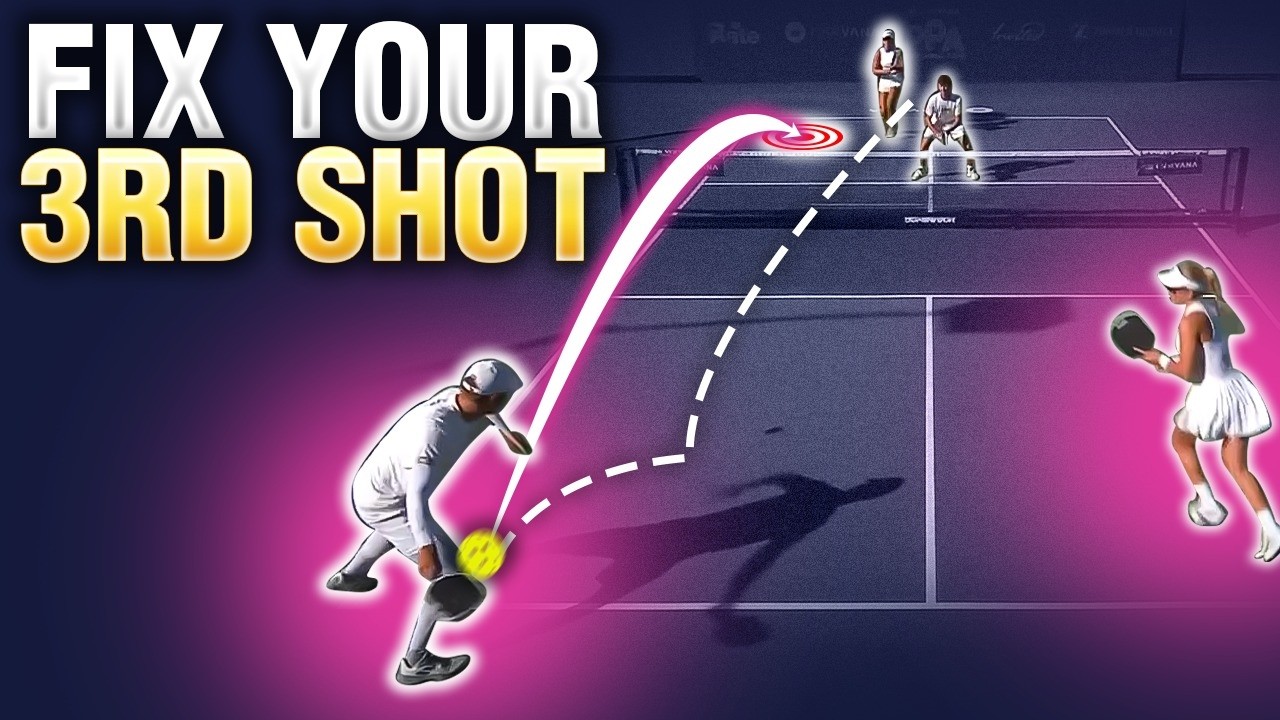
The 5 Third-Shots Every Pickleball Player Needs — & When to Use Each One
Modern pickleball demands versatility. You need multiple tools in your arsenal, and knowing when to deploy each one separates 3.5 players from 4.0+ competitors
Drills to Practice Regaining Kitchen Position
You can’t read about this skill and expect it to show up in a match. It has to be trained. Here are three drills that specifically address court recovery:
- The “Get Back” Drill: Start at mid-court. Have a partner feed drives at your feet. Focus only on resetting soft and low. No pace. After five resets, advance to the kitchen. Repeat. Pickled’s hardest dinking drill builds similar muscle memory.
- The Pressure Zone Drill: Have a partner attack from the kitchen while you defend from the transition zone. Your only goal is to survive 10 exchanges. This trains patience. Understanding the pressure zone is the conceptual counterpart to this drill.
- The Baseline Escape: Practice moving from the baseline to the kitchen behind a quality drop, then being pushed back immediately and resetting again. Three options from the baseline gives you the full menu of shots to work with.
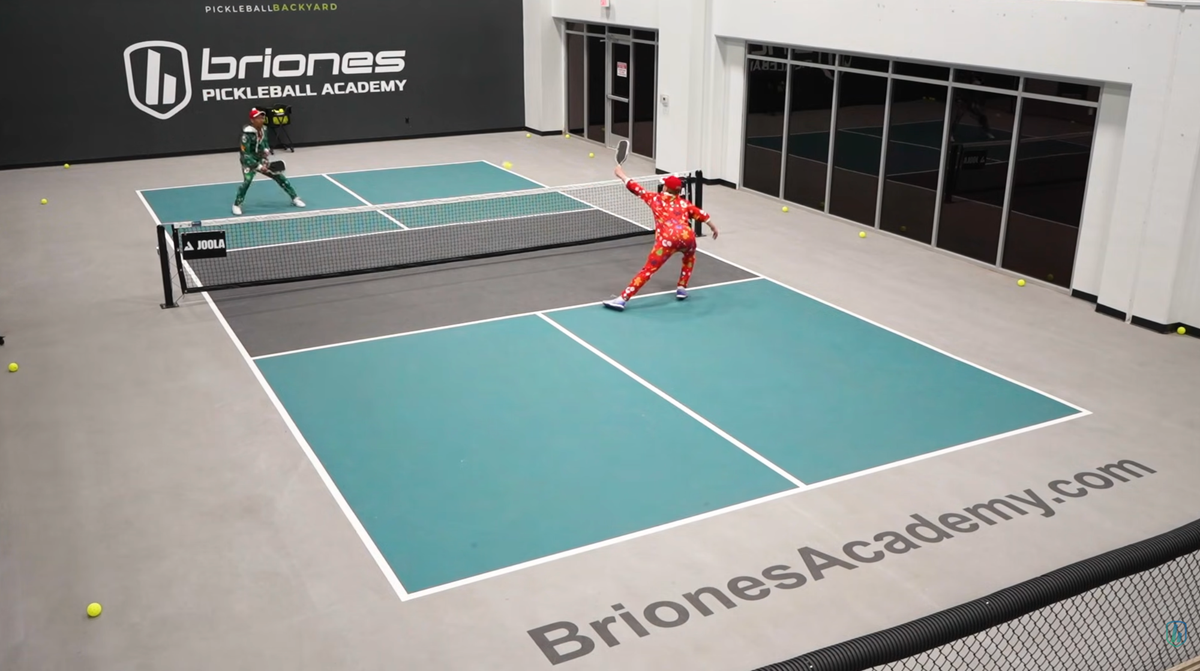
The 12 Pickleball Drills You Need for Your Best Game in 2026
You can’t just show up and hit balls – you need a plan, and that plan should build progressively from simple to complex
What Happens If Your Opponents Attack Your Reset?
Not every reset is going to land perfectly. When your opponents speed up against a mid-court ball, your response to that attack has to be prepared in advance.
The key: don’t recoil. Keep your paddle in front of your body, use a compact stroke, and block or redirect rather than swinging.
A soft backhand volley block is often your best friend here.
Take enough pace off and even an attack becomes a dinkable ball.
Turn Mediocre Recovery Into a Habit
Recovery from the kitchen isn’t a crisis skill. It’s a core skill. The best players in the game get pushed back constantly.
What separates them is that they’ve trained the response until it’s automatic. They reset, they split, they read, they advance.
If you want to turn your mediocre dinks into winners and stop hemorrhaging points from the transition zone, start here: the next time you practice, spend 15 minutes doing nothing but mid-court reset repetitions.
Not volleys. Not dinking. Just resets from no man’s land.
You’ll be shocked how fast it changes your rallies.
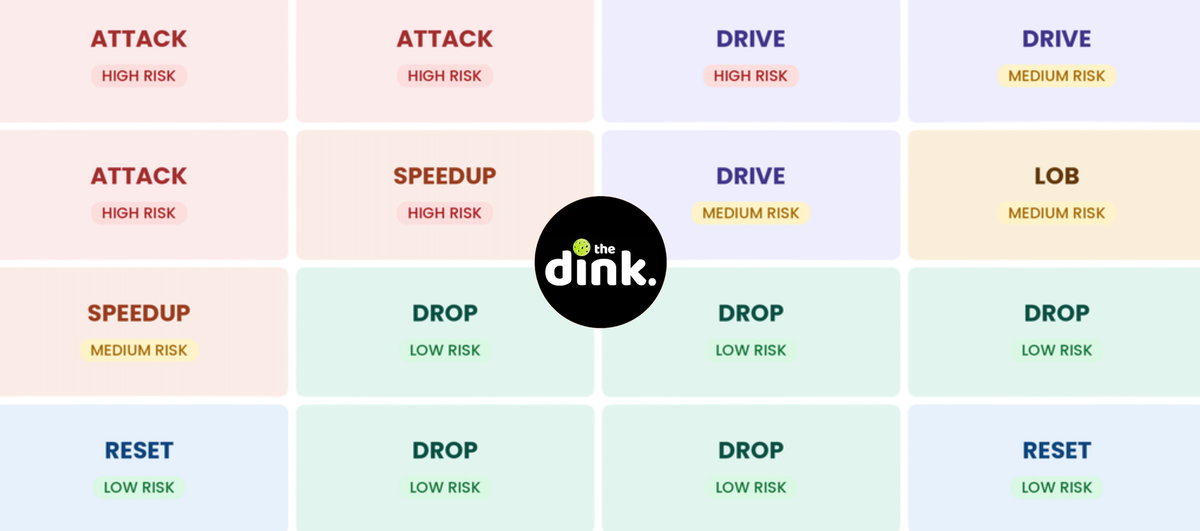
Decision Matrix: When to Attack or Reset in Pickleball
Pickleball is really all about two key factors: your court positioning and the height of the ball. This matrix decodes the game for you.
Key Takeaways
- Stop moving backward the moment you play the ball: movement and contact don’t mix well.
- A neutral reset buys time; it doesn’t have to be a winner.
- Footwork is the entire game. Lateral splits beats backpedaling every time.
- Your goal mid-court is to survive one exchange, not to attack.
- Once you’ve neutralized the pressure, advance on the right ball, not the first ball.
💡
Frequently Asked Questions
What does it mean to be pushed back from the kitchen in pickleball?
Being pushed back from the kitchen means losing your position at the non-volley zone line due to a deep drive, a lob, or a sharply angled dink that forces you to retreat mid-rally. You end up in the transition zone, also called no man’s land, where balls land at your feet and your opponents have a positional advantage at the net.
How do you recover pushed back from the kitchen in pickleball?
To recover pushed back from the kitchen in pickleball, use a split step to stabilize, then hit a soft reset that lands low in your opponent’s kitchen. That neutralizes their attack and gives you time to move forward. Advance only when you see a high or short ball, not the first ball you can reach.
What is a reset shot in pickleball and when should you use it?
A reset is a soft, low shot aimed at dropping the ball into the non-volley zone, neutralizing an opponent’s speed-up or attack. Use it whenever you’re in the transition zone and your opponents are pressing from the kitchen. The goal isn’t to win the point. It’s to survive long enough to move back into position.
Why is the transition zone so difficult to play from?
The transition zone is the area between the baseline and the kitchen, and it’s tough because balls tend to land at your feet, giving you limited options. You can’t attack effectively from there, and your opponents at the kitchen can put balls anywhere. Research shows that players in the transition zone have significantly lower rally win rates compared to those at the kitchen.
How do you avoid getting pushed back from the kitchen in the first place?
The best prevention is a quality third shot drop that forces your opponents to dink, giving you time to advance to the kitchen behind the shot. Consistent kitchen line hold also comes from strong footwork, active paddle positioning, and reading your opponent’s swing early so you’re never caught flat-footed.
Nguồn: thedinkpickleball