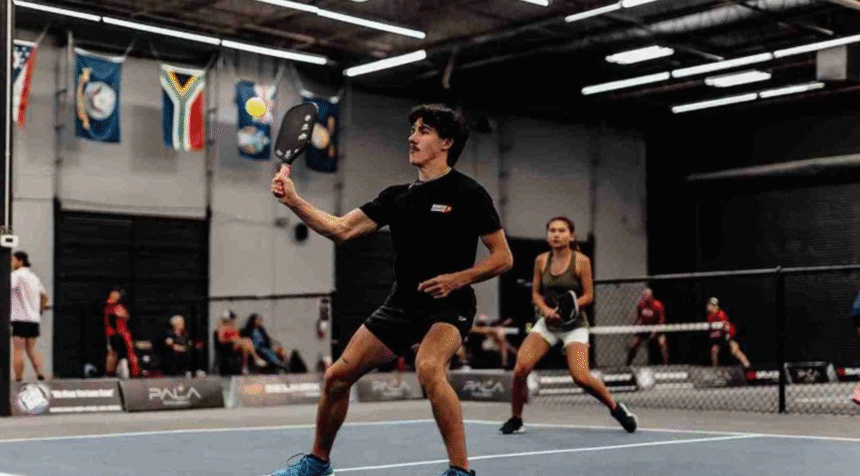
Learning how to hit a body shot in pickleball starts with understanding the rule, not just the aim. This guide breaks down the mechanics, the timing, and the line between smart targeting and a foot fault waiting to happen.
Every pickleball player has been in the blast zone.
Learning how to hit a body shot in pickleball is the difference between a controlled point and a reckless one, and most players get it wrong in one direction or the other.
Some treat it like target practice on a person. Others avoid it entirely because they’re worried about a call or a bruised ego on the other side of the net.
Neither approach wins matches, whether you’re grinding out a doubles match or sweating through singles.
Body shots are legal, effective, and completely different from just hitting hard.
Here’s the thing: a body shot isn’t about power. It’s about geometry.
Love pickleball? Then you’ll love our free newsletter. We send the latest news, tips, and highlights for free each week.
What Is a Body Shot in Pickleball?
A body shot is any ball driven directly at an opponent’s torso, hip, or upper thigh instead of an open space on court.
The body shot meaning in pickleball comes down to intent: you’re using the opponent’s own body as the target, not the sideline or the kitchen line.
It’s fully legal. There’s no rule against hitting a player anywhere on their body during live play, and the USA Pickleball rulebook confirms there’s no penalty for contact below the neck during a rally.
The only foul risk lives in footwork or a paddle crossing the net plane, a distinction laid out well in this body bag court case breakdown.
Most beginners assume targeting a person is somehow against the spirit of the game.
It isn’t. Pros do it constantly near the kitchen line, where reaction windows shrink to almost nothing.
The body shot meaning shifts depending on level.
At the rec level it’s often a happy accident.
At the competitive level it’s a planned outcome built off footwork, patience, court geometry like the kind covered in smart court placement, and reading paddle position before contact.
How to Hit a Body Shot in Pickleball Without Drawing a Foul
Start with your grip pressure and your target. Aim for the hip pocket or the sternum, roughly six inches to either side of center mass.
That’s the spot where a paddle travels farthest to get out of the way, whether the opponent turns it forehand or backhand.
Keep your paddle face slightly closed on contact.
How to Bounce Back From a Bad Pickleball Shot
Every player needs a plan for how to bounce back from a bad pickleball shot before the next serve. This guide breaks down the exact reset routine that keeps one ugly miss from turning into a lost set.
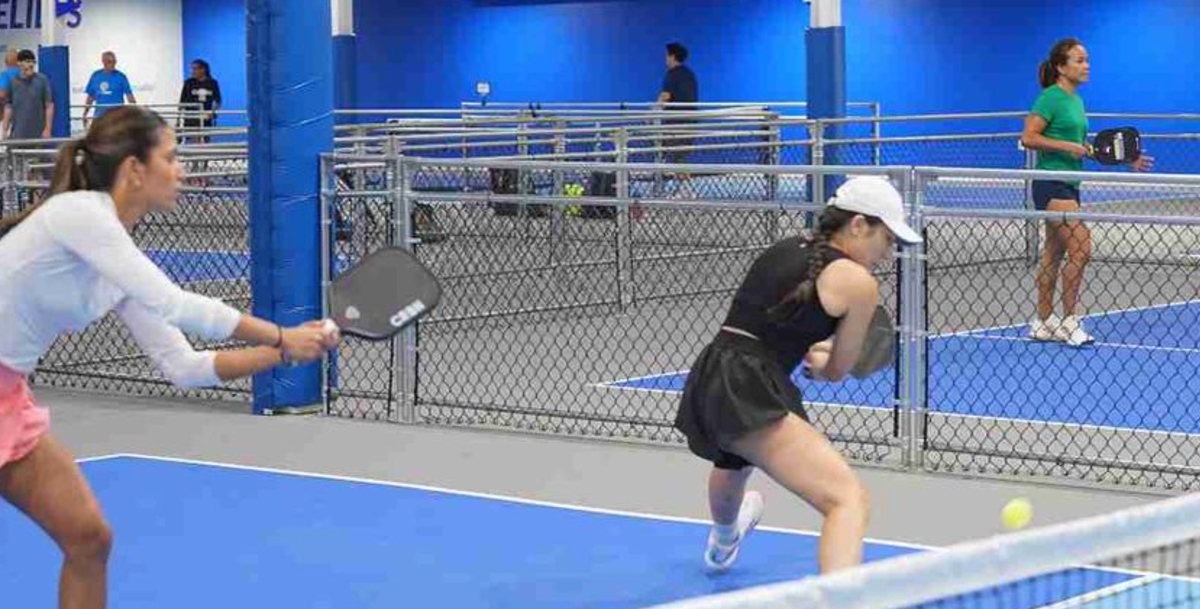
A flatter face sends the ball on a lower, faster line, exactly what you want when the target is a moving human being instead of a fixed spot on the court.
Players who drive the ball well already have this instinct.
Footwork matters just as much as the swing.
Stay balanced through contact instead of lunging, because a rushed body shot tends to sail high, and a high body shot is the one that actually starts an argument at the net.
The same paddle discipline that makes a slice dink so hard to read carries straight over here.
💡
Why Target the Body Instead of the Lines?
Because a line shot gives your opponent room to redirect. A body shot doesn’t. When the ball comes at an opponent’s ribs, their paddle has nowhere clean to go.
They either jam the return or pop it up, and a popped ball is a point waiting to be finished.
This is the same logic behind targeting an opponent’s weaker side instead of just hitting your best shot.
You’re not trying to overpower anyone. You’re trying to remove their options, one paddle angle at a time.
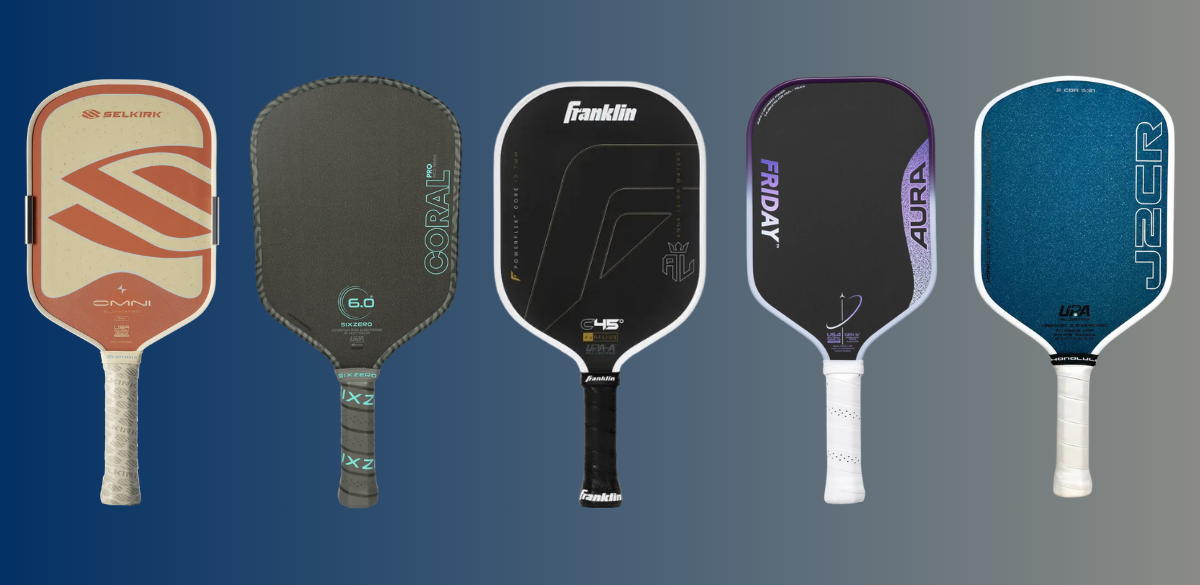
5 Ultimate All-Court Pickleball Paddles, Based on Lab Data
The team at JustPaddles crunched some key metrics to find the sweet-spot in performance across all three zones of the court
How to Hit a Body Shot in Pickleball on the Third Shot
The third shot is where most players either drop or drive, and a body shot lives in the middle of that decision.
Instead of a soft drop or hard cross-court drive, aim a firm, flat shot directly at the returning player’s midsection while they’re still moving forward.
Timing matters more than pace here.
Fire it while an opponent is still in a split step or moving toward the kitchen, and their paddle isn’t in position to handle it cleanly.
A slightly slower ball at the right moment beats a faster one at the wrong moment.
Pickleball Placement Strategy: Where to Aim Every Shot
Knowing where to aim in pickleball is the difference between winning and losing. Learn the exact placement strategy for every shot from serve to attack.
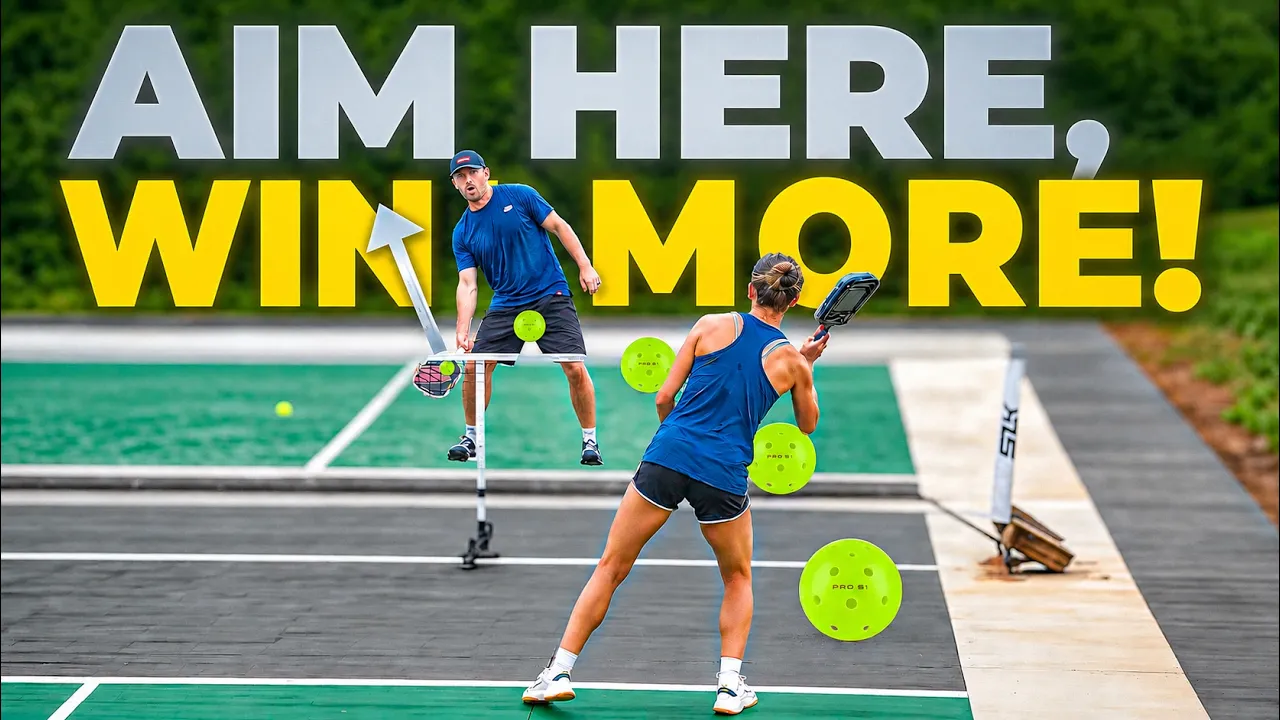
The Best Moments to Fire a Body Shot
Not every rally calls for it. The best windows show up during transition zone exchanges, when both players are moving and neither has full paddle control yet.
A body shot also works as a reset weapon in disguise.
If you’re stuck in a defensive dink exchange, a firm ball at the hip can force an error even when you can’t reset the point cleanly with a soft drop.
It’s a change of pace disguised as an attack.
Avoid firing body shots when an opponent is already backpedaling or off balance from a lob. At that point you don’t need precision.
A shot to open space finishes the point faster, and a different kind of reset works better once the point has already tilted in your favor.
How to Defend Against a Body Bag in Pickleball
The key is to let the ball do some of the work for you. Rather than generating your own power, you’re redirecting the incoming pace back toward your opponent.
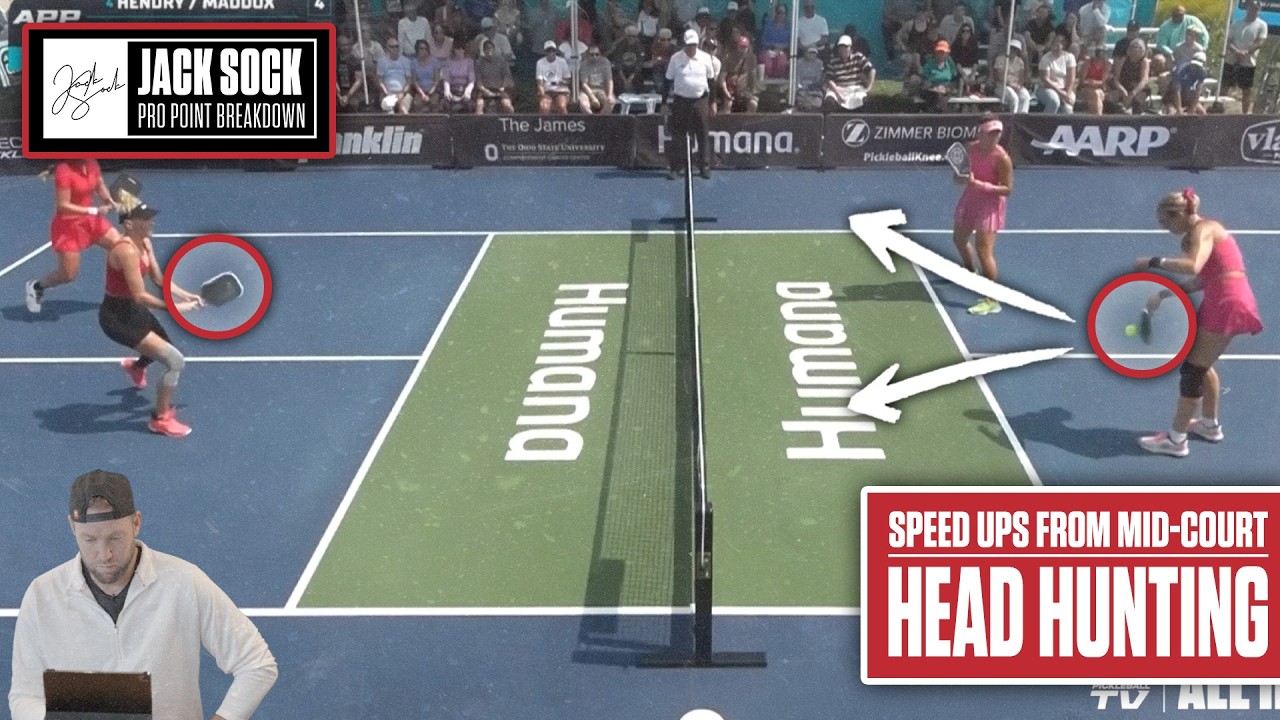
When a Body Shot Becomes Dangerous, Not Just Annoying
There’s a real line between smart targeting and something that gets you a dirty look at the net. Aim below the shoulders and away from the head, always.
A study published in the Journal of Sports Sciences in 2025 found reaction time for lateral paddle sports drops sharply once a ball is inside 15 feet, which is exactly why shots above the collarbone carry real injury risk at close range.
Keep body shots at chest height or lower whenever the opponent is inside the kitchen transition zone.
That precision is the same discipline behind an advanced serve near the kitchen line: control before pace, every time.
It’s not a rules requirement. It’s basic respect for the person on the other side of the net, and it keeps rec play fun instead of tense.
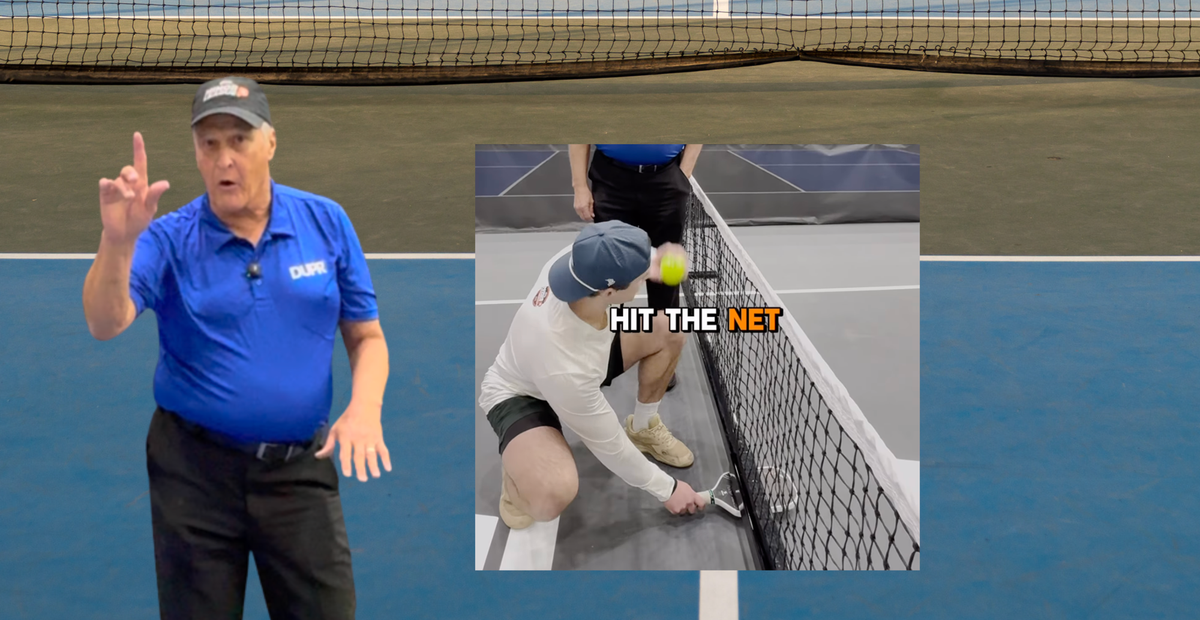
It’s Actually Legal to Hit This Shot from Underneath the Net
The net used to be a simple barrier between two sides of the court. Now it’s a place where players are finding loopholes and pushing the limits of what’s technically allowed.
How to Defend Against a Pickleball Body Bag Without Panicking
Getting hit with a pickleball body bag shot is annoying, not fatal to the point.
Turn your hip slightly toward the ball as it approaches so your paddle has a natural angle to block rather than a full swing.
Players who focus on becoming harder to attack train this exact reaction until it’s automatic.
Good positioning at the transition zone also shrinks how often you get caught flat footed.
If you’re squared up and balanced instead of drifting, a pickleball body bag becomes a block instead of a scramble.
Solid doubles strategy around the T and sideline keeps you from leaving your partner exposed twice in one rally.
And rethinking doubles as a unit closes the gaps body shots love to find.
Pro-Proven Tips for Defending a Heavy Overhead Smash
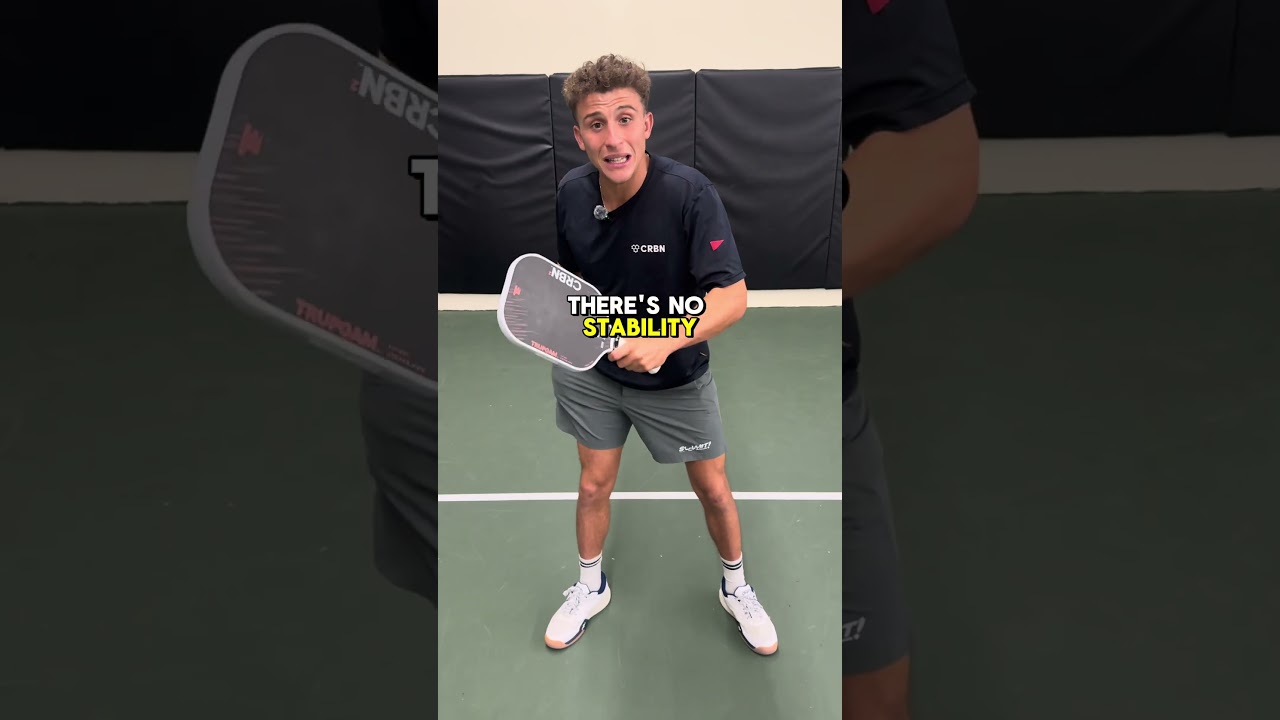
A simple pickleball defensive tip can transform how you handle aggressive smashes from your opponents. Using two hands instead of one gives you the stability needed to defend baseline attacks effectively.
Does Skill Level Change How to Hit a Body Shot in Pickleball?
Yes, quite a bit. Newer players often mishit body shots because their paddle prep is late, which turns a smart shot into a hard-hit gift.
As ratings climb, the margin for error shrinks fast, and opponents start anticipating the shot before contact even happens.
At higher levels, a pickleball paddle target becomes less about raw aim and more about disguise.
The best players load the same prep for a drop, a drive, and a body shot, so an opponent can’t cheat toward one option early.
That disguise is what separates a shot that scores from one that gets blocked, built the same way as tough dinking reps.
15 Quick Pickleball Tips to See Immediate Improvement
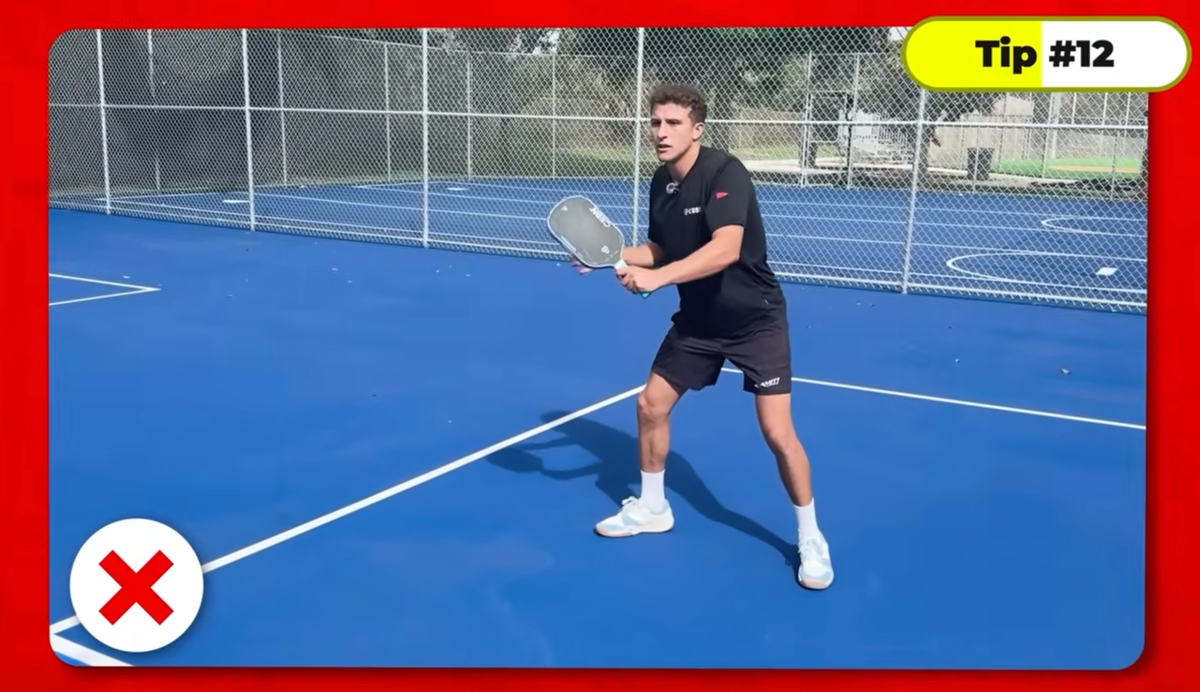
If you’re looking to level up without completely overhauling your game, these 15 tips are a solid starting point.
Drills That Improve Your Body Shot for Good
Reps beat theory here. Set up a partner drill where one player feeds progressively firmer balls at the midsection while the other works the hip turn block.
Ten reps a side, then switch, tracking how often the blocker pops the ball up versus keeping it low.
Next, work your drive technique specifically at a taped pickleball paddle target on your partner’s hip level, not the baseline.
Precision at that height translates directly to match play far more than raw drive speed off a bucket of balls.
Pair it with dinking work that sharpens your touch so you’re not one-dimensional.
A player who can only drive at the body becomes predictable fast, and predictable players lose to anyone paying attention.
The same is true for anyone who can only body shot and never mixes in a well timed ERNE to keep opponents honest.
Once the block and the drive both feel automatic, how to hit a body shot in pickleball stops being a conscious decision and starts being an instinct.
5 Pickleball Drills That Will Transform Your Game in 2026
Five simple yet powerful pickleball drills can completely reshape how you play. These mechanics focus on consistency, footwork, and positioning to help you see immediate results on the court.
Key Takeaways
- Learning how to hit a body shot in pickleball starts with geometry, not power: aim for the hip or sternum, where a paddle travels farthest.
- The shot is fully legal below the neck, confirmed by the official USA Pickleball rulebook.
- The best windows are during transition zone exchanges and defensive resets, not when an opponent is already scrambling.
- Keep shots at hip height or lower out of respect and safety inside the kitchen transition.
- Defending a pickleball body bag comes down to a quick hip turn and solid positioning, the same shift in thinking covered in rethinking doubles entirely.
One more thing before the questions roll in: the footwork discipline behind a clean body shot is the same discipline that makes a good lob so effective.
Master one and the other gets easier.
💡
Frequently Asked Questions
Is it legal to hit someone with the ball in pickleball?
Yes. There’s no rule against a ball contacting an opponent’s body during live play. The only fouls involve footwork, paddle contact with the net, or the ball landing out of bounds, not where it strikes a player.
What is the best way to learn how to hit a body shot in pickleball fast?
Start with slow-paced partner drills aimed at the hip and sternum, then add pace once your target stays consistent. It’s the same patient buildup covered in third shot drop practice: speed without accuracy just turns into an easy block for your opponent.
Why do pros aim at the body instead of the lines?
Because a body shot removes an opponent’s paddle options. A line shot leaves room to redirect. A ball at the hip or ribs forces a jam or a pop up, which is a much easier point to finish.
Is a body shot considered poor sportsmanship?
Not when it’s aimed responsibly. Targeting the torso or hip is standard strategy at every level of competitive play, the same competitive edge that shows up on doubles day at any rec center. Aiming above the shoulders at close range is where it crosses into unnecessary risk.
How do you defend against a pickleball body bag?
Turn your hip slightly toward the incoming ball to create a natural blocking angle instead of swinging fully. Staying balanced in the transition zone cuts down how often you get caught off guard, and pairing that with strong dinking touch rounds out a complete defensive game.
Nguồn: thedinkpickleball