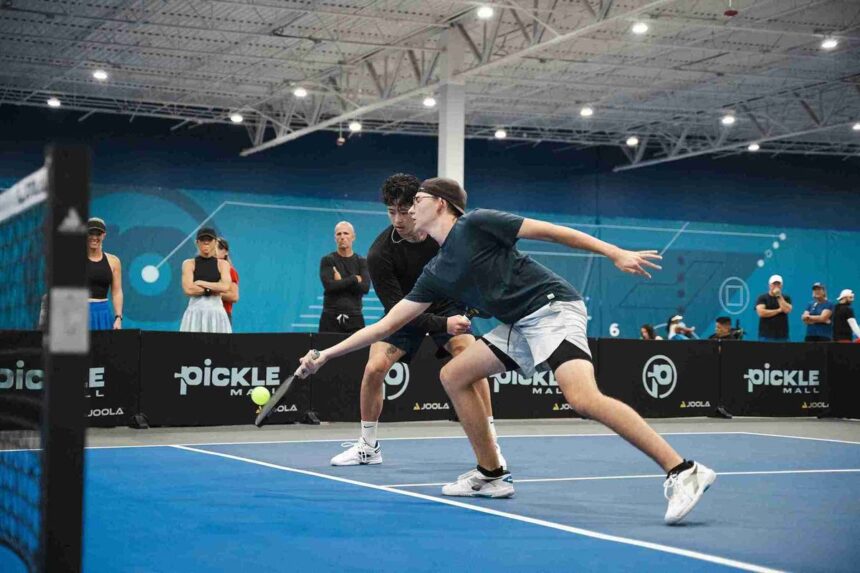
Wondering what a dink is in pickleball and why everyone talks about the soft game? This guide explains the dink in plain English, breaks down kitchen rules, shot types, and beginner technique, and shows you how to turn this simple shot into your biggest strategic weapon.
If you’re new to the sport, one of the first questions you’ll ask is simple: what is a dink in pickleball and why does everyone at your local courts talk about “working on their dinks”?
A pickleball dink is the soft shot that turns frantic rallies into controlled chess matches and separates casual hitters from smart, strategic players.
Think of the dink as the beating heart of the soft game in pickleball.
When you can consistently hit a good dink, you can slow the point down, pull hard hitters into the kitchen, and set up easy put-aways instead of just reacting to their power.
Love pickleball? Then you’ll love our free newsletter. We send the latest news, tips, and highlights for free each week.
What Is a Pickleball Dink? (Clear Definition)
Let’s get precise.
A pickleball dink is a soft shot hit after the bounce or out of the air from near the non-volley zone line that arcs over the net and lands in your opponent’s non-volley zone.
Official guidance describes it as a soft shot hit on a bounce or out of the air from the NVZ, intended to drop within the opposing NVZ, either straight across or diagonally crosscourt.
The three key elements that define what a dink is in pickleball are: it is soft, it is hit off the bounce or out of the air, and it lands in the kitchen.
Keeping that ball low so your opponent has to hit up on their next shot is the whole point.
Understanding NVZ fundamentals gives you a sharper picture of why the dink is designed the way it is.
Once those basics click, the shot itself starts to make total sense.
Why the Pickleball Dink Matters So Much
A lot of beginners assume the game is all about power.
But the data and coaching resources say otherwise: the dink is one of the most fundamental and important shots in pickleball.
When you understand what a dink is in pickleball and why it exists, you see the game differently.
Here’s what a good pickleball dink does for you:
- Neutralizes bangers: By keeping the ball low and short, you take away your opponent’s ability to swing big and drive every ball. If you’ve ever struggled against hard hitters, learning to beat bangers in pickleball starts with mastering this exact shot.
- Forces mistakes: Low, soft dinks into the kitchen make your opponent hit up, which leads to balls in the net or pop-ups you can punish. The most common pop-up spots in pickleball are almost always created by a well-placed dink.
- Buys you time: Dinking rallies slow the point down, giving you time to get to the kitchen line and position yourself with your partner.
Coaching organizations emphasize that players should be willing to dink patiently until they get a truly attackable ball, rather than forcing a winner too early.
Patience at the net is not passive. It’s a weapon.
💡
The Kitchen: Where Pickleball Dinks Live
You can’t fully answer what is a dink in pickleball without talking about the kitchen, also known as the non-volley zone (NVZ).
The kitchen is a 7-foot strip on each side of the net, running the full width of the court, and the lines are part of this zone.
You’re allowed to step into the kitchen at any time, but you cannot volley (hit the ball out of the air) while inside or touching this zone, or it’s a fault.
If you want the full breakdown of what you can and can’t do in there, the essential non-volley zone rules explained is worth a read.
Most classic pickleball dinks are hit from just behind your own kitchen line, after the ball bounces, and are aimed to land deep or short in the opponent’s kitchen.
You can step into your kitchen to play a dink off the bounce if needed, as long as you’re not volleying while you’re in there.
The 2026 USAP rule changes include some nuances around NVZ play that are worth reviewing so you’re not caught off guard during a competitive match.
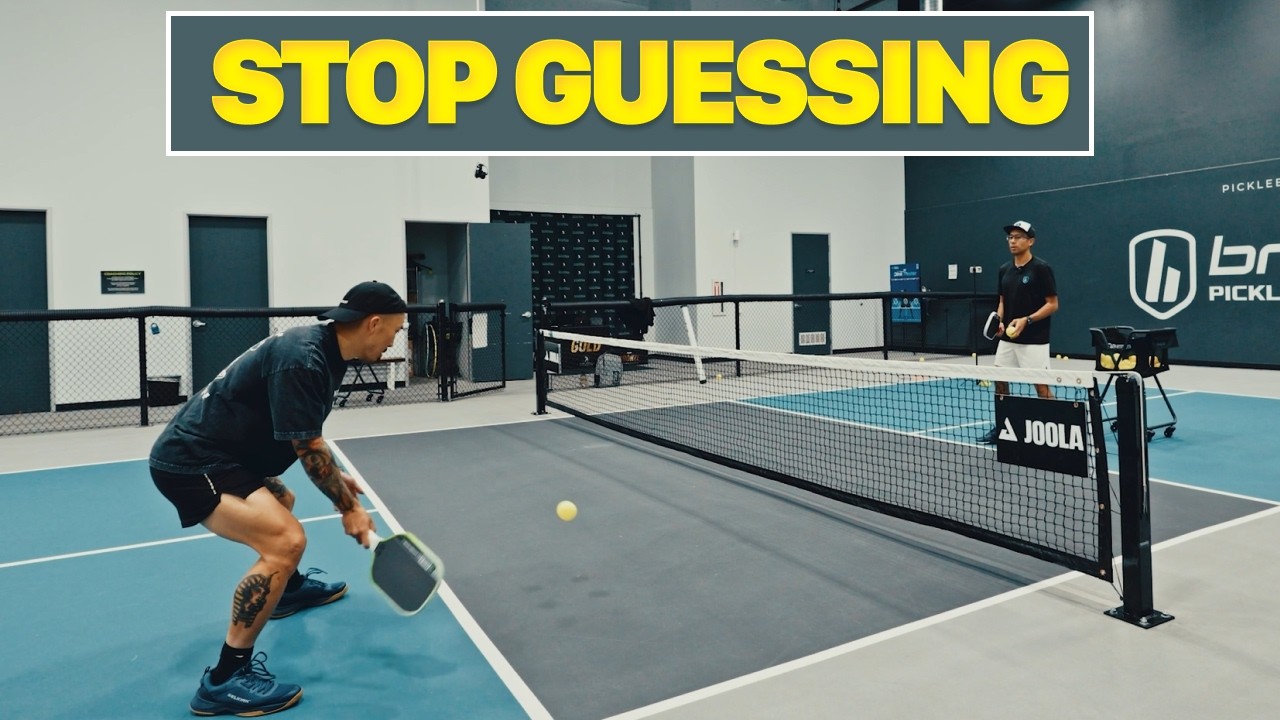
Master the Kitchen Dink: Pro Tips for Better Play
The kitchen dink is the foundation of modern pickleball strategy. Master depth control, target placement, and counter-anticipation to dominate at the net.
Types of Pickleball Dinks (Soft Shot Variations)
Once you know the basic answer to what is a dink in pickleball, the next step is to understand the main variations you’ll see and use.
Coaches and pro tutorials commonly break them into a few categories.
Forehand Pickleball Dink
The forehand dink is played with your palm facing forward on your dominant side and is usually used for balls that land slightly to that side of your body. It’s often the first dink beginners learn because it feels natural and offers good control crosscourt. If your forehand dink keeps popping up, this 5-minute forehand dink fix from a pickleball pro is a quick and specific solution.
Backhand Pickleball Dink
The backhand dink is played with the back of your hand facing forward and is crucial for handling balls in the middle or on your non-dominant side. Strong players can switch between forehand and backhand dinks seamlessly to cover the entire kitchen with confidence. For a closer look at pro-level execution, learn how to hit a pro-level backhand dink like James Ignatowich.
Mastering both sides is what separates players who dink well from players who dink great.
Slice (Backspin) Dink
A slice dink uses a slightly open paddle face and a gentle downward brushing motion to put backspin on the ball. That backspin makes the ball float a bit longer then skid low after bouncing, making it more difficult for opponents to attack aggressively. Interestingly, professional pickleball players largely abandoned the slice shot in 2025 at the tour level, though it remains highly effective for recreational and competitive amateur play. The pros have reasons; you can decide what works at your level.
You can also perfect the backhand slice dink with these 3 essential tips if you want to add this variation to your game right now.
Topspin Dink
A topspin dink adds a light low-to-high brushing motion, creating a bit of topspin so the ball can dip quickly over the net and “grab” the court. This is more common at intermediate and advanced levels, where players mix in slightly more aggressive dinks while staying in control. Topspin dinking is one of the shots covered in-depth in 6 essential pickleball shots to master for 2026.
Dead Dink vs. Pressurized Dink
Some advanced instruction distinguishes a very soft, almost spin-free dead dink from a slightly firmer pressurized dink. A dead dink barely has enough energy to clear the net and drop near it, while a pressurized dink still stays low but is used to push or move an opponent out of position. Knowing when to use each one is part of modern kitchen strategy and offensive tactics.
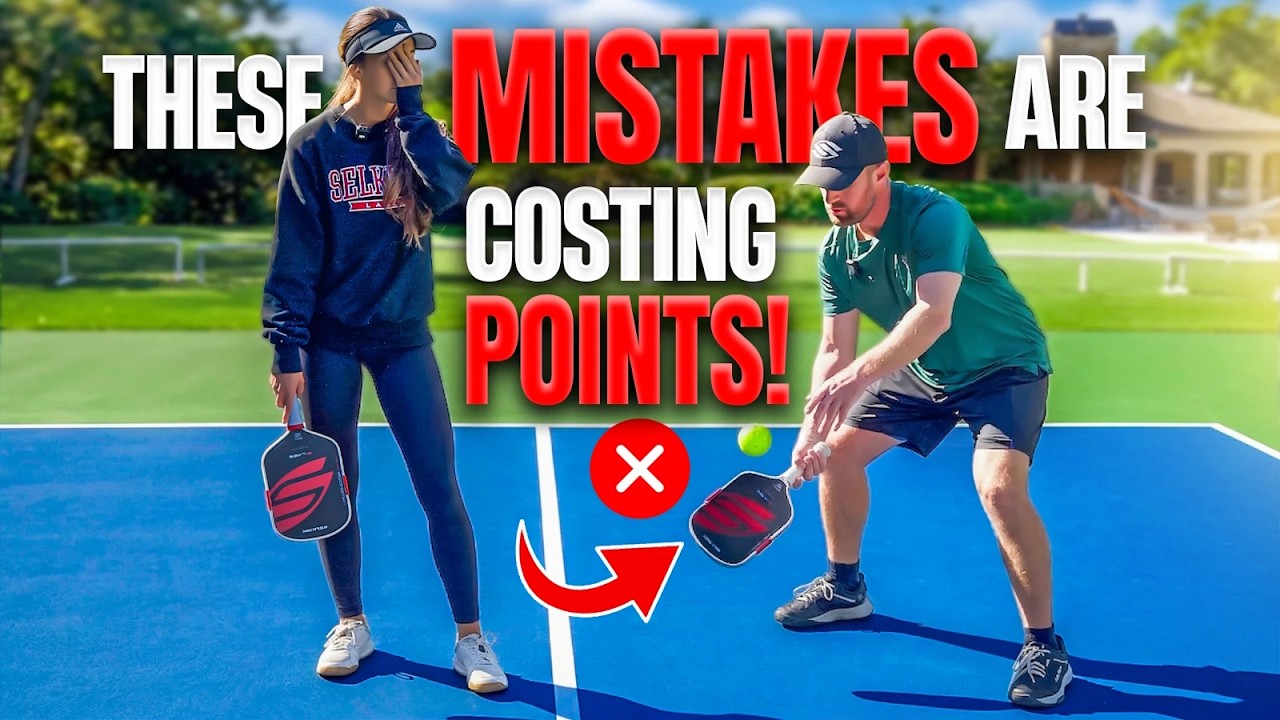
Master the Pickleball Dink: 5 Essential Shots
Your pickleball dink game is either winning you points or gifting them away. Master these 5 essential pickleball dink shots and learn exactly when to deploy each one based on the ball you receive.
How to Hit a Pickleball Dink (Beginner Technique)
Now that you know what a pickleball dink is, here’s how to actually hit one.
Multiple instructional guides and national organizations agree on a few core fundamentals.
1. Use the Right Grip and Light Pressure
Most coaches recommend a continental or “shake-hand” grip so you can easily handle both forehand and backhand dinks. Keep your grip pressure light, often described as 2-3 out of 10, to soften the ball and improve touch on contact. This one adjustment alone eliminates most dink errors for beginner and intermediate players.
2. Set a Solid Ready Position at the Kitchen Line
Stand just behind the kitchen line with your knees slightly bent, feet about shoulder-width apart, and your paddle up in front of your chest. This ready position helps you respond quickly to fast dinks and stay balanced in both directions. The 2 essential pickleball techniques you’re missing at the kitchen line builds directly on this foundation.
3. Move Your Feet, Not Just Your Arms
Good dinking starts from the ground up. Move your feet so the ball stays in front of your body at about knee to waist height rather than reaching. Let the ball drop slightly after the bounce and make contact as it falls, instead of taking it high and popping it up.
The 12 drills you need to play your best pickleball in 2026 includes several reps specifically targeting this footwork pattern at the kitchen.
4. Keep the Swing Short and Controlled
Use a small, compact swing with motion mostly from your shoulder, and avoid big backswings or wrist flicks. Keep the paddle face slightly open and gently guide the ball over the net rather than hitting it hard. A short, controlled swing is the single most consistent indicator that separates players who hold dink rallies from players who end them early with errors.
5. Aim Low and Into the Kitchen
Pick a clear target in the opponent’s kitchen, often the front half near the net or their feet, and aim for a trajectory that just clears the net. Many coaches advise imagining a small “window” above the net that every dink must pass through. If you want to understand exactly where to aim for maximum pressure, cornering the ball is the real reason your dinks pop up and this piece explains the targeting concept well.
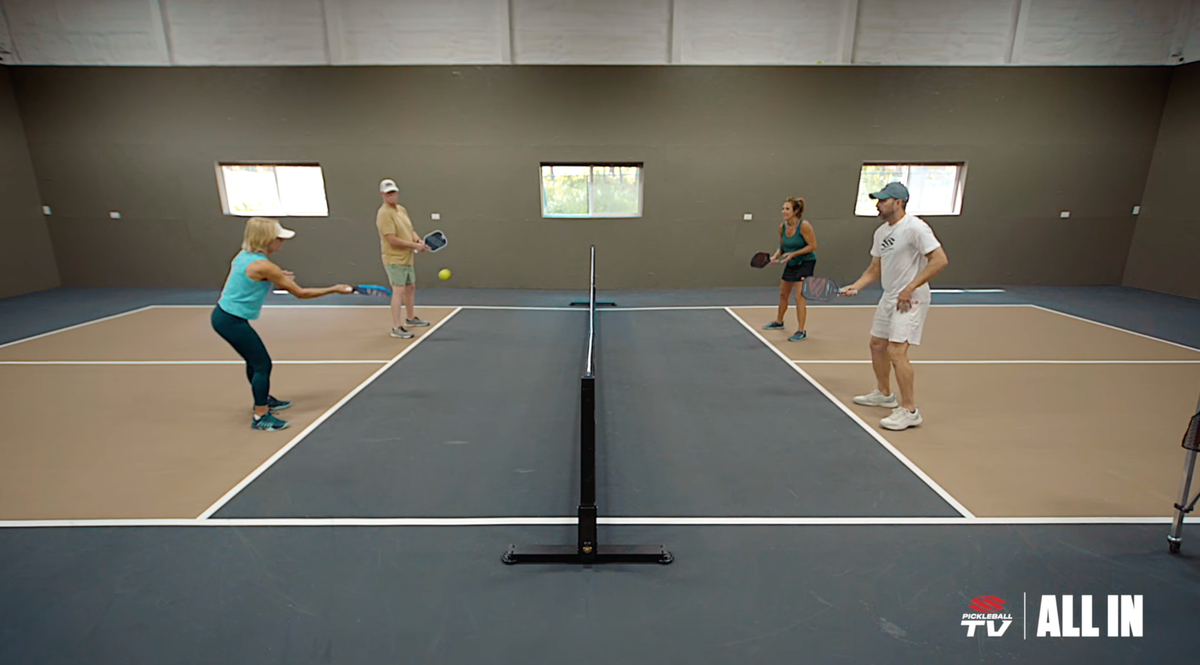
Pickleball Dinking 101: Small Swings, Big Results
You’re not trying to hit winners from the kitchen. You’re trying to create situations where your opponent makes a mistake or gives you a ball you can attack
Basic Pickleball Dink Strategy (How to Use It to Win)
Understanding what a dink is in pickleball is one thing; using it intelligently is another.
Strategy content and coaching emphasize a few simple principles for beginners.
- Default to crosscourt. Crosscourt dinks travel over the lower center of the net and give you more margin for error and distance to work with. For a deeper breakdown of the geometry, how to execute the perfect crosscourt attack covers the angles that make this the gold-standard dink target.
- Keep it unattackable first. Your number one job is to keep your dinks low enough that your opponent cannot comfortably hit down on the ball. If the ball is above your opponent’s waist, you’ve given them a weapon. Keep it below the tape.
- Move your opponent gradually. Once you’re consistently keeping the ball low, you can start using angles and depth to move your opponent wide or test their weaker side. A simple 4-step system to win more pickleball games in 2026 lays out exactly how to sequence this kind of pressure.
- Stay patient at the kitchen. Official and coaching resources stress that players should be comfortable with long dink rallies and wait for a clear opportunity to attack. The power of patience and pressure to win points is something the pros understand intuitively. Most amateur mistakes at the kitchen come from impatience, not poor mechanics.
When you combine patience, smart targets, and solid mechanics, your pickleball dink becomes a true weapon, not just a defensive bailout shot.
If you want to see what happens when you level up from here, the 5 pickleball shots you must master before 2026 puts the dink in context alongside every other skill you need.
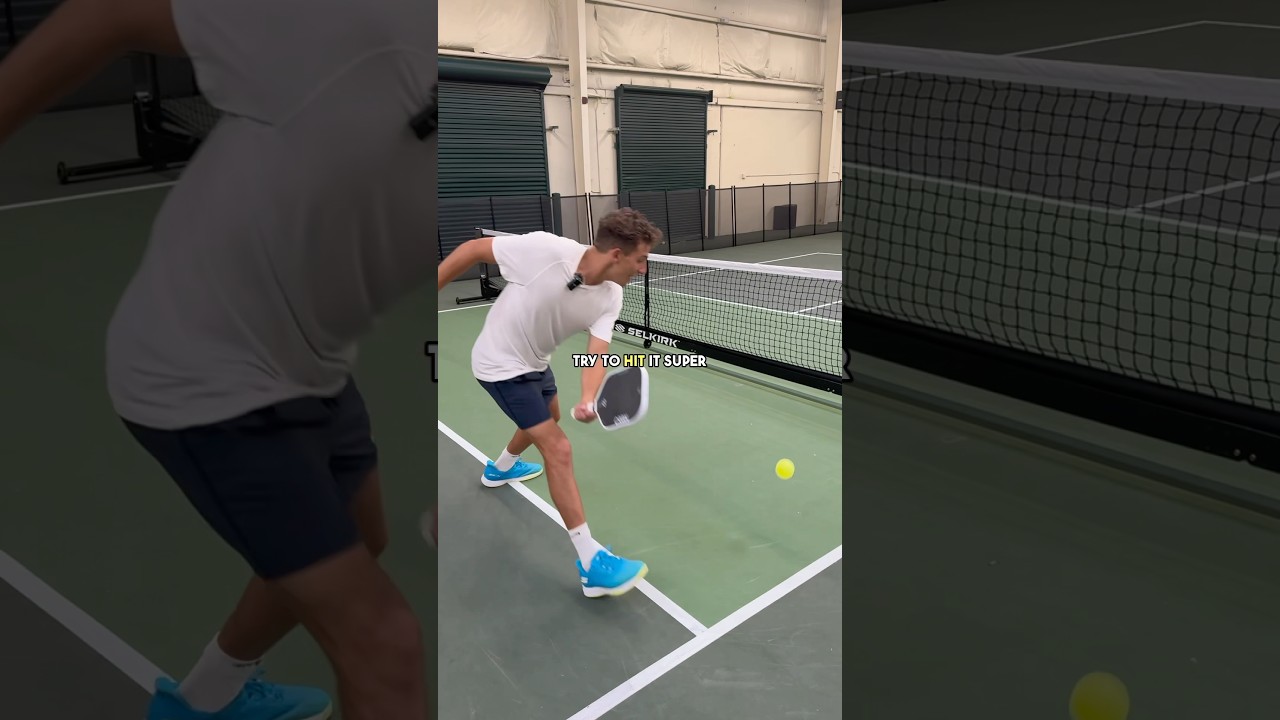
Pickleball Dink Strategy: Master the Neutral Game
This approach might not feel as satisfying as crushing a winner, but it’s far more effective. Over time, this mentality will show up in your win-loss record.
Key Takeaways
- A pickleball dink is a soft shot that arcs just over the net and lands in the opponent’s non-volley zone (the “kitchen”), staying low and hard to attack.
- Most dinks are hit off the bounce from near your own kitchen line and are designed to force your opponent to hit up on the ball.
- Effective dinking relies on light grip pressure, compact swings, and smart targets, especially crosscourt into the opponent’s kitchen corner.
- The main dink types include forehand, backhand, slice, topspin, and dead (extra-soft) dinks, each with a specific purpose.
- Mastering dinks is one of the fastest ways to improve your game, because it controls pace, reduces errors, and sets up easy finishing shots.
💡
Frequently Asked Questions
What is a pickleball dink in simple terms?
A pickleball dink is a soft shot hit after the bounce from near your non-volley zone line that just clears the net and lands in your opponent’s kitchen, staying low so it’s hard to attack. It’s designed more to control the rally than to hit an immediate winner.
Is a pickleball dink always in the kitchen?
In common usage and official descriptions, a true dink refers to a soft shot that lands in the opponent’s non-volley zone. You can hit other soft shots elsewhere on the court, but when players ask “what is a dink in pickleball,” they usually mean this specific soft kitchen shot.
What’s the difference between a drop shot and a pickleball dink?
A third-shot drop is a soft, arcing shot typically played from near the baseline that lands in the kitchen, helping you advance to the net. A dink is usually played from up at the kitchen line, after the bounce, as part of a soft, short exchange near the net. Both are soft shots, but they’re hit from different parts of the court and used at different moments in the rally.
How do I stop popping up my dinks?
Common causes of popped-up dinks include swinging too big, gripping the paddle too tightly, and making contact too high. To fix it, shorten your swing, relax your grip, let the ball drop to a lower strike zone, and focus on guiding the ball instead of hitting it. Most players fix this within a single session once they identify which of the three causes is driving their errors.
Can mastering dinks really improve my game that much?
Yes. Instructional resources and national organizations consistently highlight dinking as a critical skill for improving control, reducing errors, and winning more points. When you know exactly what a pickleball dink is and can execute it under pressure, you’ll find yourself winning more kitchen battles, forcing more errors, and feeling far more in control of rallies.
Nguồn: thedinkpickleball