Mari Humberg breaks down her complete dinking drill sequence, revealing the exact drills she uses every single day to build consistency and control. From 100-rep consistency challenges to competitive dinking games, this is the blueprint for serious pickleball training.
If you want to understand what separates good pickleball players from great ones, you need to understand the dinking drill.
It’s not flashy. It won’t win you points on social media.
But it’s the foundation that Mari Humberg, one of the sport’s most respected players, builds her entire training day around.
In a recent video, Humberg walks through her complete drilling sequence, breaking down the exact drills she performs every single morning before she ever steps foot in a competitive match.
The message is clear: if you’re serious about pickleball, you need to be serious about dinking.
Love pickleball? Then you’ll love our free newsletter. We send the latest news, tips, and highlights for free each week.
Why Does the Dinking Drill Matter So Much?
Here’s the thing: most players think drilling is boring. They’d rather jump straight into games, hit winners, and feel like they’re improving.
But Humberg has built her career on the opposite philosophy.
She treats the dinking drill like a professional athlete treats their warm-up routine. It’s non-negotiable.
The reason is simple. Dinking is the most important shot in pickleball.
It’s the shot that controls the point, sets up your opportunities, and keeps your opponent from attacking.
If you can’t dink consistently under pressure, you can’t win at higher levels. That’s not opinion. That’s the sport.
Humberg’s preferred training schedule tells you everything you need to know about her priorities.
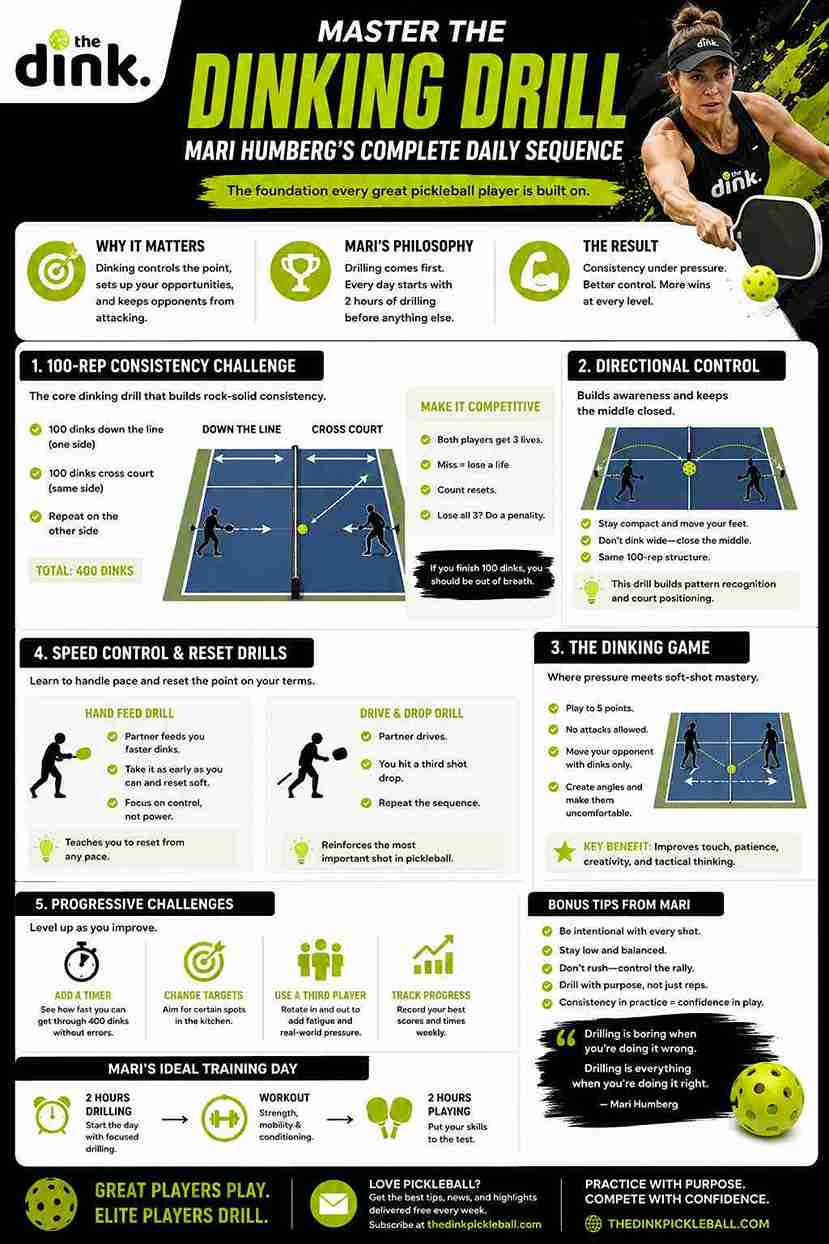
If she could design the perfect day, it would look like this: a two-hour drilling session in the morning, a two-hour playing session in the afternoon, and a workout somewhere in between.
Notice what comes first. Not games. Not competition. Drilling.
The 100-Rep Consistency Challenge: The Core Dinking Drill
The foundation of Humberg’s dinking drill sequence is what she calls the consistency drill.
The goal is simple but brutal: hit 100 dinks in a row down the line, then 100 across court, then repeat on the other side.
That’s 400 consecutive dinks with zero errors.
Now, before you think that sounds easy, understand what “consistency” actually means here. It’s not just hitting the ball over the net.
It’s hitting the ball with intention. Humberg emphasizes getting low, moving your feet, and resetting your position after every single shot.
If you’re just standing there trading dinks, you’re wasting your time.
This is exactly the #1 mistake killing your shot-making consistency in pickleball that most recreational players never fix.
💡
How She Adds Competitive Pressure to a Dinking Consistency Drill
To keep things from getting completely monotonous, she adds a competitive element. Both players get three lives.
Every time someone misses, they lose a life and the count resets.
The player who loses all three lives has to do a penalty (she calls it “butts up,” though the exact penalty isn’t as important as the pressure it creates). This turns a mechanical drill into something that actually mimics match conditions.
The result? When you finish 100 dinks, you should be out of breath.
- Your legs should be tired.
- Your mind should be sharp.
That’s when you know you’ve done it right.
Pickleball Dinking Technique: The Complete Beginner’s Guide
This guide breaks down everything you need to know about proper dinking form, grip, stance, and drills to dominate at the kitchen line.
Building Directional Control With the Dinking Drill
Once you’ve crushed the down-the-line dinking drill, the next phase is directional variation.
Humberg moves to cross-court dinking, and here’s where a lot of players make a critical mistake.
When you’re dinking cross-court, the temptation is to come out wide and stay wide. But that leaves the middle of the court completely exposed.
Your opponent can just hit a dink down the middle and you’re scrambling.
Humberg is meticulous about this. She stays compact, moves her feet, and keeps the middle closed off.
If you’re not doing that, she says, you’re not really doing the drill.
Learning to recognize your court position to hit the right pickleball shot every time is the underlying skill this trains.
The same 100-rep structure applies here. Down the line on one side, cross-court on the same side, then repeat on the other side.
By the time you’ve finished all four directions, you’ve hit 400 dinks and you’ve built directional awareness that actually transfers to match play.
Why Directional Variation Builds Pattern Recognition
This is where the dinking drill becomes more than just repetition. It becomes pattern recognition.
- Your body learns where to position itself.
- Your feet learn the footwork.
- Your mind learns to anticipate where the next shot is coming from.
If your forehand side needs extra attention, your forehand dink needs work: here’s a 5-minute fix from a pickleball pro is worth reading alongside this sequence.
The combination of directional drilling and targeted technique work compounds fast.
Pickleball Dink Rallies: When to Change Direction for Tactical Advantage
If you’re stuck in a crosscourt dink exchange and things aren’t going your way, it might be time to redirect that ball to the middle of the court and reset the rally in your favor.
The Dinking Game: Where Pressure Meets Soft-Shot Practice
Here’s where things get interesting. After you’ve done your consistency work, Humberg moves to what she calls the dinking game.
This is where you and your partner actually play against each other, trying to win points, but with one crucial rule: no attacks allowed.
No matter how high the ball goes, you can’t hit an aggressive shot.
You can only dink. This sounds limiting, but it’s actually genius.
It forces you to develop touch, control, and the ability to manipulate your opponent’s position using only soft shots.
Humberg plays to five points, and she goes all out.
She’s trying to move her partner around the court, create angles, and set up situations where her opponent is uncomfortable.
But she’s doing it all with dinks.
- The pressure is real.
- The competition is real.
But the shot selection is limited in a way that forces you to master the fundamentals.
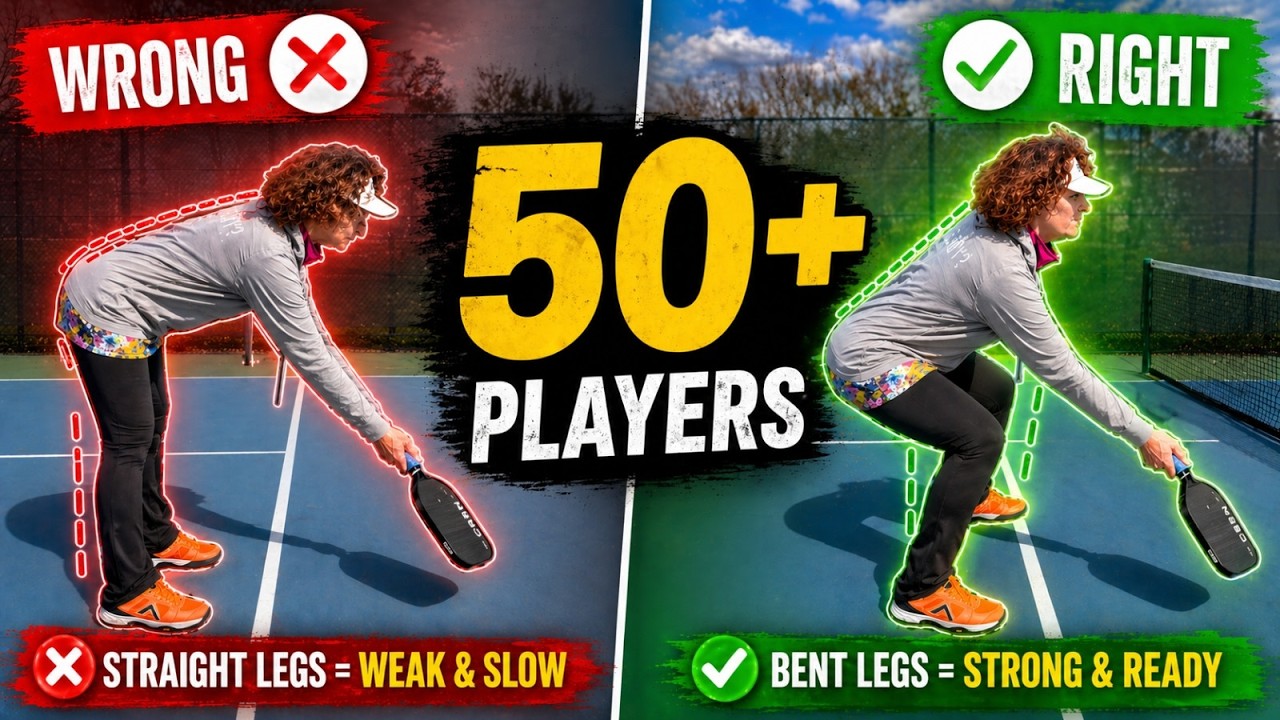
Pickleball Dinking Over 50: 3 Essential Tips for Seniors
The pickleball dink is the foundation of kitchen dominance, but most players over 50 are missing three critical pieces that separate consistent dinking from endless pop-ups. C.J. Johnson from Better Pickleball breaks down exactly what those pieces are and how to put them together.
How Pickleball Soft Game Training Transfers to Real Matches
What’s fascinating is how this translates to actual match play.
When you’re in a real game and you have the option to attack, you’re actually more dangerous because you’ve spent so much time learning how to control the point with soft shots.
- You understand positioning.
- You understand angles.
- You understand how to make your opponent uncomfortable without hitting winners.
Players who master soft game skills consistently outperform harder-hitting opponents at the advanced level because they control the pace of the entire rally.
According to NBC Sports’ coverage of competitive pickleball, the soft game remains the defining separator between 4.0 and 5.0-level play.
Smart shot decisions beat power in advanced pickleball almost every time.
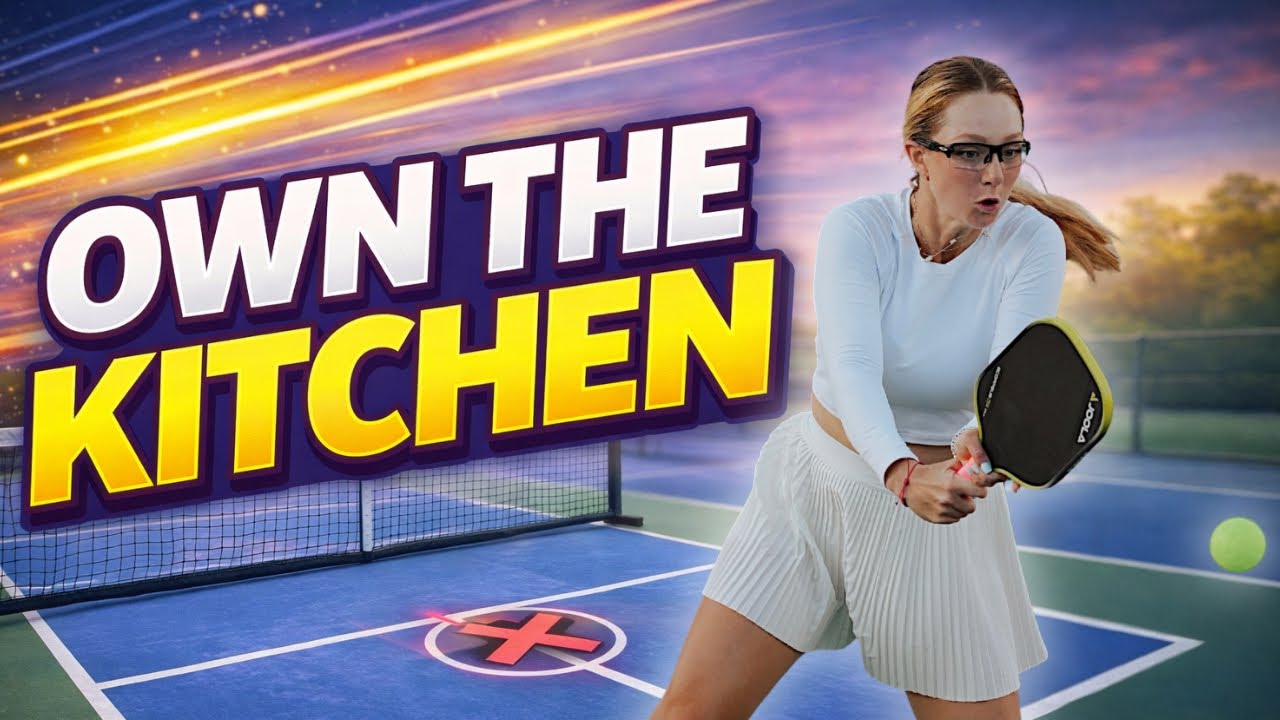
Master the Kitchen Shot in Pickleball
Most pickleball players struggle at the kitchen because they’re hitting the wrong shot. A pro coach breaks down the four essential kitchen shot techniques you need to know to dominate at the net and start winning more points.
The Philosophy Behind the Grind
Humberg makes an important point that a lot of players miss.
- She actually enjoys drilling.
- She doesn’t see it as punishment or a necessary evil.
- She sees it as the core of her training.
This is a mindset shift that separates serious players from casual ones. Drilling isn’t something you do because you have to.
It’s something you do because you understand that’s where improvement actually happens.
Games are where you test what you’ve learned. Drilling is where you learn it.
The other thing worth noting is that Humberg does these drills with partners, not just with a ball machine.
She mentions doing two-person, three-person, and even four-person drilling sessions.
The ball machine is useful, sure, but there’s something about drilling with another person that creates accountability and variation that a machine can’t replicate.
When you’re drilling with a partner, they’re going to hit shots slightly differently than a machine.
- They’re going to have off days.
- They’re going to push you in ways you don’t expect.
That’s actually valuable. That’s real preparation.
If you want to understand the simple reason 95% of pickleball players plateau, it usually comes down to this exact issue: they skip the drilling and go straight to games.
The players who do the work in practice are the ones who improve the fastest.
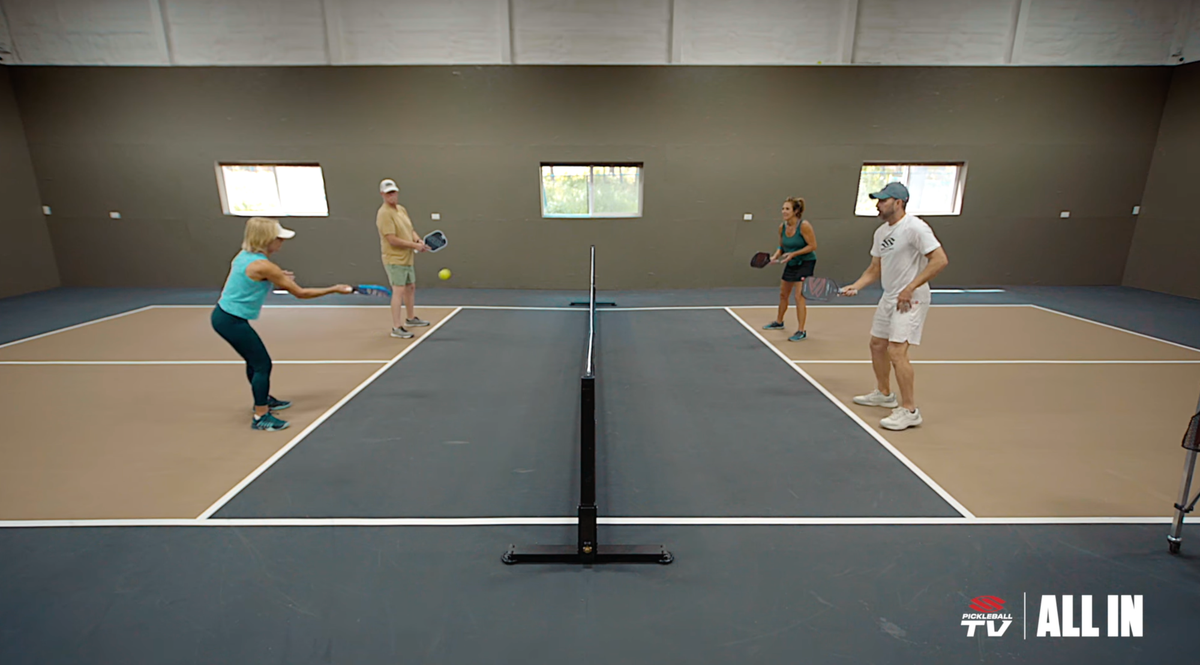
Pickleball Dinking 101: Small Swings, Big Results
You’re not trying to hit winners from the kitchen. You’re trying to create situations where your opponent makes a mistake or gives you a ball you can attack
How to Build Your Own Dinking Drill Routine
If you’re looking to implement Humberg’s dinking drill approach into your own training, here’s what matters most:
- Start with a warm-up. Seriously. Don’t jump straight into 100 reps or you’ll hurt your back or knees. Get your body ready first.
- Then commit to the consistency work. Pick a number that challenges you but is achievable. Humberg does 100, but depending on your level, you might start with 30 or 50. The number matters less than the consistency and intention.
- Move through directional variations. Down the line, cross-court, repeat on the other side. This builds the muscle memory and court awareness you need. The 12 drills you need to play your best pickleball in 2026 pairs perfectly with this sequence as a broader training framework.
- Finish with competitive dinking games. Play to a small number (five points is good) and actually try to win. This is where the pressure element comes in.
The whole sequence should take about 30 to 45 minutes, depending on your level and how many reps you’re doing.
By the end, you should feel like you’ve had a real workout.
You should feel prepared for match play.
What Beginners and Intermediate Players Should Adjust
Not every player is starting from the same place.
If you recognize yourself in these 5 signs you’re still an intermediate pickleball player, start with shorter rep targets and work your way up rather than forcing the full Humberg sequence from day one.
The 2 essential pickleball techniques you’re missing at the kitchen line are also worth studying before you run this full dinking practice session.
Technique issues compound during high-rep drilling if they go uncorrected.
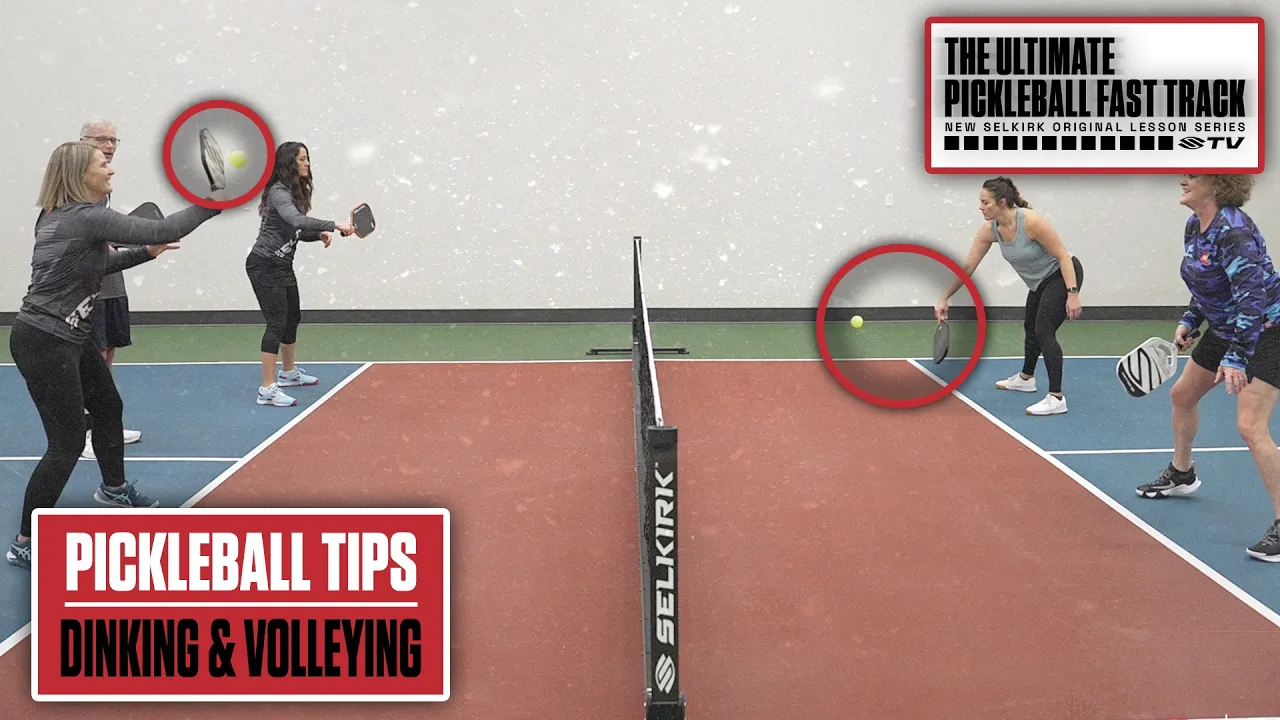
Advanced Pickleball Dinking: Pro Techniques for Kitchen Control
Pickleball dinking isn’t about power—it’s about precision and control. Master the fundamentals that separate beginners from competitive players.
The Bigger Picture: Dinking Drills and Pickleball Improvement
What Humberg is really teaching here is that pickleball improvement isn’t mysterious.
It’s not about having some secret technique or some special equipment. It’s about doing the fundamentals over and over again with intention and pressure.
The dinking drill is the vehicle for that. It’s simple enough that anyone can do it. It’s scalable enough that you can adjust it to your level.
And it’s effective enough that if you do it consistently, you will get better.
The players who complain that they’re not improving are usually the ones who aren’t drilling.
They’re the ones who want to jump straight to games and competition. But that’s backwards.
You build the foundation in drilling. You test it in games.
If you’re ready to take the full picture further, a simple 4-step system to win more pickleball games in 2026 shows you how to translate drilling gains into actual match wins.
Understanding the pickleball plateau and how to break through it is the next read for anyone serious about leveling up.
As CBS Sports has covered in their pickleball features, players who drill consistently at the amateur level mirror the habits of the sport’s top professionals.
💡
Frequently Asked Questions
How many dinks should I aim for in my dinking drill consistency challenge?
Mari Humberg does 100 dinks in each direction, but that’s her level. If you’re newer to pickleball, start with 30 or 50 and work your way up. The key is that you’re hitting with intention and proper footwork, not just getting the ball over the net. Quality matters more than quantity.
Can I do dinking drills alone with a ball machine?
Yes, a ball machine is useful for dinking drill practice, and Humberg mentions using one. However, drilling with a partner is more valuable because they create variation and accountability that a machine can’t replicate. If possible, find a drilling partner.
How often should I do dinking drills?
Humberg does dinking drills every single day as part of her morning routine. For most players, three to four times per week is a solid starting point. The consistency matters more than the frequency, so pick a schedule you can actually stick to.
What’s the difference between a dinking drill and a dinking game?
A dinking drill focuses on consistency and technique with a partner who’s cooperating with you. A dinking game is competitive, where you’re actually trying to win points against your partner, but you’re still limited to dinking shots only. Both are valuable for different reasons.
Should I do dinking drills before or after playing matches?
Humberg does her drilling in the morning before any match play. This is when she’s fresh and can focus on technique and consistency. Save match play for the afternoon when you’re testing what you’ve learned in drilling.
Nguồn: thedinkpickleball