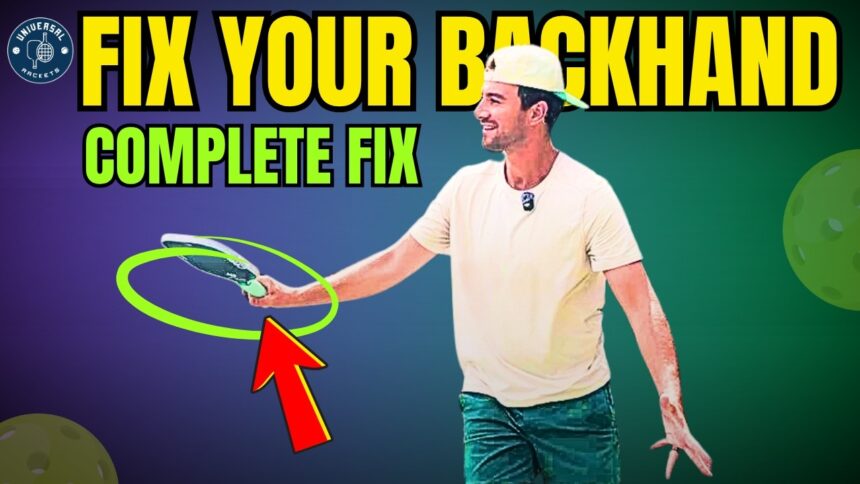
Your backhand technique doesn’t have to be a liability. Universal Rackets breaks down the exact mechanics, drills, and mindset shifts that transform your backhand from your weakest shot into your most reliable weapon on court.
Most pickleball players avoid their backhand at all costs. They run around it, they fear it, and honestly, they refuse to hit it.
But here’s the thing: your backhand technique doesn’t have to be a weakness.
In fact, once you understand the mechanics, it can become your most reliable shot on the court.
Universal Rackets, a leading pickleball coaching channel, recently released a comprehensive breakdown of backhand fundamentals that addresses why so many players struggle and exactly how to fix it.
The video walks through three essential backhand shots (the drive, the drop, and the dink) and reveals that most problems stem from a single issue: players simply aren’t turning their shoulders.
Love pickleball? Then you’ll love our free newsletter. We send the latest news, tips, and highlights for free each week.
Why Your Backhand Technique Fails (And It’s Not What You Think)
The biggest myth about backhand technique is that it requires special talent or years of practice to master. The truth is far simpler:
Most players can’t hit a solid backhand because they refuse to actually hit one.
Tyler, the instructor at Universal Rackets, identifies three core reasons why players struggle with backhand technique:
- They run around their backhand instead of hitting it
- They arm the ball instead of using their body
- They panic and slow down their swing
The first problem is psychological. Players know their backhand is weaker, so they avoid it entirely.
This creates a vicious cycle: the less you practice, the worse it gets, and the more you avoid it.
The second and third problems, however, stem from poor mechanics. And that’s where backhand technique becomes fixable.
The Shoulder Turn: The One Move That Fixes Everything
Here’s what separates players with solid backhand technique from those who struggle: the shoulder turn.
When you’re on your dominant (forehand) side, you can get away with sloppy form.
Your body is naturally coordinated, and you have flexibility in how you swing. On your non-dominant side, you don’t have that luxury.
Your backhand technique requires precision because you’re working with less natural coordination and more physical restriction.
The solution is simple:
Turn your shoulders fully before you even think about swinging.
When Tyler demonstrates proper backhand technique, he emphasizes two key positions.
- First, your body should be sideways.
- Second, your paddle should be positioned back.
💡
This isn’t about taking a huge backswing.
It’s about getting your body into the right geometry so that when you swing, you have rotation and leverage instead of just arm strength.
Think of it like putting your car in drive before hitting the gas. If you try to accelerate while still in neutral, nothing happens.
Your backhand technique works the same way. You need to be “in drive” (body sideways, paddle back) before you initiate the swing.
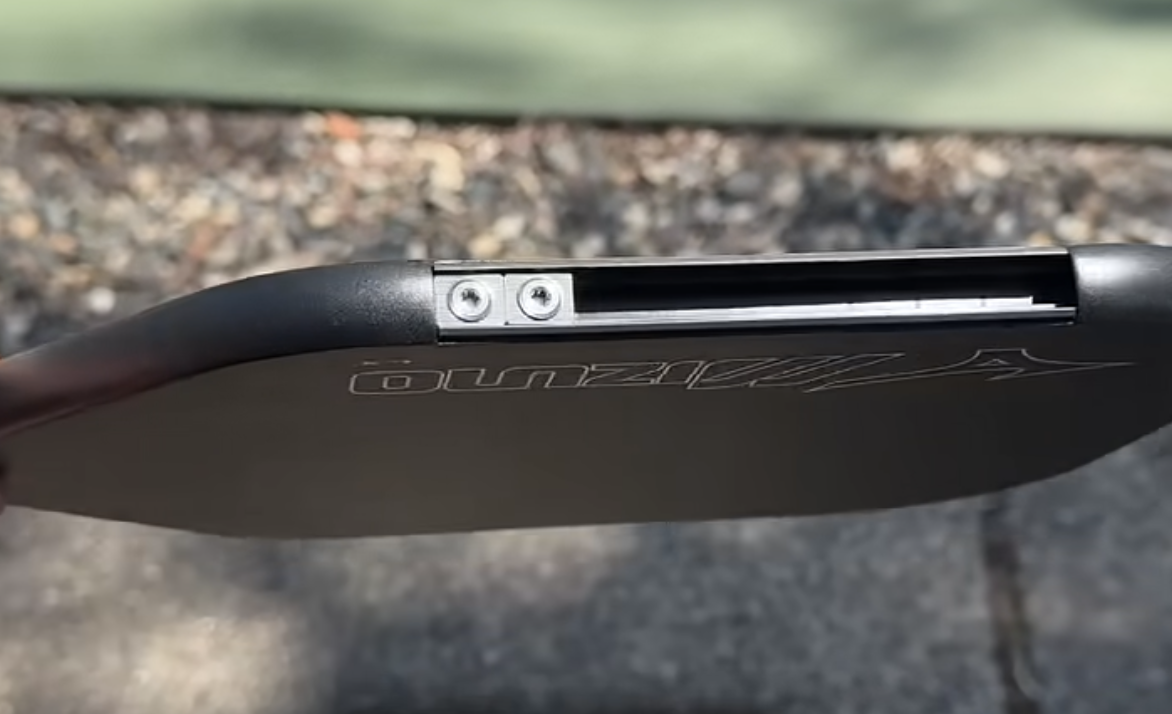
Mizuno’s Adjustable Weight Paddle: Game-Changer or Gimmick?
Mizuno dropped its first-ever pickleball paddle, and it comes with an innovative feature: an adjustable weight system built right into the frame.
The Five Checkpoints of Backhand Technique for the Drive
Once you’ve mastered the shoulder turn, the backhand drive becomes a five-step process.
Each checkpoint builds on the last, and Tyler recommends practicing them in sequence rather than trying to nail all five at once.
1. Takeback
Your paddle should point backward toward the back fence or the people behind you. This isn’t a huge, exaggerated motion. It’s simply positioning your paddle so you’re ready to generate power.
2. Drop
After you take the paddle back, drop it downward. This is crucial for your backhand technique because it allows you to get under the ball and lift it, creating topspin and control. Many players skip this step and come over the top of the ball instead, which leads to weak shots or errors.
3. Contact
Make contact with the ball out in front of your body, away from your torso. This is where the shoulder turn pays off. Because your body is already sideways, you naturally make contact in the right spot. If you haven’t turned, you’ll get jammed and have no choice but to arm the ball.
4. Extension
After contact, keep swinging forward. Don’t just swing up and stop. Think of hitting through three balls instead of one. The more you extend forward, the more penetration your shot will have. This is where many players lose power without realizing it.
5. Follow Through
Finish with your paddle touching your back, paddle tip facing upward, and elbows pointing forward. This isn’t forced. If you’ve done the first four checkpoints correctly, the follow-through happens naturally. As Tyler says, “To gain control, you have to give up control.“
The key insight here is that you don’t need to master all five checkpoints immediately.
Learn the 5 Essential Two-Handed Backhand Shots with Pro Connor Garnett
One theme runs through every shot Connor demonstrates: keep your backswing small – a lot of players think power comes from a big swing, but that’s backwards
Two-Handed vs. One-Handed: Which Backhand Technique Is Right for You?
This is where backhand technique gets personal.
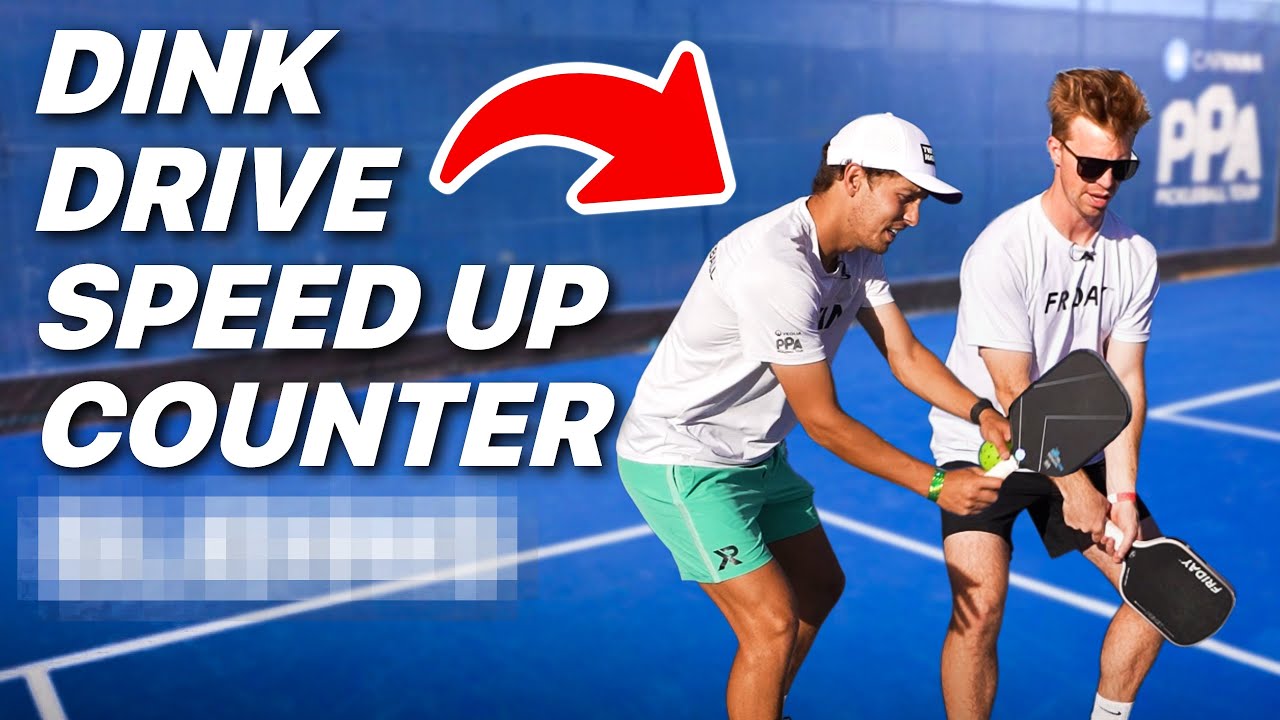
Tyler recommends two hands for most players, especially beginners, because you have more control and stability.
Your dominant hand goes on the bottom, and your non-dominant hand goes on top.
One detail that’s gained popularity recently: placing your top finger on the paddle.
Tyler admits he was skeptical until he watched pros like Anna Leigh Waters and Anna Bright do it consistently.
By placing your finger higher on the paddle, you get better maneuverability and can brush the outside of the ball more effectively.
If you’ve been playing racket sports (tennis, racquetball) for years with a one-handed backhand, stick with it.
But if you’re new to pickleball, go with two hands. Your backhand technique will improve faster, and you’ll have more options as you develop.
Two-Handed Backhand Volley: Master the Shot
The two-handed backhand volley is one of the most versatile shots in pickleball, giving you control and stability at the net. Walker Sisters Pickleball breaks down exactly when and how to use this essential technique.
The Backhand Drop: When You Swing Up Instead of Out
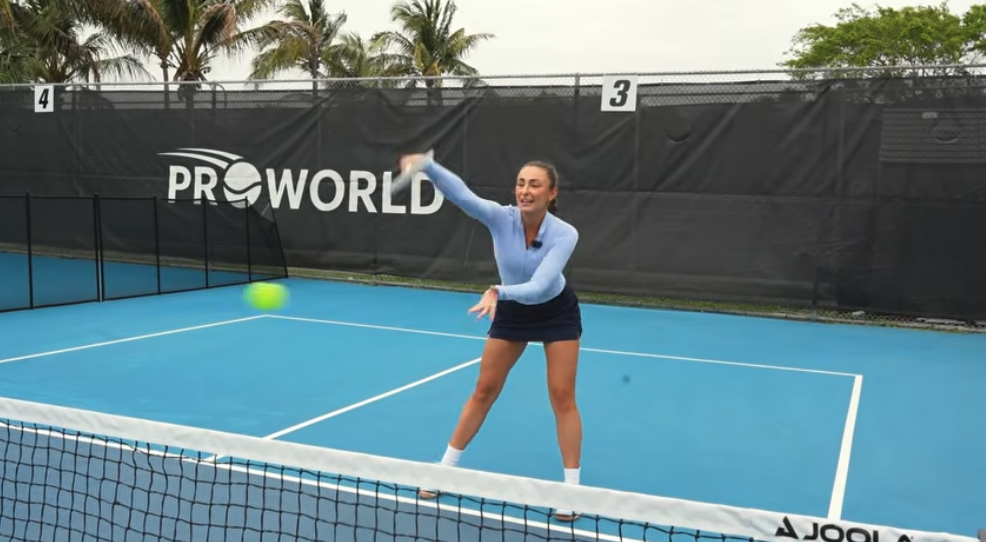
The backhand drop is where your backhand technique shifts slightly. Instead of swinging forward like the drive, you swing upward.
The more upward you swing, the less distance the ball travels and the more it drops into the kitchen.
Tyler uses a helpful visual: the backhand drive is like a “C” shape, while the backhand drop is like a “U” shape.
You’re getting under the ball and lifting it, not pushing it forward.
For the drop, Tyler prefers one hand because it gives him more control.
But the prep phase is identical to the drive: shoulder turn, paddle back, paddle tip slightly upward. The only difference is the direction of your swing at contact.
One controversial point: Tyler recommends playing with height on your backhand drop, at least initially.
If you hit the ball in the net, it’s 100% your opponent’s point. If you hit a high drop, your opponent has to hit another shot, and you get a chance to reset.
Too many players are so afraid of missing that they hit the ball straight into the net. A slightly higher drop is better than a net ball every time.
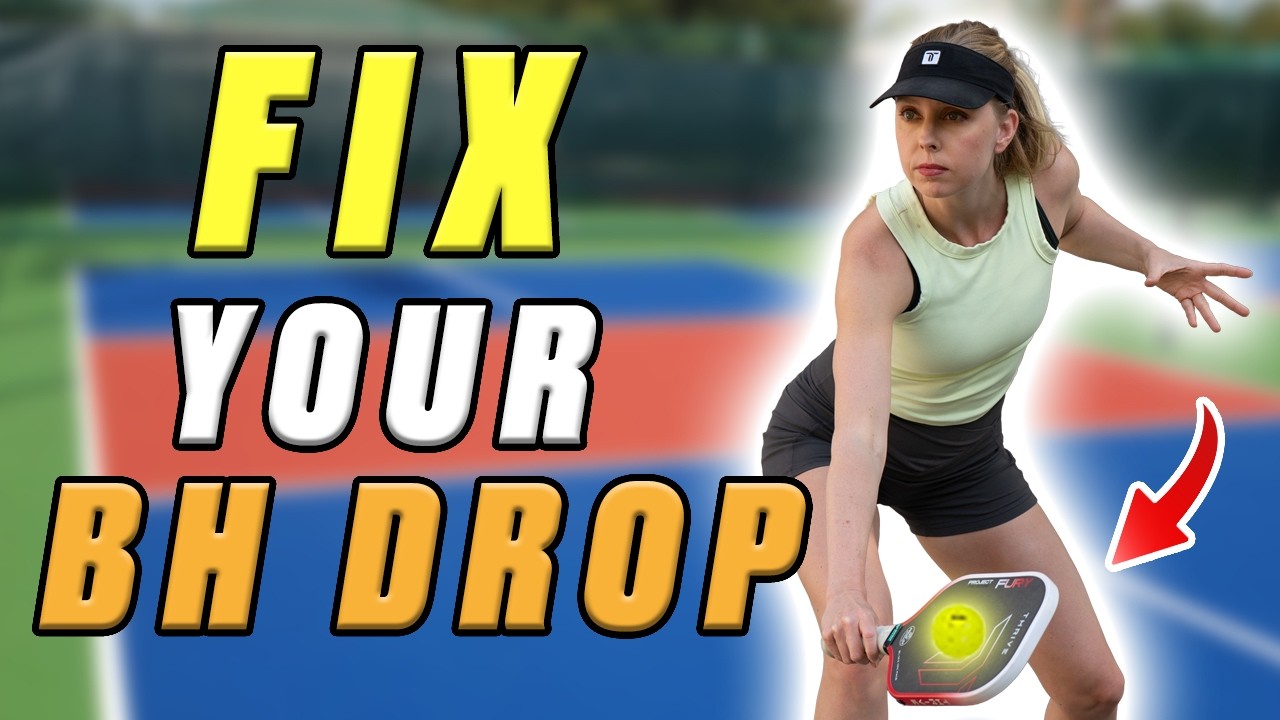
Master the Backhand Drop: A Step-by-Step Guide
The backhand drop is one of the most avoided shots in pickleball, but it doesn’t have to be. With the right progression and focus on fundamentals, you can build a reliable backhand drop that becomes a weapon instead of a weakness.the
The Backhand Dink: Shoulder Turn Without Full Body Rotation
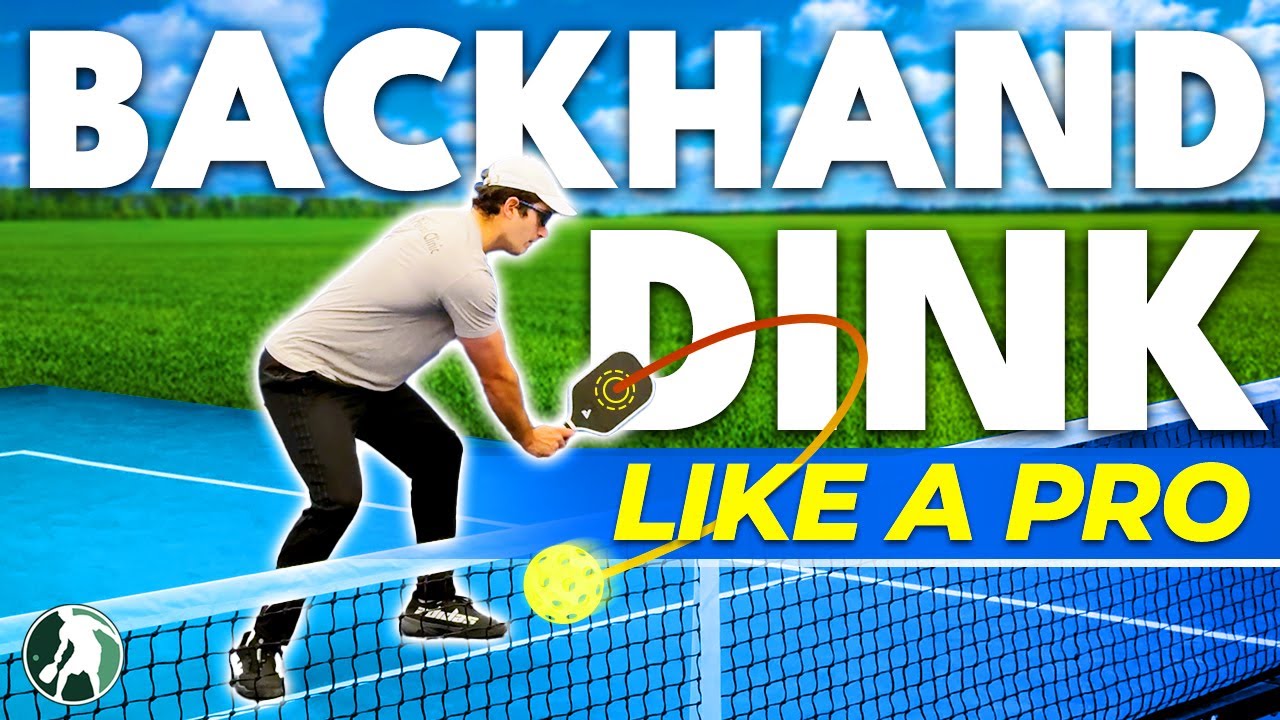
The backhand dink is where your backhand technique requires a subtle adjustment.
You still turn your shoulder, but you don’t turn your entire body like you do for the drive and drop.
Here’s the distinction: for the dink, keep your lower body square and only turn your upper shoulder.
This prevents you from taking your paddle back behind your wrist, which is the number one reason players get jammed and pop the ball up at the kitchen.
Tyler emphasizes that this shoulder turn is the key to fixing 80% of all backhand problems, whether you’re at the kitchen or the baseline.
The turn is what solves the issue.
Once you’ve turned your shoulder, open your paddle face. That’s it. You don’t need to do anything fancy with your wrist.
Just open the face and let the ball go. The more you try to manipulate the shot with your wrist, the more likely you’ll hit it in the net or pop it up.
Perfect the Backhand Slice Dink with These 3 Essential Tips
When you’re locked in a tight dinking battle, this shot is your insurance policy
Drills to Build Your Backhand Technique
Understanding the mechanics is one thing. Actually building the muscle memory is another.
Tyler recommends three specific drills for developing a reliable backhand technique.
1. Top-Hand Forehand
Use only your non-dominant hand and hit forehands. This teaches you what the top hand should be doing. Then add your bottom hand and do a few shadow swings. You’ll get the feel for how the two hands work together.
2. The Wave Drill
After you complete your swing and follow through, wave to your opponent or the camera with your dominant hand. This reinforces that the top hand does all the work. It’s a simple but effective way to internalize proper backhand technique.
3. Kitchen to Baseline
Start at the kitchen and hit a backhand dink. Every time you get it in, take a step back. Keep going until you reach the baseline. Then reverse it: start at the baseline and work your way back to the kitchen. This drill teaches you the feel of the backhand drop and builds consistency.
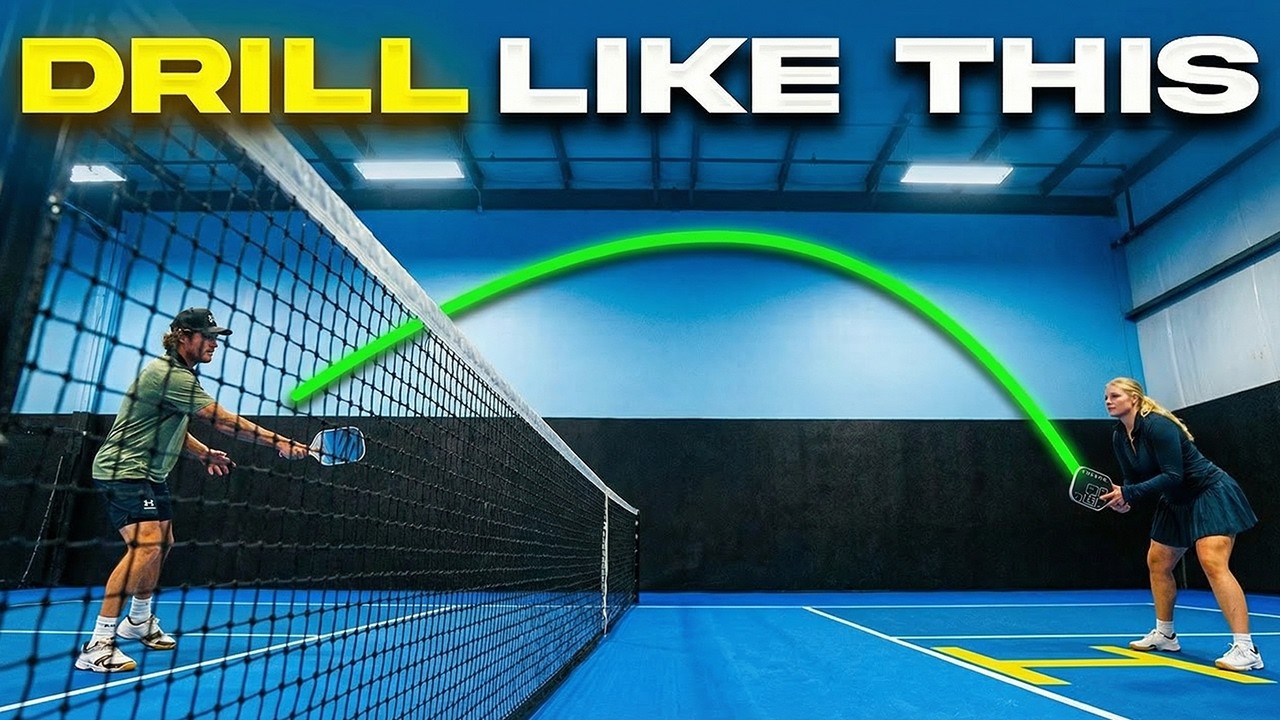
7 Pickleball Drills That Work for Every Level
Pro player Michael Loyd shares 7 pickleball drills designed to build real consistency and fix the weaknesses keeping you stuck.
The Mental Side of Backhand Technique
Here’s something that doesn’t get talked about enough:
Your backhand technique is as much mental as it is physical.
Tyler points out that many players panic when they’re on their backhand side because they expect to miss.
This expectation becomes a self-fulfilling prophecy. You tense up, you slow down your swing, and you either hit it in the net or produce a weak shot.
The solution is to practice your backhand technique in low-pressure situations first. Hit with a partner for fun.
Don’t bring your new backhand to a competitive match until you’ve built confidence.
The more you practice, the more comfortable you’ll become. And the more comfortable you become, the more you’ll actually prefer your backhand.
Tyler believes that once you nail your backhand technique, your two-handed backhand drive can become your most reliable shot because you have more control and stability than on your forehand.
💡
Frequently Asked Questions
What’s the most common backhand technique mistake?
The most common mistake is not turning your shoulders. Players either run around their backhand or they try to arm the ball without proper body rotation. The shoulder turn solves both problems because it automatically positions your body sideways and your paddle back.
How long does it take to develop a solid backhand technique?
It depends on how much you practice. If you’re hitting your backhand regularly, you can see improvement in a few weeks. The key is consistency and focusing on one checkpoint at a time rather than trying to perfect everything at once.
Should I use one hand or two hands for my backhand technique?
If you’re new to pickleball, use two hands. You’ll have more control and stability. If you’ve played tennis or racquetball for years with a one-handed backhand, stick with one hand. The most important thing is that your backhand technique is consistent.
Why do I keep popping the ball up on my backhand dink?
You’re likely taking your paddle back too far or using too much wrist. The fix is to turn only your shoulder (not your whole body), keep your paddle in front of your wrist, and open your paddle face. Let the ball go without manipulating it.
Can I really make my backhand my best shot?
Yes. Once you understand the mechanics and practice consistently, your backhand can become more reliable than your forehand because you have two hands on the paddle and more control. The key is actually hitting your backhand instead of avoiding it.
Nguồn: thedinkpickleball